
Choosing the right pickup tent size requires matching your truck’s exact bed dimensions and mounting capabilities with the tent’s structural design. To secure a proper fit, you must measure your cargo bed’s length, width, and depth, or verify your roof rack’s weight limits if you opt for an elevated setup. A mismatched tent can lead to loose fabric, unstable poles, water pooling during sudden tropical downpours, or even structural damage to your vehicle. By taking precise physical measurements and checking your specific truck trim, you can select a shelter that remains secure and dry throughout your outdoor adventures.
Understand Pickup Tent Types and Mounting Styles
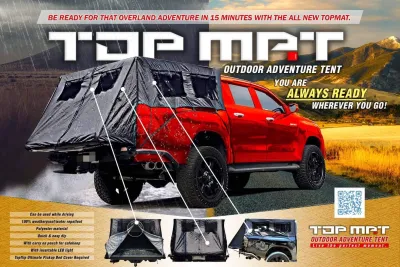
Before measuring your vehicle, you must decide between a truck bed tent and a rooftop tent, as each style interacts differently with your pickup’s structure. Truck bed tents are designed to sit directly inside the cargo bed, using the tailgate as extended floor space. These tents typically secure to the bed rails and outer body panels using padded straps and plastic-coated hooks. They offer a low-profile shelter that is shielded from high winds, making them a practical choice for weekend campers who want to sleep off the damp ground.
Rooftop tents, on the other hand, mount onto a dedicated roof rack, bed canopy, or heavy-duty sports bar system. These elevated shelters fold or pop open, keeping your entire truck bed free for storing coolers, recovery gear, and storage bins. However, rooftop setups require a robust, load-bearing rack system and add significant height and weight to your vehicle.
Products mentioned in this guide
Prices are valid at publication and may change. Please refer to the product page for the latest price.
Your existing truck accessories will heavily influence which mounting style is viable. Plastic or spray-in bed liners can alter the interior dimensions of your cargo bed, while utility tracks, roll bars, and tonneau covers can block the mounting points needed for standard bed tents. If your truck is equipped with a canopy or hardtop, you must verify whether the shell is rated to support the weight of a rooftop tent and its occupants before proceeding with an installation.
How to Measure Your Truck for a Pickup Tent
To find a truck bed tent that fits snugly, you must take manual measurements of your cargo bed rather than relying solely on the vehicle’s marketing brochure. Start by closing the tailgate and measuring the bed length from the inside of the bulkhead (the wall closest to the cab) to the inside of the tailgate. Use a standard metal measuring tape and keep it flat along the bed floor to get an accurate reading.

Next, measure the width of your truck bed in two distinct places. First, measure the distance between the inside edges of the bed rails at their widest point. Second, measure the narrowest distance between the wheel wells, as this determines the maximum width of your sleeping gear and the tent’s floor footprint. Finally, measure the depth of the bed from the top of the bed rail down to the floor, which helps ensure the tent’s side walls and entry flaps align correctly with your tailgate.
For rooftop tent configurations, the measurement process shifts to your rack system and vehicle roof. You must measure the length and width of your roof rack crossbars, ensuring the distance between the bars matches the mounting track spacing specified by the tent manufacturer.
Crucially, you must consult your vehicle’s owner’s manual to locate the dynamic and static weight limits. The dynamic weight limit is the maximum load the roof can safely support while the vehicle is in motion, which is typically much lower than the static weight limit—the load capacity when the truck is parked and stabilized. Your rack system must also be rated to handle these specific weight thresholds to prevent roof deformation or handling instability on winding mountain roads.
Matching Tent Sizes to Popular Truck Models
Pickup tents are generally categorized into standard size classes, such as compact, mid-size, and full-size, which correspond to specific bed length ranges. Mid-size trucks with short beds typically require tents designed for bed lengths of approximately five feet, while standard mid-size beds require configurations closer to six feet. Full-size trucks, which are less common on narrow provincial roads but popular for heavy hauling, accommodate larger tent models designed for six-and-a-half to eight-foot beds.
In the local market, popular mid-size pickups like the Toyota Hilux, Ford Ranger, and Mitsubishi Strada generally fall into the mid-size category. However, these models are sold in various cab configurations—such as double cab, extra cab, or single cab—which directly dictate the length of the cargo bed. For instance, a double cab variant will have a significantly shorter bed than a single cab utility version of the same model year, meaning they cannot share the same tent size.
To avoid compatibility issues, always cross-reference your truck’s exact model year, trim level, and cab style with the tent manufacturer’s official fitment guide. Do not assume that a tent labeled for a “mid-size truck” will automatically fit your Ranger or Strada without checking the specific bed length requirements. If your measurements fall between two tent sizes, consult the manufacturer’s support team to determine which size offers the safest tension and strap reach.
Key Compatibility Checks Before You Buy
Before finalizing your purchase, you must verify that the tent’s attachment system is fully compatible with your truck’s exterior features. Standard bed tents rely on tension straps that hook onto the lower fender wells or the bottom edge of the truck bed. If your vehicle has aftermarket fender flares, side steps, or plastic cladding, these straps may not reach or could rub against the paint, requiring protective adhesive film or alternative mounting points.
You must also check the clearance and operation of your tailgate and rear accessories. When the tent is fully deployed, it should not block your tail lights or license plate if you plan to keep the setup mounted while parked near public roads. Ensure that the tent’s entry door allows you to lower and raise the tailgate smoothly without putting excessive stress on the fabric or zippers.
Weight distribution is another critical safety factor, especially when camping in remote areas with uneven terrain. Calculate the total payload by adding the weight of the tent, your sleeping pads, sleeping bags, personal gear, and all occupants. Compare this total against your truck’s maximum payload capacity, which is listed on the door jamb sticker or in the owner’s manual. Exceeding this limit can strain your vehicle’s suspension and compromise safety, particularly when navigating steep, muddy trails during the rainy season.
Common Sizing Mistakes to Avoid
One of the most frequent mistakes campers make is assuming that all trucks of the same model name share identical bed dimensions across different generations. A Toyota Hilux from a decade ago has different bed contours and rail heights compared to a brand-new model, meaning a tent designed for one generation may sag or stretch excessively on another. Always verify the specific model year range supported by the tent.
Another common error is ignoring the physical space occupied by permanent or semi-permanent truck bed accessories. If you have a slide-in toolbox, a mounted spare tire, or a thick plastic bed liner, these items reduce the usable length and width of your bed floor. A tent designed for an empty bed will not fit properly if it has to drape over a bulky toolbox, which can stretch the seams and allow rainwater to seep inside.
Finally, do not overlook the weight rating of your roof rack when choosing a rooftop tent. Many factory-installed roof rails are only designed for light luggage and cannot support the combined weight of a heavy rooftop tent and multiple adults. Always verify that your crossbars are aftermarket, heavy-duty models rated for off-road use, and inspect all mounting bolts for tightness before setting off on your journey.
Frequently Asked Questions (FAQ)
Can I use a truck bed tent if I have a tonneau cover?
Most standard truck bed tents are not compatible with fully closed tonneau covers, as the tent needs to utilize the entire open volume of the bed. If you have a folding or roll-up tonneau cover, you must retract or fold it completely against the cab before setting up the tent. Always check the tent manufacturer’s instructions, as some designs require the removal of the cover’s side rails to allow the tent’s mounting straps to clamp securely to the bed rails.
Do I need a special mattress for a pickup tent?
While you can use standard camping pads, a specialized truck bed air mattress is highly recommended for optimal comfort. Standard rectangular mattresses do not account for the wheel wells, which can cause the mattress to bunch up or slide around. Look for a mattress specifically contoured to fit around your truck’s wheel wells, or verify that your sleeping pad thickness is sufficient to cushion you from the ribbed metal floor of the truck bed.
Community discussion
Share your experience or ask a question. Comments are reviewed before publication.