
Selecting the ideal pinwheel spinner for outdoor family activities in the Philippines requires balancing visual appeal, material durability, and child safety. Whether planning a weekend trip to a windy beach in Batangas, a picnic at Quezon Memorial Circle, or looking to liven up your backyard, the right spinner provides excellent screen-free entertainment. To find the most suitable option, parents should evaluate how materials withstand tropical humidity, how sizes perform in local wind conditions, and which safety features protect young hands during active play.
Understanding Wind Conditions and Spinner Mechanics
Pinwheel spinners rely on basic aerodynamic principles to convert wind energy into rotational movement. When air flows across the angled blades, it creates a pressure differential that forces the wheel to spin around its central axis. For consistent rotation, most standard spinners require a gentle breeze, which is typically present in open outdoor spaces. Understanding these mechanics helps families choose a spinner that will actually perform well rather than remaining static during outdoor play.
In the Philippines, wind patterns vary significantly depending on the location and the season. Coastal areas, open parks, and elevated regions like Tagaytay often experience steady sea breezes or mountain winds that are ideal for larger, multi-tiered spinners. Conversely, urban backyards or crowded residential areas may have obstructed, turbulent airflow that requires highly sensitive, lightweight spinners to achieve any rotation. Observing local flags, tree leaves, or grass movement can help you gauge whether the current breeze is sufficient for play.
Products mentioned in this guide
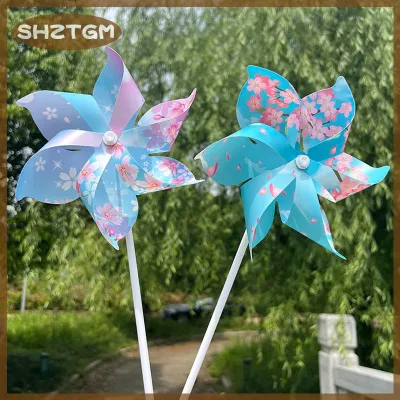
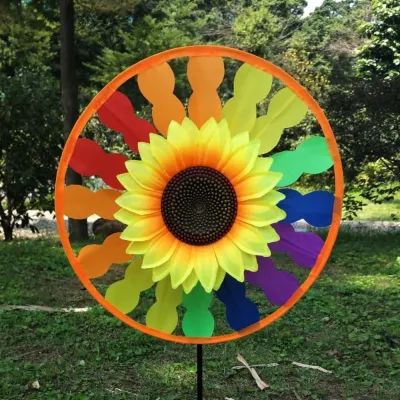
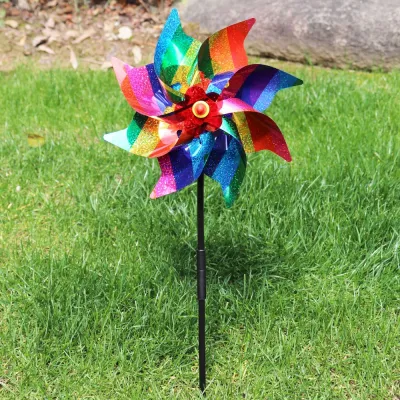
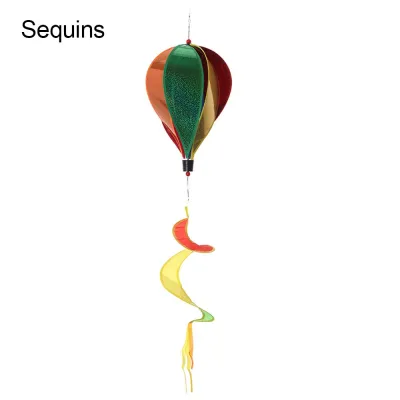
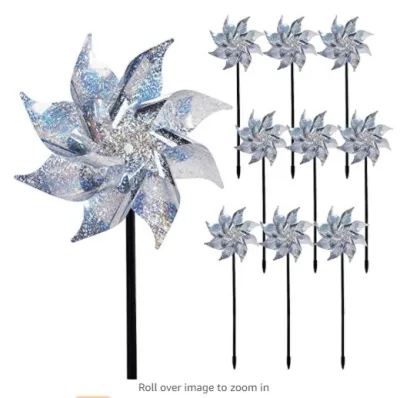
![[Bside Tool Store] 8 Leaves Bird Repeller Pinwheels Bird Deterrent Windmill Spinner Yard Decoration](https://img.lazcdn.com/g/p/a1aaf359166784c2b5c375ce347cec05.jpg_400x400q80.jpg_.webp)
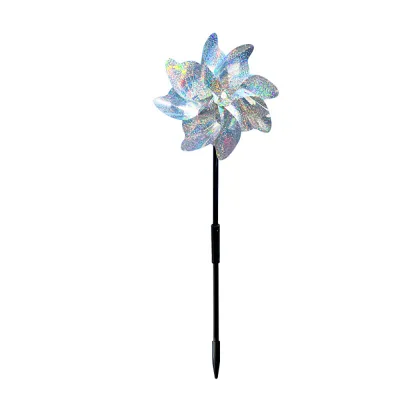
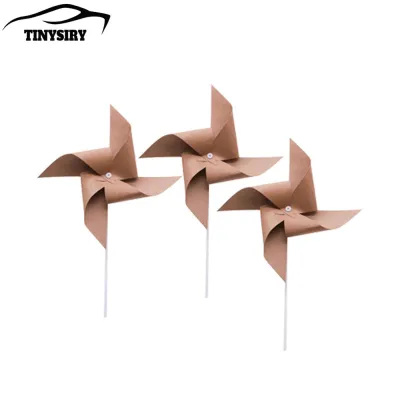
Prices are valid at publication and may change. Please refer to the product page for the latest price.
It is equally important to recognize when wind conditions are unsuitable for pinwheel spinners. Strong monsoonal winds, particularly during the rainy season, can easily overpower lightweight plastic or paper spinners, leading to bent blades, snapped sticks, or detached components. On the other hand, during hot, humid afternoons with no air movement, spinners will remain still unless children run with them to generate artificial airflow. Matching the spinner’s design to the day’s wind conditions prevents frustration and extends the toy’s lifespan.
Evaluating Size and Visibility for Outdoor Spaces
The diameter of a pinwheel spinner directly influences both its visibility from a distance and its rotational speed. Larger spinners, often measuring 30 centimeters or more in diameter, create a striking visual display that can be seen from across a wide park or beach. However, because of their increased surface area and mass, these larger models require stronger, more consistent winds to start spinning and may rotate at a more stately, deliberate pace.

Smaller spinners, ranging from 10 to 20 centimeters, are highly responsive to even slight drafts and spin rapidly in light breezes. These compact sizes are excellent for younger children who want to hold the spinner while running, as they offer minimal wind resistance and are easy to control. For open fields, public parks, or beach outings, larger formats provide a beautiful focal point, while compact spinners are better suited for smaller gardens, balconies, or tight play areas.
When choosing a size, parents must also consider the physical comfort of the child. A giant, heavy spinner mounted on a thick rod can quickly cause arm fatigue for a toddler trying to hold it upright against the wind. Balancing the overall weight and size of the toy ensures that children can play comfortably for extended periods without straining their wrists or arms. Selecting a lightweight model with an ergonomically sized handle is key for younger users.
Comparing Materials for Durability and Weather Resistance
The choice of blade material determines how well a pinwheel spinner survives the elements, especially in a tropical climate characterized by high humidity, intense sunlight, and sudden rain showers. Traditional paper or cardboard spinners are highly susceptible to moisture damage, quickly losing their shape and structural integrity when exposed to humid air or damp grass. While they are often biodegradable and inexpensive, they are rarely suitable for long-term outdoor use in tropical environments.
PET plastic and PVC are common synthetic alternatives that offer excellent moisture resistance and vibrant color retention. These plastic blades easily withstand sudden downpours and can be wiped clean, making them highly practical for park and beach trips. However, prolonged exposure to intense tropical UV rays can eventually cause cheap plastics to become brittle and fade. For maximum longevity, look for UV-stabilized plastics or heavy-duty materials designed to resist sun damage.
Ripstop nylon and polyester fabric represent the premium tier of spinner materials, offering the perfect balance of lightweight spinning efficiency and exceptional durability. These fabrics are highly resistant to tearing, do not warp in high humidity, and catch the wind easily without adding unnecessary weight. When paired with a flexible fiberglass or sturdy wooden stick, fabric spinners can endure years of outdoor play, making them a worthwhile investment for active families.
The stick or rod material also requires careful evaluation to prevent breakage and injury. Wooden dowels are classic and rigid but can splinter if snapped or rot if left in wet soil. Plastic sticks are lightweight and rust-proof but may bend permanently or crack under high wind pressure. Fiberglass rods offer the highest durability, flexing easily under stress without breaking, though they should be checked to ensure they are fully sealed to prevent tiny fibers from irritating young hands.
Assessing Design Features and Child Safety
Child safety should always be the primary consideration when selecting any outdoor toy. Pinwheel spinners feature moving parts that rotate close to a child’s face and hands, making secure construction essential. Parents should inspect the central fastening mechanism, ensuring that the pin or axle is capped with a secure plastic bead or locking nut. This prevents the sharp metal or plastic pin from becoming exposed and stops the spinning blades from flying off during rapid rotation.
The edges of the spinner blades must be smooth and rounded to prevent accidental cuts or scrapes if a child attempts to grab the spinning wheel. Non-toxic dyes and food-grade plastics are highly recommended, especially for toddlers who may put the toy or its stick in their mouths. Additionally, ensure that there are no small, easily detachable parts—such as loose spacer beads or decorative end caps—that could pose a choking hazard to younger siblings.
Visual designs play a significant role in engaging children and enhancing the outdoor experience. Holographic and metallic foils catch the bright tropical sunlight, creating dazzling patterns that are highly visible during the day. For late afternoon or early evening play in neighborhood plazas, spinners equipped with LED lights or reflective strips offer excellent visibility, allowing parents to keep track of their children as dusk falls while adding an exciting glow-in-the-dark element to the activity.
Matching Spinners to Age Groups and Play Styles
Aligning the complexity of a pinwheel spinner with a child’s developmental stage ensures a safe and frustrating-free play experience. For toddlers and preschoolers, simple, single-tier spinners with lightweight plastic blades are ideal. These models require very little wind to rotate, are easy to hold, and have fewer parts that can break. The focus for this age group should be on bright, high-contrast colors and lightweight construction that allows them to run and watch the wheel spin behind them.
Older children, typically aged six and up, often enjoy more complex and interactive designs. Multi-tiered spinners, dual-action models that spin in opposite directions, or giant wind wheels offer a fascinating look into mechanics and wind resistance. These advanced designs can be staked into the ground to create a temporary wind station, allowing older kids to experiment with wind direction, angles, and aerodynamic drag during their outdoor adventures.
If you are planning a family gathering, a birthday party at a local park, or a playdate with multiple children, purchasing multi-packs of standard pinwheel spinners is a practical strategy. Multi-packs ensure that every child has their own toy, preventing sharing conflicts and encouraging group running games. They also serve as excellent, active party favors that promote outdoor physical play long after the event has ended.
Pre-Purchase Inspection and Quality Checks
Whether shopping at a local toy store, a department store, or browsing an online marketplace, performing a quick quality check can save you from purchasing a defective product. The most critical component to inspect is the central bearing or pivot point. Gently blow on the blades or flick them with your finger; they should rotate smoothly and freely with minimal friction. If the wheel catches, squeaks, or stops immediately, the central pin may be too tight or misaligned.
Next, examine the structural integrity of the stick and the blade attachment points. Check that the rod is straight, free of cracks, and securely anchored to the spinning head. For fabric spinners, inspect the stitching along the edges of the blades to ensure there are no loose threads that could unravel in high winds. If buying online, read customer reviews specifically looking for mentions of missing parts, broken sticks upon delivery, or blades that fail to spin in normal wind conditions.
It is also wise to verify the contents of the package before finalizing your purchase, especially with multi-packs or DIY assembly kits. Ensure that all necessary spacers, washers, and end caps are included, as a single missing bead can prevent the spinner from functioning correctly. Taking a few moments to verify these details ensures that your family can start playing the moment you arrive at your outdoor destination.
Safe Usage and Basic Maintenance
To keep outdoor play safe and enjoyable, establish clear ground rules before handing pinwheel spinners to children. Teach them to maintain a safe distance from others while running or holding a spinning toy to avoid accidental eye injuries from the sticks or blade strikes to the face. Children should be instructed never to run with a spinner pointed directly at another person and to avoid playing in crowded areas where they might collide with bystanders.
Proper maintenance after a day at the beach or park is essential for preserving the spinner’s performance, particularly in the humid climate of the Philippines. Sand, dust, and salty air can quickly accumulate in the central bearing, causing friction and stopping the rotation. After outdoor use, gently wipe down the blades and stick with a damp cloth to remove dirt, and use a dry cloth to dry any metal components thoroughly to prevent rust.
When storing your pinwheel spinners, avoid placing heavy objects on top of them, as this can permanently crease plastic or fabric blades and warp the mounting sticks. Store them upright in a tall container or hang them in a cool, dry place away from direct sunlight, which can degrade materials over time. If you have light-up LED models, remember to switch them off completely, and consider removing the batteries if the toy will be stored unused for several weeks to prevent damaging battery leaks.
Frequently Asked Questions (FAQ)
Can pinwheel spinners be used indoors or in low-wind conditions?
Yes, pinwheel spinners can be enjoyed indoors or during calm days by creating artificial airflow. Children can generate enough breeze to spin the toy by running with it, walking briskly, or holding it in front of a household electric fan. However, when using spinners indoors, it is important to clear a safe path free of furniture and obstacles to prevent trips and falls. Larger, heavier spinners are generally not recommended for indoor use as they require too much space and wind speed to rotate effectively, making compact, highly sensitive models the better choice for indoor play.
How do I fix a pinwheel spinner that stops spinning smoothly?
If a pinwheel spinner stops rotating smoothly, the issue is usually caused by friction, debris, or misalignment. Start by inspecting the central pivot point and gently blowing away any trapped sand, dirt, or hair that may have wrapped around the axle. If the blades are pressed too tightly against the stick, gently pull the front cap forward or adjust the fastening pin to create a tiny gap, allowing the wheel to move freely. Adding a small plastic spacer bead or applying a single drop of silicone-based lubricant to the axle can also dramatically reduce friction and restore smooth spinning action.
Are LED pinwheel spinners safe for young children?
LED pinwheel spinners can be safe for children, provided they meet specific safety standards. Parents must verify that the battery compartment is securely fastened with a screw to prevent young children from accessing and swallowing the button cell batteries, which pose a severe chemical burn hazard. Additionally, ensure that all electrical wiring and LED nodes are fully encased within the plastic structure and are water-resistant enough to withstand damp grass or light sweat. For toddlers, it is best to stick to non-electronic, wind-powered spinners, reserving LED models for older children under close adult supervision.
Community discussion
Share your experience or ask a question. Comments are reviewed before publication.