
Choosing the right plastic fish cage requires matching the cage’s physical architecture—specifically its mesh size, frame rigidity, and entry design—to your exact operational goal. Whether you are trapping wild species, keeping your daily catch fresh on the water, or establishing a small-scale backyard aquaculture system, selecting the wrong material or size can lead to escaped fish, high mortality rates, or rapid gear failure under intense environmental conditions. By evaluating your target species, local water movement, and deployment duration, you can select a durable plastic cage that maximizes your success while protecting your catch.
Quick Guide: Matching Your Cage to Your Primary Goal
Before investing in a plastic fish cage, you must define its primary function. Cages generally fall into three functional categories: trapping wild fish, keeping caught fish alive temporarily, or cultivating fish over several months. Using the wrong style of cage for your activity not only reduces efficiency but can also damage your catch or lead to premature gear failure.
To help you quickly identify the correct gear type, consider how these primary goals map to essential design features:
Products mentioned in this guide
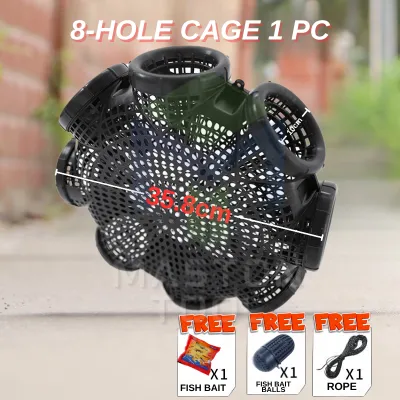
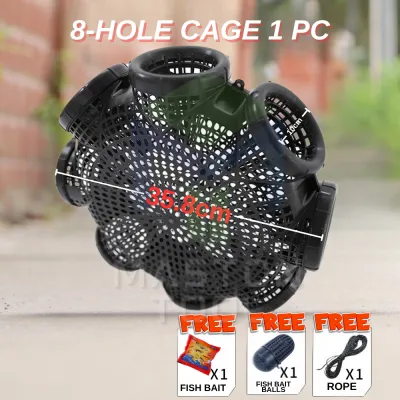
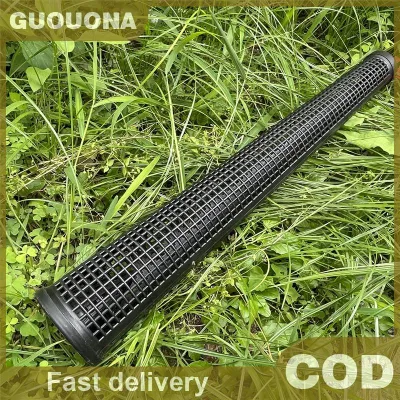
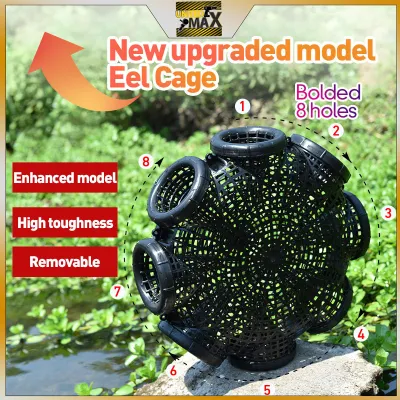
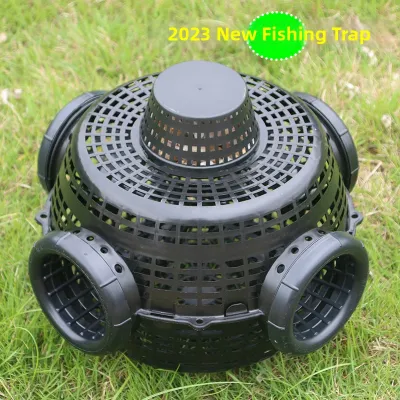
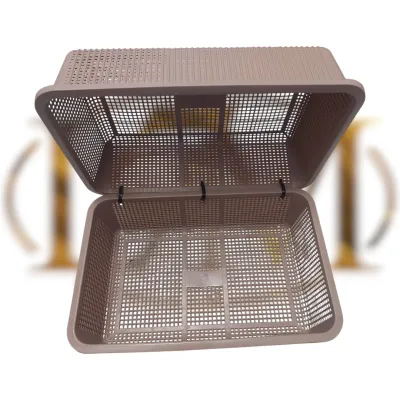
Prices are valid at publication and may change. Please refer to the product page for the latest price.
| Primary Goal | Key Structural Feature | Recommended Mesh Type | Material Priority |
|---|---|---|---|
| Wild Fish Trapping | Funnel entries, non-return valves, bait compartments | Rigid or semi-rigid plastic mesh | Camouflaged, dark-colored, non-reflective polymers |
| Live Catch Storage | Floating collars, secure zippers, tie-down points | Soft, knotless nylon or flexible polyethylene | Smooth, non-abrasive surfaces to prevent scale loss |
| Small-Scale Aquaculture | Rigid modular frames, feeding hatches, anchor loops | UV-stabilized heavy-duty HDPE mesh | High-density polyethylene with anti-fouling properties |
While it is tempting to look for a single, universal cage that can handle all three tasks, multi-purpose use has strict limitations. For example, a soft-mesh live storage cage cannot be used as a trap because it lacks the rigid funnel entryways required to guide fish inside and prevent their escape. Conversely, a rigid plastic trap can technically hold fish temporarily, but its hard interior walls and restricted water flow make it poor for long-term live storage or transport. For the best results and to ensure animal welfare, always use specialized gear designed specifically for your primary activity.
Evaluating Size, Mesh, and Structural Design
Selecting the physical specifications of your plastic fish cage requires balancing biological needs with environmental conditions. The cage must be large enough to support your target species without causing crowding, yet compact enough to manage, transport, and clean effectively.

Calculating Volume and Stocking Capacity
To determine the necessary cage volume, you must estimate the maximum weight and size of the fish you plan to hold or rear. As a general rule, water exchange dictates stocking density. In warm, tropical environments where water temperatures are high, dissolved oxygen levels drop quickly. To prevent oxygen depletion, ensure your cage volume allows for continuous water movement. For temporary live storage, a good guideline is to provide at least 10 to 15 liters of water volume for every kilogram of fish. For long-scale aquaculture, consult local agricultural extension guidelines for specific species-by-species stocking densities, as requirements vary widely between species like tilapia and milkfish.
Selecting the Correct Mesh Size
Mesh size is a critical trade-off between water flow, debris accumulation, and fish containment.
- Fine Mesh (under 5mm): Essential for holding baitfish or young fry. However, fine mesh restricts water flow and clogs rapidly with algae, silt, and organic debris, requiring daily cleaning to prevent oxygen depletion.
- Medium Mesh (10mm to 20mm): Ideal for general live storage of medium-sized catches. It offers a balanced compromise, allowing decent water exchange while keeping smaller target species secure.
- Large Mesh (over 25mm): Best for mature fish and long-term aquaculture. It maximizes water flow and natural oxygenation while allowing small debris to pass through freely, though it leaves the contents vulnerable to small predators like water snakes or crabs.
Frame Rigidity and Portability
Consider how you will transport and deploy the cage. Collapsible or folding cages utilizing flexible plastic frames or spring-steel hoops are highly portable, making them excellent for recreational anglers who need to pack gear into remote locations. However, these flexible designs can deform in strong currents, compressing the interior space and stressing the fish. For stationary deployments, tidal zones, or aquaculture, rigid frames made from heavy-duty high-density polyethylene (HDPE) or PVC pipes are necessary. Rigid frames maintain their shape under heavy water pressure and provide a stable platform for anchoring.
Selecting a Cage for Fish Trapping and Catching
When your goal is to capture wild fish, the cage must function as an active or passive trap. Plastic traps are highly effective because they do not rust, are lightweight, and can be molded into hydrodynamically efficient shapes that resist rolling in river currents.
Entry Mechanisms and Bait Compartments
The defining feature of a trapping cage is its entry design. Look for funnel-shaped entrances that narrow toward the inside of the cage. This design exploits natural fish behavior: fish easily swim through the wide outer opening to reach the bait but struggle to locate the small, suspended inner exit once inside. Some advanced traps feature one-way finger gates or non-return valves that push open easily from the outside but lock shut when pressured from within. Additionally, ensure the trap includes a dedicated, secure bait compartment. This compartment keeps your bait centered in the trap and prevents captured fish from consuming it immediately, keeping the trap attractive to new entries for a longer period.
Visibility and Camouflage
Fish are naturally cautious of foreign objects in their environment. To maximize your catch rate, match the color of your plastic trap to the local aquatic environment. In murky rivers, mangrove swamps, or muddy lake beds, dark green, brown, or black plastic cages blend seamlessly with underwater structures, roots, and debris. For clear water or sandy bottoms, tan or translucent plastics are less conspicuous. Avoid bright, reflective plastics or high-contrast components, which can scare away wary wild species.
Verifying Local Regulations
Before deploying any trapping cage, you must verify local fishing regulations. Many municipal waters and marine protected areas have strict laws governing trap dimensions, mesh sizes, and the types of materials allowed. Many jurisdictions require traps to feature “escape gaps”—specific openings that allow juvenile fish or non-target species to escape while retaining legal-sized catches. Always check with local authorities, such as municipal agricultural offices or fisheries bureaus, to ensure your chosen trap design is fully compliant with local conservation laws.
Selecting a Cage for Live Storage and Transport
If you practice catch-and-release, participate in tournaments, or simply want to keep your catch fresh for the dinner table, a live storage cage is indispensable. The primary focus here is fish welfare, minimizing stress, and preventing physical damage to the fish.
Prioritizing Smooth Interior Surfaces
When fish are confined in a cage, they will naturally swim against the walls attempting to escape. Cages made from rough, knotted plastic or rigid wire-like mesh can scrape off a fish’s protective slime coat and scales. This damage leaves the fish highly susceptible to bacterial infections, red spot disease, and rapid physical decline. For live storage, prioritize cages constructed from soft, knotless nylon mesh or smooth, rubber-coated polyethylene. These materials flex when the fish bumps against them, preserving the slime coat and keeping your catch healthy and stress-free.
Buoyancy, Security, and Anchoring
A live storage cage must remain stable at the water’s surface or at a controlled depth. Look for cages equipped with integrated buoyancy collars, such as closed-cell foam rings or inflatable chambers, which keep the top of the cage floating above the waterline. This design allows easy access through the top hatch. Ensure the cage features heavy-duty, corrosion-resistant zippers or locking drawstrings to prevent fish from jumping out and to block predators like monitor lizards, birds, or larger fish from entering. Strong, reinforced tie-down loops are also essential for securing the cage to your boat, dock, or shoreline anchor, preventing currents or boat wakes from sweeping your catch away.
Managing Capacity and Oxygen Levels
Overcrowding is the leading cause of fish mortality in live storage cages. In tropical climates, warm water holds less dissolved oxygen, and fish consume oxygen at a faster rate due to elevated metabolisms. Keep a close eye on your storage density. If you observe fish gasping at the water surface or swimming lethargically, the cage is overcrowded or water flow is restricted. To maintain optimal health, keep stocking densities low, position the cage in an area with gentle, continuous current, and avoid keeping fish in stagnant, shallow water near the shore where temperatures rise rapidly.
Selecting a Cage for Small-Scale Aquaculture
Small-scale aquaculture, such as rearing fish in a backyard pond or a local waterway, requires cages built for long-term submersion and continuous exposure to the elements. Here, durability, modularity, and ease of maintenance are your primary concerns.
Long-Term Submersion and UV Resistance
Cages deployed for aquaculture must withstand constant exposure to intense tropical sunlight and water currents. Standard plastics degrade quickly under ultraviolet (UV) radiation, becoming brittle and cracking within a few months. When selecting an aquaculture cage, check the manufacturer’s specifications to ensure the plastic is UV-stabilized (often labeled as UV-resistant HDPE). Additionally, look for materials treated with anti-fouling properties, which help resist the accumulation of algae, barnacles, and bio-slime, keeping the mesh open and water flowing freely for longer periods.
Modular and Compartmentalized Designs
As fish grow, their environmental and nutritional needs change. Successful small-scale aquaculture often relies on a modular cage system. This setup allows you to separate fish by size and life stage:
- Fry and Fingerling Stage: Kept in fine-mesh inner cages, often called "hapa" nets, to protect them from predators and prevent escape.
- Grow-Out Stage: Transferred to larger, rigid-mesh cages that allow maximum water flow and rapid growth.
- Breeding Stage: Isolated in dedicated compartments to manage reproduction and monitor health closely.
Using modular, interlocking plastic frames allows you to expand your system easily as your hobby or small business grows.
Feeding Access and Waste Management
Efficient feeding and waste removal are critical for maintaining water quality and fish health. Choose aquaculture cages designed with integrated feeding rings or floating feeding hatches. These features keep floating feed pellets contained in one area, preventing them from drifting out through the mesh before the fish can eat them. The bottom of the cage should be positioned high enough off the pond or riverbed to allow natural currents to sweep away fish waste and uneaten food, preventing the buildup of toxic ammonia and hydrogen sulfide around your stock.
Pre-Purchase Inspection and Setup Checklist
Before deploying a new plastic fish cage in the water, conduct a thorough inspection to ensure there are no manufacturing defects that could lead to structural failure or fish loss.
Step-by-Step Pre-Purchase Inspection
- Examine the Seams and Stitching: Inspect all stitched areas, especially around zippers, corners, and frame attachments. Look for loose threads, uneven stitching, or gaps in the mesh.
- Check Joint Welds and Connections: For rigid cages, inspect the plastic welds or connector joints. Ensure there are no cracks, air bubbles, or weak points where the frame could snap under pressure.
- Test the Zippers and Latches: Open and close all zippers, latches, and drawstrings multiple times. Ensure they operate smoothly without catching or binding.
- Inspect for Sharp Edges: Run your hand along the interior surfaces of the cage. File down or trim any sharp plastic flashing, rough mold lines, or protruding wire ends that could injure fish.
Initial Setup and First-Time Deployment
New plastic cages often carry manufacturing residues, chemical plasticizers, or synthetic odors that can repel fish or harm sensitive fry. Before using your cage for the first time, rinse it thoroughly with clean, fresh water. Avoid using household detergents or chemical cleaners. For the best results, submerge the cage in clean water for 24 to 48 hours prior to stocking it with fish, allowing any residual manufacturing odors to dissipate naturally. When deploying the cage for the first time, secure all anchors and floats, and verify that the cage sits level in the water column under local current conditions.
Routine Maintenance and Storage Practices
Proper maintenance and storage are essential to maximize the lifespan of your plastic fish cage. Algae growth, organic buildup, and UV exposure are the primary enemies of plastic gear, but a simple care routine can prevent premature degradation.
Cleaning Algae and Biofilm Safely
Over time, your cage will accumulate a layer of algae, silt, and bio-slime. This buildup restricts water flow, lowering oxygen levels inside the cage. Clean the cage regularly using a soft-bristled brush and clean water. For stubborn organic buildup or odors, use a mild, fish-safe cleaning solution such as diluted white vinegar. Never use harsh household chemicals, bleach, or high-pressure washers on flexible mesh cages, as these can degrade the plastic fibers, weaken the seams, and leave toxic residues that can kill your fish.
Proper Drying Techniques
Storing a wet or damp cage leads to the rapid growth of mold, mildew, and rot, which can weaken fabric components and zippers. After cleaning, hang the cage in a well-ventilated, shaded area to dry completely. Avoid leaving the cage to dry in direct, intense sunlight for extended periods, as unnecessary UV exposure accelerates the breakdown of the plastic polymers, making the mesh brittle and prone to tearing.
Safe Storage Conditions
Once the cage is completely dry, store it properly to prevent physical damage and environmental wear:
- Store Flat or Hung: Avoid folding flexible cages too tightly, as sharp creases can weaken the plastic fibers over time. Store them flat or hang them loosely.
- Keep Out of Direct Sunlight: Store your gear in a cool, dry indoor location, such as a garage, shed, or storage closet, away from windows.
- Protect from Pests: Rodents like rats and mice are attracted to residual fish odors and will easily chew through plastic mesh to reach food scents. Store your cages in sealed plastic bins or hang them high off the ground to keep them safe from pests.
Frequently Asked Questions (FAQ)
How do I safely clean a plastic fish cage without damaging the mesh?
To clean your plastic fish cage safely, scrub the mesh gently using a soft-bristled brush and clean water. For heavy algae buildup or persistent odors, use a mild, natural solution of diluted white vinegar. Avoid using harsh chemical detergents, chlorine bleach, or abrasive scrubbing pads, as these substances can degrade the plastic polymers, weaken the seams, and leave chemical residues that are highly toxic to fish. Always rinse the cage thoroughly with fresh water and allow it to air-dry completely in a shaded, well-ventilated area before storing or reusing it.
Are plastic fish cages suitable for long-term saltwater deployment?
Yes, plastic fish cages are highly suitable for saltwater environments, provided they are constructed from marine-grade, UV-stabilized materials such as high-density polyethylene (HDPE). Unlike metal cages, high-quality plastics do not rust or corrode when exposed to saltwater. However, saltwater environments accelerate biofouling from barnacles, algae, and marine organisms. To ensure long-term durability, you must inspect the cage regularly, clean off marine growth before it hardens, and monitor the plastic for signs of UV brittleness or physical wear, replacing components as needed to prevent structural failure.
Community discussion
Share your experience or ask a question. Comments are reviewed before publication.