
Finding a running belt bag that fits comfortably on a plus-size frame while navigating the tropical heat of the Philippines requires focusing on three core pillars: strap adjustability, secure stability, and high-performance breathability. Standard running belts often fall short for larger body frames, either riding up during a jog or causing painful chafing against the skin. To secure a comfortable run along the UP Diliman Academic Oval or down the streets of Bonifacio Global City, you need a belt bag designed to distribute weight evenly without digging into your waist or hips. By prioritizing wide, highly adjustable straps, verifying exact physical measurements rather than relying on generic size labels, and selecting moisture-wicking fabrics that withstand intense local humidity, you can find a gear carrier that stays securely in place from your warm-up to your cool-down.
Essential Design Features for Larger Body Frames
When selecting a running belt bag, the structural design plays a critical role in how the weight of your essentials is distributed across your body. For plus-size runners, a belt that is too narrow can act like a thin cord, cutting into soft tissue and causing discomfort or even bruising over longer distances. A wide strap design—ideally between 1.5 to 2 inches—is highly recommended because it increases the surface area of contact, effectively dispersing the pressure of the carried load.
Comparing wide, adjustable strap designs against tube-style belts reveals distinct advantages for different body shapes. Wide, adjustable straps with heavy-duty buckles allow you to customize the tension at specific points, making it easier to secure the bag over varying body contours. Tube-style belts, which are continuous loops of elastic fabric, offer a sleek, low-profile fit but can sometimes roll up or bunch around the waist if the sizing is not exact. If you choose a tube-style belt, look for models with structured vertical seams that resist rolling.
Products mentioned in this guide
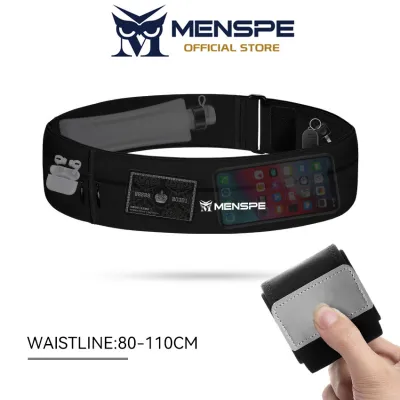
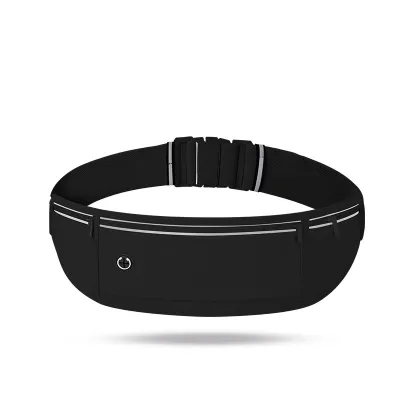
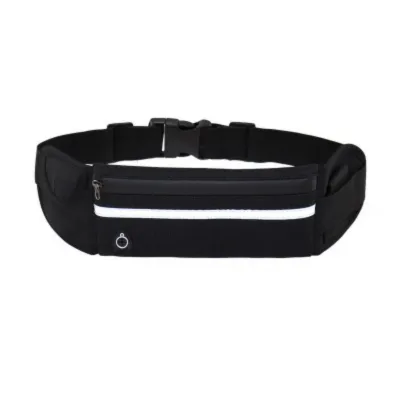
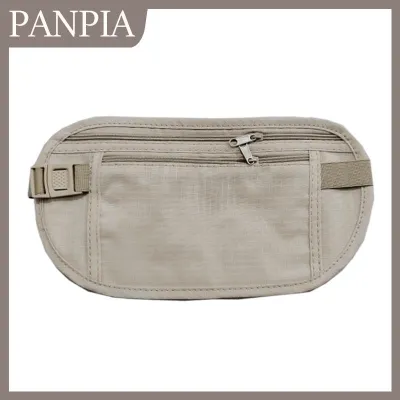
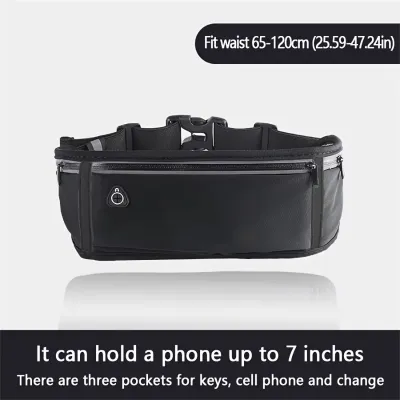
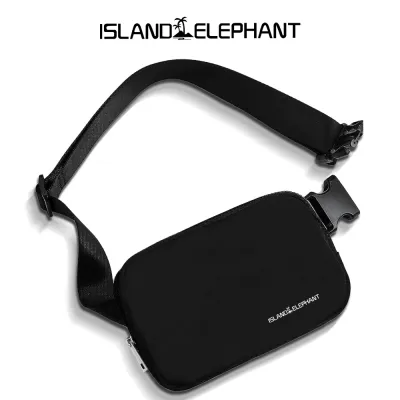
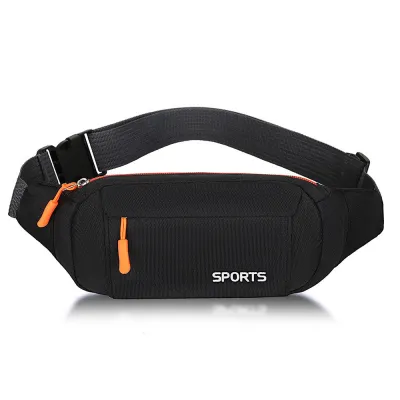
Prices are valid at publication and may change. Please refer to the product page for the latest price.
Buckle placement and construction are equally vital for preventing skin irritation. A buckle that sits directly on your hip bone or spine can cause painful friction with every stride. Look for designs where the buckle is positioned toward the front or side, or models that feature a padded fabric flap behind the buckle to shield your skin. Flat-lock seams, which lie completely flat against the fabric, and tagless interiors are essential features that minimize the risk of micro-abrasions when running in hot, humid conditions.
To keep the belt anchored during high-impact movement, pay close attention to the inner lining of the bag. Many high-quality running belts incorporate anti-slip grips or silicone linings along the interior band. These silicone patterns grip your running apparel or skin without causing irritation, preventing the belt from bouncing vertically or shifting side to side as your stride changes. An ergonomically shaped belt that curves slightly to match the natural slope of your hips will also provide a more secure, locked-in feel.
Sizing, Fit, and Measuring for a Secure Hold
Securing a proper fit starts with accurate physical measurements rather than relying on standard clothing sizes, which vary significantly between manufacturers. To find your ideal belt size, use a flexible measuring tape to measure both your natural waist (the narrowest part of your torso) and your hips (the widest part of your lower body). Your preferred wearing position will dictate which measurement is most critical; some runners prefer the belt to sit high on the waist, while others find that resting it low on the hips prevents it from riding up.

When reviewing product specifications on e-commerce platforms, look closely at the maximum stretch limits and adjustable ranges. A belt that lists a maximum waist limit of 40 inches may technically stretch to fit a 40-inch waist, but at its absolute limit, the elastic will be highly tensioned, leading to a constricting feel and rapid wear of the material. Aim for a belt where your measurement falls comfortably within the middle of the adjustable range rather than at the extreme end.
If you find a belt bag you love but the strap is slightly too short, check if the manufacturer offers extension strap compatibility. Some brands design matching strap extenders that easily click into the existing buckle system, allowing you to expand the circumference without compromising the bag’s structural integrity or safety. This is an excellent option for ensuring a customized fit that can be adjusted based on the thickness of your running apparel.
Before making a final decision, cross-reference the manufacturer’s size charts with real-world user reviews, specifically looking for feedback from other plus-size runners. Reviewers often share valuable insights regarding whether a belt runs small, loses its elasticity over time, or tends to slip during long runs. This practical feedback helps bridge the gap between static size charts and the dynamic movement of a running body.
Material Choices for Comfort in the Philippine Climate
Running in the Philippines means dealing with high temperatures and intense humidity year-round. Under these tropical conditions, the material of your running belt bag directly impacts your comfort, skin health, and overall performance. Standard neoprene or heavy cotton blends tend to trap heat and absorb sweat, becoming heavy, saggy, and highly abrasive against the skin as your run progresses.
Instead, prioritize technical fabrics engineered for moisture-wicking and quick-drying performance. Materials like nylon-spandex or polyester-elastane blends are excellent because they actively pull sweat away from your body and allow it to evaporate quickly. These fabrics maintain their lightweight feel and structural elasticity even when saturated, ensuring the belt does not stretch out or sag under the weight of your gear.
Breathability is further enhanced by the inclusion of mesh paneling and perforated zones. Look for belt bags that feature a breathable 3D mesh backing on the side that rests against your body. This open-weave fabric creates a small air gap that facilitates heat dissipation and airflow, reducing the buildup of sweat and lowering the risk of heat rashes or localized skin irritation.
Finally, check the care labels and product descriptions for washability and odor resistance. Because your running belt will inevitably absorb sweat, it must be easy to clean without losing its shape or color. Look for fabrics treated with antimicrobial properties that resist odor-causing bacteria, and ensure the material is colorfast so that sweat and friction do not cause the dye to bleed onto your favorite running tops.
Matching Capacity and Layout to Your Running Essentials
A well-designed running belt should carry your essential gear securely without adding unnecessary bulk or causing the bag to sag. Before purchasing, verify the internal dimensions of the main compartment to ensure it can comfortably accommodate your specific smartphone model, especially if you use a thick, shockproof protective case. A pocket that is too tight will stretch the fabric excessively, making it difficult to access your phone quickly during a run.
Compare the layout of zippered pockets versus open slip pockets based on what you plan to carry. Zippered compartments are non-negotiable for securing high-value items like your keys, cash, identification cards, and emergency medical information. On the other hand, open slip pockets or external elastic loops are highly convenient for quick-access items such as energy gels, salt tablets, or soft hydration flasks that you may need to grab on the go without stopping.
Balancing your storage needs with the physical limits of the belt is crucial for maintaining a bounce-free run. Overloading a belt bag with heavy items like multiple water bottles, large keychains, and portable chargers will compromise its structural integrity, causing it to sag and bounce regardless of how tightly you fasten the strap. To prevent this, distribute the weight symmetrically; place your heaviest item in the center pocket and use smaller side compartments for lighter essentials.
Smart Shopping and Pre-Purchase Verification
When shopping on online marketplaces in the Philippines, finding the right plus-size running belt requires a methodical approach. Avoid relying solely on generic search terms like “plus size” or “one size fits all,” as these tags are often applied to standard-sized products with highly elastic straps. Instead, filter your search results by inputting specific adjustable dimensions, such as “running belt 45 inches” or “waist pack 120 cm,” to locate products designed with longer strap lengths.
Before checking out, carefully review the seller’s return policies, sizing guarantees, and exchange conditions. Because achieving a comfortable fit is highly personal and depends on your unique body shape, you want the flexibility to exchange the belt if it does not fit as expected. Look for sellers that offer hassle-free returns or size exchanges to ensure you are not stuck with an unusable product.
Compare prices in ₱ across different sellers, but remain cautious of listings that seem unusually cheap. Extremely low-priced items may use low-quality plastic buckles that snap under tension or thin elastic straps that lose their stretch after just a few runs. Examine customer review photos to verify the actual material quality, buckle sturdiness, and strap thickness, ensuring you invest in a durable piece of gear that will support your running journey for miles to come.
Frequently Asked Questions (FAQ)
Can I wear a running belt over my clothes instead of against my skin?
Yes, wearing a running belt over your clothes is a highly effective way to minimize direct skin friction and prevent chafing. However, the fabric of your running shirt or tights can affect how the belt behaves. Smooth, slippery synthetic fabrics may cause the belt to slide up or bounce more easily than textured fabrics. When wearing the belt over clothing, you may need to tighten the strap slightly to compensate for the extra layer and prevent movement. Ensure the buckle and any adjustment sliders do not press uncomfortably into your body through the fabric.
How do I clean a sweaty running belt to prevent odors?
To preserve the elasticity and longevity of your running belt, hand-washing is generally the safest method. Submerge the belt in cool water mixed with a mild, sports-specific detergent or gentle soap. Gently agitate the fabric, paying close attention to the areas that contact your body. Avoid using bleach or fabric softeners, as these can break down the elastic fibers and clog moisture-wicking pores. Rinse thoroughly with clean water, squeeze out excess moisture without wringing or twisting the belt aggressively, and hang it to air-dry in a well-ventilated area away from direct sunlight.
Will a belt bag bounce if I carry a large smartphone and a water bottle?
Bouncing occurs when weight is unevenly distributed or when the belt is not tight enough against your body. To minimize bounce, place your heaviest item, such as a large smartphone, in the pocket closest to your center of gravity (usually the middle of your lower back or front waist). If your belt accommodates a water bottle, opt for a soft flask that shrinks as you drink, which reduces liquid sloshing. Ensure the belt is adjusted snugly around your hips or waist so that it moves with your body rather than independently.
Community discussion
Share your experience or ask a question. Comments are reviewed before publication.