
Choosing the right pool floater transforms a simple dip in the water into a tailored aquatic experience. Whether you want to lounge under the tropical sun with a cold drink, practice your kicking technique, or splash around with family, your choice of flotation support determines your comfort and safety. The ideal floater matches your swimming proficiency, your physical size, and the specific layout of your pool. By evaluating how you intend to spend your time in the water, you can select a design that offers the perfect balance of buoyancy, mobility, and structural support.
Identify Your Primary Water Activity
Before browsing designs, define what you want to accomplish during your pool session. Active swimming practice, passive relaxation, and interactive water play each require vastly different levels of buoyancy and body positioning. For instance, a training session demands a tool that isolates specific muscle groups while keeping your body in a streamlined alignment. Conversely, a lazy afternoon of sunbathing requires a stable platform that keeps your head elevated while allowing your body to remain mostly dry.
Your personal swimming proficiency and comfort level in the water also dictate the type of stability you need. Confident swimmers often prefer minimal floaters like noodles or rings that allow for high mobility and quick transitions between swimming and resting. Beginners or those who feel less secure in deep water require highly stable, wide-profile floaters that resist tipping and provide a secure sense of elevation.
Products mentioned in this guide
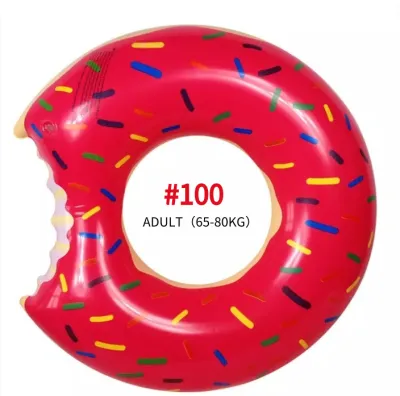
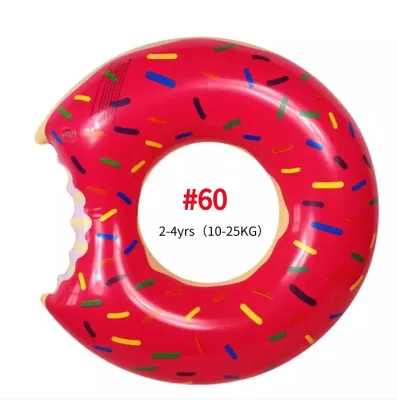
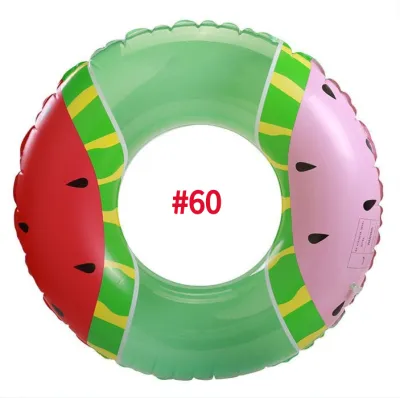
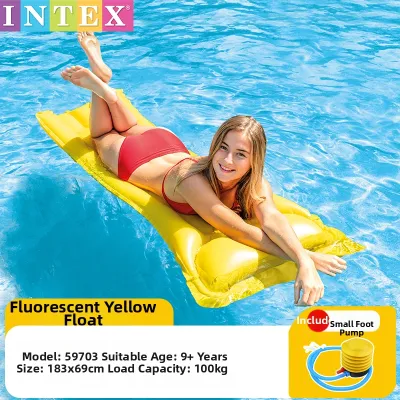
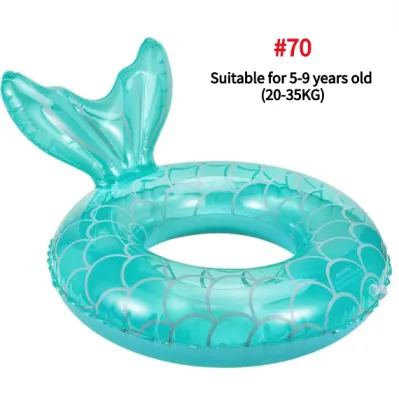
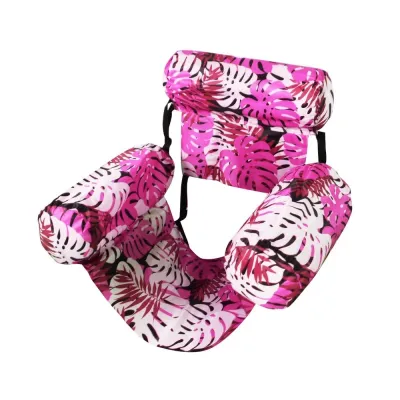
Prices are valid at publication and may change. Please refer to the product page for the latest price.
The physical pool environment is another critical factor to consider. In a compact backyard pool or a crowded resort in the Philippines, a massive multi-person lounge mattress will quickly crowd the water and limit movement for others. Smaller, highly maneuverable floaters like classic swim rings or flexible foam noodles are far more practical for tight spaces. Save the expansive, multi-chamber loungers for wide-open resort pools or calm lake waters where space is not a constraint.
Match Your Needs to the Right Pool Floater Type
Selecting the right pool floater is a matter of matching your primary water activity to the correct structural design. Different shapes distribute buoyancy across your body in distinct ways, directly affecting how high you sit in the water and how much effort is required to stay balanced. Understanding these core design differences ensures you do not end up struggling to balance on a device meant for pure relaxation, or sinking on a tool designed for active play.

Pool Rings and Tubes for Play and Basic Support
Pool rings and inflatable tubes are the classic choice for casual water play and light, upright support. Because they feature a hollow center, they allow you to sit upright with your arms and legs free to splash, paddle, or hold a beverage. This design provides excellent arm mobility, making it easy to participate in water games or converse with others without feeling restricted by a bulky mattress.
When selecting a pool ring, always check the manufacturer’s packaging for specific age and weight recommendations. A tube that is too large can allow a user to slip through the center hole, while one that is too small will ride up uncomfortably high on the torso, compromising stability. Look for models with reinforced inner seams to prevent skin chafing during active movement.
Keep in mind that while rings offer high mobility, they provide very little lower back or neck support. If you plan to spend hours drifting in the pool, the constant effort required to keep your head upright and your body balanced inside a tube can lead to muscle fatigue. For long-term comfort and passive resting, a dedicated lounger is a much more suitable option.
Pool Loungers and Mattresses for Relaxation
If your ultimate goal is passive resting, sunbathing, or reading a book while drifting, pool loungers and inflatable mattresses are the ideal choice. These floaters are designed to support your entire body horizontally, keeping you elevated above the water’s surface. Many models feature integrated headrests, armrests, and even built-in cup holders to maximize your comfort during long, warm afternoons.
To ensure a lounger remains comfortable and supportive, pay close attention to its valve type and inflation requirements. High-quality loungers often utilize wide-mouth valves that allow for rapid inflation and deflation, as well as one-way safety valves that prevent air from escaping if the cap pops open. Proper inflation is crucial; an under-inflated mattress will sag in the middle, causing water to pool around your lower back and defeating the purpose of a dry lounge experience.
However, the luxurious comfort of large loungers comes with storage and transport trade-offs. Multi-chamber mattresses can be incredibly bulky when fully inflated, making them difficult to carry from your home to the pool. If you frequently travel to local resorts or beaches, look for loungers that fold down compactly when deflated, or opt for models that feature a mesh bottom surrounded by an inflatable outer ring for easier packing.
Pool Noodles and Kickboards for Swimming Practice
For those focused on skill development, exercise, or active swimming practice, foam-based floaters like noodles and kickboards are indispensable tools. Unlike inflatable recreational toys, these items are designed to help you isolate specific movements. A classic kickboard allows you to rest your arms and upper body on a stable platform, forcing your legs to do all the work and helping you build lower-body strength and kicking efficiency.
When choosing a foam floater, inspect the material density and surface texture. High-density closed-cell foam is highly resistant to absorbing water, ensuring the floater retains its buoyancy over years of repetitive use. A textured surface provides a secure grip even when wet, preventing your hands from slipping off the board during intense kicking drills or water aerobics sessions.
It is vital to recognize that these training aids are designed solely for active skill-building and are not certified life-saving devices. They require active physical engagement to provide stability and will not keep an unconscious or exhausted swimmer afloat. Always use them as part of a structured training routine or under proper supervision, especially when working with young children or novice swimmers.
Check Safety, Size, and Material Specifications
Before purchasing any pool floater, conducting a thorough safety and material check is essential to ensure a reliable experience. Start by reading the manufacturer’s specifications printed on the packaging or the product label. Pay close attention to the maximum weight capacity and the recommended age range. Exceeding these limits can cause the floater to sink too low, tip over easily, or experience sudden seam failure under pressure.
Next, perform a careful visual and physical inspection of the product’s construction. Look closely at the seams; high-quality inflatable floaters feature wide, heat-sealed or high-frequency welded seams that resist splitting under the intense tropical heat. Feel the thickness of the vinyl or PVC material. Thicker materials, often measured in millimeters or gauge, offer superior resistance to punctures from rough pool edges, concrete decks, or stray twigs.
Always remember that recreational pool floaters are classified as toys and are never a substitute for certified personal flotation devices like life jackets. They do not provide the self-righting safety features required to keep a swimmer’s airway clear of the water in an emergency. Regardless of the floater’s size or stability, active adult supervision remains the single most important safety measure for any pool activity.
When to Replace or Upgrade Your Current Floater
Over time, exposure to pool chemicals, intense sunlight, and regular wear will degrade even the highest-quality pool floaters. It is important to recognize the physical indicators of failure before a floater collapses during use. Persistent air leaks that require you to re-inflate the device every few hours are a clear sign of structural compromise. Check for cracked vinyl around the valves and peeling seams, as these areas are highly prone to sudden tearing under pressure.
Your changing physical needs or swimming proficiency may also signal that it is time for an upgrade. A child who has outgrown a small swim ring will need a larger tube or a kickboard to match their increased weight and developing skills. Similarly, if you find yourself transitioning from active water play to quiet relaxation, upgrading from a simple noodle to a contoured lounger will provide the ergonomic support you now require.
Foam noodles and kickboards also have a limited lifespan and should be discarded when they show signs of deterioration. If a foam floater becomes deeply gouged, starts to feel heavy and waterlogged, or begins shedding small pieces of foam into the pool, it has reached the end of its usefulness. Waterlogged foam loses its buoyancy, while shedding particles can clog your pool’s filtration system, leading to costly maintenance issues.
Frequently Asked Questions (FAQ)
How do I properly clean and store an inflatable pool floater?
To extend the lifespan of your inflatable floater, always rinse it thoroughly with clean, fresh water after each use to remove chlorine, salt, and sunscreen residues. Allow the floater to air-dry completely in a shaded area before deflating and folding it, as trapping moisture inside the folds can lead to mold and mildew growth. Store the deflated floater in a cool, dry place away from direct sunlight, extreme heat, and sharp objects that could puncture the vinyl.
Can a pool floater be used as a life-saving device in deep water?
No, recreational pool floaters are not certified life-saving devices and should never be used as a substitute for life jackets or personal flotation devices. Inflatables can easily puncture, deflate, or flip over unexpectedly, leaving a non-swimmer stranded in deep water. For safety in deep or open water, always rely on approved life jackets and ensure that weak or non-swimmers are accompanied by active, close-proximity supervision.
Community discussion
Share your experience or ask a question. Comments are reviewed before publication.