
Choosing the right portable camping toilet—often referred to locally as a portable cr camping setup—depends entirely on where you plan to pitch your tent, how you are traveling, and how you intend to manage waste. In the tropical climate of the Philippines, high humidity and warm temperatures accelerate odor development and bacterial growth, making waste management a critical comfort and hygiene factor. A well-chosen system ensures you remain compliant with environmental guidelines while protecting local water sources and ecosystems.
To make an informed decision, you must balance the physical effort of transporting the unit against the level of comfort and sanitation it provides. Minimalist campers heading into remote mountain areas require lightweight, packable solutions, while families setting up basecamps at established beach resorts or lakeside campsites can prioritize larger, flushable systems. By evaluating your transport capacity, group size, and the specific rules of your destination, you can select a system that keeps your campsite clean, comfortable, and respectful of nature.
Assess Your Camping Style and Campsite Conditions
Before browsing online marketplaces or local outdoor shops, analyze the logistics of your typical camping trips. If you primarily engage in car camping, where your vehicle is parked directly next to your campsite, weight and physical dimensions are minor concerns. You can easily transport a heavier, rigid toilet system in the trunk of a car or the bed of a pickup truck, prioritizing home-like comfort and superior odor control. This setup is ideal for established campsites in places like Tanay, Laguna, or Batangas, where you can set up a dedicated shower or toilet tent right next to your vehicle.
Products mentioned in this guide

Prices are valid at publication and may change. Please refer to the product page for the latest price.
Conversely, if your adventures involve motorcycle touring, off-roading, or backpacking along remote trails, every gram and centimeter of packing space matters. A bulky plastic toilet is impractical on a motorcycle rack or inside a hiking pack. For these mobile styles, collapsible frames or simple bag-based systems are the only viable options, requiring you to sacrifice mechanical flushing for extreme packability. You must also consider how muddy trails or rough terrain might affect your ability to carry heavy gear, as a lighter pack reduces fatigue and safety risks on steep climbs.
You must also research the infrastructure of your destination. Some private campsites in popular spots offer designated waste disposal facilities or septic access, while public beaches and wild mountain trails have no amenities at all. If there are no dump stations, you must be prepared to carry all waste back home or use biodegradable systems that comply with local forestry rules. Never assume a campsite has waste facilities; always contact the site coordinator or local tourism office beforehand to verify their waste disposal policies.
Finally, calculate your group size and the duration of your stay to determine the required capacity. A single camper on an overnight trip has vastly different sanitation needs than a family of four spending a long weekend off-grid. Underestimating your capacity needs leads to premature overflows or the unpleasant task of emptying a full waste tank in the middle of your vacation. A larger group will always benefit from a system with a higher capacity or a faster, more straightforward emptying process to maintain hygiene standards.
Types of Portable Camping Toilets and Their Trade-offs
Portable toilets generally fall into three distinct categories, each offering a different balance of comfort, cost, and maintenance. Prices range from under ₱1,000 for basic collapsible frames to over ₱8,000 for advanced self-contained flushing units. Understanding these categories allows you to match the structural design of the toilet to your physical tolerance for waste handling and your budget.

Foldable and Bag-Based Systems
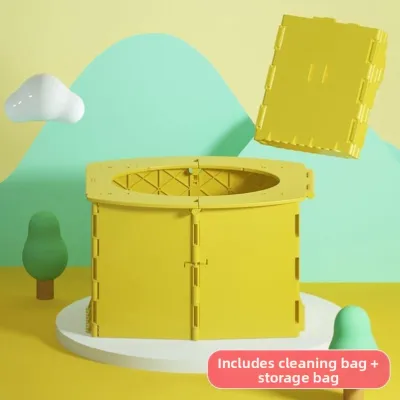
Foldable systems consist of a collapsible metal or plastic frame that supports a toilet seat, beneath which you secure a disposable waste bag. Many of these systems utilize specialized absorbent powders or gelling agents inside the bag to solidify liquid waste and suppress immediate odors. They represent an affordable entry point into portable sanitation, with basic models starting at very accessible price points.
The primary advantage of a foldable toilet is its minimal footprint. When collapsed, these units slide easily under car seats, into storage bins, or onto motorcycle racks. They require no water to operate, making them highly efficient for water-scarce environments or beach camping where freshwater is limited.
However, bag-based systems offer minimal odor containment once the seat lid is opened, as there is no physical barrier between the waste and the user. You must also strictly adhere to Leave No Trace principles, which means packing out every single used bag in a secure, puncture-proof container if local regulations prohibit burying waste. This requires a high level of discipline and preparation to ensure no bags are left behind to litter the environment.
Bucket and Flushable Cassette Toilets
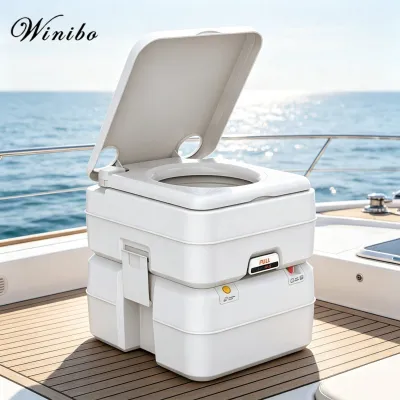
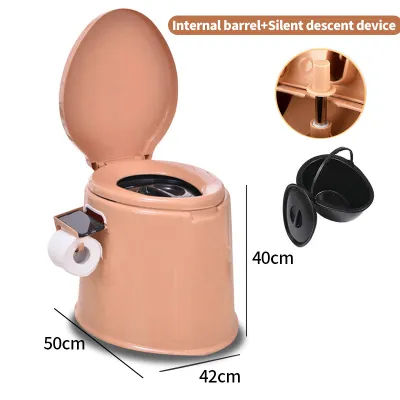
Bucket toilets are simple, rigid containers fitted with a snap-on toilet seat and lid, often lined with a plastic bag. Flushable cassette toilets are more sophisticated, featuring a two-part design: an upper freshwater tank with a manual pump for flushing, and a lower, sealed waste holding tank. These systems provide a highly familiar, hygienic experience that closely mimics a residential bathroom, making them a popular choice for glamping and family trips.
The main benefit of a cassette toilet is its superior odor control. A sliding gate valve seals the lower tank completely when not in use, preventing gases and liquids from escaping, even during transport over bumpy provincial roads. The rigid plastic construction also supports higher weight capacities, offering excellent stability on uneven ground.
The trade-off is substantial bulk and weight. A fully loaded waste tank can weigh upwards of 15 to 20 kilograms, making it difficult to carry over long distances from your campsite to a vehicle. Additionally, you must have access to a proper toilet facility, septic tank, or designated RV dump station to empty the cassette safely and legally, as dumping raw sewage in public waterways or open land is strictly prohibited.
Composting and Dry Separation Toilets
Composting and dry separation toilets are advanced systems designed to separate liquid waste from solid waste. By keeping liquids and solids apart, these toilets prevent the anaerobic bacterial reactions that cause severe odors. Solid waste is directed into a chamber containing a dry bulking agent, such as locally sourced coco coir or sawdust, which kickstarts the natural decomposition process.
These eco-friendly systems require absolutely no water and very few chemical additives, making them excellent for long-term off-grid setups or semi-permanent campsites. The resulting dry waste is much easier and less offensive to handle compared to the liquid slurry of a cassette toilet, and it can eventually be disposed of safely in accordance with local agricultural guidelines.
The limitations of composting toilets include a high initial purchase price, often reaching tens of thousands of pesos, and a significantly larger physical footprint. They also require a clear understanding of the separation process, as accidental mixing of liquids and solids in the dry chamber will quickly result in severe odor issues. This learning curve makes them less suitable for casual weekend campers and better for dedicated overlanders.
Key Specifications to Verify Before Purchase
When shopping for a portable cr camping unit on online marketplaces or in local outdoor retail stores, you must verify several physical specifications to ensure the product is safe, durable, and compatible with your needs.
First, examine the weight capacity and physical dimensions. Standard portable toilets typically support weights ranging from 100 to 150 kilograms, but cheaper, unbranded models may have flimsy plastic walls that buckle under pressure. Check the seated height as well; low-profile models (around 30 centimeters high) are highly packable but can be uncomfortable for adults with knee issues, whereas taller models (40 centimeters or higher) offer a more natural seating position. Ensure the base is wide enough to prevent tipping on soft sand or muddy soil.
Second, match the waste tank capacity to your trip length. For cassette toilets, waste tanks generally range from 10 to 20 liters. As a general rule of thumb, a 10-liter tank is sufficient for approximately 20 to 25 uses, which typically lasts two adults about two to three days. If you are camping with a larger group or planning a week-long trip, a 20-liter tank is highly recommended to minimize the frequency of emptying trips. Remember that a larger tank is significantly heavier when full, so consider who will be responsible for carrying and emptying it.
Third, inspect the material and build quality. The tropical sun and high humidity in the Philippines can degrade cheap plastics rapidly, leading to cracks and leaks. Look for high-density polyethylene (HDPE) or ABS plastics that are UV-resistant. Ensure that all latches connecting the upper and lower tanks are made of heavy-duty, corrosion-resistant materials that will not rust when exposed to salty coastal air or rain.
Fourth, scrutinize the valve and seal mechanisms. A high-quality cassette toilet must feature a double-sealed drain valve with durable rubber gaskets. Before your first trip, perform a leak test at home using clean water to verify that the seals are completely airtight and watertight. This simple check prevents catastrophic spills inside your vehicle during transit.
Additionally, look for user-friendly discharge features. Many premium cassette toilets include a rotating pour spout and a pressure-release button. These features allow you to empty the waste tank smoothly without splashing, which is a critical factor in maintaining personal hygiene and comfort during the cleanout process.
Waste Disposal and Hygiene Maintenance
Proper waste disposal is a fundamental responsibility of every camper to protect the beautiful natural landscapes of the Philippines. Improperly discarded human waste contaminates local water tables, ruins campsites for future visitors, and spreads harmful pathogens.
When camping in wild or unregulated areas where no toilets exist, you must follow strict Leave No Trace guidelines. If burying waste is permitted by local forestry authorities, dig a “cathole” at least 15 to 20 centimeters deep, located at least 60 meters (about 70 adult steps) away from any water sources, trails, and campsites. For bag-based systems, you must pack out all waste bags in a dedicated, heavy-duty trash container and dispose of them in municipal waste facilities once you return to town. Never leave plastic bags buried in the wild, even if they are labeled as biodegradable, as they do not decompose quickly enough in natural soil conditions.
Maintaining hygiene at your campsite requires a dedicated kit of accessories. Always pack biodegradable toilet paper, which breaks down much faster than standard household rolls. Use enzymatic or biological tank treatments in your cassette toilet to liquefy waste and neutralize odors without relying on harsh chemicals like formaldehyde, which can damage septic systems and harm local wildlife. Keep a reliable hand sanitizer dispenser mounted or placed directly next to your toilet setup to ensure proper hand hygiene after every use.
Once you return home, immediate and thorough maintenance is required to preserve the lifespan of your equipment. Empty the waste tank completely into a residential toilet or sewer cleanout. Rinse the interior of the tank multiple times with clean water and a mild, non-abrasive detergent. Allow all components to air-dry completely in a shaded, well-ventilated area before assembly; storing a damp toilet will lead to mold growth and the premature degradation of rubber seals and gaskets. Apply a thin layer of silicone lubricant to the rubber seals annually to keep them pliable and leak-free.
Frequently Asked Questions (FAQ)
Can I use regular toilet paper in a portable camping toilet?
You should avoid using standard household toilet paper in flushable cassette toilets, as it does not dissolve quickly and can easily clog the sliding gate valves and emptying spouts. Instead, opt for rapid-dissolve marine or RV-grade toilet paper, which breaks down rapidly when exposed to water and tank chemicals. If you must use regular toilet paper, or if you are using a bag-based system, place the used paper in a separate, sealable disposal bag rather than throwing it directly into the toilet tank.
How do I prevent odors in a portable toilet during a multi-day trip?
To minimize odors during hot and humid multi-day trips, always keep the waste tank valve closed tightly when the toilet is not in use. Add an appropriate amount of eco-friendly enzymatic tank treatment to the waste holding tank before your first use, along with a small amount of water to activate it. Keep the toilet unit shaded from direct sunlight, as high heat accelerates waste decomposition and gas buildup, and ensure the campsite setup has adequate ventilation, such as placing the toilet inside a dedicated mesh-ventilated utility tent.
Community discussion
Share your experience or ask a question. Comments are reviewed before publication.