
Building a home gym in the Philippines requires careful planning, especially when selecting a pull-up bar. The right choice depends heavily on your living situation—whether you rent a high-rise condo in Manila, live in a traditional concrete hollow block house, or have a spacious suburban home. You must balance your fitness goals with structural safety, space constraints, and the local tropical climate, which can accelerate rust and wear. By evaluating your home’s architecture and matching it to the correct equipment type, you can establish a safe, effective strength-training routine without damaging your property.
Assess Your Space and Structural Limits
Before browsing online marketplaces, you must inspect the physical boundaries of your workout area. Doorway, wall, and floor spaces all have unique structural limits that dictate which pull-up bar is safe to install.
Start by measuring your door frames. If you are considering a leverage-based doorway bar, measure the depth of the trim and the overall thickness of the wall. The top trim must project outward far enough to securely catch the bar’s plastic or metal lip. Additionally, check the material of the frame itself. Solid wood jambs can withstand significant pressure, whereas thin vinyl or hollow PVC frames may crack or warp under load.
Products mentioned in this guide
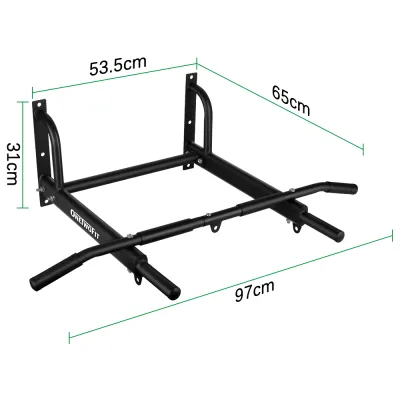
![[In Stock] N-Power Enhanced Edition Heavy Duty Pull Up Bar Wall Mounted Chin Up Bar for Home Gym Fitness Exercise](https://img.lazcdn.com/g/p/4df786dfdfcc2fa97d3b26a75cae54aa.jpg_400x400q80.jpg_.webp)
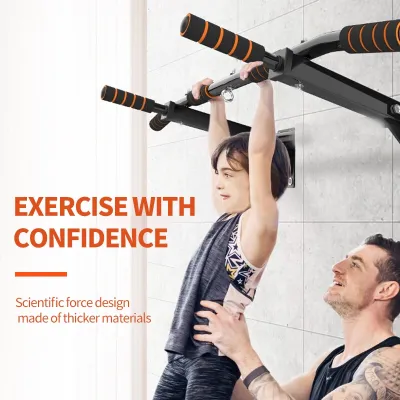
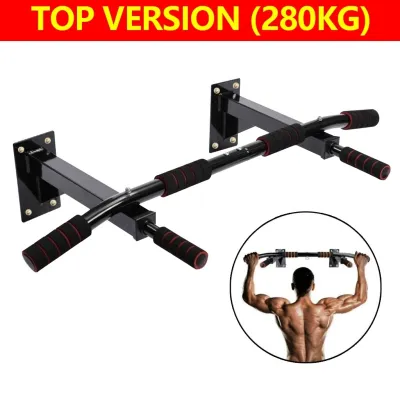
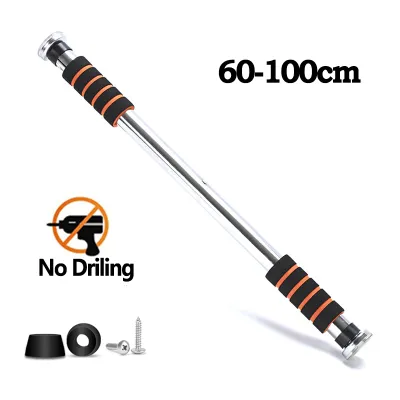
Prices are valid at publication and may change. Please refer to the product page for the latest price.
Next, evaluate your walls. Many residential structures in the Philippines utilize concrete hollow blocks for interior and exterior walls. While these walls feel solid, they are often hollow in the center, making standard expansion bolts unsafe for heavy-duty wall-mounted bars. If you plan to drill, locate solid poured concrete columns or reinforced brick zones. Drywall and light fiber-cement boards are entirely unsuitable for supporting a wall-mounted pull-up bar without extensive structural reinforcement behind the wall.
Finally, look upward. Measure your ceiling height and ensure there is enough clearance for your head to clear the bar at the top of a repetition. A common mistake is installing a bar too close to a ceiling fan or light fixture. Ensure you have at least 30 to 50 centimeters of clear space above the bar, and verify that your legs will not hit furniture or walls during dynamic movements.
Compare Pull-Up Bar Types for Home Use
Selecting the right pull-up bar requires understanding how different designs interact with your home. Each category offers distinct advantages in terms of stability, portability, and installation complexity.

Doorway Pull-Up Bars
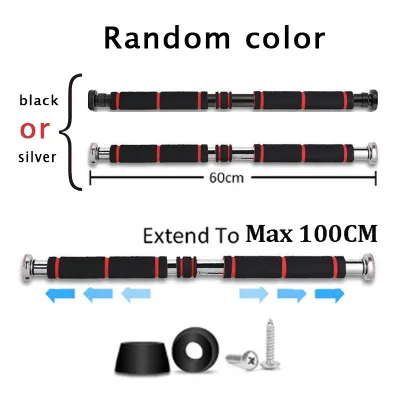
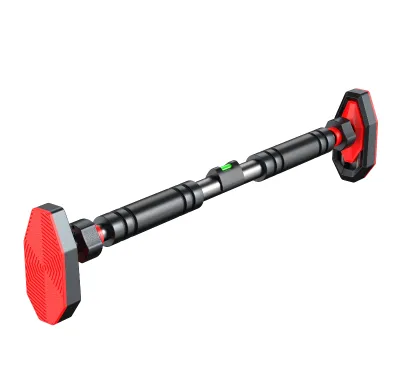
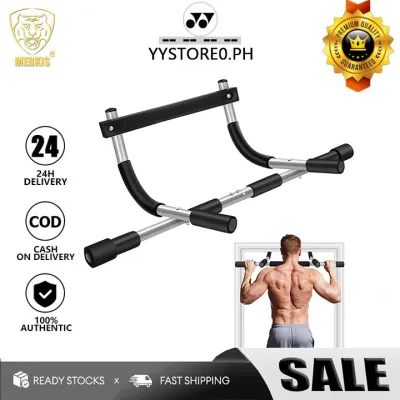
Doorway pull-up bars are highly popular for their convenience and lack of permanent installation. They generally fall into two categories: telescopic tension bars that press against the inner door jambs, and leverage-based bars that hook over the top trim.
Before purchasing, check the manufacturer’s specifications for the minimum and maximum door frame width. Standard doorways in local apartments often range from 60 to 90 centimeters, but older homes may have non-standard dimensions. Ensure the bar you select is adjustable within your exact measurements.
Consider the daily traffic flow of your household. A leverage bar can be taken down in seconds, allowing the door to close fully when not in use. However, if you leave it mounted, it may obstruct taller family members or prevent the door from shutting. If you choose a tension bar, verify that the end caps feature high-density, non-marking rubber or foam. This padding prevents the bar from scratching painted wood or leaving dark smudges on white door frames.
Wall-Mounted and Ceiling-Mounted Bars
For those with dedicated workout spaces, permanently fixed bars offer unmatched stability and a higher weight capacity. These units are bolted directly into the wall or ceiling, providing a rigid platform for advanced movements.
Before drilling, confirm that your target wall is made of solid masonry or reinforced concrete. Standard expansion bolts rely on the friction created against solid material; installing them into hollow blocks can lead to sudden failure. If you are renting a condo or house, review your lease agreement carefully. Most landlords prohibit drilling large holes into structural concrete, which may rule out this option entirely.
When choosing a fixed bar, compare multi-grip designs with simple straight bars. Multi-grip models feature angled and parallel handles, allowing you to target different muscle groups. However, they also protrude further into the room. Ensure you have sufficient lateral clearance on both sides of the bar so your elbows do not strike adjacent walls during wide-grip pull-ups.
Freestanding Pull-Up Stations
If drilling is prohibited and your door frames are too weak, a freestanding pull-up station—often called a power tower—is an excellent alternative. These floor-standing units require no mounting and can be placed in any room with sufficient floor space.
Analyze the base footprint of the tower. A wider, longer base distributes weight more evenly and prevents the station from tipping or rocking during dynamic movements. Check the overall weight of the unit; heavier steel frames offer better stability but are more difficult to move around the house.
Protecting your flooring is crucial, especially if you have ceramic tiles, polished hardwood, or vinyl planks. Always place an anti-slip rubber mat beneath the station’s feet. This mat absorbs vibrations, prevents the metal frame from scratching the floor, and stops the tower from sliding during intense workouts. Additionally, consider the extra versatility of these stations, which often include integrated dip bars, push-up handles, and vertical knee-raise stations, though you must weigh these benefits against the larger physical space they occupy.
Key Specs to Check Before Buying
Once you have decided on a category, you must evaluate specific product specifications to ensure safety, comfort, and longevity.
First, verify the maximum weight capacity. This specification must comfortably exceed your current body weight. If you plan to progress to weighted pull-ups using a dip belt or weighted vest, add that potential load to your calculations. Always look for products that state their weight capacity clearly on the packaging or user manual, and treat unrated, generic bars with caution.
Next, examine the grip diameter and texture. In the hot, humid climate of the Philippines, sweaty hands can easily lose grip on smooth steel. Foam-wrapped grips offer initial comfort and absorb sweat, but they can degrade, tear, and harbor bacteria over time in humid conditions. Knurled steel grips provide a highly secure, non-slip texture, though they can cause calluses. If you choose knurled steel, check the aggressiveness of the pattern to ensure it matches your hand sensitivity, or consider using workout gloves.
The spacing and alignment of the grips are also vital for joint health. Ensure the distance between the parallel or angled grips aligns naturally with your shoulder width. Grips that are too wide or too narrow can place excessive strain on your shoulders and elbows, increasing the risk of injury over time.
Finally, establish a realistic budget in Philippine Pesos (₱). While basic doorway bars can be found for under ₱1,000, heavy-duty wall mounts and power towers typically range from ₱3,000 to over ₱10,000. Balance the purchase price against the thickness of the steel gauge and the reputation of the manufacturer. Investing in a thicker steel frame with robust welds ensures long-term safety and durability, making it a wiser choice than opting for the cheapest available model.
Installation Safety and Maintenance Checks
Proper installation and regular maintenance are non-negotiable for any home fitness equipment. Taking the time to verify your setup prevents painful falls and costly structural damage.
Before performing your first full-body repetition, conduct a rigorous load test. Start by applying static weight: pull down on the bar with your hands while keeping your feet firmly on the floor, gradually transferring your weight. If the bar holds, perform a gentle hang with your feet slightly off the ground. Only progress to dynamic movements, such as active pull-ups, once you are certain the bar is completely stable.
Establish a routine maintenance schedule. High humidity levels in tropical environments can accelerate rust, especially on steel joints and welds. Inspect your pull-up bar every few weeks for any signs of orange discoloration, paint flaking, or structural bending. Check all bolts and nuts to ensure they remain tightly fastened, as vibrations from daily use can gradually loosen them. If your bar uses foam pads, inspect them for dry rot or tearing, and replace them if they no longer protect your door frame or hands.
Be vigilant for immediate stop conditions. If you hear unusual creaking, notice hairline cracks forming in the surrounding plaster, or observe any shifting of the frame during use, stop exercising immediately. Do not attempt to use the bar again until you have identified and resolved the issue.
If you encounter any difficulties or doubts during the installation process—especially when drilling into concrete walls—do not hesitate to consult a qualified local contractor. A professional can verify the structural integrity of your wall and ensure the mounting hardware is installed safely and securely.
Frequently Asked Questions (FAQ)
Can I install a pull-up bar on a hollow block wall?
Installing a heavy-duty pull-up bar directly onto a standard concrete hollow block wall using basic expansion bolts is highly risky. Because the interior of these blocks is empty, expansion sleeves cannot grip the material securely, which can cause the bolts to pull out suddenly under dynamic loads.
If you must use a hollow block wall, you will need specialized mounting solutions. These include heavy-duty toggle bolts designed for hollow spaces, or chemical anchors that inject epoxy resin into the cavity to create a solid anchor point. Alternatively, mounting a thick wooden backer board to multiple points on the wall can help distribute the load.
Always consult the pull-up bar manufacturer’s installation manual to see if hollow block mounting is supported. If you are unsure of your wall’s load-bearing capacity, consulting a local structural professional or contractor is the safest way to prevent structural damage.
Do doorway pull-up bars damage the door frame?
Doorway pull-up bars can cause cosmetic or structural damage if they are installed incorrectly or used on unsuitable frames. Leverage-based bars distribute weight across the top trim and the sides of the frame, which can lead to wood splintering, paint chipping, or drywall indentation if the pressure is uneven.
To prevent damage, ensure the bar’s foam or rubber pads are fully intact and positioned correctly against the flat surfaces of the frame. Avoid using these bars on old, rotted wood or frames with loose trim. Keep the bar perfectly horizontal during installation to ensure the weight is distributed evenly across both sides.
Additionally, avoid installing pull-up bars on hollow-core interior doors or thin PVC frames. These materials lack the structural density required to support human weight and are highly likely to crack or collapse under pressure.
Community discussion
Share your experience or ask a question. Comments are reviewed before publication.