
Selecting the right utility gear for tropical mountaineering requires balancing convenience with absolute safety. In the humid, rugged terrain of the Philippines, a quick-detach or qd sling serves as an invaluable utility tether, allowing climbers to secure, carry, and rapidly deploy essential gear like cameras, GPS units, water bottles, and trekking poles. However, choosing the wrong configuration or misusing this equipment on steep, muddy slopes can lead to damaged gear or, worse, catastrophic safety failures.
To navigate the diverse microclimates of Philippine peaks—ranging from the muddy, mossy forests of Mt. Dulang-Dulang to the exposed, volcanic scree of Mt. Kanlaon—you must understand the exact specifications that govern utility slings. This guide details how to evaluate materials, configurations, and mechanical designs to find a reliable utility sling that withstands tropical conditions while keeping your gear secure.
Understanding QD Slings and Critical Mountaineering Safety Boundaries
In outdoor adventures, a qd sling is defined as a utility strap equipped with a quick-release mechanism—such as a magnetic lock, a mechanical side-release buckle, or a push-button swivel. These tethers are designed specifically for rapid access, allowing you to detach a camera for a quick summit photo or unclip a water bottle without removing your entire backpack. They streamline gear management on narrow, technical trails where stopping to unpack is inconvenient or hazardous.
Products mentioned in this guide
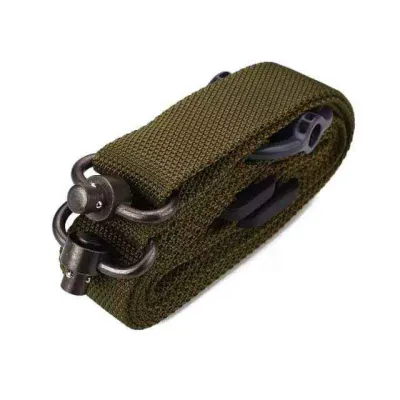
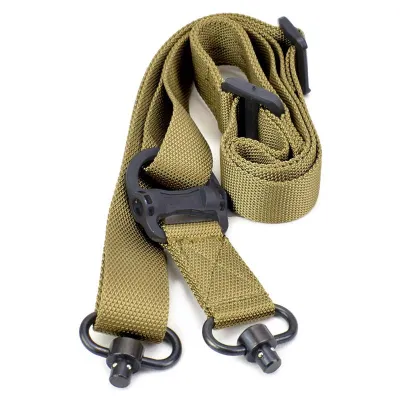
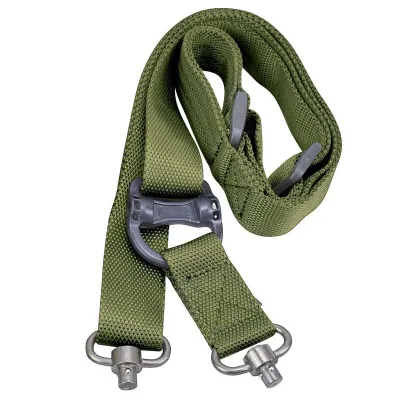
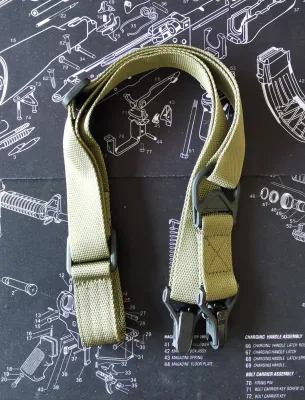
Prices are valid at publication and may change. Please refer to the product page for the latest price.
However, a strict and non-negotiable safety boundary must be established: utility quick-detach slings are exclusively designed for non-load-bearing gear. They must never, under any circumstances, be used for life support, fall protection, anchoring, or as a Personal Anchor System (PAS). Quick-release mechanisms are not engineered to withstand the extreme dynamic forces generated during a fall, and misusing them in a safety-critical application carries a high risk of severe injury or fatality.
From a mechanical perspective, quick-release connectors are highly vulnerable to accidental disengagement and structural failure under sudden shock loads. Brushing against jagged rocks, dense rattan, or thick tropical vegetation can easily catch on a release button or buckle, causing the sling to open unexpectedly. Furthermore, these utility tethers do not carry the rigorous UIAA (Union Internationale des Associations d’Alpinisme) or CE safety certifications required for climbing protection equipment.
To ensure safety on the mountain, you must maintain a clear distinction between a standard climbing sling and a utility quick-detach sling. A standard climbing sling is a continuous, high-strength loop of sewn webbing designed to interface with rated carabiners and traditional protection to hold human weight. A quick-detach sling is a convenience accessory meant solely to manage lightweight gear. Equipment cannot replace proper training, sound mountaineering judgment, and strict adherence to safety protocols.
Before heading to the trail, always check the manufacturer instructions for both your utility sling and the gear you intend to attach. If the load limits, attachment methods, or intended use cases are unclear, do not use the sling for that specific application. Knowing the physical limits of your gear is the first step toward a safe and successful climb.
Selecting Weather-Resistant Materials for Philippine Mountains
Philippine mountains present some of the most demanding environmental challenges in the world, characterized by relentless humidity, sudden tropical downpours, and abrasive volcanic soils. The webbing material of your utility sling dictates how well it handles these wet and abrasive conditions over multi-day treks.

Ultra-High-Molecular-Weight Polyethylene (UHMWPE), commonly known by brand names like Dyneema or Spectra, is the gold standard for high-performance utility webbing. UHMWPE is highly hydrophobic, meaning it absorbs virtually no water, allowing the sling to remain lightweight and dry even during a heavy monsoon rain. Additionally, its exceptional strength-to-weight ratio and superior cut resistance protect the sling from fraying when scraped against sharp limestone or dense, thorny brush.
When choosing between nylon and polyester webbing, polyester is generally the superior choice for tropical climates. Nylon is highly hygroscopic, absorbing up to eight percent of its weight in water; this causes the webbing to stretch, sag, become heavy, and lose a portion of its tensile strength when wet. Polyester, on the other hand, resists water absorption, maintains its structural tension, and offers significantly better resistance to degradation from intense tropical UV rays.
Hardware materials are equally critical, as cheap metals will quickly degrade when exposed to sweat, rain, and coastal salt air. Look for quick-detach buckles, swivels, and clips constructed from 316 marine-grade stainless steel or high-grade, hard-anodized aluminum. These materials form a protective oxide layer that resists rust and galvanic corrosion, ensuring the moving parts of your connectors remain functional throughout the lifespan of the sling.
Avoid utility slings that utilize standard carbon steel, low-grade iron alloys, or cheap zinc castings. These metals rust rapidly when exposed to the high humidity of tropical cloud forests, leading to seized springs, jammed gates, and structural failures. If a connector begins to show red rust or white powdery oxidation, it should be retired immediately to prevent a sudden gear drop.
Finally, consider how the quick-release mechanism itself interacts with the environment. While magnetic buckles offer exceptionally fast, one-handed operation, they can attract fine, iron-rich volcanic sands found on peaks like Mt. Pinatubo. Mechanical side-release buckles made of high-density polymers are highly resilient, but they must feature open channels that allow mud, grit, and organic debris to flush out easily rather than trapping particles inside the locking chamber.
Matching Sling Configurations to Your Gear and Climbing Style
Your choice of sling configuration should align directly with the specific gear you carry, your physical build, and the technical level of your climb. A poorly fitted sling can cause gear to bounce erratically, throwing off your balance on narrow ridges or steep scrambles.
For camera carrying, a dedicated cross-body quick-detach camera sling is highly effective. Look for models featuring integrated shoulder padding to distribute weight comfortably during long approach treks, along with rapid-adjust gliders that let you pull the camera tight against your torso when scrambling. Keeping your camera locked close to your center of gravity prevents it from swinging into rocks or interfering with your handholds on vertical sections.
Tool and trekking pole tethers require a completely different design approach, focusing on minimalism and snag prevention. These tethers should be relatively short—just long enough to allow a full range of motion—to prevent the webbing from catching on low-hanging branches or trailside vegetation. Integrating a high-quality mechanical swivel at the connection point is essential, as it allows the tool to rotate freely without twisting, binding, or kinking the strap.
Hydration and water bottle slings must prioritize absolute security and wet-weather functionality. Because water is heavy, the sling must grip the container tightly to prevent it from slipping out during steep descents. Ensure the bottom of the bottle sleeve or sling pocket features a dedicated drainage grommet or mesh panel; without proper drainage, tropical rain will quickly pool inside, adding unnecessary weight and encouraging mold growth.
When evaluating attachment points, you must choose between loop-to-loop girth hitches, auxiliary carabiner clips, and direct bolt-on QD sockets. Girth hitches are lightweight and silent but semi-permanent, while carabiners offer fast attachment to backpack D-rings at the expense of added weight and potential noise. Direct bolt-on sockets, often used for heavy cameras, provide an incredibly secure connection but require you to verify that the threads match your gear perfectly.
Before purchasing any utility sling, conduct a thorough compatibility check with your existing backpack, climbing harness, and accessory pouches. Verify that your backpack’s shoulder straps or hip belt have appropriate attachment loops that can support the weight of your tethered gear. A high-quality sling is only as reliable as the anchor point to which it is secured.
Recommended QD Sling Types for Outdoor Adventures
To simplify your selection process, utility quick-detach slings can be grouped into three primary design categories, each suited to specific equipment and trail scenarios.
Type 1: Magnetic Quick-Release Camera Slings
These slings are engineered specifically for trail photographers who need to transition from hiking to shooting in seconds. They utilize high-strength magnetic-mechanical hybrid locks that require a specific, intentional direction of pull to release, preventing accidental drops if the buckle is bumped. These systems typically feature low-profile anchor links that attach directly to the camera’s eyelets, allowing you to quickly swap the camera between a neck strap, a wrist strap, or a backpack mount.
Type 2: Heavy-Duty Gear Tethers with Swivel QD
Designed for securing heavier tools such as trekking poles, helmets, or camp tools, these tethers prioritize rugged durability over rapid speed. They generally feature thick, abrasion-resistant UHMWPE or polyester tubular webbing coupled with heavy-duty push-button swivels or locking carabiners. The 360-degree rotating swivel is the defining feature here, ensuring that as you plant and lift your trekking poles, the tethers do not wind up and constrict your wrists.
Type 3: Modular MOLLE/PALS QD Adapters
These compact adapters are designed to integrate directly with the modular webbing on modern outdoor backpacks. Utilizing rigid, impact-resistant polymer clips or heavy-duty snap shackles, they allow you to mount GPS units, rangefinders, or small utility pouches directly to your chest straps for instant access. Because they use high-grade composite polymers, they are completely immune to rust and are highly resistant to mud clogging, making them exceptionally reliable for wet jungle trekking.
Pre-Purchase Verification Checklist
Before finalizing your purchase of any utility sling, run through this practical checklist to ensure the product is safe and suitable for your specific climbing needs:
- Check the Weight Limit: Verify the manufacturer's official load rating; typical utility tethers are rated for 5 kg to 15 kg, which is more than adequate for cameras and tools, but far below safety-critical limits.
- Verify Webbing Material: Ensure the strap is made of polyester or UHMWPE rather than standard nylon if you expect frequent rain or high humidity.
- Inspect the Hardware: Confirm that all metal components are explicitly labeled as hard-anodized aluminum or marine-grade stainless steel.
- Test the Release Action: Opt for dual-action or shielded release mechanisms that cannot be accidentally triggered by a direct impact from a rock or branch.
- Confirm Utility Marketing: Double-check that the product packaging and marketing materials explicitly state the item is for utility use only and is not rated for climbing protection.
In terms of pricing, utility tethers generally fall into distinct tiers. Simple, budget-friendly gear tethers typically cost under ₱500, while mid-range modular adapters and specialized tool tethers range from ₱1,000 to ₱2,500. Premium, highly engineered camera sling systems featuring advanced weatherproofing and quick-adjust hardware can cost upwards of ₱4,000.
Post-Climb Maintenance for High-Humidity Environments
Proper post-climb care is essential to protect your investment and ensure your utility sling performs reliably on your next adventure. The combination of acidic sweat, sticky mud, and volcanic dust can quickly degrade both synthetic fibers and precision metal hardware if left uncleaned.
Immediately after returning from a climb, rinse the entire sling thoroughly in lukewarm, fresh water to flush away mud, grit, and salt deposits. For stubborn dirt, use a soft-bristled brush to gently scrub the webbing and the inside of the quick-release mechanisms. Never use harsh chemical detergents, bleach, or fabric softeners, as these chemicals can strip protective coatings, weaken synthetic fibers, and degrade performance.
Once washed, the sling must be dried correctly to prevent mold, mildew, and structural degradation. Hang the sling to air-dry completely in a shaded, well-ventilated indoor area or a covered outdoor space. Avoid exposing the wet sling to direct, intense sunlight, as UV radiation can prematurely age synthetic webbing. Never use high-heat sources such as hair dryers, clothes dryers, or stoves, which can melt or warp synthetic fibers and damage internal springs.
For the mechanical components, ensure the locking channels and spring cavities are completely free of debris. If the quick-release mechanism feels gritty or stiff after washing, check the manufacturer’s care instructions regarding lubrication. If permitted, apply a single drop of a dry, PTFE-based lubricant directly to the moving joints, wiping away any excess; avoid wet oils or WD-40, which act as magnets for trail dust and volcanic grit.
Finally, conduct a rigorous pre-climb inspection before packing your gear for your next trip. Examine the webbing closely under good lighting, looking for signs of fraying, fuzzy textures, cuts, or significant color fading caused by UV exposure. Test the quick-detach mechanism multiple times to ensure it snaps shut crisply and locks securely without sticking; if the lock fails to engage perfectly or shows structural cracks, retire the sling immediately.
Frequently Asked Questions (FAQ)
Can I use a QD sling as a personal anchor system (PAS) for climbing?
No, you must never use a quick-detach utility sling as a personal anchor system or for any life-support application. Quick-release mechanisms are designed solely for lightweight gear management and are not rated to withstand the extreme dynamic shock loads generated during a fall. Additionally, these buckles can easily disengage if they brush against rock faces or dense vegetation, presenting an immediate safety hazard. For personal anchoring, always use certified, UIAA-rated climbing slings, dynamic lanyards, or dedicated PAS systems connected directly to your climbing harness.
How do I prevent magnetic QD buckles from failing in muddy trails?
To prevent magnetic quick-detach buckles from failing on muddy trails, you must protect them from direct contact with thick mud and fine volcanic soils. Keep the buckle positioned high on your chest or shoulder strap where it is less likely to drag through the mud during steep scrambles. If the buckle does become contaminated, do not force the mechanism shut, as trapped grit can scratch the housing or prevent the locking pins from engaging. Flush the connector thoroughly with clean water at the earliest opportunity, and manually verify that the mechanical lock is fully engaged before trusting it with your gear.
Are Dyneema slings safe for all types of climbing gear?
While Dyneema (UHMWPE) is an exceptional material for utility tethers due to its high strength, low weight, and excellent water resistance, it has specific physical properties that require careful handling. Dyneema has a relatively low melting point compared to nylon and polyester, meaning it can be damaged by friction-generated heat if ropes or other webbings rub against it rapidly. Additionally, Dyneema fibers are extremely slick, which makes standard knots prone to slipping under tension. For utility gear configurations, always use manufacturer-sewn loops or secure mechanical hardware rather than attempting to tie custom knots in Dyneema webbing.
Community discussion
Share your experience or ask a question. Comments are reviewed before publication.