
Choosing the right rain cover size for your golf bag requires identifying your specific bag type, measuring its physical dimensions, and matching those figures to the manufacturer’s sizing specifications. A proper fit ensures your clubs and grips remain completely dry during sudden downpours while still allowing quick access to your gear. In tropical climates like the Philippines, where a sudden afternoon monsoon can catch you mid-round, a loose or poorly fitted cover can let moisture seep into your bag, ruining expensive grips and rusting club shafts. Conversely, a cover that is too tight can strain zippers, tear at the seams, and make pulling a club out a frustrating chore. To find the perfect balance, you must look beyond “one-size-fits-all” claims. By taking a few precise measurements and understanding how different bag designs interact with waterproof fabrics, you can confidently select a cover that stays secure through high winds and heavy rain.
Identify Your Golf Bag Type and Measure Its Dimensions
Start by classifying your current golf bag, as different styles have vastly different silhouettes. Stand bags feature integrated legs and a medium-sized top cuff, usually designed for carrying. Cart bags are bulkier, lack stand mechanisms, and feature wide, structured cuffs meant to sit flat on a golf cart or trolley. Sunday bags or pencil bags are ultra-lightweight, slim, and hold fewer clubs, requiring a much smaller cover volume.
To establish a baseline for sizing, grab a flexible measuring tape. First, measure the overall height of your bag from the very bottom of the base to the top of the cuff. Next, measure the width at the widest point, which is typically around the side apparel pockets when they are fully packed with your usual gear.
Products mentioned in this guide
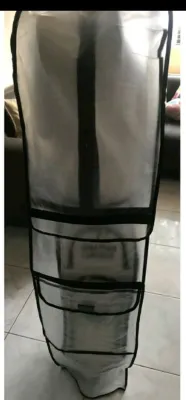
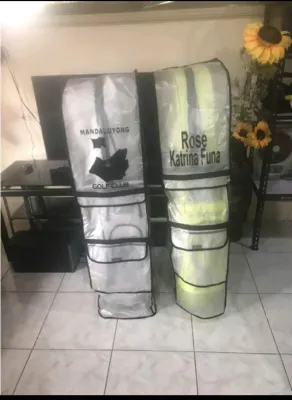
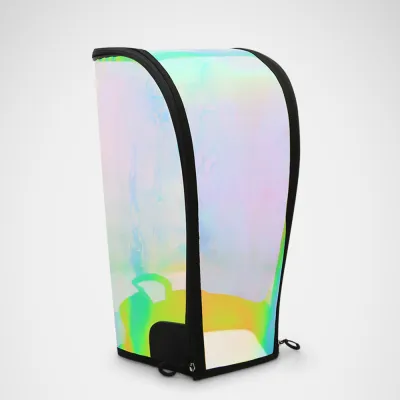
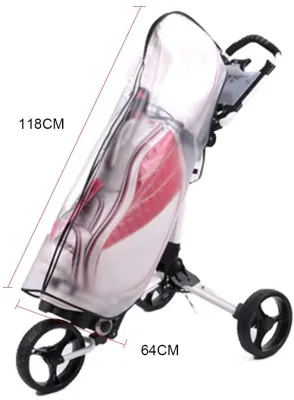
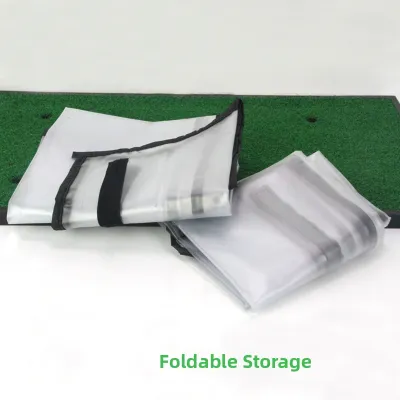
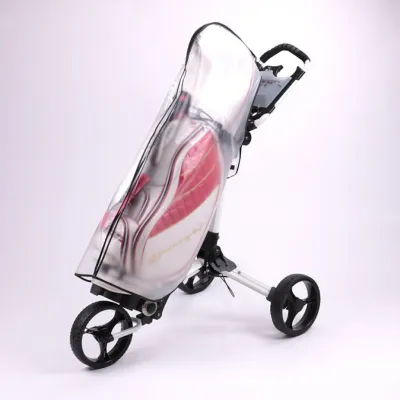
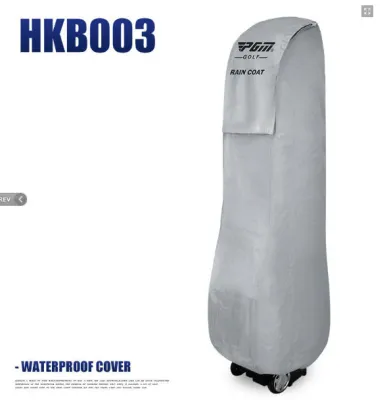
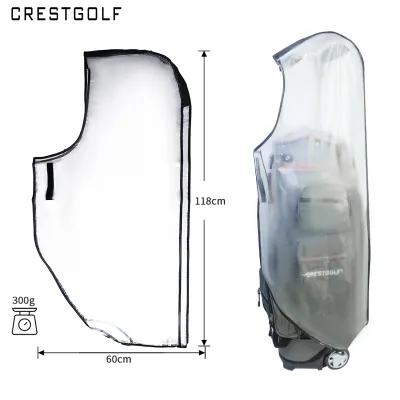
Prices are valid at publication and may change. Please refer to the product page for the latest price.
The most critical measurement is the diameter of the top opening where your clubs exit. Measure this across the widest part of the cuff, including any external putter wells or molded handles. This diameter determines how easily the cover’s collar will slip over the top of your bag.
Consider how the internal divider layout and top cuff design affect the overall volume. A bag with a 14-way divider often has a wider, more rigid top cuff than a 4-way or 5-way divider bag. This added structure prevents the bag from compressing, meaning you will need a cover with a more generous hood volume to accommodate the spread of your club heads.
Do not forget to account for your longest club, which is usually the driver. Measure the height from the bottom of the bag to the top of your driver head while it is resting in its slot. The rain cover must comfortably clear this height without putting downward pressure on the shaft or bending the club head.
Match the Rain Cover Size to Your Specific Bag Type
Once you have your measurements, compare them directly to manufacturer sizing charts. Most brands categorize their covers as small, medium, large, or universal, but these labels vary wildly between manufacturers. Always prioritize the actual physical dimensions listed in the sizing chart over generic size labels.

For compact stand bags, look for a cover designed specifically to accommodate the stand mechanism. A standard cart bag cover on a stand bag will often sag, leaving excess fabric that can get caught in the folding legs or drag on the wet grass. The cover should hug the bag’s contours closely while leaving enough room for the legs to deploy smoothly.
Bulkier cart bags require a dedicated cart-specific cover with a wider base and a larger hood. Attempting to stretch a lightweight stand bag cover over a large cart bag will strain the fabric, stress the zippers, and likely leave the bottom sections of your bag exposed to splashing water from the cart wheels.
The primary job of the cover is to keep your club heads and grips completely dry, but this must not come at the cost of accessibility. A well-matched cover provides a spacious hood area where club heads can sit naturally without being bunched together. This space allows you to slide your hand in, select a club, and pull it out without fighting tight fabric.
Pay close attention to how the cover tapers. A cover that tapers too sharply near the top will compress your clubs, causing the grips to rub against each other. In high-humidity environments, trapped moisture between compressed grips can lead to slipping and premature wear, making a spacious hood fit essential.
Verify Attachment Features and Bag Compatibility
A rain cover is only as good as its ability to stay attached during a windy storm. Evaluate the attachment mechanisms used to secure the cover to your bag. Elastic hems and drawstrings offer a quick, snug fit around the collar, but they can slip if the bag’s material is particularly slick.
For more secure fastening, look for covers that utilize adjustable hook-and-loop straps or heavy-duty snap clips. These fasteners wrap around the bag’s towel rings, accessory loops, or structural handle, ensuring the cover remains anchored even when facing strong gusts on an open fairway.
Consider how the cover is stored when the sun comes out. Many high-quality options feature integrated storage pouches that double as a tethering system. This allows you to keep the empty pouch clipped to your bag’s exterior, ensuring you never lose the cover and can deploy it within seconds when a sudden shower begins.
Verify that the cover’s design does not block access to essential bag features. For instance, if you use a stand bag, the cover must have specific cutouts or flexible panels that allow the stand legs to extend fully without tearing the fabric.
Similarly, check if the cover blocks access to your bag’s primary pockets, such as the ball pocket, valuables pocket, or cooler pocket. The best designs feature strategically placed zippered flaps or pass-through openings, allowing you to grab a fresh ball or a drink without having to unfasten or remove the entire rain cover.
Evaluate Material and Weather Protection Specifications
The material of your rain cover determines how well it resists water penetration over hours of exposure. Common fabrics include nylon and polyester, often reinforced with a polyurethane or polyvinyl chloride backing. While polyvinyl chloride is highly waterproof, it tends to be stiff and heavy; polyurethane-coated nylon offers a more flexible, lightweight alternative.
Do not rely solely on the fabric name; check the manufacturer specifications for taped or sealed seams. Water is highly opportunistic and will easily seep through the tiny needle holes created during the stitching process. Taped seams feature a waterproof tape applied under heat over the stitching, creating a reliable barrier against leaks.
Look for explicit waterproof ratings, often measured in millimeters. A higher rating indicates greater resistance to water pressure. If a rating is not provided, look for terms like durable water repellent coating, which causes water to bead up and roll off the surface rather than soaking into the fibers.
In tropical climates, high humidity means gear can stay damp for a long time. Choose a material that is not only waterproof but also quick-drying to prevent mold growth. Lightweight, packable fabrics are ideal because they fold down into a compact size, fitting easily into your bag’s side pocket without adding unnecessary bulk.
When balancing your budget in Philippine Pesos (‑ or ₱), consider how often you play in wet conditions. If you are a casual weekend golfer who avoids heavy rain, a budget-friendly water-resistant cover may suffice. However, if you play competitive tournaments or frequent courses during the rainy season, investing in a premium, fully waterproof cover with sealed seams will save you money in the long run by protecting your expensive clubs and bag.
Install the Rain Cover and Test the Fit
Before heading out to the course, perform a trial installation at home to ensure a perfect fit. Start by organizing your clubs so that the tallest clubs, like your driver and fairway woods, are in the center or back of the bag, creating a natural peak for the cover to drape over.
Unfold the rain cover and locate the top hood section. Slip the hood over your club heads first, gently pulling the body of the cover down toward the top cuff of your golf bag. Align any zipper openings with the front of your bag so you can easily access your clubs later.
Secure the attachment points. Fasten the straps, clips, or hook-and-loop fasteners around the bag’s collar, handles, or accessory rings. If the cover features an elastic bottom hem, ensure it wraps completely under the lip of the top cuff to create a tight seal.
Perform a quick visual and physical inspection. Look for any gaps where water could pool or seep in, especially around the handle area or the stand legs. Give the cover a gentle tug to ensure it does not slide off or shift out of place when you move the bag.
Test the club access by unzipping the main opening and pulling out your longest club. If the club catches on the fabric or requires you to struggle, the cover is too tight. If you notice excessive sagging, loose flaps that could catch the wind, or restricted access to your bag’s pockets, consider adjusting the straps or exchanging the cover for a different size before your next round.
Frequently Asked Questions (FAQ)
Can I use a universal rain cover for any golf bag?
While many manufacturers market their covers as universal, these options are rarely a perfect fit for every bag type. A universal cover is typically designed to fit standard cart bags, meaning it will be excessively loose and bulky on a slim Sunday bag or a compact stand bag. This excess fabric can sag, catch on obstacles, or allow wind to lift the cover, exposing your clubs to the elements. Always check the specific dimensions and attachment compatibility of your bag before relying on a universal option.
How do I clean and store my golf bag rain cover?
To maintain the waterproof integrity of your cover, clean it using a soft cloth, lukewarm water, and a mild soap. Avoid harsh chemical detergents, fabric softeners, or machine washing, as these can strip away the durable water repellent coating and damage the taped seams. After cleaning, or after a rainy round, hang the cover in a well-ventilated, shaded area to dry completely. Never store a damp cover in its pouch, as the trapped moisture will quickly lead to mold, mildew, and the degradation of the waterproof backing.
Community discussion
Share your experience or ask a question. Comments are reviewed before publication.