
Selecting the right referee flag is a critical decision that directly impacts the clarity of your signaling, your physical comfort on the pitch, and your overall professionalism as an official. Your officiating level dictates whether you need a basic, lightweight nylon flag or a heavy-duty, weighted polyester model with advanced tracking capabilities. For weekend grassroots games, a budget-friendly, highly visible solid flag is sufficient. For competitive local leagues and semi-pro tournaments, upgrading to textured grips and weighted fabrics ensures your signals remain clear, crisp, and visible even in harsh weather.
While a flag might seem like a simple piece of fabric on a stick, the subtle differences in material, weight distribution, and handle design become highly apparent over a grueling 90-minute match. Choosing the wrong equipment can lead to hand fatigue, wrapped flags that obscure vital calls, or rapid gear degradation under intense tropical sun and rain. By matching your gear to the specific demands of your matches, you can maintain control of the game and present a highly professional image to players, coaches, and spectators alike.
Quick Guide: Matching Flag Types to Officiating Levels
Every officiating tier presents unique challenges, from the quiet community pitch to the high-pressure stadium environment. Matching your referee flag to your specific tier ensures you do not overspend on unnecessary features while still securing the durability and performance required for your games.
Products mentioned in this guide
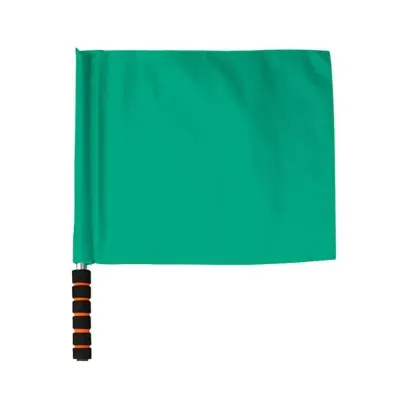
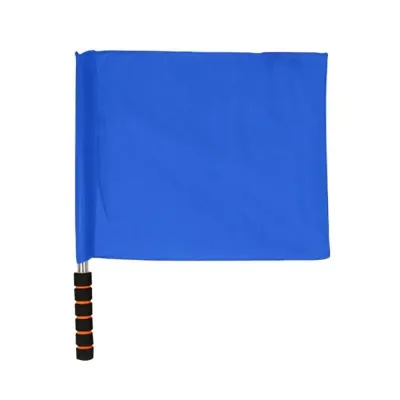
![[Fast Delivery] 2Pcs Referee Flag Sports Volleyball Linesman Referee Flag Stainless Steel Hand Signal Flag](https://img.lazcdn.com/g/p/6abfd6703fc09b2d81e84fc9e9d31e55.png_400x400q80.png_.webp)
Prices are valid at publication and may change. Please refer to the product page for the latest price.
- Grassroots and Youth Matches: At this entry level, games are typically played on smaller pitches with fewer spectators. The primary focus is basic visibility and cost-effectiveness. Lightweight, unweighted flags with simple foam handles are ideal here, offering a low-cost entry point for new officials or volunteers.
- Local Leagues and Amateur Tournaments: These matches demand higher durability and better performance. With faster play and more physical intensity, you need flags that can withstand frequent use and varied weather conditions. Medium-weight flags with textured rubber grips and weighted fabric bottoms prevent the flag from clinging to the shaft, ensuring your offside and boundary decisions are instantly recognizable.
- Competitive and Semi-Professional Matches: At the advanced level, precision and instant communication are non-negotiable. High-stakes environments require premium, perfectly balanced manual flags with advanced swivel mechanisms, or electronic signaling systems. These flags feature high-contrast checkered patterns designed to stand out against complex stadium backgrounds and moving crowds.
Choosing the correct setup is not just about aesthetics; it is a matter of signaling precision and physical endurance. A poorly balanced flag requires more wrist effort to snap and hold, which can lead to fatigue and delayed signals during a fast-paced match. Investing in the appropriate tier of equipment ensures your focus remains entirely on the game, allowing you to deliver sharp, decisive signals from the first whistle to the final whistle.
Key Features to Evaluate Before Buying
To make an informed purchase, you must look beyond the price tag and evaluate the specific physical and functional attributes of assistant referee flags. Understanding these technical details will help you select a durable set that performs reliably in your local officiating environment.

Handle Material and Grip
The handle is your direct connection to the flag, and its design determines how comfortable and secure your grip remains throughout a match. Foam handles are incredibly common because they are lightweight and soft, but they tend to absorb moisture. In hot, humid conditions, a sweat-soaked foam handle can become slippery, heavy, and prone to tearing over time.
Rubber handles offer a much more durable and slip-resistant alternative. They provide excellent traction even during sudden tropical downpours, though they do add slightly more weight to the overall setup. Hard plastic handles are the most durable and easiest to clean, but they lack cushioning and can easily slip out of a sweaty hand unless they feature deep contouring or a textured surface. For long-term comfort, look for ergonomically shaped handles that naturally fit the contours of your closed fist.
Flag Fabric and Visibility
The choice of fabric directly affects how the flag flies and how easily it can be seen from across the pitch. Nylon is a popular choice for entry-level flags because of its lightweight nature and bright color retention. However, lightweight nylon is highly susceptible to catching the wind, which can cause the fabric to wrap tightly around the handle and obscure your signal.
Polyester blends are heavier and stiffer, allowing them to hang gracefully and snap cleanly when raised. Polyester also tends to resist wrinkling and holds up better against UV degradation from intense sunlight.
When it comes to visibility, solid neon yellow and neon orange are excellent for open, uncomplicated fields. However, in larger venues or crowded community sports complexes, checkered patterns (typically red and yellow, or yellow and orange) provide a high-contrast visual break that immediately catches the center referee’s peripheral vision against a busy background of spectators and colorful jerseys.
Weight and Balance
A well-balanced flag feels lighter in the hand than its actual weight suggests. Unweighted flags put all the physical strain on your wrist when you attempt to make a sharp, snapping motion. This lack of balance often results in a “lazy” flag that does not unfurl completely, leading to confusion on the pitch.
Weighted flags feature a small weight integrated into the outer hem or the tip of the shaft. This extra weight uses centrifugal force to pull the fabric outward when you raise the flag, ensuring it opens fully and remains flat even in breezy conditions. While weighted flags require slightly more initial effort to lift, the resulting signal is incredibly crisp, professional, and easy to read from a distance.
Stitching and Hardware
The durability of a referee flag is often decided by its smallest details. High-velocity snapping puts immense stress on the seams, particularly at the outer corners and where the fabric attaches to the shaft. Look for flags with double-stitched or reinforced hems to prevent the fabric from fraying or separating under strain.
Additionally, pay close attention to the attachment mechanism. Budget flags often slide directly onto the plastic shaft and are held in place by simple plastic caps, which can easily fly off during a vigorous signal. Premium flags utilize swivel sleeves, lock rings, or heavy-duty velcro straps that allow the fabric to spin freely around the shaft. This free-spinning action is crucial because it prevents the flag from wrapping around the pole, ensuring your signal is always fully deployed and visible.
Recommended Referee Flag Setups by Officiating Level
To help you find the perfect balance between performance, durability, and cost, we have broken down the ideal flag configurations for each major officiating tier. These recommendations are tailored to the physical demands, environmental conditions, and budget expectations of each level.
Grassroots and Youth Matches (Entry-Level)
For those starting their officiating journey in youth leagues, school tournaments, or local community matches, keeping costs low while maintaining basic functionality is the primary goal. At this level, matches are often casual, and the physical demands on your equipment are relatively low.
An ideal setup for grassroots referees consists of lightweight, unweighted nylon flags paired with comfortable foam handles. These sets are highly affordable, typically ranging from ₱300 to ₱800 on most online marketplaces. Because these flags are incredibly light, they are easy to carry in a gear bag and will not tire out a beginner’s arm during back-to-back weekend morning matches.
Solid fluorescent colors, such as bright yellow or vibrant orange, are highly recommended for this tier. These colors provide excellent contrast on smaller, less crowded pitches where there are fewer visual distractions behind the touchlines.
However, entry-level flags do come with notable limitations. The lightweight nylon fabric is highly prone to wrapping around the shaft in moderate winds, requiring you to manually unfurl the flag during play. Additionally, basic foam handles will absorb sweat and rain, which can lead to material degradation and unpleasant odors if they are not dried properly. For low-frequency use or casual weekend leagues, these trade-offs are perfectly acceptable, making entry-level flags a smart and economical starting point.
Local Leagues and Amateur Tournaments (Mid-Level)
As you transition into competitive adult amateur leagues, regional cups, and high-frequency weekend tournaments, your equipment must step up to meet more demanding conditions. These matches feature faster play, higher intensity, and a greater expectation of professionalism from the officiating crew.
For mid-level officiating, you should look for flags that feature textured rubber or high-density, non-porous foam grips. These materials ensure you maintain a secure hold on your flag, even during intense, sweaty matches in hot, humid weather.
At this level, weighted flag bottoms or integrated swivel mechanisms become essential. A weighted flag ensures that every offside, throw-in, or foul signal you make is accompanied by a sharp, audible “snap” of the fabric, which instantly commands attention on the pitch. Swivel collars allow the fabric to rotate 360 degrees around the shaft, completely eliminating the annoying problem of a wrapped flag during critical moments of play.
Opt for durable, fade-resistant polyester blends with double-stitched hems. These fabrics can withstand frequent washing, heavy rain, and prolonged exposure to the sun without losing their vibrant color or structural stiffness. A quality mid-level flag set generally costs between ₱1,000 and ₱2,500. This investment pays off quickly through superior wind resistance, improved signaling clarity, and a significantly longer lifespan than basic entry-level models.
Competitive and Semi-Professional Matches (Advanced)
In high-stakes, fast-paced competitive leagues and officially sanctioned semi-professional tournaments, there is zero margin for error. Your signals must be instantaneous, unmistakable, and visible to a center referee who may be 50 meters away, navigating a crowded penalty box under bright stadium lights.
Advanced officials require premium, perfectly balanced manual flag sets. These flags feature ergonomic, non-slip handles made from specialized rubber compounds that prevent slipping even in torrential rain. The shafts are often constructed from lightweight fiberglass or reinforced carbon fiber, providing extreme durability without adding unnecessary weight to your gear bag.
High-visibility checkered patterns, such as the classic red-and-yellow or yellow-and-blue designs, are standard at this level. These patterns are specifically engineered to break up visual noise, standing out clearly against crowded grandstands, colorful advertising boards, and complex stadium backdrops.
Furthermore, advanced flags utilize heavy-duty, marine-grade swivel hardware and stiff, water-repellent fabrics. These premium materials ensure the flag retains its crisp shape and flies perfectly, regardless of high wind speeds, heavy downpours, or extreme tropical humidity. While a premium manual set can cost anywhere from ₱2,500 to ₱6,000, the absolute reliability, flawless balance, and professional presentation they provide make them an indispensable tool for serious career referees.
Traditional Flags vs. Electronic Signaling Systems
For referees climbing the ranks into semi-professional or national-level officiating, the question of upgrading from traditional manual flags to electronic signaling systems (often referred to as “beeper flags”) eventually arises. Understanding how these systems operate and when they are truly necessary will help you decide if the substantial financial investment is justified.
Electronic signaling systems consist of specialized assistant referee flags equipped with integrated radio transmitters in the handles. When an assistant referee presses a button on the handle, a coded radio signal is sent instantly to a receiver worn on the central referee’s arm. This receiver vibrates and emits an audible tone, immediately alerting the center referee to look toward the touchline for a signal.
These systems offer a massive advantage in specific, high-pressure scenarios:
- Noisy Stadiums: In venues with loud crowds, drums, or chanting, verbal communication between officials is virtually impossible. Electronic pagers bypass this noise entirely, providing a direct, silent physical alert to the center referee.
- Obstructed Lines of Sight: If the center referee's view is temporarily blocked by a cluster of players during a fast break, the electronic pulse ensures they are still immediately aware of an assistant's signal, preventing delayed or missed calls.
- Fast-Paced Transitions: During rapid counterattacks, a split-second delay in a referee noticing an offside flag can alter the outcome of a match. Beeper flags eliminate this delay, ensuring near-instantaneous coordination.
Despite these clear benefits, electronic systems come with significant practical trade-offs. They are highly complex, requiring regular battery charging, precise transmitter pairing before every match, and careful handling to avoid damaging the internal electronics.
They are also incredibly expensive, with reputable systems starting around ₱15,000 and easily exceeding ₱30,000 for professional-grade setups. For grassroots games, school matches, and local amateur leagues, electronic flags are highly unnecessary and overly complex. Traditional, high-quality manual flags are more than adequate for these levels, allowing you to focus on your positioning and decision-making without the distraction of managing electronic gear.
Maintaining Your Referee Flags in Humid Conditions
Operating in a tropical climate means your referee gear is constantly exposed to high humidity, intense heat, heavy rain, and muddy pitches. Without proper care, synthetic fabrics can quickly mildew, foam handles can rot, and plastic shafts can warp. Implementing a simple, consistent maintenance routine will significantly extend the life of your flags and keep them looking pristine.
After every wet or muddy match, always wash your flags as soon as you return home. Do not leave damp flags crumpled inside a closed gym bag, as this creates a perfect breeding ground for mold and mildew.
- Gently Clean the Fabric: If your flags are removable, slide them off the shafts and hand wash them in lukewarm water using a mild liquid detergent. Avoid using bleach or harsh fabric softeners, as these chemicals can strip away the fluorescent dyes and damage the water-resistant coatings of synthetic fabrics.
- Clean the Handles: For foam or rubber grips, use a soft sponge or cloth dipped in soapy water to wipe away sweat, oils, and dirt. Rinse them thoroughly with a damp cloth to ensure no soap residue remains, which can make the handles slippery during your next match.
- Air Dry Completely: Hang the flags and shafts to air dry in a shaded, well-ventilated indoor space. Avoid placing them in direct sunlight to dry, as prolonged UV exposure can warp plastic shafts and cause vibrant neon fabrics to fade prematurely. Never use a mechanical dryer or a heat gun, which can melt synthetic fibers and ruin the adhesives holding the handles in place.
- Store Safely: Once completely dry, store your flags flat or loosely rolled inside a breathable mesh gear bag. Avoid folding them tightly, which can create permanent creases that ruin the flag's flight characteristics. Store your gear bag in a cool, dry closet away from extreme heat sources, ensuring your flags remain crisp, vibrant, and ready for your next assignment.
Frequently Asked Questions (FAQ)
What are the standard dimensions for a football referee flag?
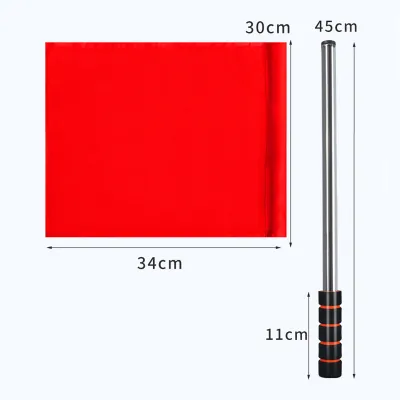
While exact dimensions can vary slightly depending on the manufacturer and specific local tournament guidelines, standard assistant referee flags typically measure between 40 to 45 centimeters in length and 30 to 35 centimeters in width. The plastic or fiberglass shaft usually measures between 50 to 55 centimeters in length. This size ensures maximum visibility from across a standard football pitch without being too heavy or unwieldy for the official to carry and wave comfortably over 90 minutes. If you are officiating in a highly regulated league, always check your local football association’s specific handbook to ensure your gear complies with their exact equipment standards.
Can I use the same flags for both football and rugby?
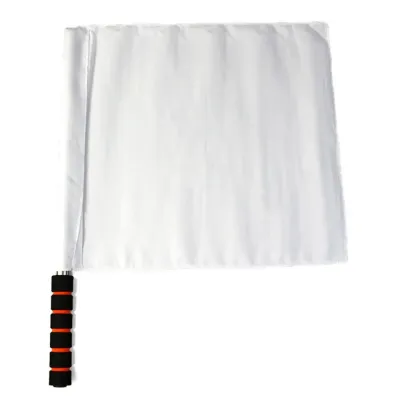
While you can technically use basic, solid-colored flags for casual, lower-level matches in both sports, it is highly recommended to use sport-specific gear for formal games. Rugby touch judges and assistant referees often use flags with different color requirements—such as solid bright red, solid white, or specific club colors—to distinguish their signals clearly. Furthermore, the signaling mechanics and physical demands of rugby touch judging differ slightly from football, meaning football-specific checkered flags might not meet the expectations or regulations of a formal rugby match. Always consult the specific rulebook of the secondary sport before using your football flags on a rugby pitch.
How do I fix a frayed flag edge?
Because most modern referee flags are made from synthetic materials like nylon or polyester, you can easily repair minor fraying along the edges using a simple heat-sealing technique. First, use a sharp pair of scissors to carefully trim away any loose, hanging threads along the frayed seam. Next, hold a standard lighter or match near the trimmed edge, moving the flame quickly and smoothly along the fabric without letting it touch the material directly. The heat will cause the synthetic fibers to melt slightly and fuse together, creating a clean, durable plastic bead that prevents further unraveling. Always perform this repair in a well-ventilated area, and exercise extreme caution to avoid burning the fabric or injuring yourself.
Community discussion
Share your experience or ask a question. Comments are reviewed before publication.