
Selecting the right rubber sling band is more than just picking a color that matches your workout gear. In fitness, using a band with the wrong tension can stall your progress or, worse, lead to joint strain and muscle injury. Whether you are setting up a home gym in a humid tropical climate or looking to add resistance to your outdoor park workouts, understanding the technical specifications of these fitness tools is essential. By focusing on measurable specifications rather than guesswork, you can tailor your training to your exact physical needs and safety limits.
Decoding Resistance Specs: Colors, Thickness, and Tension Charts
When browsing online marketplaces or local sports shops, you will immediately notice a vibrant array of band colors. While many manufacturers use a progression from light pastel shades to deep blacks to indicate increasing tension, this color-coding is not universally standardized. A red band from one brand might offer light resistance, while a red band from another could be rated for heavy strength training. To avoid purchasing the wrong equipment, you must always bypass color assumptions and consult the manufacturer’s specific tension chart.
These tension charts typically translate the band’s physical resistance into concrete weight ranges, usually measured in pounds or kilograms. When evaluating these charts, look for clear, printed ratings on the packaging or the product label itself. A reliable specification sheet will show the tension range at different elongation percentages, such as 100% or 200% stretch. Relying on these numerical ratings ensures that your training load remains consistent, even if you switch between different brands of equipment.
Products mentioned in this guide
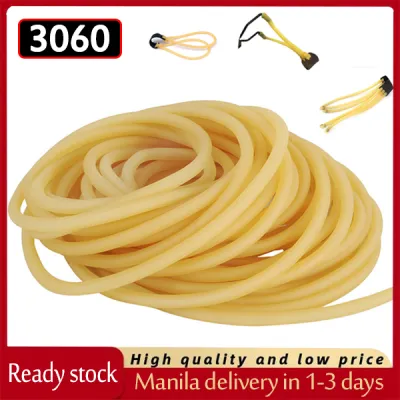
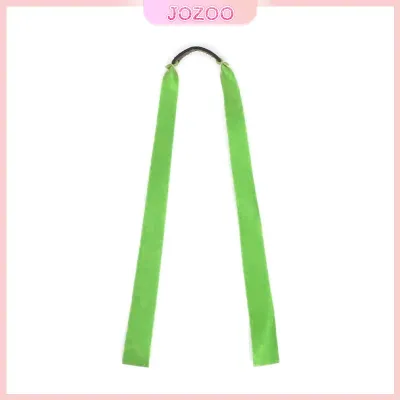
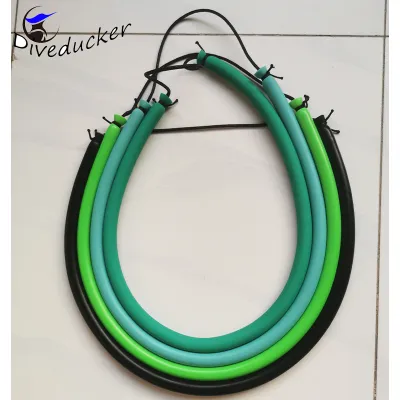
Prices are valid at publication and may change. Please refer to the product page for the latest price.
Beyond the printed numbers, the physical dimensions of the sling rubber band—specifically its thickness and width—provide direct clues about its baseline resistance and long-term durability. Thicker bands require more force to stretch, which naturally increases the resistance level. Wider bands distribute this tension over a larger surface area, which can make them feel more stable against your skin or footwear during high-tension movements. Understanding how these physical dimensions interact with the material allows you to verify the band’s suitability before you even begin your workout.
Matching Band Specs to Your Fitness Level and Exercises
Selecting the ideal resistance level requires matching the band’s specifications to your current strength, fitness goals, and specific training venue. For mobility work, joint rehabilitation, or dynamic warm-ups, lighter bands with low tension ratings are highly effective. These light bands allow you to focus on form and joint stability without overloading delicate stabilizing muscles. If your goal is muscle endurance or high-repetition conditioning, medium-resistance bands provide enough tension to challenge your muscles over extended sets without causing premature fatigue.

For strength building and progressive resistance training, heavier bands are necessary to stimulate muscle growth. However, you must remember that the correct resistance level is highly exercise-dependent. A heavy band that is perfectly suited for lower-body movements, such as squats or glute bridges, will likely be far too stiff and dangerous for delicate upper-body exercises like shoulder external rotations or lateral raises. To build a balanced routine, most fitness enthusiasts require a set of multiple bands with varying tension levels rather than a single, all-purpose band.
As your strength improves, you can apply the principle of progressive overload by stacking or combining multiple bands together. Stacking allows you to incrementally increase the resistance without needing to purchase an entirely new set of heavy equipment. When combining bands, always ensure they are of similar length and material to prevent uneven tension distribution. Additionally, check the manufacturer’s guidelines to verify the safe stacking limits, as overloading bands beyond their intended capacity can lead to sudden snapping or slipping during use.
Material and Build Specs: What Actually Matters for Safety
The material composition of your rubber sling band directly dictates its elasticity, snap resistance, and overall safety. Most high-quality bands are manufactured from natural latex, which offers excellent elasticity and a smooth, progressive tension curve. However, if you have a latex allergy, you must look for synthetic rubber alternatives, such as thermoplastic elastomers (TPE). While synthetic bands are hypoallergenic, they may feel slightly stiffer and have a different tension profile, so you should verify their stretch specifications carefully before purchasing.
Another critical structural specification is the manufacturing method: seamless molded construction versus layered strips. Seamless molded bands are created as a single, continuous loop, which eliminates weak points and significantly reduces the risk of sudden splitting under high tension. Layered bands, on the other hand, are constructed by bonding multiple thin sheets of rubber together. While layered bands can sometimes offer a more consistent resistance profile, they require careful inspection as the layers can begin to delaminate over time, especially when exposed to friction.
When evaluating different products, it is helpful to separate critical safety specifications from purely cosmetic features. Decorative surface textures, printed motivational logos, and the inclusion of a carrying pouch do not affect the core performance, elasticity, or safety of the rubber. Focus your purchasing decision on the quality of the rubber blend and the integrity of the construction rather than aesthetic add-ons. Prioritizing these structural elements ensures that your investment remains safe and functional through hundreds of stretching cycles.
Inspection and Care: When to Stop Using Your Band
In tropical environments where high heat and humidity are common, rubber fitness equipment is highly susceptible to accelerated degradation. To prevent painful snaps and injuries, you must perform a quick visual and tactile inspection before every single workout. Run your fingers along the entire length of the band to check for micro-tears, small nicks, or rough edges. Look closely for white stress marks, discoloration, or areas where the rubber feels unusually sticky or brittle, as these are clear indicators of material fatigue.
Proper storage is the most effective way to preserve the material integrity of your sling rubber bands. Always store your bands in a cool, dry place away from direct sunlight, as ultraviolet rays rapidly break down both natural latex and synthetic rubber. Avoid leaving your equipment in hot vehicles, near outdoor balconies, or in damp gym bags where moisture can accumulate. Additionally, keep your bands away from sharp objects, rough concrete surfaces, or abrasive metal edges that could cause microscopic punctures during storage or use.
If your inspection reveals any signs of structural degradation, you must establish a strict stop condition: discard and replace the band immediately. Never attempt to repair a cracked or torn rubber band with tape, glue, or knots, as these temporary fixes will fail instantly under tension. Continuing to use a compromised band poses a severe safety risk, as a sudden snap can cause painful welts or eye injuries. Replacing a worn-out band is a minor expense that guarantees your training remains safe, productive, and uninterrupted.
Frequently Asked Questions (FAQ)
Can I combine multiple rubber sling bands for higher resistance?
Yes, combining multiple bands is an excellent and cost-effective way to achieve progressive overload in your workouts. When stacking bands, ensure they are of similar length and are securely anchored to prevent them from rolling, slipping, or rubbing against each other, which can cause premature wear. Always consult the manufacturer’s instructions to confirm that your bands are rated for combined use, and avoid stretching the stacked setup beyond its recommended elongation limit.
How do I know if my rubber sling band is worn out and needs replacing?
Your rubber sling band needs immediate replacement if you observe any visible cracks, deep nicks, fraying along the edges, or permanent loss of elasticity where the band remains stretched out when relaxed. Tactile signs of degradation include a sticky surface texture, a chalky white residue that rubs off on your hands, or localized dry rot. If the band exhibits any of these warning signs, discard it immediately to prevent sudden snapping during exercise.
Community discussion
Share your experience or ask a question. Comments are reviewed before publication.