
Finding the right roller skates depends entirely on where you plan to roll and what you want to achieve. Matching your equipment to your skating environment and personal goals ensures a safer, more comfortable experience. Whether you want to cruise along a beachside baywalk, navigate neighborhood streets, perform tricks at a local skatepark, or dance on a polished indoor rink, your choice between quad and inline skates will shape your progression. Taking the time to evaluate your options prevents discomfort and helps you build confidence on wheels.
Identify Your Primary Skating Goals and Environment
Before browsing online marketplaces or visiting a local shop, clarify your primary skating goals. If your main objective is casual recreation or artistic dancing, your needs will differ significantly from someone training for high-speed fitness or executing technical tricks on ledges and ramps. Consider how you plan to transport your gear as well, as bulkier skates may require specialized carrying straps or backpacks.
Your skill level also dictates the type of support you need. Beginners often benefit from setups that prioritize stability and predictable movement, while intermediate and advanced skaters might look for specialized frames that allow for rapid turning or high-speed tracking. Knowing your physical limits is essential; starting with a skate that matches your current ability prevents frustration and reduces the risk of injury.
Products mentioned in this guide
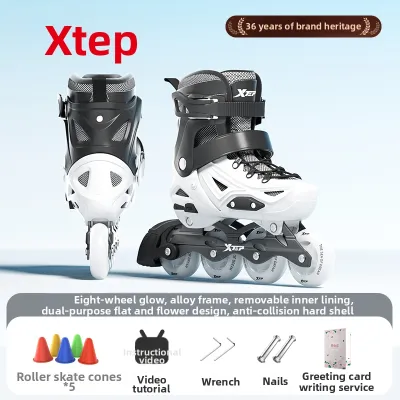
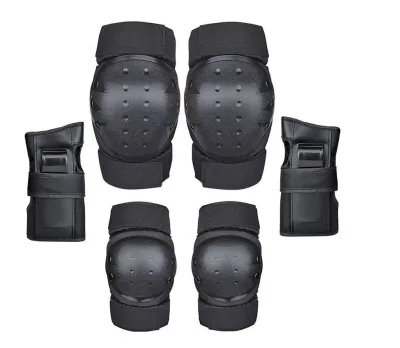
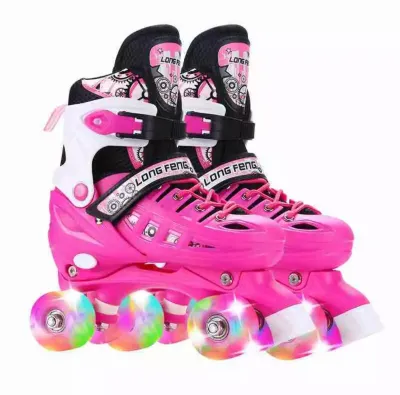
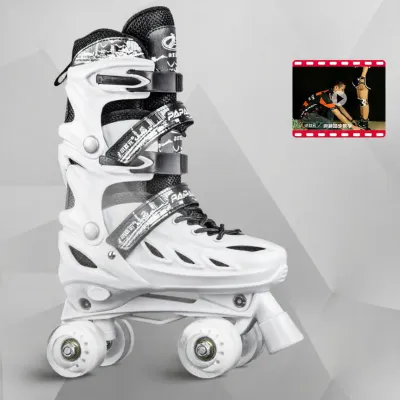
![[COD] Double Row Adjustable Roller Skates Skates for Beginners 4 Wheels Roller Skates Free Protective Gear Included For beginner kids the new roller skates are adjustable double row roller 4 wheel roller skates Shoe for 3 - 12 Years Outdoor Sports](https://img.lazcdn.com/g/p/b4c0ed01631810a6b0b08d61adf4084f.jpg_400x400q80.jpg_.webp)
![[Outdoor Sports] Four-Wheeled Runaway Shoes Deformed Pulley Roller Skates Two-Wheeled Influencer New Style Student Children Youth Two-Whe](https://img.lazcdn.com/g/p/b4dd94dd3593f7dc1572a607707d8229.jpg_400x400q80.jpg_.webp)
Prices are valid at publication and may change. Please refer to the product page for the latest price.
The physical environment is a critical factor, especially in tropical climates. Outdoor pavement in the Philippines can range from smooth concrete park paths to rough, cracked asphalt and debris-strewn streets. High humidity and sudden rain can also make outdoor surfaces slick or muddy, requiring a skate setup that can handle these variable conditions. Conversely, indoor rinks or polished wooden floors offer a controlled, high-traction environment that allows for harder wheels and different maneuverability styles.
Match Your Skating Style to Quad or Inline Skates
Quad skates, characterized by their two-by-two wheel arrangement, offer a wide, stable platform when standing still. This makes them highly popular for indoor rinks, artistic dance skating, and roller derby. The toe stop at the front allows for quick stops and agile jumps, making quads a classic choice for those who enjoy rhythm and dance-oriented movement.

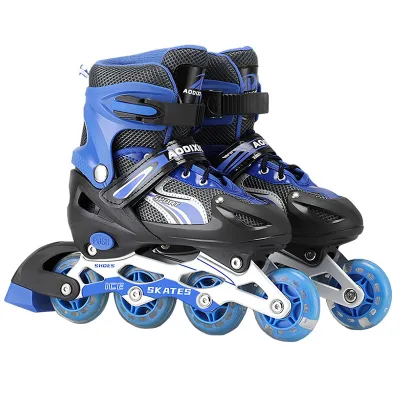
Inline skates, featuring wheels arranged in a single line, excel at forward momentum, speed, and handling uneven outdoor terrain. They are the standard choice for long-distance commuting, fitness training, and aggressive street skating. The longer wheelbase of inline skates helps bridge gaps in cracked pavement, making them much more forgiving on rough outdoor roads.
When choosing between the two, verify the wheel specifications provided by the manufacturer. Outdoor skating generally requires softer wheels that absorb road vibrations and grip uneven pavement, while indoor skating benefits from harder wheels that slide smoothly on polished surfaces. Larger wheels roll over obstacles more easily and maintain speed, whereas smaller wheels offer a lower center of gravity and quicker acceleration.
Additionally, check the frame material of the skates. Aluminum frames provide excellent power transfer and durability, which is useful for fitness and speed. Composite or plastic frames offer more flex, which can help absorb vibrations on rough roads but may feel less responsive during high-speed maneuvers.
Evaluate Boot Support and Fit for Your Comfort
The construction of the skate boot directly impacts your control and comfort during long sessions. Hard-shell boots feature a rigid plastic outer skeleton that provides maximum ankle support, making them excellent for beginners who need stability, as well as aggressive skaters who perform high-impact landings.
Soft-boot skates utilize fabric and mesh materials reinforced with a minimal plastic cuff. These boots prioritize breathability and lightweight comfort, which is highly beneficial during long-distance fitness skates in hot, humid weather. However, they offer less lateral ankle support than their hard-shell counterparts, which might feel less secure for absolute beginners.
Examine the closure systems of any skate you consider. A combination of traditional laces, Velcro instep straps, and micro-adjustable mechanical buckles allows you to customize the tightness across different zones of your foot. This secure lockdown prevents your foot from sliding forward, reducing the risk of blisters and improving overall steering responsiveness.
During a try-on, pay close attention to the liner fit. Your toes should feather the front of the boot when standing upright, but they should pull back slightly when you bend your knees into a skating stance. Ensure there are no painful pressure points around your ankle bones or the sides of your feet, as these will only intensify once you start rolling. In humid climates, look for liners with moisture-wicking properties to prevent slippage caused by sweat.
Plan for Essential Safety Gear and Basic Maintenance
Skating carries inherent risks of falls and collisions, meaning protective gear is not optional. A complete safety set includes a certified helmet, wrist guards, knee pads, and elbow pads. Wrist guards are particularly vital, as instinctively reaching out during a fall is a common cause of wrist injuries. Remember that safety gear cannot replace proper training, balance practice, and knowing your personal limits.
Before finalizing a purchase, inspect the brake system of the skates. Many recreational inline skates come with a removable heel brake, while quad skates feature adjustable or bolt-on toe stops. Verify that replacement brakes or toe stops are readily available for the specific model you choose, as these components wear down naturally with use.
Establish a routine maintenance schedule to keep your equipment safe and functional. Outdoor skating in humid environments exposes your bearings to dust, moisture, and road grime, which can cause them to rust or seize. Follow the manufacturer’s guidelines for cleaning and lubricating your bearings, and regularly rotate your wheels to ensure even wear across their profiles.
Always assess outdoor conditions before you head out. Wet roads, heavy traffic, and poorly lit paths are immediate stop conditions. If you encounter wet pavement, it is highly recommended to stop skating immediately to prevent bearing damage and avoid dangerous slips on slick surfaces.
Finalize Your Roller Skate Purchase and Budget
To make your final decision, trace your path from your primary skating environment to the specific boot and wheel configuration that matches your goals. If you plan to skate outdoors on varied pavement, a supportive inline skate or an outdoor-optimized quad skate is highly suitable. For indoor rhythm sessions, a classic high-top quad skate is the traditional standard.
When planning your budget, avoid spending your entire allocation on the skates alone. Allocate a portion of your budget in ₱ to purchase high-quality protective gear. Investing in a reliable helmet and pad set alongside your skates ensures you can practice safely from day one without compromising on personal protection.
Before ordering from an online marketplace in the Philippines, carefully review the brand’s specific sizing chart rather than relying on your standard shoe size. Check the seller’s return and exchange policies regarding fit issues, as a skate that is too loose or too tight will severely hinder your control and enjoyment on the pavement. When measuring your feet, wear the exact socks you plan to use while skating to ensure an accurate fit.
Frequently Asked Questions (FAQ)
Can I use indoor roller skates for outdoor skating?
Yes, but you will need to change the wheels. Indoor skates typically feature hard wheels that will transmit every vibration from rough outdoor pavement, making the ride uncomfortable and potentially dangerous. Swapping them for softer, outdoor-rated wheels allows you to use the same boot safely outdoors.
Are quad skates easier for beginners than inline skates?
It depends on your natural balance. Quad skates offer better side-to-side stability when standing still, which many beginners find comforting. However, inline skates have a longer wheelbase that provides better front-to-back stability and rolls over outdoor cracks much more easily, making them simpler to control on rougher ground.
How do I know if my roller skates fit correctly?
Your skates should feel snug but not painful. Your heel must remain locked into the back of the boot without lifting when you bend your knees. Your toes should barely touch the end of the toe box when standing straight, and pull back slightly when you drop into a skating stance.
Community discussion
Share your experience or ask a question. Comments are reviewed before publication.