
Selecting the right rolling massage roller requires balancing your physical frame, your current fitness level, and your personal tolerance for pressure. Self-myofascial release (SMR) is a highly individualized practice; a tool that provides a soothing release for one person might cause counterproductive pain or muscle guarding in another. To choose the perfect roller, you must evaluate two primary specifications: density, which dictates the depth and intensity of the pressure, and size, which determines the stability, portability, and target muscle groups. By matching these specifications to your body type and experience, you can safely integrate SMR into your recovery routine, whether you are managing everyday muscle tension or recovering from high-intensity training.
Quick Guide: Matching Density and Size to Your Needs
To streamline your selection process, it helps to view the rolling massage roller as a customizable recovery tool. The core rule of thumb is that density should correspond to your pain tolerance and SMR experience, while size should match your target muscle groups and lifestyle constraints. Beginners or individuals recovering from injury generally benefit from lower density and longer rollers, which distribute body weight over a larger surface area and minimize localized intensity. Conversely, seasoned athletes or those addressing deep muscle knots often require high-density, compact, or textured options to penetrate dense muscle tissue.
Below is a quick reference table to help you align your physical goals with the appropriate roller specifications:
Products mentioned in this guide


Prices are valid at publication and may change. Please refer to the product page for the latest price.
| User Profile | Recommended Density | Recommended Size | Primary Use Case |
|---|---|---|---|
| Beginner / Yoga Support | Soft to Medium | 36 Inches | Full-body alignment, gentle SMR, spinal support |
| Intermediate / General Gym-Goer | Medium | 18 Inches | Limb-specific work, post-workout recovery, easy storage |
| Advanced Athlete / Deep Tissue | Firm (Textured/Grid) | 12 to 18 Inches | Targeted trigger point therapy, intense knot release, travel |
Selecting a roller that feels comfortable yet effective is essential; forcing your body to endure excessive pain will only cause muscles to contract, defeating the purpose of myofascial release.
Decoding Massage Roller Density and Firmness
The density of a rolling massage roller determines how much the material compresses under your body weight. This compression directly influences the intensity of the massage and how deeply the pressure penetrates your soft tissues. Understanding where a roller sits on the firmness spectrum allows you to manage the physiological response of your muscles, ensuring that your recovery sessions promote relaxation rather than triggering a defensive, tense reaction.

Soft and Medium Density Rollers
Soft foam rollers are designed with highly compressible materials, such as low-density polyethylene (PE) foam, which give way easily under pressure. These rollers provide a gentle, cushioned massage that is highly suitable for beginners, individuals with sensitive skin, or those recovering from intense muscle soreness. If you are using a roller primarily for light stretching, passive chest openers, or gentle yoga support, a soft density prevents unnecessary bruising and allows you to focus on breathing and alignment.
Medium density rollers represent a versatile middle ground, utilizing materials like medium-grade ethylene-vinyl acetate (EVA). They offer enough structural integrity to engage muscle fibers and increase local circulation without causing the intense discomfort associated with harder models. This balance makes medium-density rollers highly effective for general, daily mobility work, as they can adapt to both sensitive areas like the calves and larger, less sensitive muscle groups like the quadriceps.
Firm and Textured Rollers
Firm rollers, often constructed from high-density expanded polypropylene (EPP) or featuring a rigid hollow plastic core, do not compress significantly under body weight. These tools are engineered to deliver deep, concentrated pressure directly into the myofascial layers. They are best suited for advanced users who have developed a high tolerance to SMR and require a firmer surface to reach deep-seated muscle tension.
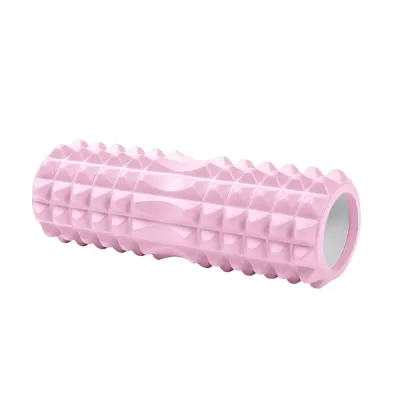
Textured or grid-patterned rollers take this intensity a step further by incorporating molded ridges, bumps, or grooves into the outer foam layer. These patterns are designed to mimic the hands, fingers, and palms of a professional massage therapist. The raised sections target specific trigger points and assist in breaking up stubborn muscle knots (adhesions), while the recessed channels allow for continuous blood flow during the rolling process. Because these patterns concentrate your body weight onto a smaller surface area, they should be approached with caution and reserved for localized, high-intensity therapeutic work.
Selecting the Right Size and Dimensions
The physical dimensions of a rolling massage roller—specifically its length and diameter—dictate how stable the roller is, which muscle groups it can comfortably accommodate, and how easily you can transport or store it. Choosing the correct size ensures that you can perform your exercises with proper form and without slipping off the roller.
Full-Length Rollers (36 Inches)
A full-length roller, typically measuring 36 inches (approximately 90 centimeters), is the most versatile option for home use and physical therapy. Its primary advantage is its generous surface area, which allows you to lie down on the roller lengthwise with your entire spine supported from your head to your tailbone. This position is highly valuable for chest-opening stretches, spinal alignment exercises, and core stabilization routines common in Pilates and yoga.
Additionally, the 36-inch length provides exceptional stability because it is virtually impossible to roll off the sides during lateral movements. This makes it the recommended choice for beginners who are still mastering their balance, as well as individuals rolling large muscle groups simultaneously, such as both hamstrings or both quadriceps. While they are too bulky to fit into a standard gym bag, their utility for comprehensive home recovery makes them a foundational piece of wellness equipment.
Standard and Travel Rollers (18 to 12 Inches)
Shorter rollers, ranging from 12 to 18 inches, trade full-body spinal support for enhanced portability and highly targeted application. An 18-inch roller is an excellent compromise for general gym use; it is long enough to roll out most single limbs—such as one thigh, calf, or IT band—yet compact enough to fit into a large backpack or gym locker.
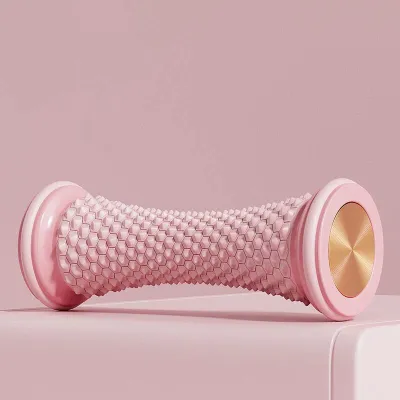
Rollers measuring 12 inches or fewer are specialized travel tools designed for athletes on the move or individuals with limited living space. These compact rollers excel at isolating small, specific muscle groups like the calves, forearms, or soles of the feet. Because they have a smaller footprint, they allow you to apply highly concentrated pressure to a single area without the bulk of a full-size roller. However, they require more precise body control and balance to use effectively, as there is less room for error when shifting your weight.
How to Match the Roller to Your Fitness Level and Body Type
To make a successful decision, you must synthesize density and size into a practical framework that respects your unique physical profile. Your body type plays a significant role in how a roller performs. For instance, individuals with larger body types or broader shoulders generally benefit from longer rollers (such as 36-inch models) or those with a slightly wider diameter. The extra width provides better ground clearance, preventing your hips or back from scraping the floor, and offers a more stable base that can easily support your full body weight without bending or warping.
Another critical factor is learning how to interpret the feedback your body provides during SMR. A common misconception is that foam rolling must be agonizing to be effective. In reality, the sensation should feel like a “good hurt”—a mild to moderate discomfort that dissipates as you hold the position and breathe deeply. If you experience a sharp, stabbing, or shooting pain, or if you find yourself holding your breath and tensing your muscles, the roller is too firm for your current tissue tolerance. Forcing your way through extreme pain can cause micro-tears in the muscle or trigger a protective spasm, which runs entirely counter to your recovery goals.
If you are sedentary, new to fitness, or recovering from an injury, the safest path is to start with a soft or medium-density, full-length roller. This setup minimizes discomfort, provides maximum stability, and allows you to learn proper rolling techniques without fear of bruising. As your soft tissues adapt, your circulation improves, and your pain tolerance increases, you can gradually progress to firmer, textured, or shorter rollers to target deep-seated tightness. Treat your tissue tolerance as a progressive skill: upgrade your equipment only when your current roller no longer provides a noticeable release.
Recommended Rolling Massage Roller Types for Different Users
To help you navigate the options available at local sports retailers or online marketplaces, here are three highly effective configurations tailored to specific user profiles and fitness levels. These rollers typically range in price from ₱400 for basic PE models to over ₱2,500 for high-density grid rollers with reinforced cores.
Best for Beginners and Low Pain Tolerance
For those new to self-myofascial release or individuals who prefer a gentle, relaxing massage, the ideal setup is a soft-to-medium density, 36-inch smooth foam roller. This configuration maximizes contact area, which distributes your body weight evenly and keeps pressure levels highly manageable. The smooth surface ensures there are no aggressive ridges to irritate sensitive tissues, while the 36-inch length provides a stable platform for basic balance exercises, spinal alignment, and gentle stretching.
Best for Intermediate Users and General Recovery
If you are a regular gym-goer, runner, or active individual looking for a reliable post-workout recovery tool, look for a medium-density, 18-inch standard or lightly textured roller. This option strikes an excellent balance between portability and therapeutic pressure. It easily fits into a standard gym bag for on-the-go recovery, provides enough firmness to knead out daily muscle tension in the legs and upper back, and features light texturing to gently stimulate blood flow without causing excessive discomfort.
Best for Advanced Athletes and Deep Tissue Work
For experienced athletes, weightlifters, or individuals dealing with chronic, dense muscle knots, the recommended choice is a firm density, 12-to-18-inch heavily textured or grid roller. This setup features a rigid core that will not compress under heavy loads, allowing for maximum pressure depth. The aggressive grid patterns and ridges are designed to dig deep into stubborn adhesions, making it highly effective for targeted trigger point therapy on large, dense muscle groups like the glutes, hamstrings, and calves.
Safe Usage and Maintenance in Tropical Climates
While a rolling massage roller is an incredibly beneficial tool, improper technique can lead to injury. Always prioritize safety by keeping the roller away from sensitive anatomical structures. Never roll directly over joints, bones, the lower back (lumbar spine), or the neck. Rolling directly over these areas can place excessive shear force on your spine or strain delicate ligaments and nerves. If you experience sharp, shooting, or radiating pain at any point, stop rolling immediately and consult a medical professional. Equipment is a valuable aid, but it cannot replace professional medical training, diagnosis, or clinical judgment.
In the warm, humid climate of the Philippines, proper maintenance is essential to extend the lifespan of your roller and maintain hygienic training conditions. Sweat and body oils can quickly accumulate on the surface of the foam, creating a breeding ground for bacteria and mold. To prevent this, make it a habit to wipe down your roller with a damp cloth and mild, soapy water after every session.
Avoid using harsh chemical solvents, which can degrade the foam material. Always store your roller in a cool, dry indoor space away from direct sunlight. Leaving a foam roller on a hot balcony, in a sunny room, or inside a car trunk in tropical heat can cause the foam to warp, lose its density, or develop a sticky, degraded texture. These rollers are widely available at local sports retailers and major e-commerce platforms, making it easy to find a replacement if your current model begins to break down.
Frequently Asked Questions (FAQ)
How often should I use a rolling massage roller?
The frequency of your rolling sessions should align with your daily activity level, fitness goals, and recovery needs. For general mobility, flexibility, and daily tension relief, light rolling with a soft or medium-density roller can be performed safely every day for 5 to 10 minutes per session. This is particularly beneficial as a warm-up before exercise or a cool-down afterward. However, if you are performing intense, deep-tissue rolling with a firm, textured roller to target stubborn muscle knots, you should limit these sessions to two or three times a week per muscle group. This spacing allows your soft tissues adequate time to recover and rebuild between intense SMR sessions.
Can a massage roller replace professional physical therapy?
No, a rolling massage roller is designed to be a self-maintenance and recovery aid, not a replacement for professional medical care. While SMR is excellent for relieving minor muscle tightness, improving local blood circulation, and enhancing temporary joint range of motion, it cannot diagnose or treat underlying structural issues, chronic pain, joint instability, or acute injuries. If you are experiencing persistent pain, swelling, or localized numbness that does not improve with rest, you should consult a qualified physical therapist or sports medicine professional. A specialist can provide a comprehensive assessment and a targeted treatment plan tailored to your specific biomechanical needs.
Community discussion
Share your experience or ask a question. Comments are reviewed before publication.