
Securing bait effectively is a critical skill for anglers in the Philippines, where strong currents, long casts, and aggressive saltwater species constantly test the limits of your tackle. While many anglers focus on hooks, lines, and rods, the method used to attach bait is just as vital. Using a specialized rubber band for fishing ensures that delicate baits like squid, fish strips, or live shrimp remain firmly attached to the hook during high-velocity casts and initial strikes.
In tropical environments, standard household rubber bands quickly fail due to intense heat, humidity, and saltwater exposure. Selecting the right marine-grade rubber band prevents premature snap-offs, saves valuable bait, and increases your hook-up rate. This guide details how to evaluate, select, and maintain the ideal rubber bands for your fishing needs.
Quick Guide: What Makes a Good Rubber Band for Fishing?
Standard office rubber bands are designed for dry, indoor environments and are typically made from low-grade natural rubber. When exposed to the harsh tropical sun and saltwater of Philippine coastal waters, these office bands degrade rapidly, losing their elasticity and snapping under the tension of a hard cast.
Products mentioned in this guide
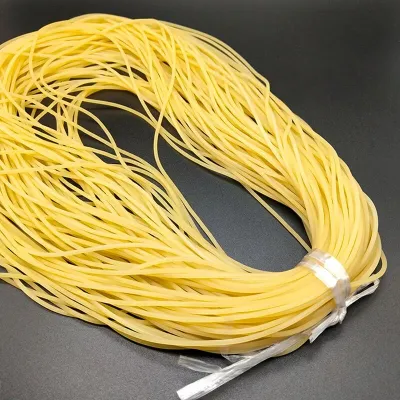
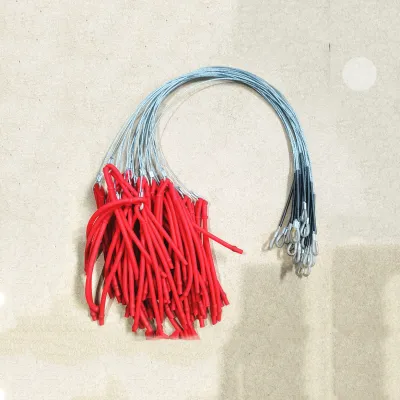
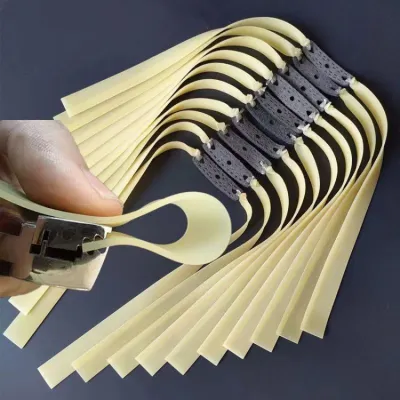
![[Original 24 hours delivery] 5Pcs Flat Rubber Leather Thickness Yellow Thick Rubber Band For Outdoor Fishing Game Training](https://img.lazcdn.com/g/p/9163c76c0acbf1cb5ec40eb2be3b0dcc.jpg_400x400q80.jpg_.webp)
Prices are valid at publication and may change. Please refer to the product page for the latest price.
Purpose-built fishing bands, on the other hand, are formulated to withstand extreme environmental conditions. They feature specialized UV inhibitors and saltwater-resistant compounds that preserve their tensile strength even after hours of immersion. These marine-grade bands maintain a consistent grip on your bait, ensuring it does not slide down the hook shank or fly off mid-cast.
When evaluating packaging claims and manufacturer specifications, look for key indicators of quality. A reliable fishing band should explicitly state that it is UV-stabilized or designed for marine use. Additionally, high-quality bands exhibit excellent elastic recovery, meaning they return to their original shape after being stretched, rather than remaining deformed and loose.
Quick Buyer's Checklist
- Material Formulation: Look for UV-stabilized latex or high-grade silicone.
- Elastic Recovery: Verify that the band snaps back to its original size without permanent stretching.
- Edge Consistency: Ensure the bands have clean, smooth cuts without micro-nicks along the edges.
- Packaging: Opt for resealable, light-blocking packaging to protect the bands from ambient UV rays during storage.
Key Specifications to Check Before Buying
Selecting the right rubber band requires a close look at its physical dimensions and material properties. Matching these specifications to your specific tackle and target species prevents rigging failures and ensures a natural bait presentation.

Diameter and Width
The diameter of the rubber band must match the size of your bait and hook gap. Small-diameter bands (typically 1mm to 3mm) are ideal for securing small pellets, single grains of corn, or tiny live baits. Medium-diameter bands (4mm to 8mm) are highly versatile, suitable for securing shrimp, small baitfish, or moderate cut baits. Large-diameter bands (10mm and above) are necessary for wrapping heavy cut bait, whole squid, or large crab halves. The width of the band also matters; wider bands distribute pressure over a larger surface area, which prevents the band from cutting into soft baits.
Thickness and Tensile Strength
Thickness directly influences the band’s tensile strength and holding power. Thicker bands provide the high tension required to hold heavy baits during long, powerful casts, but they carry a higher risk of cutting through soft, delicate baits like chicken liver or soft fish flesh. Conversely, thinner bands offer a gentler hold that preserves the integrity of soft baits, but they may snap if overstretched or subjected to sudden casting forces. You must balance these factors based on the fragility of your bait.
Material Composition
Most fishing bands are made from either natural latex or synthetic silicone blends. Natural latex offers exceptional stretch and a very tight grip, making it excellent for securing active live bait. However, latex degrades more quickly when exposed to tropical heat and UV rays. Synthetic silicone bands offer superior resistance to environmental degradation, maintaining their elasticity for longer periods in hot, sunny conditions, though they generally offer slightly less maximum stretch than natural latex.
Environmental Resistance
In the Philippines, environmental factors like intense sunlight and high salinity accelerate the breakdown of rubber. When purchasing bands, check the product specifications for ozone and UV resistance. High-quality silicone bands are naturally resistant to these elements, while premium latex bands are often treated with protective coatings to extend their lifespan in marine environments.
Matching Band Tension and Size to Your Bait Type
Different baits require specific band characteristics to remain secure without losing their effectiveness. Applying the wrong band tension can either kill live bait or cause dead bait to tear apart.
Live Bait
When rigging live bait, such as shrimp or small finfish, the primary goal is to secure the bait without restricting its natural movement or causing fatal injuries. Use highly elastic, thin latex bands that apply just enough pressure to hold the bait against the hook. Apply the band around non-vital areas, such as the base of the shrimp’s horn or the tail section of a baitfish. This keeps the bait active and attractive to predators for a longer duration.
Cut or Dead Bait
Cut bait, such as fish fillets, squid strips, or crab halves, lacks the structural integrity of live bait and is highly prone to tearing during hard casts. To secure these baits, select wider and thicker rubber bands. The increased width distributes the clamping force across a larger surface area of the bait, preventing the band from slicing through the soft flesh. Wrap the band firmly around the thickest portion of the bait and the hook shank to ensure it remains stable in strong currents.
Soft Plastics and Artificial Baits
Rubber bands are also highly useful for securing soft plastic trailers to jig heads or preventing soft lures from sliding down the hook shank. For these applications, medium-tension silicone bands are ideal. They provide sufficient grip to keep the plastic in place during repeated casts and retrievals without deforming the lure’s body or hindering its swimming action.
Target Species Considerations
Your choice of band should also account for the feeding behavior of your target species. For aggressive predators with powerful bites, such as lapu-lapu (grouper) or talakitok (trevally), use heavy-duty bands that can withstand sudden, violent strikes. This ensures the bait remains secured to the hook during the initial attack, increasing the likelihood of a solid hook-up.
Proper Rigging Techniques to Prevent Snap-Offs
Even the highest-quality rubber band will fail if applied incorrectly. Proper rigging techniques maximize the holding power of the band and prevent premature snapping.
Step-by-Step Wrapping Method
To secure your bait consistently, follow a structured wrapping method that distributes tension evenly:
- Slide the rubber band onto your fingers or a specialized bait-banding tool.
- Position the bait firmly against the hook shank, ensuring the hook point remains fully exposed.
- Stretch the band gently and slide it over both the bait and the hook shank.
- Double-loop the band if necessary to achieve a snug fit, but avoid over-stretching the rubber to its absolute limit.
- Ensure the band sits flat against the bait's surface without twisting.
Avoiding Twists and Folds
When a rubber band is twisted or folded during application, it creates concentrated stress points along the rubber. These stress points are highly susceptible to tearing, especially when subjected to the high forces of casting. Always take a moment to flatten the band against the bait, ensuring the tension is distributed uniformly across the entire width of the band.
Manual Application vs. Bait-Banding Tools
While manual application is perfectly adequate for larger baits, using a specialized bait-banding tool is highly recommended for smaller baits and micro-bands. These tools expand the band evenly from the inside, preventing you from nicking the rubber with your fingernails or applying uneven tension during the rigging process. This results in a much more consistent and reliable hold.
Pre-Cast Inspections
Before casting your rig into the water, perform a quick visual and tactile check of the rubber band. Run your finger over the band to feel for any micro-tears, nicks, or areas of uneven thinning. If you notice any discoloration or structural imperfections, discard the band immediately and apply a fresh one. A compromised band is highly likely to snap during the cast, resulting in lost bait.
Storage Tips for Tropical Climates and Humidity
The tropical climate of the Philippines, characterized by high temperatures, intense sunlight, and high humidity, is highly destructive to rubber products. Proper storage is essential to prevent your fishing bands from degrading before you even reach the water.
Environmental Degradation
Direct sunlight and high ambient temperatures cause rubber to undergo a process called thermal degradation, which makes the material brittle and prone to cracking. High humidity can also cause natural latex bands to absorb moisture, leading to sticky surfaces and a rapid loss of elasticity. Always store your bands in a cool, dry, and dark environment.
Chemical Exposure
Common angling essentials like sunscreen, insect repellents (especially those containing DEET), and fuel fumes from boat engines are highly corrosive to rubber. Exposure to these chemicals can quickly dissolve or weaken the molecular bonds of both latex and silicone bands. Always wash your hands thoroughly after applying sunscreen or handling fuel before touching your fishing bands.
Ideal Storage Containers
To maximize the lifespan of your rubber bands, store them in airtight, opaque plastic containers or heavy-duty resealable bags. Adding a small packet of silica gel (desiccant) inside the container helps absorb any trapped moisture, keeping the bands dry and preventing them from sticking together. Keep this container stored inside a shaded pocket of your tackle bag, away from direct sunlight.
Pre-Trip Inspection
Before heading out on a fishing trip, perform a quick inspection of your rubber band supply. Take a few bands from your container and stretch them to their limit. If they feel sticky, brittle, leave a powdery residue on your fingers, or fail to snap back to their original shape, the batch has degraded. Discard the compromised bands and restock with fresh inventory to ensure reliable performance on the water.
Frequently Asked Questions (FAQ)
Can I use regular office rubber bands for fishing bait?
While you can use regular office rubber bands as a temporary emergency fix, they are not recommended for regular fishing use. Office bands lack UV stabilizers and saltwater resistance, meaning they degrade rapidly when exposed to the sun and sea. They are highly prone to snapping under the high tension of casting, which often results in lost bait before your rig even hits the water.
How often should I replace the rubber band on my bait rig?
It is best practice to use a fresh rubber band every time you rig a new piece of bait. Prolonged immersion in water, combined with the tension of holding the bait, gradually weakens the rubber’s elasticity. Additionally, you should always replace the band after a catch, a missed strike, or if the rig gets snagged, as these events subject the band to extreme stress that can cause micro-tears.
Do colored rubber bands attract more fish?
There is little scientific evidence to suggest that colored rubber bands actively attract more fish. In clear water, highly visible colors might actually spook wary fish, making neutral or clear bands a safer choice. In murky or deep water, colored bands may add a small visual element, but you should always prioritize the band’s strength, elasticity, and material quality over its color.
Community discussion
Share your experience or ask a question. Comments are reviewed before publication.