
Selecting the right running belt bag for women in the Philippines requires balancing secure fit, storage capacity, and moisture protection. In a tropical climate where high humidity leads to heavy sweating and sudden afternoon downpours are common, a poorly designed belt can quickly become a heavy, bouncing distraction that causes painful skin chafing.
The ideal running belt should sit snugly against your body, distribute weight evenly, and protect your electronics from moisture. By focusing on adjustable tension, sweat-resistant materials, and the specific demands of your typical running routes, you can find a gear companion that stays completely out of mind while you focus on your stride.
Essential Features to Evaluate in a Running Belt Bag
When evaluating a running belt bag, the primary goal is to find a design that minimizes movement. During a run, your body experiences vertical oscillation with every step. If a belt bag is loose or poorly balanced, this vertical movement translates into a rhythmic bounce that can disrupt your running form and cause discomfort.
Products mentioned in this guide
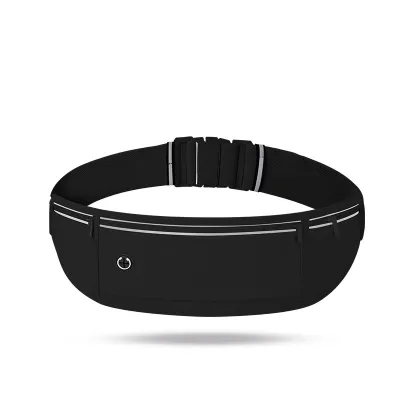
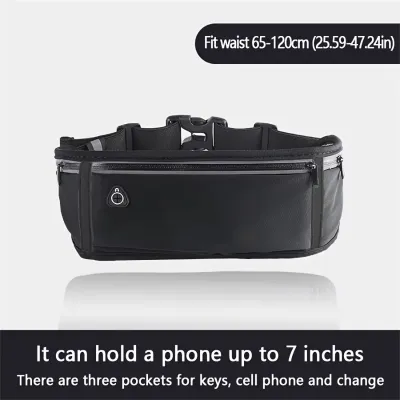
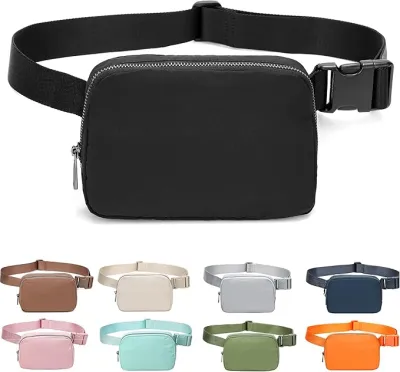
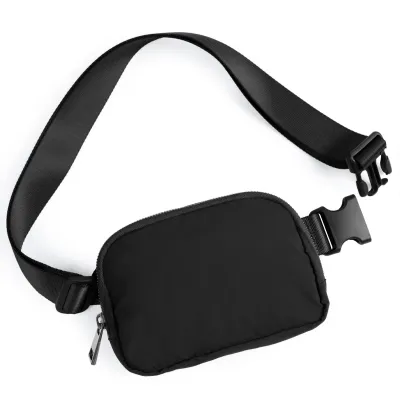
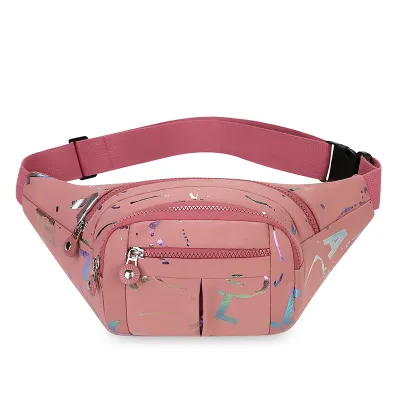
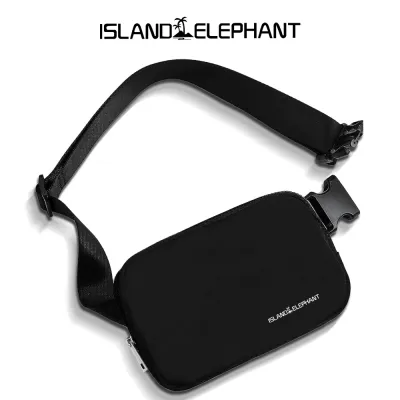
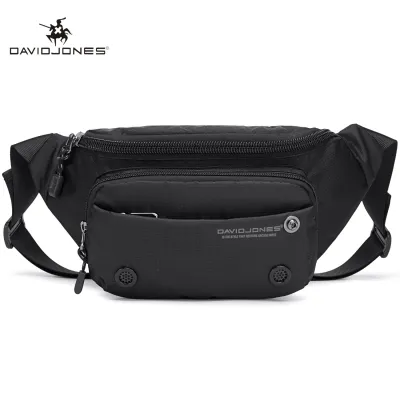
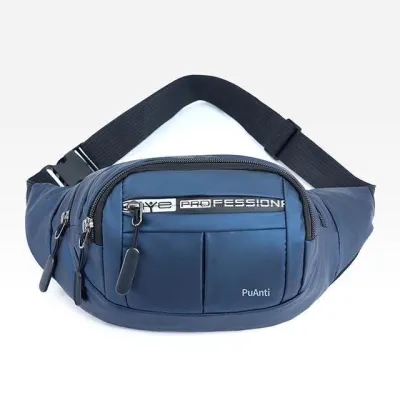
Prices are valid at publication and may change. Please refer to the product page for the latest price.
To prevent this, look for anti-bounce mechanisms such as wide, high-tension elastic bands or adjustable webbing straps secured by heavy-duty buckles. A wider belt distributes pressure more evenly across your torso or hips, reducing the sensation of digging into your skin.
The structural design of the belt also plays a significant role in stability. Continuous tube belts, which you pull on over your feet or head, offer a sleek, low-profile fit. Because they wrap entirely around your waist without buckles, they distribute the weight of your phone, keys, and nutrition evenly around your center of gravity.
On the other hand, traditional pouch belts feature a distinct zippered pocket attached to an adjustable strap. While pouch designs allow for quick adjustments and can accommodate slightly bulkier items, they require careful tightening to ensure the pouch remains flush against your lower back or pelvis.
In the tropical climate of the Philippines, sweat and water resistance are non-negotiable features. High humidity means your body will produce significant moisture, which can easily seep through standard fabrics and damage sensitive electronics.
Look for belt bags constructed with water-resistant linings, such as thermoplastic polyurethane (TPU) coatings or neoprene backings. These materials act as an effective barrier between your body heat and your gear. Additionally, inspect the zippers; water-resistant zippers with polyurethane seals or fabric storm flaps help prevent rain and sweat from penetrating the main compartment.
Finally, consider the internal compartment layout. A single, undivided pocket often allows items to rattle against each other, which can scratch your phone screen or create annoying noise. Look for bags with internal dividers, dedicated key clips, or separate smaller pockets. Placing heavier items, like your phone, in the compartment closest to your body minimizes the leverage that causes bouncing, while keeping keys and coins separated prevents damage to your screen.
Matching the Bag to Your Running Distance and Gear
Your choice of a running belt bag should align closely with your typical running distance and the specific gear you need to carry. For short, casual runs of three to five kilometers around your neighborhood or local sports complex, a minimalist tube belt is often the most comfortable option. These low-profile designs are engineered to hold just the essentials: a smartphone, an identification card, and a single key. Because they lack bulky plastic buckles, they lay completely flat against your waistband and feel virtually weightless, making them ideal for high-tempo workouts where you want zero distractions.

As you transition to long-distance runs, half-marathons, or trail running, your storage requirements will naturally increase. On longer routes, especially in hot weather, carrying nutrition like energy gels, salt tablets, and hydration becomes essential. Look for multi-pouch belts or specialized hydration belts that feature elastic loops designed to hold small, soft flasks. When choosing a hydration belt, ensure the flask sleeves are positioned symmetrically on your hips or lower back. This balanced distribution prevents the weight of the water from pulling the belt to one side, which can alter your running gait and cause muscle strain.
Before purchasing any belt bag, it is crucial to assess phone compatibility by checking actual measurements rather than relying on generic marketing claims. Many product descriptions state that a bag “fits all standard smartphones,” but these claims rarely account for the added bulk of protective phone cases. Measure your phone while it is inside its daily case, noting the length, width, and thickness. Compare these dimensions against the zipper opening and internal compartment measurements of the belt bag. A tight squeeze not only makes it difficult to retrieve your phone quickly during a run but also places excessive strain on the zipper seams, leading to premature wear.
Achieving a Secure and Comfortable Fit
Achieving a secure and comfortable fit requires understanding how a running belt interacts with your unique anatomy. Women’s hip-to-waist ratios vary significantly, which directly influences where a belt should sit to remain stable. Some runners find that wearing the belt high on the natural waist, just above the belly button, prevents it from sliding down. Others prefer positioning the belt lower, across the widest part of the hips, where the pelvic bones can help anchor it in place. Before buying, measure both your waist and hip circumferences to ensure you select the correct size, particularly when choosing non-adjustable tube belts that rely on precise sizing.
Once you have the belt on, adjusting the tension correctly is a balance between security and breathing comfort. The belt should be tight enough to eliminate bounce when you jog in place, but not so tight that it restricts your breathing or digs into your abdomen during deep inhalations. A good test is to slide two fingers comfortably under the band; if you cannot do this, the belt is too tight. If you find you must tighten the strap to an uncomfortable degree to stop it from bouncing, the bag may be overloaded, or the weight is not distributed evenly.
Material selection and edge finishes are critical for preventing chafing, especially when running in hot, humid conditions. When you sweat, salt crystals form on your skin and can act like sandpaper if rubbed continuously by a rough fabric. Inspect the inner lining of the belt bag. Soft, moisture-wicking mesh backings are much gentler on bare skin or lightweight running fabrics. Avoid belts with stiff, heat-sealed plastic edges or rough nylon stitching, as these can easily cause painful skin irritation and raw spots along your waistline over longer distances.
Building Your Shortlist: What to Verify Before Checkout
Before finalizing your purchase on any online marketplace, take the time to verify specific product details to ensure you receive a high-quality item that meets your needs. Start by carefully reading the product specifications and customer reviews. Look for detailed diagrams that show the exact dimensions of the zippered pocket and the overall length of the belt. Customer reviews are an invaluable resource; look for photos uploaded by other runners showing their specific phone models inside the bag, which can give you a realistic idea of the actual capacity and zipper clearance.
Next, check the care instructions and material composition of the belt. Running gear requires frequent washing to remove sweat, salt, and body oils that can degrade elastic fibers over time. Look for materials like high-quality nylon, polyester, or spandex blends, which offer a good balance of durability, stretch, and quick-drying performance. Verify whether the manufacturer recommends hand washing or if the belt can be placed in a washing machine, as easy maintenance is key to keeping your gear fresh and odor-free.
Finally, review the seller’s return and exchange policies. Because fit is highly personal and depends on your body shape, running style, and the specific gear you carry, there is always a chance a belt may not perform as expected once you try it on. Ensure the seller offers a clear return or exchange window, allowing you to test the fit and bounce performance at home before committing to keeping the product.
Frequently Asked Questions (FAQ)
Can I wash my running belt bag in a washing machine?
Most running belt bags are constructed from technical elastic fabrics and water-resistant coatings that can degrade under high heat or intense machine agitation. It is always best to check the manufacturer’s care label first. If machine washing is permitted, place the belt inside a mesh laundry bag, use cold water on a gentle cycle, and use a mild detergent. Avoid fabric softeners, as they can clog the moisture-wicking pores of the fabric. Air drying in a shaded, well-ventilated area is the safest way to preserve the elastic tension and material integrity.
Should I wear the belt bag over or under my running shirt?
Wearing the belt bag under your running shirt provides maximum compression, which helps hold the bag firmly against your body and significantly reduces bouncing. However, this method increases direct exposure to body sweat and can cause chafing if the belt’s edges are rough. Wearing the belt over your shirt protects your skin from direct friction and makes your phone, keys, or energy gels much easier to access on the go, though the belt may slide slightly depending on the slickness of your shirt’s fabric.
How do I prevent my phone from getting damaged by sweat?
Even water-resistant running belts can struggle to keep moisture out during long, intense runs in high tropical humidity. To protect your phone, look for a belt bag that features a dedicated waterproof inner pocket or a built-in TPU barrier. If your belt does not have this feature, a simple and highly effective solution is to place your phone inside a small, sealable plastic bag before sliding it into the belt compartment, ensuring complete protection from sweat and unexpected rain.
Community discussion
Share your experience or ask a question. Comments are reviewed before publication.