
Choosing the right running reflector is a critical decision for anyone who exercises during low-light hours. The four primary types of reflectors—reflective vests, armbands or ankle bands, clip-on tags, and integrated reflective apparel—each serve a distinct purpose based on your running environment, comfort preferences, and route conditions. For maximum safety on high-traffic roads, a full-coverage reflective vest or harness is the most effective choice because it creates a highly visible, recognizable human silhouette. Meanwhile, minimalist runners often prefer the lightweight flexibility of armbands or clip-on accessories that target moving limbs. By evaluating your typical running schedule, local weather, and route hazards, you can select the ideal combination of gear to stay visible and safe.
Assessing Your Route and Visibility Needs
Running safely in the Philippines requires a keen understanding of local road conditions, traffic patterns, and seasonal weather shifts. If your typical route consists of well-lit urban sidewalks in modern business districts, your visibility needs will differ significantly from someone navigating unlit residential streets, rural roads, or areas with high traffic density. In busy urban zones, you must compete with distracting ambient light from streetlights, storefronts, and vehicle headlights, making high-contrast reflective gear essential. Conversely, on darker suburban or rural paths, the primary challenge is ensuring that drivers can spot you from a distance on roads that may lack dedicated pedestrian lanes.
Traffic density and vehicle speeds also dictate how early a driver needs to see you. On roads where jeepneys, motorcycles, and private cars travel at higher speeds, drivers require more reaction time, which translates directly to a need for larger reflective surfaces. Furthermore, tropical weather conditions play a massive role in visibility. High humidity can cause vehicle windshields to fog up, while sudden heavy downpours during the monsoon season drastically reduce a driver’s line of sight. When running in these challenging conditions, passive reflectors must be highly efficient to catch and return even the weakest beams of light, ensuring you remain visible through rain, mist, and darkness.
Products mentioned in this guide
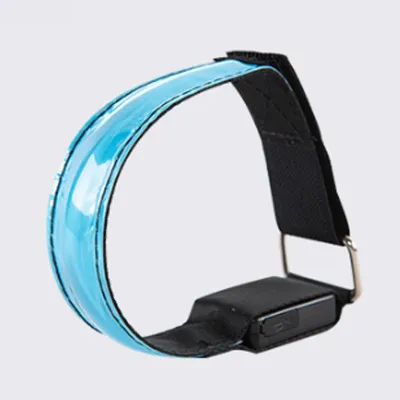

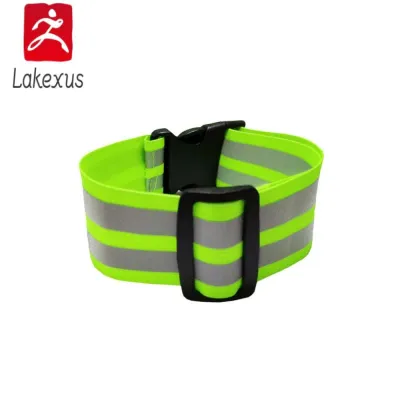
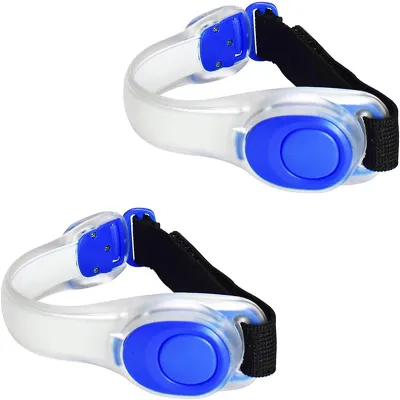

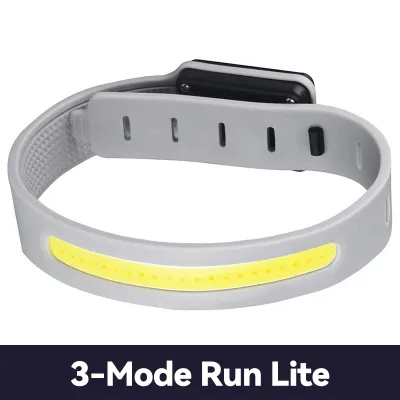
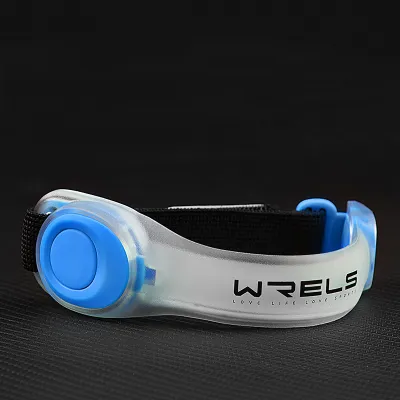
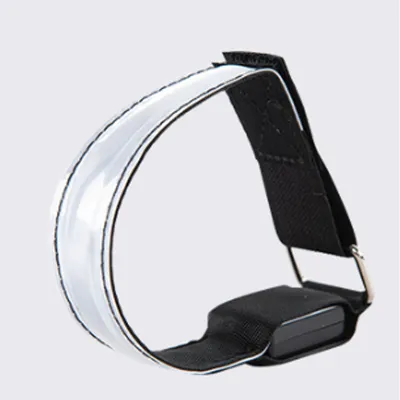
Prices are valid at publication and may change. Please refer to the product page for the latest price.
Comparing the Main Types of Running Reflectors
To build an effective visibility strategy, it helps to understand the core categories of reflective gear available on the market. The four main types include full-body vests or harnesses, limb-bound armbands and ankle bands, portable clip-on tags, and integrated reflective apparel or adhesive tapes. Each category utilizes retroreflective technology, which works by bouncing light directly back to its source, such as a vehicle’s headlights. However, how these reflectors are positioned on your body determines whether they provide 360-degree static visibility or dynamic, motion-based reflection that immediately signals your presence to oncoming traffic.

Reflective Vests and Harnesses
Reflective vests and harnesses offer the highest level of passive visibility by covering the largest surface area of your torso. Because they wrap around your shoulders, chest, and back, they provide true 360-degree coverage, ensuring you are visible from the front, back, and sides. This extensive coverage is crucial because it allows drivers to instantly recognize your shape as a human being rather than a random reflective object, prompting them to slow down and give you a wide berth.
When choosing a vest for tropical climates, breathability and weight are paramount. Traditional solid fabric safety vests can trap heat and sweat, leading to discomfort and overheating during intense runs. To counter this, look for lightweight mesh vests or minimalist elastic harnesses, often referred to as X-back or H-back harnesses. These designs provide the same high-visibility reflective strips while leaving your torso open to airflow, making them highly comfortable to wear over light singlets or running shirts. They are the ideal choice for high-risk routes, unlit roads, and areas with fast-moving traffic.
Armbands and Ankle Bands
Armbands and ankle bands are popular among runners who prefer a more minimalist feel without sacrificing safety. These bands are worn on the limbs and leverage a concept known as the “biomotion” effect. Human eyes are naturally wired to notice movement quickly; when reflective material is placed on your moving wrists, elbows, or ankles, the rapid up-and-down and back-and-forth motion catches a driver’s headlights much faster than a static torso reflector. Ankle bands are particularly effective because vehicle headlights are aimed downward, meaning they will illuminate your lower legs before they reach your chest.
Most reflective bands feature adjustable hook-and-loop fasteners or a flexible “slap” design that automatically wraps around your limb. When selecting these, pay attention to the strap width and the softness of the inner lining. Narrow straps can dig into the skin, while rough materials can cause painful chafing during long, sweaty runs in humid weather. While highly effective for motion visibility, bands do have limitations; they offer a smaller reflective surface area than vests and can sometimes be obscured by your body or clothing depending on the angle of the oncoming vehicle.
Clip-On Reflectors and Tags
Clip-on reflectors and tags are highly versatile, portable accessories designed for runners who want to add visibility to their existing gear. These compact items typically feature magnetic closures, spring clips, or carabiners, allowing you to attach them to shoe laces, waistbands, hydration vests, backpacks, or even the brim of a running cap. Their primary advantage is convenience, as they can be easily transferred from one outfit or pair of shoes to another without any hassle.
However, the effectiveness of clip-on reflectors depends heavily on their placement and the security of their fastening mechanisms. Because they are small, a single clip-on tag is rarely enough to provide comprehensive visibility; they are best used as supplementary accents to larger reflective gear. Additionally, you must ensure the clip is secure enough to withstand the repetitive impact of running. Magnetic clips are excellent for thin fabrics, but they can slip off thicker materials or during high-intensity sprints, while physical spring clips must have a tight grip to prevent them from bouncing off on uneven trails.
Reflective Stickers, Tape, and Apparel
For runners who prefer a streamlined, gear-free look, integrated reflective apparel and adhesive tapes offer a seamless solution. Many modern running shoes, shirts, shorts, and jackets come with built-in reflective logos, piping, or patterns. These elements are designed to blend into the clothing during the day and shine brightly when struck by light at night, eliminating the need to wear extra straps or vests.
If your favorite running gear lacks built-in reflectivity, you can use specialized adhesive reflective tapes to customize your equipment. These tapes can be applied directly to the heels of your shoes, your hydration flasks, or your running poles. While highly convenient, integrated and adhesive solutions require careful maintenance. Over time, repeated washing cycles, exposure to sweat, and high dryer heat can cause reflective prints and adhesives to crack, peel, or lose their retroreflective properties. It is essential to monitor these items regularly to ensure they still perform their safety function.
Matching Reflector Types to Your Running Routine
Selecting the right reflective gear is not a one-size-fits-all decision; it should be tailored to your specific running routine and environment. If you are an urban commuter runner navigating well-lit city streets with high traffic density, your main challenge is standing out against a backdrop of distracting city lights. In this scenario, a combination of a minimalist reflective harness and highly visible ankle bands is highly effective. The harness ensures you are seen at busy intersections, while the ankle bands leverage biomotion to alert drivers turning corners or pulling out of parking spaces.
For trail runners or those who train on unlit rural roads, the lack of ambient light requires a different approach. Here, maximum surface area coverage is critical. A full mesh reflective vest is highly recommended, as it ensures you are visible from a distance on dark paths. Because trail running often involves uneven terrain, combining a reflective vest with an active light source, such as a headlamp, is essential for both seeing the ground and being seen by others.
Minimalist runners who prioritize lightweight, unrestrictive gear can opt for a strategic placement of smaller reflectors. Wearing reflective ankle bands combined with shoe clips and a reflective running cap provides multi-angle visibility without the bulk of a full vest. For the ultimate safety strategy, consider layering your visibility gear. Using a primary torso reflector (like a harness) alongside secondary limb reflectors (like ankle bands) ensures that you are visible from all angles, heights, and distances, regardless of how you move.
What to Check Before You Buy: A Quality Checklist
When shopping for running reflectors on e-commerce platforms or in local sports stores, it is important to look beyond basic aesthetics and evaluate the technical quality of the materials. First, check the type of reflective technology used. High-quality gear often utilizes micro-prismatic technology, which uses tiny prisms to reflect light highly efficiently over long distances, even when wet. Standard glass bead technology is softer and more flexible, making it common in apparel, but it can lose some of its reflectivity when soaked with sweat or rain.
Next, examine the physical construction of the gear. For vests and harnesses, look for wide, adjustable straps that distribute pressure evenly across your shoulders and chest. High-quality, durable buckles and secure hook-and-loop fasteners are essential to prevent the gear from shifting or bouncing as you run. If you plan to travel or commute, consider the weight and packability of the item; a good reflector should fold down easily to fit into a small pocket or running belt.
Budget is another practical consideration. In the Philippines, basic reflective bands and clip-on tags typically range from ₱100 to ₱400, making them highly affordable entry-level options. Lightweight elastic harnesses and mesh vests generally cost between ₱250 and ₱1,200, depending on the durability of the buckles and the quality of the reflective strips. Investing in a well-constructed, adjustable harness often provides the best balance of long-term durability, comfort, and safety.
Gear Care, Maintenance, and Safety Limits
To ensure your reflective gear continues to protect you run after run, proper care and maintenance are essential. Sweat, dirt, and body oils can accumulate on reflective surfaces, dulling their ability to bounce light back to drivers. When cleaning your gear, always refer to the manufacturer’s instructions. As a general rule, hand wash reflective vests, harnesses, and bands in cold water using a mild detergent, and hang them to dry in a shaded area. Avoid using bleach, fabric softeners, or high heat from a dryer, as these can rapidly degrade the reflective coatings and adhesives.
Regularly inspect your gear for signs of wear and tear. If you notice cracking, peeling, or significant fading of the reflective material, it is time to replace the item. You can easily test the effectiveness of your gear at home by taking a photo of it with your smartphone flash enabled in a dark room; if the material does not shine brightly in the photo, its real-world visibility is compromised.
Finally, it is crucial to understand the safety limits of passive reflective gear. Reflectors do not emit light on their own; they require an external light source, like a car’s headlights, to function. In extreme weather conditions, such as torrential tropical downpours, thick fog, or on completely pitch-black trails, passive reflectors alone may not provide enough warning to drivers. In these high-risk situations, you should always supplement your reflectors with active LED lights, or make the safe decision to postpone your run until visibility conditions improve. Equipment is a valuable tool, but it can never replace personal judgment and situational awareness.
Frequently Asked Questions (FAQ)
Do I need a reflective vest if my running jacket already has reflective logos?
Yes, because small logos or thin piping on a jacket do not provide enough surface area to create a recognizable human silhouette from a distance. A dedicated reflective vest or harness offers 360-degree coverage and significantly larger reflective panels, ensuring drivers can spot you much earlier and from all angles.
Can I wash my reflective armbands and vests in a washing machine?
It is highly recommended to hand wash these items instead. The agitation, spinning, and harsh detergents used in washing machines can cause the delicate retroreflective glass beads or micro-prisms to rub off, crack, or peel. Hand washing in cold water with a mild soap and air drying will significantly extend the lifespan and performance of your safety gear.
Community discussion
Share your experience or ask a question. Comments are reviewed before publication.