
Selecting the right running waist bag is a balancing act between carrying capacity, phone compatibility, and hydration needs. A well-chosen waist bag should feel like a natural extension of your body, securing your essentials without altering your running gait or causing painful chafing. In tropical climates like the Philippines, where high humidity and sudden downpours are common, factors such as sweat resistance, breathability, and a bounce-free fit become even more critical to your comfort.
To find the ideal model for your training, you must evaluate how much gear you need to carry and match those requirements to the correct bag style. Running waist bags generally fall into three categories: minimalist tube belts, structured zippered pouches, and dedicated hydration belts. By understanding the design trade-offs of each type, you can select a bag that keeps your items secure, dry, and accessible throughout your training runs.
Assess Your Gear-Carrying Needs Before Buying
Before browsing online sports retailers or visiting a local shop, you must catalog the exact items you plan to carry on a typical run. The volume and weight of your gear will dictate the size, structure, and weight distribution of the running waist bag you need. Carrying too much empty space leads to a loose, bouncy bag, while overstuffing a small pouch stretches the fabric tight, reducing its surface contact with your body and causing it to slip upward during your stride.
Products mentioned in this guide
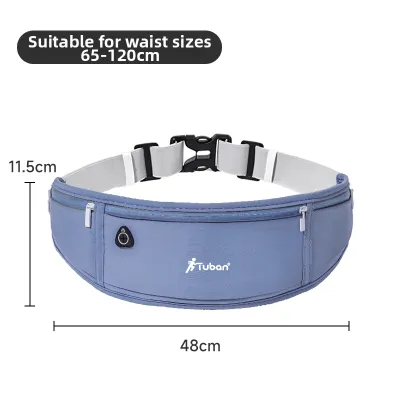
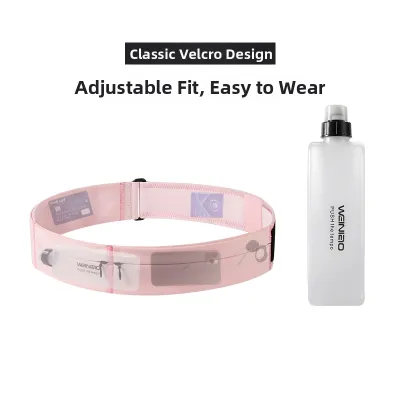
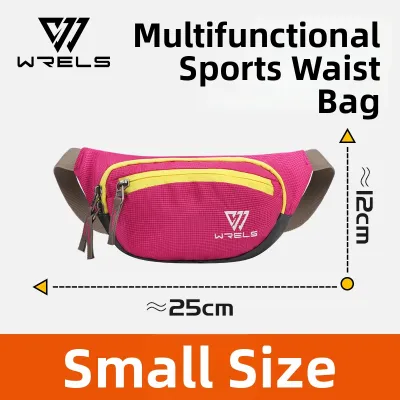
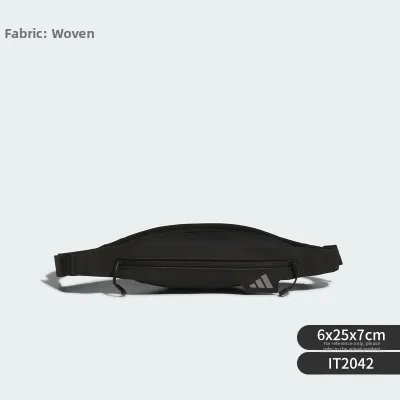
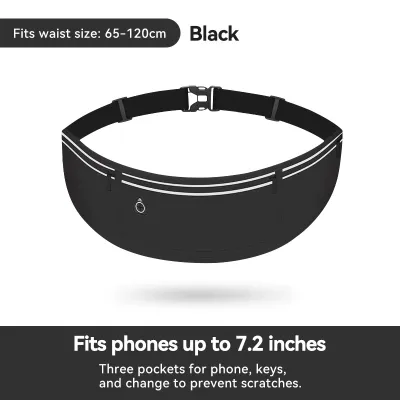
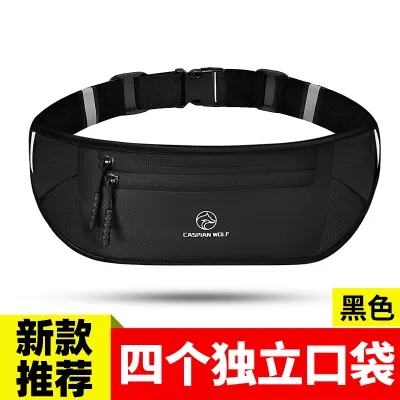

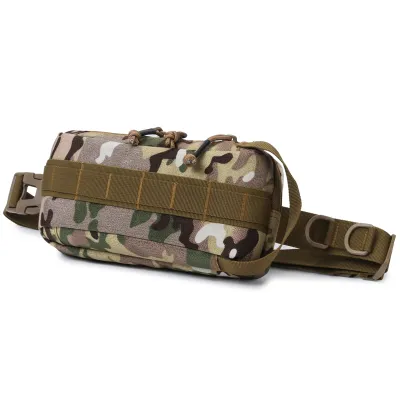
Prices are valid at publication and may change. Please refer to the product page for the latest price.
For short training sessions, such as a quick 5K road run or a track interval workout, your gear list should remain minimal. You typically only need a smartphone, a house key or car key, and perhaps a single energy gel or some emergency cash. For these runs, a lightweight, low-profile bag is ideal because it minimizes bulk and keeps your silhouette streamlined.
Once your training runs extend past 10K or take you onto remote trail routes, your carrying requirements change significantly. Long-distance training demands consistent nutrition and hydration, meaning you will need space for multiple energy gels, electrolyte tablets, and water. Additionally, trail running often requires safety essentials such as an emergency whistle, a small first-aid kit, a trail map, and a lightweight, packable windbreaker or rain jacket to protect against sudden weather shifts.
When calculating weight, remember that modern smartphones are relatively heavy, often weighing between 180 and 240 grams. When you add keys, cards, and nutrition, you are strapping nearly half a kilogram of dead weight to your waist. This weight behaves dynamically with every step you take; at a typical running cadence of 160 to 180 steps per minute, any slack in your belt will amplify this weight into a distracting, rhythmic bounce. Identifying your exact gear list helps you choose a belt with the structural integrity to support that weight.
Key Features to Evaluate for Comfort and Utility
When comparing different running waist bags, look beyond marketing claims of “zero bounce” or “maximum comfort.” Instead, analyze the technical specifications, materials, and construction details to determine how the bag will perform under real-world training conditions.

Capacity and Compartment Layout
A single, unstructured pocket might seem convenient, but it often leads to items shifting and rubbing against one another during a run. Look for a running waist bag with multiple compartments or internal dividers. A dedicated internal sleeve for your phone keeps the heavy device flat against your body, while a separate pocket with an integrated key clip ensures your keys or coins cannot scratch your phone screen.
Furthermore, multiple pockets allow you to organize your nutrition and trash. Having a designated pocket for empty, sticky gel wrappers keeps your clean gear hygienic and makes it easier to grab fresh gels mid-run without stopping. Always check the physical dimensions of the storage pockets rather than relying solely on volume ratings in liters, as a pocket’s shape determines whether it can actually accommodate longer items like a smartphone or a soft flask.
Phone Fit and Bounce Prevention
Because smartphones continue to grow in size, verifying the maximum pocket dimensions of a running waist bag is a mandatory step before purchasing. Measure your phone while it is inside its daily protective case, as rugged cases add significant thickness and width. The pocket should feature a snug, elasticated sleeve or internal compression straps that hold the phone firmly against your lower back or pelvis, preventing it from shifting vertically or horizontally.
To prevent the pendulum effect of a heavy phone, look for belts that utilize wide elastic bands or adjustable tension systems. Some high-end models feature internal silicone grip strips on the inner side of the belt. These silicone patterns grip your running shorts or skin, preventing the belt from riding up toward your natural waist where it is more likely to bounce and restrict your breathing.
Hydration Options and Bottle Holders
If your training routes lack public water fountains, carrying your own fluids is essential. Running waist bags handle hydration in two primary ways: rigid bottle holsters or flexible soft flask pockets. Rigid bottle holsters are typically positioned at a 45-degree angle on the back of the belt, allowing you to reach back, slide the bottle out, and replace it easily with one hand while maintaining your running stride.
Alternatively, some waist bags are designed to hold flexible TPU soft flasks flat against your lower back. While soft flasks are more difficult to slide back into a pocket mid-run, they offer a major advantage: as you drink, the flask collapses, eliminating the sloshing sound and the shifting center of gravity associated with rigid half-empty bottles. Remember that carrying water adds significant weight—500 milliliters of water weighs exactly 500 grams—so any hydration-compatible belt must feature a wider, more supportive strap system to distribute this load comfortably.
Material, Breathability, and Weather Resistance
In hot and humid tropical climates, material choice can make or break your running experience. Neoprene is highly water-resistant, but it acts as an insulator, trapping heat and sweat against your skin, which can quickly lead to painful chafing and heat rash. Instead, prioritize lightweight nylon or polyester blends blended with elastane for stretch, combined with a 3D spacer mesh backing that allows air to circulate between the bag and your body.
Weather resistance is equally important for protecting your electronics from heavy sweat and sudden tropical downpours. Look for bags featuring water-resistant zippers, which are typically coated with a polyurethane (PU) layer to block moisture from seeping through the zipper teeth. While these materials protect against rain and sweat, they are rarely fully waterproof; therefore, placing your phone in a simple plastic zip-top bag before sliding it into your waist pack provides an inexpensive, foolproof layer of secondary protection.
Which Running Waist Bag Type Fits Your Training?
To narrow down your options, you should evaluate the three primary styles of running waist bags. Each style is engineered for a specific type of running routine, offering distinct advantages and trade-offs in terms of capacity, ease of use, and stability.
Minimalist Tube Belts for Short, Fast Runs
Tube belts consist of a continuous loop of highly elastic, breathable fabric that sits flat against your hips. They typically feature multiple entry slits around the circumference, allowing you to slide items directly into the internal tubular pocket. Because they lack plastic buckles, adjustment straps, or zippers, tube belts offer an incredibly streamlined, low-profile fit that distributes weight evenly around your entire pelvis.
- Ideal User: Road runners, track athletes, and daily trainers running distances between 5K and 12K who only need to carry a phone, keys, and minimal nutrition.
- Pros: Virtually zero bounce when sized correctly; no plastic hardware to cause chafing; lightweight and highly breathable; can hold items securely around the entire waist.
- Cons: Requires you to step into the belt to put it on; sizing must be precise as there are no adjustment straps; sliding items in and out while running at a fast pace requires practice.
Zippered Pouches for Trail and Long-Distance Runs
Zippered pouches feature a traditional design consisting of a structured, expandable storage pocket attached to an adjustable webbing strap that secures with a plastic buckle. These bags are highly versatile, allowing you to adjust the tension of the belt on the fly as you consume your nutrition or adjust your clothing layers.
- Ideal User: Half-marathon runners, recreational trail runners, and fitness enthusiasts who want a reliable, easy-to-use bag for carrying a mix of electronics, nutrition, and small utility items.
- Pros: Easy to put on and take off via the quick-release buckle; highly adjustable strap fits a wide range of waist sizes; zippered closures provide secure, reliable containment for small items.
- Cons: Higher risk of bouncing if the strap is not tightened sufficiently; all weight is concentrated in a single pouch, which can cause the belt to sag; the plastic buckle can press uncomfortably against your spine or hip bones if not positioned correctly.
Hydration Belts for Hot Weather and Marathon Training
Hydration belts are heavy-duty waist packs specifically engineered to carry one or two water bottles securely. They feature reinforced, semi-rigid back panels, wide waist straps to distribute weight, and dedicated holsters designed to keep water bottles stable during high-impact movement.
- Ideal User: Marathon runners undergoing long training blocks, trail runners tackling self-supported routes, and anyone training in high-temperature environments where fluid replacement is critical.
- Pros: Allows you to carry substantial amounts of water (typically 300ml to 600ml) without a full hydration vest; easy, one-handed access to fluids; often includes extra loops for trekking poles or gel packets.
- Cons: The heaviest and bulkiest waist bag option; requires tight, precise positioning on the hips to prevent the heavy bottles from sagging or bouncing; can feel restrictive around the abdomen during deep breathing.
How to Ensure a Bounce-Free and Comfortable Fit
Even the most expensive, feature-rich running waist bag will bounce and cause discomfort if it is sized incorrectly or worn in the wrong position. Achieving a stable, comfortable fit requires understanding your body’s anatomy and testing the bag under simulated running conditions.
First, pay close attention to where you wear the bag. Many beginners make the mistake of pulling the belt up around their natural waist, near the belly button. Because the abdomen is soft and expands when you breathe, wearing a belt here restricts your diaphragmatic breathing and causes the belt to ride up or bounce. Instead, position the belt lower on your hips, resting across your iliac crest (hip bones) and sacrum (lower spine). This skeletal placement provides a solid, non-moving foundation that limits vertical movement.
When buying a step-in tube belt, accurate measurement is critical. Do not use your standard pants size, as vanity sizing can make these measurements inaccurate. Instead, use a flexible tailor’s tape to measure the widest part of your hips, exactly where the belt will sit. If your measurement falls between two sizes, opt for the smaller size if you prefer a snug, locked-down fit for fast running, or the larger size if you plan to carry bulkier items that will naturally stretch the fabric.
Before heading out on a long training run, perform a “shake test” at home. Load the waist bag with the exact gear you plan to carry, including your phone, keys, and filled water bottles. Put the belt on, adjust it to a snug but comfortable tension, and perform ten high-knee jumps or jog in place. If the bag slips down, bounces excessively, or digs into your skin, adjust the strap tension or shift its position on your hips. If you cannot eliminate the bounce during this quick home test, you may need to adjust your gear distribution or exchange the bag for a different size.
Finally, when purchasing gear online, always review the return and exchange policies of the sports retailer. Elastic fabrics and sizing charts can vary significantly between brands, and having the ability to exchange an ill-fitting belt ensures you do not end up stuck with gear that compromises your training comfort.
Quick Comparison of Running Waist Bag Types
| Bag Type | Best For | Capacity Level | Bounce Risk | Hydration Compatibility |
|---|---|---|---|---|
| Tube Belts | Short, fast road runs (5K to 12K) | Low (Phone, keys, 1-2 gels) | Low (When sized correctly) | Soft flasks only (up to 250ml) |
| Zippered Pouches | Half-marathons, organized road races | Medium (Phone, keys, multiple gels, cards) | Medium (Requires snug strap adjustment) | Limited (Small soft flasks) |
| Hydration Belts | Marathon training, hot-weather long runs | High (Phone, nutrition, rigid bottles, light layers) | High (Requires precise positioning and tightening) | High (Dedicated rigid bottle holsters, 500ml+) |
Frequently Asked Questions (FAQ)
How do I stop my running waist bag from bouncing?
To eliminate bounce, position the waist bag lower on your hips, resting on your pelvic bones rather than your soft waistline. Ensure the belt is pulled snug enough to prevent movement but not so tight that it restricts your breathing. Distribute the weight of your gear evenly around the belt; for example, place your heavy smartphone in the center back pocket and balance it by placing keys and gels in the side or front compartments. If your belt has excess strap slack, secure the loose ends using the integrated strap keepers or a simple hair tie to prevent them from swinging and loosening the buckle mid-run.
Can I wash my running waist bag in a washing machine?
Always check the manufacturer’s care label inside the bag first. However, as a general rule, hand washing is the safest method to prolong the lifespan of your running gear. Sweat contains salt, which can degrade elastic fibers and corrode zippers over time. Submerge the bag in cool water with a small amount of mild, liquid detergent, gently agitate it by hand, and rinse thoroughly. Avoid using fabric softeners, as they can clog the pores of moisture-wicking fabrics and ruin their breathability. Always hang the bag to air dry in a shaded, well-ventilated area; never use a mechanical clothes dryer, as the high heat will warp plastic buckles and destroy the elastic polymers.
Is a running waist bag better than a running vest?
A running waist bag is generally better for short to medium-distance road runs where you need to carry minimal gear. Waist bags are lighter, less expensive, and allow your upper body to remain completely free, which helps you stay cooler in hot, humid weather. Conversely, a running vest is superior for long-distance trail runs, ultramarathons, or self-supported training blocks. Vests distribute weight across your shoulders and chest, allowing you to carry larger volumes of water (1.5 to 2 liters via a hydration bladder) and mandatory safety gear without putting excessive pressure on your lower back.
Community discussion
Share your experience or ask a question. Comments are reviewed before publication.