
Selecting the right safety leg protector requires a clear understanding of the specific physical demands, impact types, and environmental conditions of your chosen activity. A guard designed to deflect a lightweight football on a grassy pitch will offer virtually no protection against asphalt abrasion during a motorcycle slide, while heavy-duty riding armor will completely restrict the rapid, high-kicking movements required on a martial arts mat. To make an informed choice, you must evaluate the primary hazards of your sport and match them to the correct shell materials, padding densities, and retention designs.
While high-quality protective gear significantly reduces the risk of superficial injuries and cushions impact forces, it is important to remember that equipment cannot replace proper training, physical conditioning, and situational awareness. Whether you are navigating a crowded football pitch, sparring in a dojang, or riding through busy city streets, safety begins with skill and defensive habits. The right leg protector serves as your secondary line of defense when unexpected contact occurs.
Understanding the Core Protection Needs of Each Activity
Each sport presents a unique set of physical threats to your lower legs, requiring specialized engineering to keep you safe without hindering your performance.
Products mentioned in this guide
![[LIXIAOJU] 1 Pair Football Shin Pads Plastic Soccer Guards Leg Protector For Kids Adult Protective Gear Breathable Shin Guard](https://img.lazcdn.com/g/p/f779cc3cc4d868ae58547b41f5520b64.jpg_400x400q80.jpg_.webp)
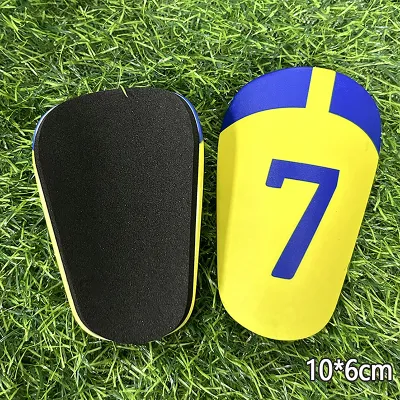
Prices are valid at publication and may change. Please refer to the product page for the latest price.
In football, the primary objective is defending the anterior tibia (shin bone) from localized, high-velocity impacts. These typically come from direct kicks, stray cleats, and hard turf collisions. Because football requires continuous sprinting, rapid changes of direction, and precise ball control, the protectors must be exceptionally lightweight and low-profile. They need to shield the bone from painful bruising and fractures while remaining virtually unnoticeable under your socks, especially during long matches in hot, humid tropical weather.
Taekwondo demands a different style of protection that covers both the shin and the instep (the top of the foot). Sparring involves high-impact exchanges where bone frequently meets bone during kicks and blocks. The protector must absorb and disperse blunt force across a wider surface area to protect the delicate metatarsal bones in the foot as well as the shin. Because agility is key, these guards must be flexible enough to allow full ankle flexion and extension during rapid-fire kicking combinations.
Motorcycling carries the highest risk profile of the three activities, demanding heavy-duty protection against both extreme impact forces and high-speed abrasion. If a rider falls, the lower legs are highly vulnerable to being pinned under the bike, striking road barriers, or sliding across rough asphalt. Motorcycle leg protectors must cover the shin, knee, and often the sides of the leg. They require robust, rigid outer shells and energy-absorbing liners that can withstand severe friction and multi-directional impacts on the road.
Key Design and Material Features to Check
When evaluating safety leg protectors, pay close attention to the materials used in the outer shell, the density of the inner padding, and how the guard secures to your leg.

Outer shells generally fall into two categories: rigid plastics and flexible foams. Rigid shells, often made of polypropylene, polycarbonate, or carbon fiber, are excellent at deflecting sharp, localized impacts. These are standard in football and motorcycling gear. Flexible, high-density EVA foam or specialized reactive gels are more common in martial arts, as they contour to the body and absorb shock through compression. For tropical climates, look for shells with built-in ventilation ports and perforated foam backing to help manage sweat and heat buildup.
Retention systems are critical because a protector that shifts during movement cannot safeguard you when an impact occurs. Slip-in designs are popular in football for their minimalist feel, but they require a snug compression sleeve or tight socks to stay in place. Strap-and-buckle or wide Velcro systems are standard for taekwondo and motorcycling, offering a highly adjustable fit. When choosing strap-based guards, ensure the straps are wide and made of high-quality elastic to prevent them from cutting into your circulation or losing tension over time.
Coverage area and joint articulation determine how much of your leg is shielded and how easily you can move. Shin-only plates provide targeted protection for football but leave the knees and ankles exposed. Taekwondo guards extend down to the foot with a flexible fabric hinge to protect the instep. Motorcycle protectors offer the most comprehensive coverage, often featuring articulated mechanical hinges at the knee joint. These hinges allow the guard to bend naturally with your leg while maintaining continuous coverage over the kneecap and shin as you transition between standing and riding positions.
Matching the Protector to Your Specific Sport or Ride
To ensure you select the correct gear, look for specific design elements tailored to the rules and physical realities of your activity.
For football, prioritize lightweight, low-profile slip-in guards that comply with standard match regulations. These guards must fit entirely within your socks and should not extend too high up the leg, which can restrict knee flexion. Look for anatomical left-and-right designs that mirror the natural curve of your shins. If you play on hard, dry ground or artificial turf, consider guards with a slightly thicker EVA foam backing to better absorb the shock of hard falls.
For taekwondo, select specialized instep-and-shin guards that are officially approved by your sport’s governing body if you plan to compete. These protectors should feature a secure, wrap-around design with dual or triple Velcro straps to prevent twisting during intense sparring. The instep portion must cover the top of your foot completely without covering the toes or the sole, ensuring your foot maintains a firm, non-slip grip on the training mat.
For motorcycling, look for armored guards that carry verifiable safety certification labels, such as the CE EN 1621-1 rating, printed directly on the product tag or molded into the armor itself. These guards should feature heavy-duty plastic knee cups, extended shin plates, and secure fastening straps that can be adjusted to fit over or under your riding pants. Ensure the lower portion of the guard integrates smoothly with your riding boots without creating uncomfortable pressure points against your ankle bones.
Fit, Sizing, and Comfort Checks
An ill-fitting leg protector is not only uncomfortable but can also fail to protect you during an impact. Taking precise measurements is the first step to securing a proper fit.
Before purchasing, use a flexible measuring tape to measure your shin length from just below the kneecap down to the top of your ankle. You should also measure the circumference of your calf at its widest point. Compare these measurements directly to the manufacturer’s specific sizing chart, as sizing can vary significantly between brands. Do not rely on your height or clothing size to estimate your protector size.
Once you have the protectors, perform activity-specific movement tests to evaluate the fit. For football, perform a series of high-knees, lunges, and quick ankle rotations to ensure the guards do not slide down or pinch your ankles. For taekwondo, execute a few light kicks and deep stances to check if the straps restrict your movement or dig into the back of your knees. For motorcycling, sit on your bike or mimic your riding posture; the knee cup must align perfectly with your kneecap when your knees are bent, and the shin guard should not push upward against your thigh.
Pay close attention to warning signs of a poor fit during these tests. If the protector slides down within a few minutes of light movement, leaves deep red pressure marks on your skin, or restricts your blood flow, it is either the wrong size or the wrong shape for your leg structure. A guard that is too large will shift during a fall or collision, leaving vulnerable areas exposed, while a guard that is too tight will cause muscle fatigue and cramping.
Care, Maintenance, and Replacement Signals
Proper upkeep ensures your safety gear remains hygienic and performs effectively over its lifespan, especially when subjected to heavy sweat and humid conditions.
After every use, wipe down the hard outer shells with a damp cloth and hand-wash the fabric or foam portions using mild soap and cool water. Avoid using harsh chemical detergents, bleach, or machine washing, which can break down the protective foams and weaken the adhesives. Always air-dry your protectors completely in a well-ventilated, shaded area. Never leave them in a closed gym bag, and avoid drying them in direct, intense sunlight, as extreme heat can warp plastic shells and cause foam padding to become brittle.
Regularly inspect your leg protectors for signs of wear and degradation. Look for hairline cracks in plastic shells, compressed foam padding that no longer rebounds when pressed, frayed stitching, or stretched-out elastic straps that lose their grip. While basic football guards are relatively affordable, ranging from ₱300 to ₱1,000, high-quality certified motorcycle armor or specialized martial arts gear can range from ₱1,500 to over ₱5,000. Regardless of the cost, any protector that has sustained a severe impact—such as a high-speed motorcycle slide or a heavy collision—should be replaced immediately, even if there is no visible external damage, as the internal structure may be compromised.
Frequently Asked Questions (FAQ)
Can I use football shin guards for martial arts or motorcycling?
No. Football shin guards are designed solely to deflect low-mass, localized impacts from soccer balls and cleats. They do not have the shock-absorption capacity required to handle heavy martial arts strikes, nor do they offer the abrasion resistance, joint stabilization, or coverage area necessary to protect you during a motorcycle fall. Using them outside their intended sport leaves you highly vulnerable to severe injury.
How do I know if my leg protector still offers adequate protection?
Perform a physical inspection before every use. Press firmly on the foam padding; if it feels permanently compressed, hard, or brittle, it can no longer absorb shock effectively. Check the outer plastic shell for any bending, discoloration, or cracking. If the straps are stretched out and can no longer hold the guard firmly in place during movement, the protector has reached the end of its useful life and must be replaced.
Community discussion
Share your experience or ask a question. Comments are reviewed before publication.