
Finding the right skuter for boys requires looking beyond the age recommendation on the box. While age provides a general starting point, a child’s physical coordination, balance, and confidence are the true indicators of which model will keep them safe and active. Matching their developmental stage to the correct design ensures they build confidence without facing unnecessary risks.
Generally, young toddlers benefit most from the inherent stability of three-wheel designs, while older children with developed coordination can transition to two-wheel kick scooters. Motorized or electric options are reserved for older youth who possess the reflexes and maturity to handle higher speeds. By diagnosing your child’s current motor skills, you can select a ride that supports their growth and outdoor play.
Assessing Your Child's Readiness and Riding Environment
Before browsing online marketplaces or local sports shops, take a close look at how your child moves. Observe their daily physical activities to gauge their core balance and steering coordination. A child who easily navigates a balance bike or shows steady footing on uneven ground is often ready for a more dynamic ride than one who still struggles with basic coordination.
Products mentioned in this guide
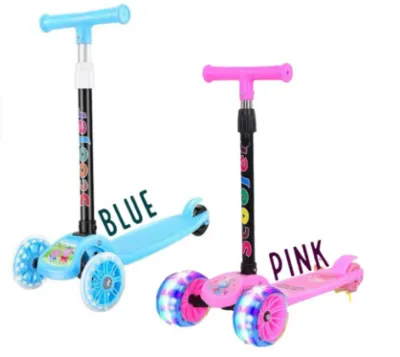
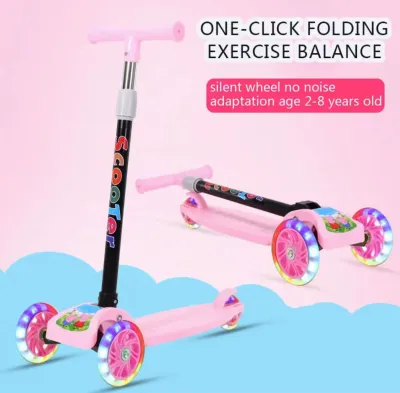
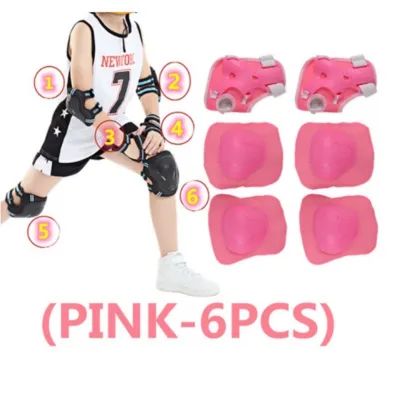
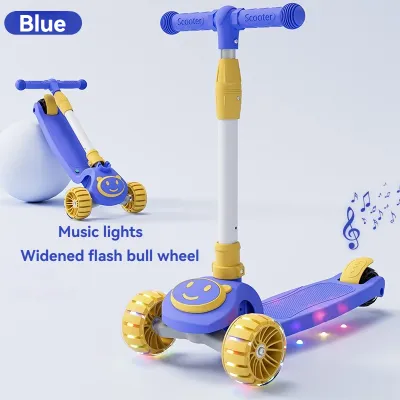
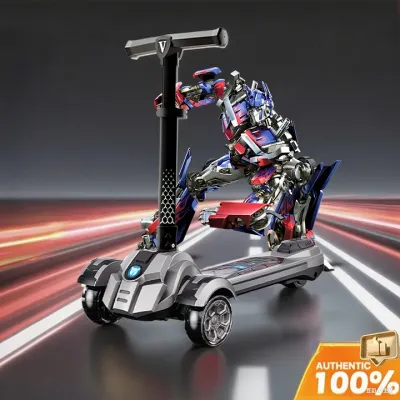
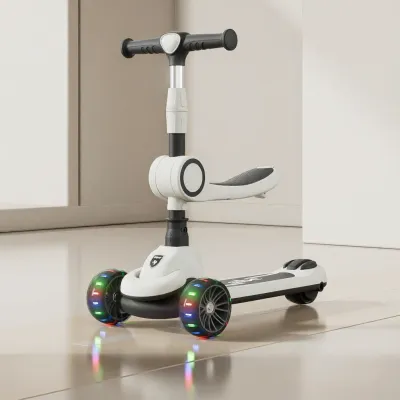
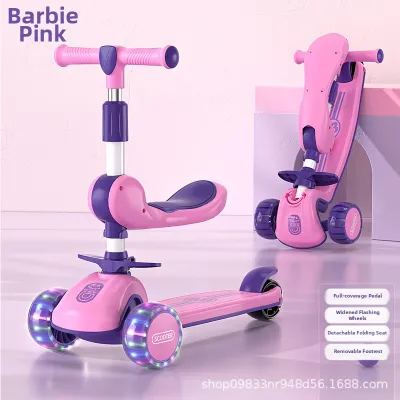
Prices are valid at publication and may change. Please refer to the product page for the latest price.
The environment where they will ride plays an equally critical role in your decision. In many neighborhoods across the Philippines, riding surfaces vary from smooth concrete subdivision roads to bumpy, cracked pavements or tiled park pathways. High humidity and sudden tropical downpours can also make outdoor surfaces slick, meaning you must consider how well a scooter’s wheels and deck can handle local conditions.
Additionally, evaluate your child’s ability to follow safety instructions. A scooter is more than a toy; it requires the rider to stop on command, avoid obstacles, and stay clear of traffic. If your child has prior experience with skateboards or balance toys, they may adapt to steering and braking much faster, allowing you to look at models that offer room for skill progression.
Matching Scooter Types to Age and Skill Stages
As children grow, their riding needs shift from basic stability to speed and maneuverability. When evaluating options, always prioritize the manufacturer’s official specifications, checking the recommended age and skill level printed directly on the product packaging or user manual.

3-Wheel Scooters for Toddlers and Beginners
For toddlers and young beginners, three-wheel scooters offer the necessary stability to build confidence. These models typically feature two configurations: two wheels in the front for easier steering stability, or two wheels in the back, which prevents the rider’s kicking foot from hitting the rear wheels. The two-front-wheel design is highly popular because it supports the natural leaning motion of young children.
Steering mechanisms also differ significantly at this stage. Many beginner models use a lean-to-steer system, where the child tilts their body weight to turn, helping them develop core balance. Others use a traditional turn-to-steer handlebar, which functions like a bicycle. When choosing, inspect the deck width to ensure both of your child’s feet can fit comfortably during rest, and verify that the handlebar height is adjustable to accommodate rapid growth spurts.
2-Wheel Kick Scooters for Growing Riders
The transition to a two-wheel skuter for boys is a major milestone that requires active balance. You will know your child is ready when they can ride a three-wheel model at high speeds without losing balance, or when they naturally lean into turns with ease. Two-wheel models require the rider to maintain upright balance continuously, offering much greater maneuverability and sharper turns.
Handling a two-wheel model demands coordinated braking, which is usually done by pressing the heel down on the rear fender brake. Because these models travel faster, stopping quickly requires practice and physical coordination. Before purchasing, check the manufacturer’s weight limit and ensure the deck features a high-traction grip tape to prevent slipping, especially during humid or damp afternoons.
Electric Scooters for Older, Experienced Riders
Motorized or electric scooters introduce speed and mechanical power, making them suitable only for older, highly experienced riders. Operating an electric model requires advanced traffic awareness, rapid reflexes, and a mature understanding of safety rules. In the Philippines, riders must also adhere to local transport regulations regarding where motorized personal mobility devices can be operated.
Because electric models travel at higher speeds, safety gear upgrades are non-negotiable. Standard plastic helmets should be upgraded to certified, impact-resistant helmets, and riders must wear durable knee, elbow, and wrist pads. Always verify the manufacturer’s minimum age recommendation, weight capacity, and battery safety certifications on the product label to ensure the electrical components meet standard safety guidelines.
Key Safety and Fit Checks Before You Buy
To ensure a safe and comfortable ride, you must perform several physical checks before finalizing your purchase. First, measure your child’s height and compare it to the scooter’s handlebar range. When your child stands on the deck, the handlebars should rest comfortably between their waist and hip level. Handlebars that are too high make steering difficult, while handlebars that are too low force the child to hunch over, causing back strain and reducing control.
Next, test the braking system to match your child’s physical strength. Younger riders often find foot-operated rear fender brakes easier to use, while older children may prefer hand brakes. Ensure your child has the hand span and grip strength required to squeeze a hand brake fully to a stop.
Finally, inspect the structural components of the scooter. Look for a sturdy deck material, such as reinforced plastic for toddlers or aluminum alloy for older boys. Check the wheel hardness; softer polyurethane wheels offer better grip on rough concrete, while harder wheels roll faster but transmit more vibrations. If the model features a folding mechanism, inspect it closely to ensure it locks securely into place without creating pinch points that could injure small fingers.
When to Upgrade or Replace the Current Scooter
Children outgrow their outdoor gear quickly, and riding an undersized scooter can lead to accidents. Keep an eye out for physical indicators, such as your child’s weight approaching the manufacturer’s maximum limit or their knees bending excessively because the handlebars cannot be raised any higher. If their toes hang off the edges of the deck, it is time to look for a larger model.
Skill-based signals are equally telling. If your child constantly complains that their scooter is too slow, or if they attempt to perform jumps and tricks on a basic recreational model, they have outgrown its capabilities. Standard recreational scooters are not designed to handle the impact of tricks, which can lead to sudden structural failure.
Regularly inspect the current scooter for signs of wear and tear. Check for flat spots on the wheels, loose steering columns, or a folding mechanism that no longer locks tightly. In humid tropical climates, metal parts may also show signs of rust or corrosion over time. If you notice structural degradation or compromised brakes, replace the scooter immediately rather than attempting temporary repairs.
Frequently Asked Questions (FAQ)
Can a beginner skip the 3-wheel scooter and start directly on a 2-wheel kick scooter?
While some beginners with exceptional balance can start directly on a two-wheel model, skipping the three-wheel stage generally increases the risk of falls and minor injuries. If your child has extensive experience with balance bikes, they may transition quickly. However, it is best to assess their core strength and steering coordination in a flat, traffic-free area before committing to a two-wheel design.
What safety gear is mandatory for boys riding kick scooters?
A properly fitted, certified helmet is the most critical piece of safety gear and should be worn on every ride. Closed-toe shoes with rubber soles are also mandatory to protect feet and provide adequate grip on the deck. For beginners and those riding on uneven concrete surfaces, adding knee pads, elbow pads, and wrist guards is highly recommended to prevent scrapes and bruises during falls.
Community discussion
Share your experience or ask a question. Comments are reviewed before publication.