
Selecting a scooter for kids involves looking beyond the age recommendation on the box. While age guidelines provide a starting point, your child’s physical development, balance, and coordination are the true indicators of which model will offer a safe and enjoyable ride. A child who is highly coordinated might quickly outgrow a beginner model, while another may need more time to build confidence on a stable platform. By assessing your child’s current motor skills, understanding how different wheel configurations support their learning curve, and verifying the physical fit of the scooter, you can make an informed decision that keeps them active and safe.
Assessing Your Child's Balance and Coordination
Before browsing the outdoor toy aisle or online marketplaces, observe how your child moves during everyday play. Watch them navigate the uneven concrete of a local subdivision street, a grassy park, or a barangay basketball court. If they walk and run with steady confidence, easily recovering their balance when they transition between different surfaces, they possess the baseline core strength needed for a basic scooter. Physical readiness varies wildly among children of the same age, making direct observation the most reliable tool for parents.
Next, test their static and dynamic balance with simple games. Ask them to stand on one foot while counting to five, or encourage them to hop on one leg. A child who can successfully perform these movements has developed the unilateral balance required to push off the ground with one foot while gliding on another. If they struggle to stay upright or frequently wobble during these playful tests, they will benefit from a highly stable, self-standing scooter configuration that does not require constant active balancing.
Products mentioned in this guide
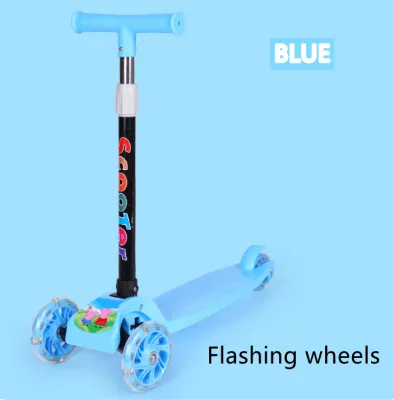
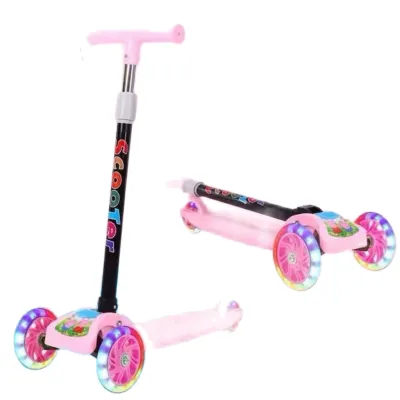
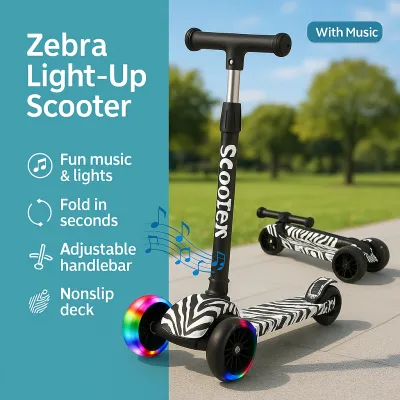
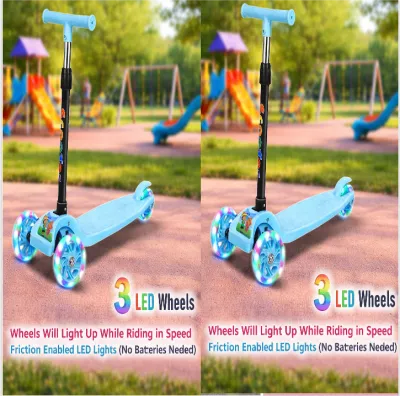
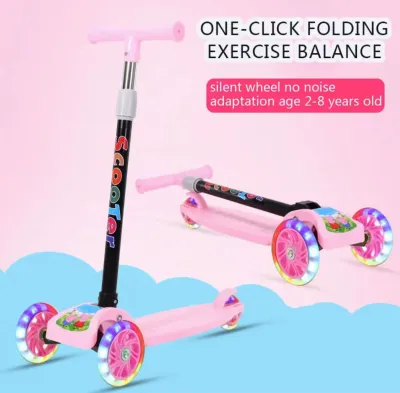
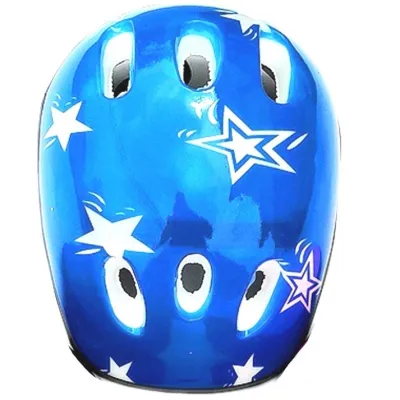
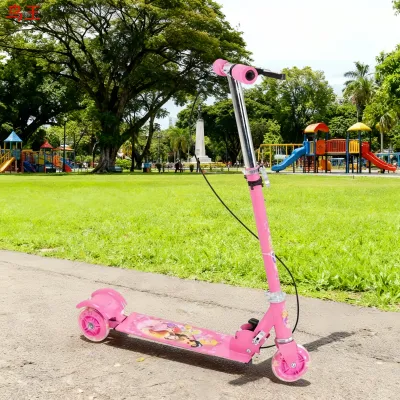
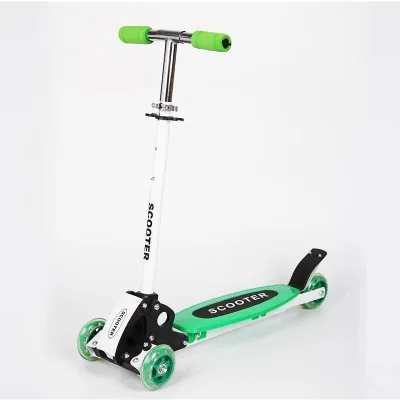
Prices are valid at publication and may change. Please refer to the product page for the latest price.
Finally, evaluate their cognitive readiness and spatial awareness. A safe rider must understand basic steering concepts, recognize obstacles ahead, and respond to your verbal commands to stop. If your child struggles to judge distances or tends to ignore safety boundaries, they will need a slower, more intuitive steering system. This cognitive readiness is just as important as physical strength, as it directly impacts their ability to avoid hazards and ride responsibly.
Matching Scooter Types to Developmental Stages
Scooters are generally divided into categories that align with specific developmental milestones. The primary differentiator is the steering mechanism: some models utilize a “lean-to-steer” system where the child shifts their body weight to curve left or right, while others feature direct handlebar steering similar to a bicycle. Understanding these mechanisms helps you choose a model that matches your child’s current coordination level rather than forcing them to adapt to an overly complex control system.

Additionally, physical dimensions like deck width, overall weight, and handlebar adjustability must match your child’s growth phase. A wide, low-to-the-ground deck provides a reassuring platform for small feet, whereas a narrower, lighter deck allows older children to maneuver quickly. Matching these physical attributes to your child’s assessed coordination ensures they feel confident and in control. This developmental framework prevents the frustration of a scooter that is either too advanced to steer or too basic to enjoy.
3-Wheel Scooters for Toddlers and Beginners
For toddlers and young children still mastering basic motor skills, a three-wheel scooter is the ideal starting point. Most of these models feature two wheels in the front and one in the back, creating a self-standing design that does not tip over when stationary. This configuration utilizes a lean-to-steer mechanism, which teaches children how to shift their weight to turn. This intuitive motion helps build lateral balance and core strength without the risk of sudden jackknifing that can occur with traditional handlebars.
When selecting a three-wheel model, always check the manufacturer’s product label or manual to verify the minimum age, height, and weight limits. These specifications ensure the deck can support your child’s weight safely and that the steering tension is appropriate for their physical strength. Operating a scooter that is rated for a heavier weight class can make steering incredibly difficult for a lightweight toddler.
You will know your child is ready to move on when they begin riding at high speeds, complain that the scooter cannot turn sharply enough, or actively try to lift the front wheels. These behaviors indicate they have mastered weight shifting and are seeking the greater agility and speed that only a two-wheel model can provide.
2-Wheel Scooters for Developing Balance
Once a child can confidently glide on three wheels and demonstrates excellent balance, they are ready to transition to a two-wheel kick scooter. This style requires continuous active balance to remain upright, making it a fantastic tool for refining coordination. Two-wheel models feature direct handlebar steering, allowing for much sharper turns and greater agility on paved paths. This transition marks a significant step up in riding dynamics and physical engagement.
When choosing a two-wheel model, consider the riding surfaces in your neighborhood. Smaller, hard polyurethane wheels are excellent for smooth, flat concrete but can transmit significant vibration on rough roads. Larger wheels roll more easily over cracks, small pebbles, and uneven pavement, offering a smoother and safer ride. If your child plans to try basic tricks eventually, smaller wheels offer the responsiveness they need, whereas larger wheels are better suited for commuting and casual cruising.
Before purchasing, verify the scooter’s maximum weight capacity and inspect the brake type. Most two-wheel kick scooters utilize a rear fender brake that requires the child to step down on the back mudguard. Ensure your child’s foot can easily reach and apply pressure to this mechanism without losing their balance on the deck.
Electric and Stunt Scooters for Older Kids
Advanced options like electric and stunt scooters are designed for older children who have fully developed their physical coordination and safety awareness. Electric scooters introduce motorized speed, which demands advanced traffic awareness, rapid reaction times, and precise braking control. Because of the increased risks associated with motorized travel, parents must strictly adhere to local municipal regulations regarding speed limits, helmet mandates, and age restrictions on public pathways.
Stunt scooters, on the other hand, are specialized machines built strictly for skateparks and trick riding. They feature reinforced, non-folding frames and fixed handlebars designed to withstand heavy impacts from jumps and grinds. Because they lack folding joints and adjustable handlebars, they are incredibly durable but are not intended for casual commuting or rough neighborhood streets.
Before considering either option, consult the manufacturer’s safety manual to understand the specific skill prerequisites. Ensure your child is committed to wearing professional-grade safety gear and receiving proper training. These advanced models should never be treated as toys, as they require a high level of discipline and respect for safety rules.
Key Fit and Safety Checks Before You Buy
To ensure the scooter is safe and comfortable, perform a physical fit check before your child rides. Have your child stand on the deck and hold the handlebars. The grips should rest comfortably at waist or hip level. If the handlebars are too high—near the chest or face—the child will struggle to steer and could suffer facial injuries during a sudden stop. If they are too low, the child will hunch forward, compromising their balance and straining their back.
Next, inspect the physical components of the scooter. In a humid, tropical climate, sweaty hands can easily slip off cheap plastic grips. Look for high-traction rubber grips with raised outer edges to keep hands secure. The deck surface must have a rough, sandpaper-like grip tape or a deeply textured rubber pattern to prevent shoes from slipping, especially if they encounter damp patches or sudden afternoon rain showers. Test the braking mechanism to ensure it is responsive and can be easily operated by your child’s foot or hand without requiring excessive force.
Finally, examine the structural hardware. If the scooter features a folding mechanism, quick-release levers, or adjustable handlebar clamps, verify that they lock tightly into place with no play or wobble. Ensure these mechanisms are designed to prevent pinch points that could injure small fingers during assembly or adjustment. A sturdy, well-locked frame is essential for preventing structural failures while riding.
When to Upgrade to the Next Scooter Stage
Children grow quickly, both physically and in their athletic abilities. Keep an eye out for clear behavioral signs that your child has outgrown their current ride. If they seem bored during rides, constantly push their three-wheel scooter to its absolute speed limits, or attempt to jump curbs on a standard kick scooter, they are signaling a readiness for a more challenging model. Forcing a highly skilled child to stay on a beginner scooter can actually increase safety risks, as they may attempt maneuvers the equipment cannot support.
Regularly check their physical measurements against the manufacturer’s stated limits. If your child’s weight is approaching the maximum capacity, or if the handlebars cannot be adjusted any higher without passing the safety insertion line, it is time to upgrade. Riding an undersized scooter compromises the child’s center of gravity, making forward falls much more likely.
Before buying a more advanced scooter, arrange a test ride in a safe, controlled environment. An empty, flat driveway or a quiet corner of a local park is perfect for letting them try a friend’s two-wheel or larger scooter. This hands-on trial allows you to observe if they can handle the increased speed and steering sensitivity before you invest in a new model.
Frequently Asked Questions (FAQ)
Do kids need to wear helmets and pads on a 3-wheel scooter?
Yes, protective gear is essential even on highly stable three-wheel scooters. Falls can happen at any speed, especially when a beginner is learning to balance or hits an unexpected crack in the pavement. A properly fitted helmet is the most critical piece of safety equipment and should be worn during every single ride. Knee and elbow pads are also highly recommended, as they protect against painful scrapes during forward falls, giving young riders the confidence to keep practicing.
How do I maintain the wheels and brakes on a kids' scooter?
Regular maintenance keeps the scooter running smoothly and safely. Before every ride, inspect the wheels for embedded debris like small stones or twigs, and spin them to ensure the bearings turn freely without grinding. Check the wheels for uneven wear, which can affect stability. Test the rear fender brake by pressing down on it to ensure it springs back quickly and does not rub against the wheel during normal riding. Always consult the product manual for specific cleaning, lubrication, or replacement instructions.
Community discussion
Share your experience or ask a question. Comments are reviewed before publication.