
Urban commuting has evolved rapidly, making personal micro-mobility vehicles a practical alternative to sitting in gridlock. Choosing the right scooter requires balancing your daily travel distance, local road conditions, physical stamina, and budget. Whether you need a simple manual kick scooter for quick neighborhood trips, an electric scooter to breeze through urban traffic, or a robust moped-style scooter for long-distance travel, each option serves a distinct purpose. By analyzing your specific route and lifestyle, you can select a vehicle that fits your daily routine safely and efficiently.
Assess Your Commute Distance and Terrain
Your daily route is the most critical factor when choosing a scooter. Short trips of one to two kilometers are highly manageable on a manual kick scooter, which relies entirely on your physical effort. Medium distances of three to ten kilometers typically require the motorized assistance of an electric scooter to ensure you arrive on time without excessive fatigue. For daily journeys exceeding ten kilometers, a moped-style scooter offers the necessary range, speed, and stability to keep up with standard road traffic.
Road conditions in the Philippines demand careful consideration of wheel size and suspension. Potholes, uneven asphalt, and gravel can make small-wheeled kick scooters unstable and uncomfortable to ride. If your route features steep inclines, flyovers, or rough patches, look for electric or moped-style scooters with pneumatic tires and dedicated front or rear suspension systems to absorb shocks. Larger wheels generally provide better stability and safety when navigating unpredictable road surfaces.
Products mentioned in this guide
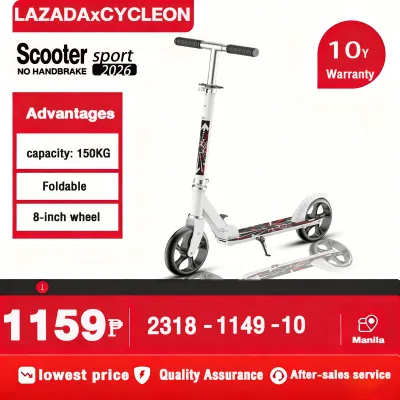
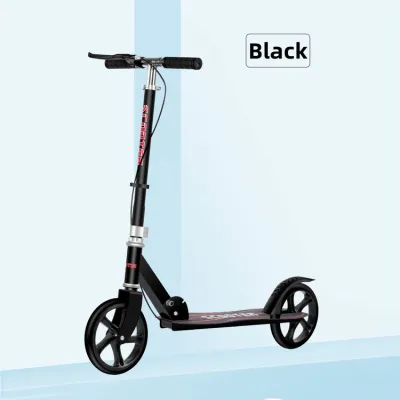
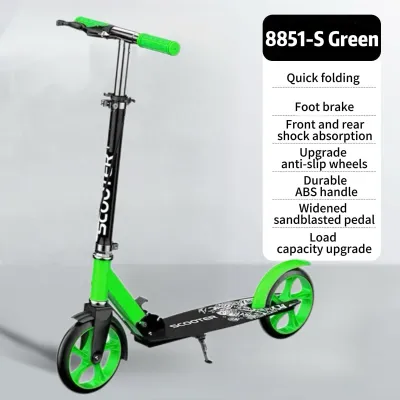
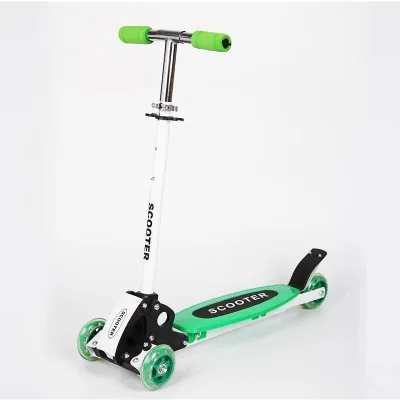
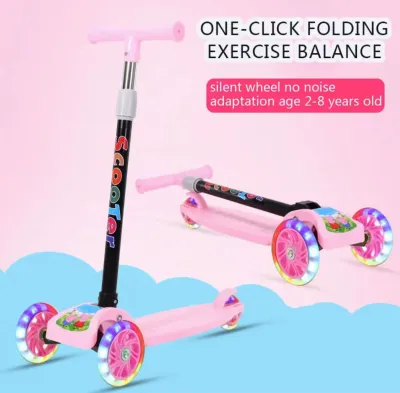
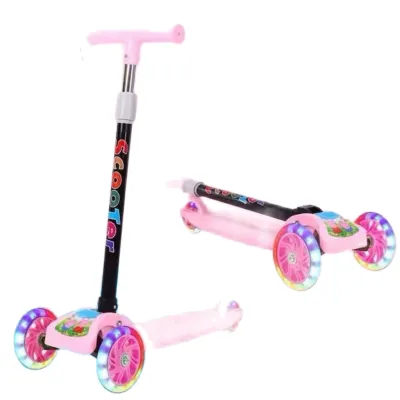
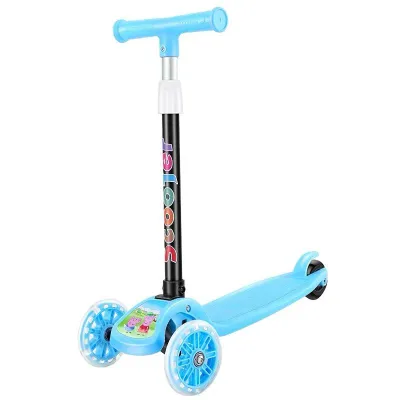
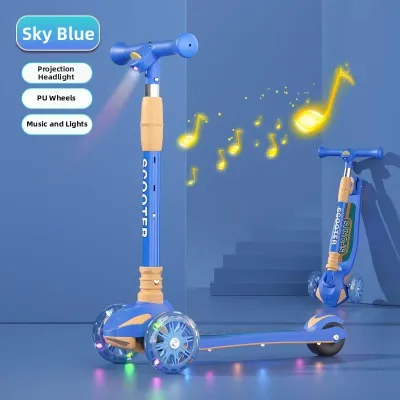
Prices are valid at publication and may change. Please refer to the product page for the latest price.
Tropical weather patterns also play a major role in your decision-making process. Heavy seasonal rains and high humidity can compromise tire traction and damage sensitive electrical components. When evaluating electric or moped-style options, verify the manufacturer’s water-resistance rating (such as an IP rating) and ensure the tires provide sufficient wet-weather grip. Riding any scooter in wet conditions requires extra caution, reduced speeds, and longer braking distances.
Evaluate Your Physical Ability and Portability Needs
Riding a manual kick scooter is an active physical workout that requires constant kicking, balancing, and core engagement. This makes it an excellent choice for short, active trips, but it may cause fatigue on longer commutes or under the midday tropical sun. Electric and moped-style scooters offer a more relaxed, effortless ride, allowing you to arrive at your destination without sweating. Consider your physical fitness level and whether you view your commute as a workout or a simple transit method.

Portability is another key factor, especially if your commute involves multi-modal transportation. A lightweight, folding kick scooter is easy to carry onto public transit, up office stairs, or store under a desk. Electric scooters are heavier due to their motors and batteries, but many models still fold down for reasonable portability in elevators or car trunks. If you need to lift your scooter frequently, check the total weight before purchasing.
Moped-style scooters, on the other hand, are heavy, non-foldable vehicles that require dedicated parking spaces. If you live in a high-rise condominium without ground-floor parking or need to carry your ride up several flights of stairs, a moped-style scooter is highly impractical. Assess your physical lifting capacity and storage limitations before committing to a heavier vehicle. You must also ensure you have a secure place to park a larger vehicle safely.
Compare Scooter Types: Kick, Electric, and Moped
Kick scooters represent the simplest and most reliable form of personal micro-mobility. Because they have no batteries, motors, or complex wiring, they require virtually no maintenance and are always ready to ride. They are best suited for flat, short-distance pavements and riders who prioritize extreme portability and low cost. They are also highly durable, as there are very few parts that can break or wear out over time.
Electric scooters, or e-scooters, bridge the gap between manual kick scooters and motorized road vehicles. They offer a balanced combination of moderate speed, foldable designs, and sufficient battery range for typical urban commutes. E-scooters allow you to bypass heavy traffic on bike lanes or side streets, making them highly popular for city professionals. They require regular charging but offer a highly efficient way to navigate congested business districts.
Moped-style scooters are designed for long-distance travel, higher speeds, and carrying heavier cargo or passengers. These vehicles feature larger frames, comfortable seats, and robust suspension systems suitable for main roads. However, they lack the portability of folding scooters and must be treated as full-sized road vehicles, requiring dedicated parking and adherence to standard traffic lanes. They are ideal for riders who do not need to carry their vehicle indoors.
Set Your Budget and Factor in Ongoing Costs
Initial purchase prices vary significantly across the three categories. Manual kick scooters are the most affordable option, typically ranging from under ₱2,000 to ₱8,000 depending on build quality and wheel size. Electric scooters represent a mid-tier investment, with entry-level models starting around ₱15,000 and high-performance, long-range models exceeding ₱50,000. It is important to choose a reputable brand that offers reliable customer support and spare parts.
Moped-style scooters require the highest upfront cost, often starting from ₱40,000 and reaching well over ₱100,000 for premium electric or gasoline-powered models. Beyond the purchase price, you must factor in ongoing operational costs. Electric models require regular charging, which will slightly increase your home electricity bill, and their batteries will eventually need replacement after several years of use. Gasoline models will require regular fuel purchases and oil changes.
Maintenance and legal fees also differ by category. Kick scooters require minimal upkeep, such as occasional bearing lubrication or brake adjustments. Electric and moped-style scooters require regular checks on tires, brake pads, and electrical connections. Additionally, higher-speed moped-style vehicles usually require official registration with the Land Transportation Office (LTO) and third-party insurance, adding to your annual expenses. Be sure to factor these recurring costs into your long-term budget.
Final Decision Checklist and Next Steps
To make your final decision, match your primary needs to the correct category. Choose a kick scooter if you have a short, flat commute, value portability, and want a low-cost, fitness-friendly option. Select an electric scooter if you need to cover moderate distances quickly without sweating, but still need to fold and store your ride indoors. Opt for a moped-style scooter if you travel long distances daily, need to carry cargo, and have dedicated parking.
Before purchasing, visit a local specialty shop to test ride different models and evaluate their handling, braking, and comfort. It is also essential to verify the latest guidelines from the Land Transportation Office (LTO) regarding electric vehicle classifications, as some high-power e-scooters may require registration or specific driver’s licenses. Local government units may also have specific ordinances regarding where certain scooters can be ridden.
Always budget for high-quality safety gear, including a properly fitted helmet, closed-toe shoes, and high-visibility clothing or lights for night riding. Regardless of the scooter type you choose, perform a quick pre-ride inspection of the brakes, tires, and folding mechanisms before every journey to ensure a safe ride. Proper maintenance and defensive riding habits are your best protection on the road.
Frequently Asked Questions (FAQ)
Do I need a license to ride an electric or moped-style scooter?
In the Philippines, licensing and registration requirements depend on the vehicle’s maximum speed and motor wattage. Low-speed electric scooters designed for sidewalks or bike lanes generally do not require a driver’s license or registration. However, faster electric scooters and all moped-style vehicles must be registered with the Land Transportation Office (LTO), and riders must possess a valid driver’s license. Always check the latest LTO administrative orders to verify the exact classification of your chosen model.
Which scooter type is safest for riding in heavy traffic?
Moped-style scooters are generally safer for riding in heavy traffic because their higher speeds and larger physical presence allow them to keep pace with other motor vehicles. Kick scooters and low-speed electric scooters are not designed for main roads and should be restricted to dedicated bike lanes, sidewalks, or quiet residential streets. Regardless of the scooter type, maximizing your visibility with bright lights, reflective vests, and defensive riding techniques is crucial for staying safe in congested urban areas.
Community discussion
Share your experience or ask a question. Comments are reviewed before publication.