
Quick Answer: Matching Scott Bike Categories to Your Riding Goals
If you ride primarily on smooth pavement and prioritize speed, a road bike is your ideal match. For rugged off-road trails, steep descents, and rocky paths, a mountain bike offers the necessary suspension and traction. If you want the flexibility to transition from paved city streets to unpaved gravel paths, a gravel or hybrid bike provides the ultimate versatility. Ultimately, choosing the right model requires a self-diagnosis of your typical terrain, fitness goals, and how often you plan to ride.
Diagnose Your Riding Profile: Terrain, Distance, and Goals
Before browsing specific models, take an honest look at where and how you will actually ride. In tropical climates like the Philippines, road conditions can vary dramatically within a single route. You might encounter smooth asphalt, sudden potholes, steep paved climbs, or muddy dirt paths after a heavy downpour. Identifying your primary terrain is the first step in narrowing down your options.

Next, consider your typical ride distance and intensity. Are you looking for a reliable commuter for short daily trips, an endurance machine for long weekend rides, or an aggressive setup for competitive racing? A rider training for century rides has vastly different structural needs than someone navigating dense urban traffic.
Products mentioned in this guide
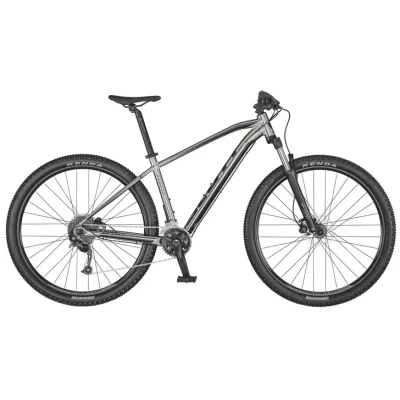
Prices are valid at publication and may change. Please refer to the product page for the latest price.
Finally, assess your physical comfort preferences and flexibility. An aggressive, aerodynamic riding position maximizes speed but requires significant core strength and flexibility. Conversely, an upright posture reduces strain on your neck and lower back, making it much more suitable for casual fitness and long, relaxed outings.
Match Your Profile to Scott's Core Bike Categories
Scott organizes its lineup into distinct families designed for specific environments. When exploring these categories, always verify current model availability and consult the manufacturer’s official geometry charts to ensure a proper fit.
Road Bikes: Speed, Pavement, and Endurance
Road bikes are engineered for efficiency on paved surfaces, featuring lightweight frames and narrow tires that minimize rolling resistance.
- Aero Road Bikes: These models feature deep-section tubing, integrated cabling, and highly aggressive geometry designed to slice through the wind. They are exceptionally stiff, translating every watt of pedal power into forward momentum, making them ideal for flat-out speed, criteriums, and fast group rides.
- Endurance and Climbing Road Bikes: Designed with a slightly more upright riding position, these bikes prioritize comfort over long distances. They often incorporate frame compliance technologies to damp road vibrations and feature lighter frame weights optimized for steep climbs.
- Key Check: Before purchasing, verify the frame's tire clearance. For local roads that may be uneven or prone to debris, choosing a frame that accommodates wider road tires (such as 28mm or 32mm) can significantly improve comfort and grip.
Mountain Bikes: Trails, Descents, and Technical Terrain
Mountain bikes are built to withstand the abuse of off-road riding, featuring robust frames, wide knobby tires, and suspension systems to absorb impacts.
- Cross-Country (XC): Optimized for climbing efficiency and speed on moderate trails, XC bikes feature lightweight frames, steeper head tube angles, and shorter suspension travel (typically 100mm to 120mm). They are perfect for smooth dirt paths, fire roads, and marathon-style off-road racing.
- Trail and Enduro: Built for technical descents, rock gardens, and steep drops, these bikes feature longer suspension travel (130mm to 170mm) and slacker frame geometry for high-speed stability. They prioritize durability and control over pure climbing speed.
- Key Check: High-risk off-road riding demands that you recognize your personal skill limits. Always inspect your suspension settings, tire pressure, and braking system before hitting technical trails. Remember that advanced equipment cannot replace proper skills training, and you should stop riding if weather conditions make trails unsafely slick or unpredictable.
Gravel and Hybrid Bikes: Mixed Surfaces and Versatility
For riders who refuse to be limited to a single terrain type, multi-surface bikes offer a balanced middle ground.
- Gravel Bikes: Combining the drop-bar efficiency of a road bike with the rugged tire clearance of a mountain bike, gravel models are built for adventure. They feature stable geometry, multiple gear options, and clearance for wide, treaded tires, making them excellent for unpaved provincial roads and light trail exploration.
- Hybrid and Fitness Bikes: Featuring flat handlebars and an upright riding position, hybrid bikes offer excellent visibility and control in urban environments. They utilize durable components and medium-width tires, making them highly practical for daily commuting, grocery runs, and casual weekend fitness.
- Key Check: If you plan to use your bike for commuting or multi-day touring, verify that the frame includes dedicated mounting points for cargo racks, mudguards, and bottle cages.
Evaluate Key Specifications: Frame, Geometry, and Components
Once you have selected a category, comparing technical specifications will help you choose the right tier for your budget and performance expectations.
- Frame Materials: Carbon fiber frames offer the ultimate combination of low weight, high stiffness, and built-in vibration damping, but they come at a premium price. Aluminum frames are highly durable, impact-resistant, and cost-effective, though they carry a slight weight penalty and tend to transmit more road buzz to the rider.
- Geometry and Fit: Do not rely solely on your height to choose a size. Pay close attention to stack (the vertical distance from the bottom bracket to the top of the head tube) and reach (the horizontal distance between those same two points). These measurements dictate how stretched out or upright you will feel on the bike.
- Drivetrain and Braking: Ensure the gear range matches your local topography; steep mountain passes require a wider gear range with smaller climbing gears, while flat coastal routes favor tighter gear steps. Additionally, hydraulic disc brakes are highly recommended for consistent, powerful stopping performance, especially during sudden tropical downpours and in high-humidity environments.
Finalize Your Decision: Fit, Budget, and Next Steps
Making a final decision involves balancing your financial limits with practical preparation to ensure a safe and enjoyable ownership experience.
- Budget Allocation: When planning your purchase, do not spend your entire budget on the bicycle alone. Reserve a portion of your funds (typically ₱5,000 to ₱10,000 or more) for essential safety gear, quality pedals, a floor pump, and initial maintenance services.
- Professional Bike Fit: A bike that does not fit properly will quickly lead to discomfort or injury. We highly recommend visiting an authorized local dealer for a professional fitting session or a comprehensive test ride to confirm that the frame size and contact points suit your body geometry.
- Purchase Channels: To protect your investment, always purchase through authorized physical bike shops or official brand stores on reputable e-commerce platforms. This ensures you receive a genuine product, valid warranty coverage, and access to professional after-sales mechanical support.
Frequently Asked Questions (FAQ)
Are Scott bikes suitable for beginners?
Yes, the brand offers a wide range of entry-level aluminum models across their road, mountain, and hybrid categories. Beginners should focus on finding a model that prioritizes a comfortable, upright riding position and reliable mechanical disc or hydraulic brakes rather than investing heavily in ultra-lightweight carbon components.
How do I determine the correct frame size for my height?
Start by measuring your total height and your inseam length, then compare these measurements directly against the official geometry chart for the specific model you are considering. Because sizing standards and frame geometries vary significantly between road, mountain, and gravel categories, a professional consultation or physical test ride is the most reliable way to guarantee a proper fit.
What essential accessories should I buy with my new bike?
Your immediate priority must be safety and basic self-sufficiency. Purchase a certified cycling helmet, high-visibility front and rear lights, and a basic saddle bag containing tire levers, a spare inner tube, a hand pump, and a multi-tool. For performance riding, you may eventually want to consider clipless pedals, cycling shoes, and moisture-wicking apparel.
Community discussion
Share your experience or ask a question. Comments are reviewed before publication.