
Choosing the right self-heating knee pad requires matching the device’s heating mechanism and structural support to your specific physical objective. Whether you are managing post-workout muscle soreness, seeking daily relief for chronic joint stiffness, or navigating a structured injury rehabilitation plan, your choice must prioritize safety features and a precise fit over maximum heat output. For active recovery, look for wide heating zones and flexible fabrics. For chronic pain, prioritize a balance of mild heat and supportive compression. For rehabilitation, select highly adjustable designs with strict temperature controls, and always consult your healthcare provider first. Regardless of your goal, verifying adjustable temperature settings, secure sizing, and reliable auto-shutoff mechanisms is essential to prevent skin irritation or burns, especially when using these devices in warm, humid climates.
Understanding Self-Heating Mechanisms and Safety Limits
To make an informed decision, you must first understand how different self-heating knee pads generate warmth. These products generally fall into two categories: active electrical heating models and passive material-based heating models. Neither technology is universally ideal; instead, each serves different mobility levels, environments, and safety requirements.
Active electrical knee pads utilize integrated heating elements powered by either a rechargeable battery pack or a direct USB connection. These devices offer rapid, consistent, and adjustable warmth, making them highly effective for targeted heat therapy. However, because they generate active thermal energy, you must verify their built-in safety features before purchasing. Look for models that explicitly list auto-shutoff timers, overheat protection sensors, and certified battery components on their product labels. These safety mechanisms are critical to preventing low-temperature burns, which can occur during prolonged exposure even at moderate temperatures.
Products mentioned in this guide
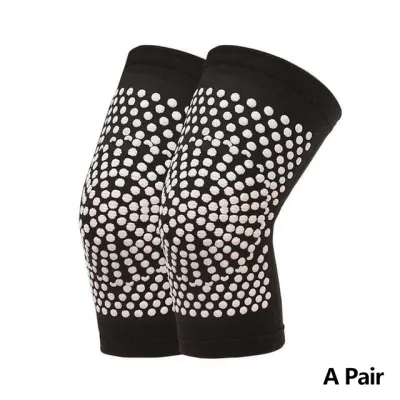
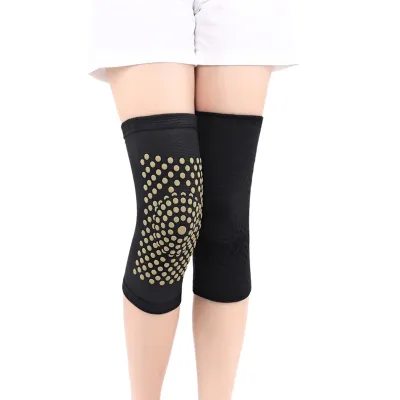
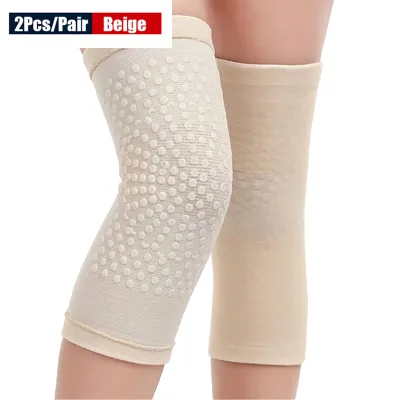
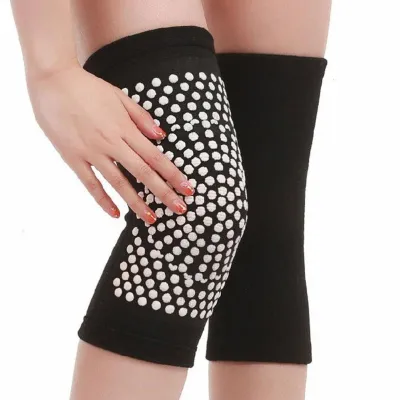
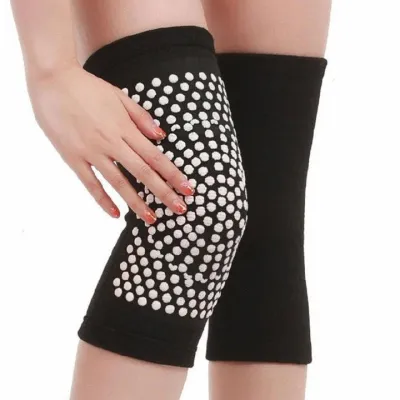
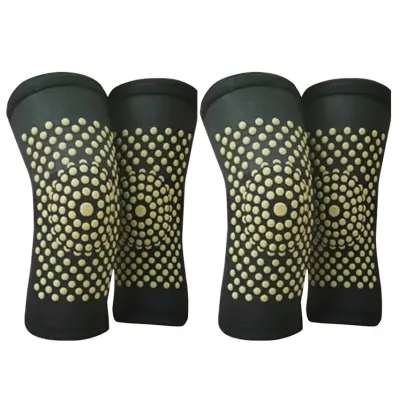
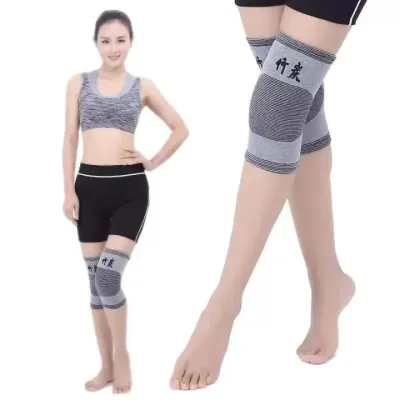
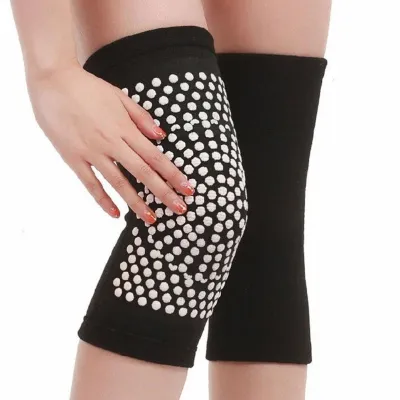
Prices are valid at publication and may change. Please refer to the product page for the latest price.
Passive material-based knee pads rely on specialized fabrics, such as those infused with tourmaline or far-infrared emitting minerals. These materials do not use electricity; instead, they absorb your natural body heat and moisture to reflect mild, continuous warmth back into the joint. While these pads offer excellent mobility and eliminate the risk of electrical malfunction, their thermal output is highly dependent on your personal body temperature and physical activity level. When evaluating these models, verify the actual thermal properties through manufacturer specifications rather than relying on vague marketing claims.
In tropical environments where high humidity and sweat are common, managing the interface between your skin and the heating element is vital. Sweat can increase skin sensitivity and alter how heat is transferred, raising the risk of irritation. If a device lacks precise, multi-level temperature regulation, you should always wear a thin, breathable barrier layer of clothing beneath the pad rather than applying the heating element directly to bare skin.
Key Selection Criteria for Different Use Cases
Your primary physical need dictates the structural design, material composition, and heating profile of the knee pad you should choose. Selecting a model designed for your specific scenario ensures you receive the correct balance of thermal therapy and joint stabilization.

Post-Workout Recovery and Muscle Relaxation
For athletes and active individuals, the primary goal of heat therapy is to increase local circulation, ease muscle tension, and accelerate the recovery of tissues surrounding the joint after intense exercise. When selecting a pad for post-workout recovery, prioritize designs with wider heating zones. The heating elements should extend beyond the kneecap to cover the lower quadriceps and upper calf muscles, as these surrounding muscle groups often carry significant tension.
The materials must be highly flexible and breathable to allow for comfortable resting or light stretching immediately after a workout. Look for moisture-wicking fabrics that can handle residual sweat without trapping moisture against your skin. Additionally, verify that the device features a rapid heat-up time and adjustable intensity levels. This allows you to customize the thermal output based on your immediate post-exercise sensitivity, ensuring a soothing transition from high-intensity movement to rest.
Chronic Knee Pain and Daily Joint Support
Managing chronic joint discomfort during daily activities requires a knee pad that balances continuous, mild thermal therapy with reliable structural support. For this use case, focus on the integration of compression and heat. The pad should provide stable compression to support the joint during movement, but it must not restrict blood flow when the heating element is active.
Discretion and comfort are key for daily wear. Look for low-profile, slim designs that can fit comfortably under standard trousers or office wear without bunching. Because you may wear the pad for extended periods during commutes or work hours, even heat distribution is critical. Verify that the heating elements are evenly dispersed across the fabric to avoid localized hot spots that could cause discomfort or skin irritation over several hours of use.
Injury Rehabilitation and Post-Surgery Care
Using heat therapy during injury rehabilitation or post-surgery recovery requires the highest level of caution and medical oversight. You must consult your physical therapist or attending physician before applying any heating device to a healing joint, as premature or excessive heat can exacerbate swelling or interfere with tissue healing.
For rehabilitation, select a knee pad with precise, incremental temperature controls and a mandatory auto-shutoff feature. Healing skin or areas with surgical scars may have reduced sensitivity, making strict temperature regulation essential to prevent accidental tissue damage. Additionally, look for designs featuring fully adjustable straps and an open-patella layout. These features allow you to customize the fit to accommodate fluctuating swelling, surgical dressings, or external braces without applying direct, pressure to the kneecap.
Fit, Material, and Temperature Control Features to Verify
Before finalizing your purchase, you must evaluate the physical construction, sizing accuracy, and user interface of the knee pad. A high-quality heating element is of little use if the pad does not fit securely or cannot be operated safely.
Sizing and Fit To ensure proper heat transfer and joint support, you must measure your leg accurately before ordering. Use a flexible measuring tape to measure the circumference of your leg at three points: approximately ten centimeters above the center of the kneecap, directly over the center of the joint, and ten centimeters below the kneecap. Compare these measurements carefully with the manufacturer’s sizing chart. Adjustable strap designs are generally superior to fixed, slip-on compression sleeves for recovery and rehabilitation, as they allow you to loosen or tighten the pad to accommodate swelling or changes in clothing thickness.
Material Quality The inner lining of the knee pad should feature hypoallergenic, moisture-wicking fabrics to prevent skin irritation, particularly in warm and humid climates. The outer shell must be durable enough to withstand regular wear and tension from adjustable straps. Because hygiene is essential for wearable sports gear, verify the manufacturer’s washing instructions. Many electrical models require you to remove the battery pack and hand-wash the fabric, while others may allow gentle machine washing only if specific protective caps are secured over the electrical connectors.
Temperature Control Evaluate how easily you can adjust the heat settings while wearing the device. Look for user interfaces with clear visual indicators, such as color-coded LED lights or digital displays, that confirm the current heat level at a glance. Simple button controls integrated directly into the pad or a short tethered controller are often the most reliable. While some modern devices offer mobile application controls, physical buttons ensure you can quickly lower the temperature or turn off the device without needing to unlock a phone.
Power Source Consider where and how you plan to use the knee pad. Tethered models that plug directly into a wall outlet or USB port offer consistent, uninterrupted power and are excellent for stationary use at a desk or on a couch. However, they limit your mobility. Rechargeable battery-powered models offer complete portability, allowing you to move freely or use the pad during outdoor activities. If choosing a battery-powered model, verify the estimated runtime per charge and check if replacement battery packs are readily available from the manufacturer to ensure long-term usability.
How to Build and Evaluate Your Shortlist Before Buying
When searching for a self-heating knee pad on online marketplaces, you must systematically filter your options to avoid low-quality or unsafe products. Start by filtering search results using your primary criteria: your specific use case, the preferred heating mechanism, and the presence of essential safety certifications.
Once you have a shortlist of potential products, read through the user reviews with a critical eye. Rather than focusing solely on the overall star rating, search the text of the reviews for specific feedback regarding battery life, strap durability, and actual heat output. Look for comments from users who have similar physical needs or who use the device in similar climates. Consistent complaints about rapid battery degradation, weak stitching, or uneven heating are clear indicators of poor manufacturing quality.
Next, carefully review the seller’s return policy and warranty terms. A reliable manufacturer should offer a clear warranty period that covers electrical component failures, battery degradation, or heating element malfunctions. Be cautious of sellers who do not provide clear contact information or who offer no recourse for defective electronics.
Finally, cross-reference any safety certifications claimed in the product description with the manufacturer’s official documentation. Legitimate products will often list specific safety standards they have met. If a seller makes grand claims about medical-grade performance or safety guarantees but cannot provide verifiable certification details, it is best to remove that option from your shortlist and choose a more transparent brand.
Frequently Asked Questions (FAQ)
Can I wear a self-heating knee pad while sleeping?
You should not wear an active electrical self-heating knee pad while sleeping. When you are asleep, your body cannot properly register or react to excessive heat, which significantly increases the risk of suffering severe low-temperature burns. Additionally, shifting positions during sleep can cause the heating elements to bunch or press too tightly against your skin, creating dangerous hot spots. If you use a passive, material-based knee pad, verify the manufacturer’s specific guidelines regarding overnight wear, as some materials may still generate excessive heat when trapped under heavy blankets.
How long should I use the heating function per session?
As a general guideline, active heat therapy sessions should last between fifteen and thirty minutes. Prolonged exposure to active heat does not provide additional therapeutic benefits and can lead to skin irritation, increased swelling, or mild burns. Always consult the user manual of your specific device for its recommended session limits, as maximum temperatures vary between models. If you experience any discomfort, redness, or an unusual burning sensation, turn off the device and remove the pad immediately, regardless of how much time remains in your session.
Are self-heating knee pads safe for people with poor circulation or neuropathy?
Individuals with poor circulation, diabetes, or peripheral neuropathy must exercise extreme caution and should avoid using self-heating knee pads without direct medical clearance. These conditions can significantly reduce skin sensation, meaning you may not feel when a device is becoming dangerously hot. This lack of sensory feedback can result in severe thermal injuries before you realize there is a problem. Always consult a qualified healthcare professional to discuss alternative, non-thermal recovery and joint support methods that are safe for your specific health profile.
Community discussion
Share your experience or ask a question. Comments are reviewed before publication.