
Selecting the right sports bag is just as critical as choosing your paddle. For players investing in Selkirk gear, finding a bag that matches your playing frequency, equipment volume, and daily commute ensures your paddles remain protected from the elements while keeping your court essentials organized. Whether you are a casual weekend player carrying a single paddle or a competitive tournament player managing multiple setups, shoes, and apparel, your choice of bag directly impacts your comfort and preparation. In the tropical climate of the Philippines, where high humidity, sudden rain showers, and intense heat are common, a bag does more than just hold your gear—it shields your equipment from environmental wear and simplifies your transit to and from the court.
Evaluating your specific needs before purchasing prevents the frustration of carrying a bag that is either too bulky for your daily commute or too small to fit your essential gear. A well-chosen bag keeps your paddles in optimal condition, organizes your accessories for quick access, and stands up to the physical demands of regular travel. By aligning your selection with your routine, you can focus entirely on your performance on the court rather than managing disorganized or damaged equipment.
Identify Your Gear Capacity and Court Routine
Before browsing different bag models, take a clear inventory of the equipment you carry to every session. If you are a casual player who typically heads to the court for a quick recreational game, you might only need to carry one or two paddles, a couple of balls, and your keys. For this setup, a large tournament bag is unnecessary and can be cumbersome to transport. Conversely, if you participate in competitive leagues or weekend tournaments, you likely carry three or more paddles to account for different playing conditions or backup needs, along with multiple cans of balls, extra grip tapes, and lead tape for paddle customization.
Products mentioned in this guide
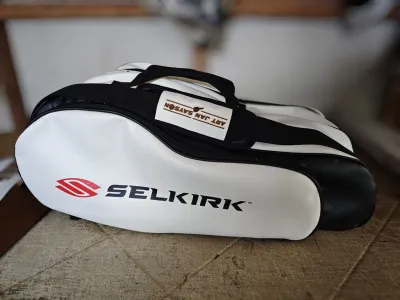
Prices are valid at publication and may change. Please refer to the product page for the latest price.
Beyond paddles, consider the personal items and accessories that must fit inside your bag. Racket sports in a tropical climate demand excellent hydration and hygiene preparation. You will need dedicated space for a large insulated water bottle, a microfiber towel, spare shirts to change into after a sweaty match, and perhaps a wristband or cap. If you prefer to change into your court shoes at the venue rather than wearing them during your commute, your bag must have enough volume to accommodate bulky footwear without crushing your paddles or clean clothing.
Your daily commute to the sports club or local court also dictates the ideal bag design. If you travel primarily by car, a larger duffel or tour bag that sits comfortably in your trunk is highly practical, as weight is less of a concern. However, if you rely on public transportation like jeepneys, tricycles, or trains, or if you walk or ride a motorcycle to the venue, a compact and secure carrying method is essential. In these scenarios, a bag that keeps your hands free and sits securely against your body will make your journey significantly more comfortable and safer.
Match Your Needs to Selkirk Bag Form Factors
Once you have established your capacity and commuting requirements, you can match them to the primary bag form factors. Backpacks are the most popular choice for active players who require a balance of high storage capacity and easy transport. A high-quality sports backpack distributes weight evenly across both shoulders, reducing strain on your back during longer commutes. When evaluating backpacks, look for padded shoulder straps and a breathable, mesh-backed rear panel to minimize sweat buildup while walking under the sun.

The primary advantage of a backpack is its specialized compartment layout. Most premium designs include a dedicated, padded paddle compartment close to the back panel, keeping the weight centered and protecting the paddle faces from shifting. Additionally, look for a separate, ventilated shoe compartment at the bottom of the bag. This feature isolates dirty court shoes from your clean apparel and towels, allowing air to circulate and preventing unpleasant odors from trapping inside.
Tote bags offer a different set of advantages, making them ideal for players who prioritize quick access and a stylish, casual aesthetic. A tote bag typically features a wide-open main compartment that allows you to see and grab your gear instantly between matches. This design is highly convenient during fast-paced club play where you frequently transition on and off the court. When choosing a tote, verify that the shoulder straps are wide and well-padded to prevent discomfort when the bag is fully loaded.
Stability and internal organization are also critical factors to check when inspecting a tote bag. Look for a model with a reinforced, flat base that allows the bag to stand upright on its own on a court bench or the ground. This prevents the bag from tipping over and spilling your valuables. Because totes have large open compartments, they should feature multiple zippered pockets to keep smaller items like your phone, wallet, keys, and grip tapes from sinking to the bottom.
For minimalists who prefer to travel light, sling and crossbody bags are the ultimate streamlined option. These bags are designed to carry the bare essentials—usually one or two paddles, a single can of balls, and a few small personal items. Because they are compact and lightweight, they are exceptionally easy to carry on a motorcycle, bicycle, or crowded public transit. The single-strap design allows you to quickly swing the bag to the front of your body to access your phone or keys without taking the bag off.
When selecting a sling bag, pay close attention to how the paddle is secured. Ensure the main compartment is long enough to fully enclose the paddle handle. If the handle protrudes from the top of the bag, it is exposed to sudden rain showers, dust, and accidental impacts during your commute. A fully enclosed compartment provides complete protection from the elements, keeping your grip dry and clean. Additionally, verify that the single strap is adjustable and padded to ensure a snug, comfortable fit against your back.
Essential Specs and Protection Features to Verify
When reviewing product listings on a retailer’s page, look past the aesthetic design and focus on the technical specifications that ensure long-term durability and equipment protection. The most critical feature for paddle longevity is thermal protection. High temperatures can degrade the core materials and adhesives used in modern paddle construction, leading to dead spots and reduced performance. Verify if the bag includes a thermal-lined compartment, which acts as an insulated barrier against extreme heat, especially if you must leave your bag in a car trunk or next to an outdoor court.
The exterior material of the bag determines how well it survives daily wear and unpredictable weather. Look for high-denier fabrics, such as heavy-duty polyester or nylon, which offer excellent abrasion resistance against rough concrete court surfaces. A water-resistant coating or polyurethane backing is highly desirable, as it prevents sudden tropical downpours from soaking through the fabric and damaging your paddles, grip tape, or electronics. Check the product description for terms indicating weather resistance or durable water repellent finishes.
Zippers are the most common point of failure on any sports bag, so their construction deserves close inspection. Look for heavy-duty, oversized zippers with smooth, fluid action. Premium bags often feature self-repairing coil zippers or weather-resistant zipper tracks that prevent moisture from seeping through the teeth. Additionally, check for reinforced stitching at the ends of the zipper tracks and around the zipper pulls, as these areas experience the most tension when the bag is packed to capacity.
Effective internal organization is what separates a frustrating bag from an excellent one. Beyond shoe compartments, verify the presence of dedicated wet/dry pockets. These pockets are typically lined with water-resistant plastic or vinyl, allowing you to store sweat-soaked shirts, damp towels, or wet wristbands without moisture transferring to your dry gear or clean clothes. Small, fleece-lined pocket compartments are also highly valuable for protecting delicate items like sunglasses, smartphones, or smartwatches from scratches.
Finally, always compare the bag’s external dimensions with your physical storage and transport limits. A massive tour bag might look impressive, but it can be difficult to squeeze into a small car trunk, place on a narrow motorcycle footboard, or store in a standard gym locker. Check the length, width, and height specifications provided by the manufacturer, and use a measuring tape to visualize how the bag will fit into your daily spaces. Choosing a size that matches your physical environment ensures hassle-free storage at home and on the go.
Purchasing, Warranty, and Authenticity Checks
To ensure you receive a genuine product that delivers the expected durability and protection, you must be cautious about where you buy. The popularity of premium racket sports brands has led to an influx of counterfeit bags on various online marketplaces. To protect your investment, purchase exclusively from authorized sports retailers, official brand stores, or recognized e-commerce mall platforms that guarantee product authenticity. Avoid buying from unverified third-party sellers offering prices that seem too good to be true, as these are often low-quality replicas.
A genuine Selkirk bag is backed by a manufacturer’s warranty that covers defects in materials and workmanship. This warranty typically protects you against issues like premature seam splitting, broken zippers, or failing strap attachments under normal use conditions. Before finalizing your purchase, review the retailer’s warranty policy and return terms. Knowing that you have access to official customer support and replacement options provides peace of mind and ensures your investment is protected.
As soon as your bag is delivered, conduct a thorough physical inspection before removing any tags or using it on the court. Test every single zipper by opening and closing it multiple times to ensure there are no catches, skips, or misaligned teeth. Examine the stitching along high-stress areas, such as where the shoulder straps connect to the main body of the bag and around the carrying handles. Loose threads, uneven stitching, or weak attachments are red flags that indicate a manufacturing defect or a counterfeit product.
Additionally, verify the authenticity of the branding and materials. Genuine bags feature clean, crisp logo prints, high-quality metal or molded zipper pulls, and durable fabric that feels substantial to the touch. Check that all official product tags are attached and display correct product information, barcodes, and branding. If you notice any discrepancies, such as misspelled words on the labels or cheap, brittle plastic hardware, contact the retailer immediately to initiate a return or exchange.
Frequently Asked Questions (FAQ)
Can I use a Selkirk bag for tennis or table tennis rackets?
Yes, you can use these bags for other racket sports, but you must carefully verify the dimensions of your equipment beforehand. Selkirk bags are designed primarily for pickleball paddles, which are shorter and wider than standard tennis rackets. While a spacious main compartment or a dedicated paddle pocket in a Selkirk backpack can easily accommodate several table tennis paddles in their protective cases, a standard tennis racket is significantly longer and may not fit entirely inside.
If you attempt to place a tennis racket in a backpack designed for pickleball, the handle will likely protrude from the top zipper. This leaves the grip exposed to dust, sweat, and rain during your commute, and prevents you from fully closing the compartment. To ensure a proper fit, measure the total length of your tennis racket from the top of the frame to the butt cap, and compare it against the internal compartment dimensions of the bag model you are considering before making a purchase.
How do I clean and maintain my sports bag?
To prolong the lifespan of your sports bag and keep it looking fresh, establish a regular cleaning routine. Avoid machine washing or submerging the bag in water, as this can damage the water-resistant coatings, weaken the structural adhesives, and ruin any internal padding or thermal linings. Instead, spot clean the exterior and interior surfaces using a soft cloth or sponge dampened with lukewarm water and a small amount of mild soap or gentle detergent.
Gently scrub any dirty areas, paying extra attention to the bottom panel and handles which accumulate the most grime. Once you have cleaned the spots, wipe away any soap residue with a clean, damp cloth. To dry the bag, open all compartments and zippers fully, and hang it in a shaded, well-ventilated area away from direct sunlight. Allowing the bag to air-dry completely prevents the growth of mold, mildew, and unpleasant odors, ensuring your gear remains clean and protected for your next match.
Community discussion
Share your experience or ask a question. Comments are reviewed before publication.