
Choosing the right shin guards is one of the most critical equipment decisions a football player can make. While many players view them simply as a mandatory piece of gear required by league officials, the right pair does more than just prevent painful bruises. It directly impacts your playing style, comfort, and confidence on the pitch. Selecting the ideal shin guards requires matching their design to your specific playing position, balancing the need for impact protection with the freedom of movement required to perform your role effectively.
In tropical climates like the Philippines, where high humidity and sudden downpours can turn a pitch into a muddy swamp, your choice of gear must also account for sweat management and secure fitment. A guard that slips down your leg during a humid afternoon match is not just a distraction; it is a safety hazard. By understanding how your position dictates the types of physical contact you will face, you can select a guard that keeps you protected without holding you back.
Understand the Core Trade-Off: Protection vs. Mobility
The fundamental challenge of choosing shin guards lies in balancing protection against mobility. As a general rule, the more protective a shin guard is, the heavier and bulkier it tends to be. Thick plastic shells backed by dense layers of foam offer excellent defense against stray studs and heavy tackles, but they also add weight to your lower legs and can restrict your ankle and knee flexion. Conversely, ultra-lightweight, low-profile guards offer maximum freedom of movement and a natural feel on the ball, but they leave larger areas of your lower leg vulnerable to high-impact collisions.
Products mentioned in this guide
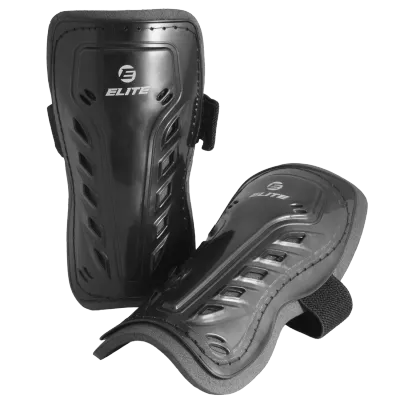
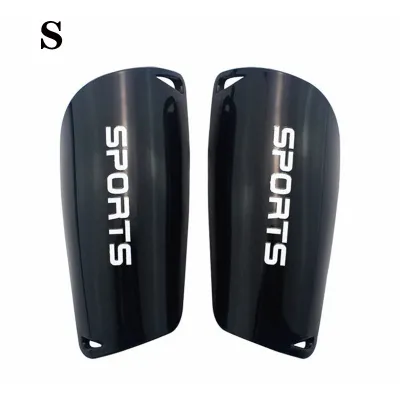
![[LIXIAOJU] 1 Pair Football Shin Pads Plastic Soccer Guards Leg Protector For Kids Adult Protective Gear Breathable Shin Guard](https://img.lazcdn.com/g/p/c17be6fa909461b7bab51330ee1e11f6.jpg_400x400q80.jpg_.webp)
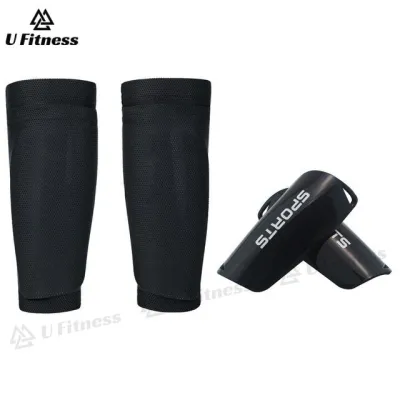
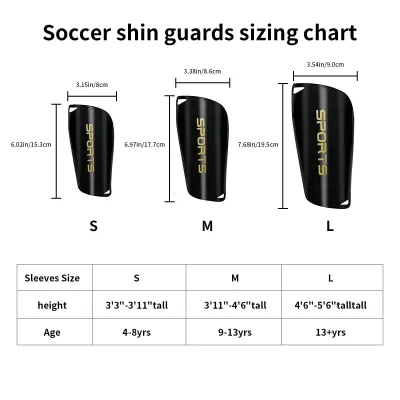
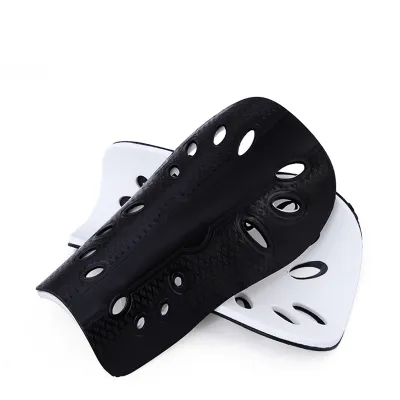
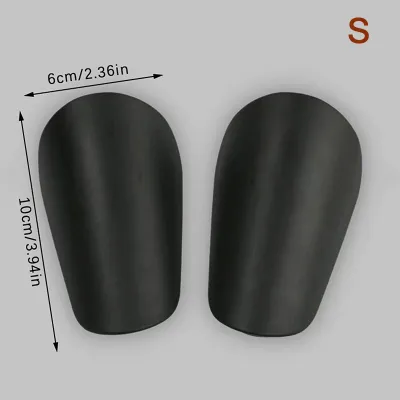
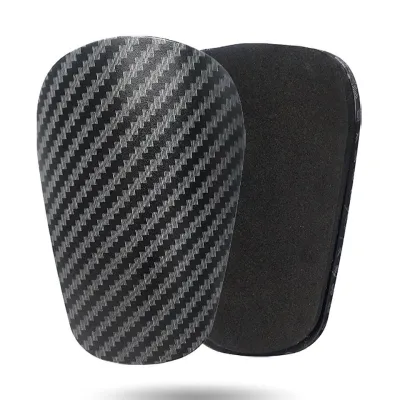
Prices are valid at publication and may change. Please refer to the product page for the latest price.
Your baseline protection requirement is often determined by local league regulations and your personal injury history. Most organized leagues, from weekend community tournaments to professional divisions, mandate that shin guards must be worn and must provide a reasonable degree of coverage. If you have a history of tibia stress fractures, severe bruising, or ankle sprains, prioritizing a more robust guard with integrated ankle support is a sensible decision, even if it slightly reduces your sprinting speed.
Environmental factors also play a major role in this trade-off. In hot and humid conditions, heavy, non-ventilated guards trap heat and sweat against your skin. This moisture buildup can cause the guards to shift, chafe, or feel significantly heavier as the match progresses. Choosing a guard with adequate ventilation channels and moisture-wicking backing materials helps maintain comfort and keeps the guard securely in place, allowing you to focus entirely on the game.
Match Shin Guards to Your Playing Position
Every position on the football pitch demands a unique set of physical movements and exposes you to different types of physical contact. A central defender engaging in aerial duels and sliding tackles faces a completely different set of risks compared to a winger sprinting down the touchline or a goalkeeper diving into a crowd of players. To optimize your performance, you should match the profile of your shin guards to the specific physical challenges of your role.

Defenders: Maximum Coverage and Impact Resistance
Defenders are the team’s primary shield, frequently putting their bodies on the line to block shots, intercept passes, and engage in physical duels. Because defenders are constantly involved in high-impact collisions, 50-50 challenges, and slide tackles, they require the highest level of protection available. A minor injury can sideline a key defender, making robust leg protection a top priority.
For this role, shin guards with extended coverage are highly recommended. Many defenders prefer guards that feature integrated ankle protection—padded sleeves that slide over the ankle bones to shield them from stray studs during close-quarters tackling. The outer shells of these guards should be rigid and durable, typically made from high-impact plastics or composite materials, backed by thick, shock-absorbing foam. This construction ensures that the energy from a heavy boot or a hard-driven ball is dispersed across a wider surface area, minimizing the risk of bone bruising or fractures.
Midfielders: Balanced Protection and Agility
Midfielders are the engines of the team, covering immense distances and constantly transitioning between defensive duties and attacking plays. They must be agile enough to turn quickly in tight spaces, yet resilient enough to withstand tackles from opposing midfielders. Consequently, players in this position require a balanced shin guard that offers solid protection without sacrificing running efficiency.
Mid-weight guards are the ideal choice for midfielders. These guards typically feature an ergonomic, contoured shape that wraps closely around the shin, mimicking the natural curve of the leg. This design ensures that the guard stays secure during rapid changes of direction and continuous running. While they do not offer the bulky, wrap-around coverage of a defender’s guard, they provide sufficient impact resistance along the front of the tibia to protect against typical midfield challenges while keeping the lower leg feeling light and unrestricted.
Forwards: Lightweight and Low-Profile Designs
Forwards, wingers, and attacking midfielders rely on explosive speed, rapid acceleration, and precise ball control to beat defenders and score goals. For these players, any extra weight on the lower legs can feel like an anchor. Attacking players generally prioritize a natural feel on the ball and maximum freedom of movement, leading them to favor the lightest guards possible.
Slip-in shin guards with a low-profile design are the standard choice for forwards. These guards feature minimal, high-density padding that provides just enough protection to meet league requirements and shield against minor clips and scrapes. Because they sit very close to the skin and are incredibly light, they do not interfere with the player’s touch or dribbling mechanics. Many forwards prefer to secure these guards with compression sleeves or athletic tape, allowing them to position the guard exactly where they want it on their shin for a customized, weightless feel.
Goalkeepers: Specialized Padding and Ankle Protection
Goalkeepers operate in a highly chaotic environment, frequently diving at the feet of oncoming attackers, jumping to claim crosses, and using their legs to block close-range shots. While they do not run as much as outfield players, the impacts they face are often sudden, unpredictable, and highly concentrated around the lower legs and ankles.
To stay protected during goalmouth scrambles and awkward landings, goalkeepers benefit greatly from specialized guards that offer integrated ankle protection. These guards help shield the vulnerable ankle bones from accidental kicks when diving into a crowd of players. Additionally, because goalkeepers make explosive lateral movements and sudden dives, their guards must feature highly secure strapping systems. A guard that shifts out of place during a dive can leave a goalkeeper vulnerable to injury and distract them at a crucial moment in the match.
Evaluate Fit, Sizing, and Wearing Styles
Choosing the right style of shin guard is only half the battle; ensuring a proper fit is critical for both safety and comfort. To find your correct size, you should measure your leg before purchasing. Use a flexible measuring tape to measure from approximately two inches (about five centimeters) above your ankle bend to about two inches below your knee. This measurement corresponds to the length of the shin guard shell. Most manufacturers provide sizing charts based on this length or your overall height, but measuring your actual shin provides the most accurate fit.
When evaluating wearing styles, you will generally choose between slip-in guards and strap-on (or stirrup) guards. Slip-in guards are simple shells that slide directly under your football socks. They are highly favored by advanced and professional players because they offer a lightweight, unrestricted feel. However, they require a compression sleeve, shin guard holders, or athletic tape to keep them from sliding down. Strap-on guards feature built-in elastic straps that wrap around the calf, and often include a stirrup that slips under the foot. These are excellent for youth players, beginners, or anyone who prefers a highly secure, set-it-and-forget-it fit that does not rely on tape or tight socks.
To verify that your shin guards fit correctly, perform a few simple placement checks. The guard should cover the majority of your tibia (shin bone), leaving a gap of about two inches below the knee cap to allow for full knee flexion without pinching. It should not press tightly against your blood vessels or cause numbness in your feet. If the guard pinches your skin, restricts your ankle movement, or slides around when you jog, it is either the wrong size or improperly secured.
Check Material and Construction Features
The durability, comfort, and protective capability of a shin guard are directly tied to its materials and construction. When browsing options at a local sports shop or an online marketplace, pay close attention to the product specifications and manufacturer labels. The outer shell is your first line of defense, and it is typically made from one of several materials. Plastic (such as polypropylene) is common, affordable, and highly durable, making it great for recreational players. Fiberglass is stiffer and offers excellent impact dispersion while remaining relatively lightweight. Carbon fiber is the premium option, offering extreme strength and minimal weight, though it comes at a higher price point.
Beneath the outer shell lies the inner foam layer, which is responsible for absorbing and cushioning the impact. Ethylene-vinyl acetate (EVA) foam is the industry standard due to its excellent shock-absorbing properties and lightweight nature. Some premium guards feature dual-density foams or specialized gel inserts that provide enhanced comfort and impact management.
In tropical environments, ventilation is a feature you cannot afford to overlook. Look for guards that feature molded ventilation channels, perforated shells, or breathable mesh backings. These design elements allow air to circulate between the guard and your skin, helping to evaporate sweat and keep your legs cool. Additionally, some guards feature anti-slip textures or silicone grips on the back of the foam, which help prevent the guard from sliding down your leg when you sweat heavily during intense midday matches.
Frequently Asked Questions (FAQ)
Do I need to wear shin guards with ankle protection?
Ankle protection is highly recommended for younger players, defenders, and anyone recovering from an ankle injury, as it shields the vulnerable ankle bones from stray kicks. However, it is generally optional for forwards and wingers who prioritize maximum speed and unrestricted ankle movement.
How often should I replace my shin guards?
You should inspect your shin guards regularly for signs of wear. Replace them immediately if you notice cracks in the outer shell, compressed or crumbling inner foam, or stretched-out straps that no longer hold the guard securely. Using damaged guards significantly reduces their ability to absorb impacts safely.
Can I wear slip-in shin guards without a sleeve?
While some players use athletic tape to secure slip-in guards directly against their skin or socks, manufacturers generally recommend using a dedicated compression sleeve. Sleeves keep the guards firmly in place, prevent skin irritation from tape adhesive, and improve overall comfort and hygiene during play.
Community discussion
Share your experience or ask a question. Comments are reviewed before publication.