
Selecting the right shoulder brace strap requires matching the brace’s structural design to the physical movements of your sport. A brace that works effectively for stabilizing a heavy barbell lift can severely restrict your arm when attempting a fast overhead smash on the court. To make the correct choice, you must balance the need for joint stabilization against the level of mobility your sport demands, while also considering how the material handles heat and moisture during intense physical activity.
In the warm and humid climate of the Philippines, choosing a brace is not just about joint support; it is also about skin health and comfort. High humidity means increased sweat production, which can lead to slipping, chafing, and skin irritation if the brace is made of non-breathable materials. By understanding the biomechanical forces of your specific sport and verifying the design features of different braces, you can find a supportive tool that helps you stay active without compromising your form or comfort.
Understanding Your Sport's Shoulder Demands
Every sport places a unique set of stresses on the shoulder complex, which consists of the glenohumeral joint, the acromioclavicular (AC) joint, and the surrounding rotator cuff muscles. In racket sports like badminton and court sports like volleyball, the shoulder is subjected to repetitive, high-velocity overhead motions. Spiking, serving, and smashing require a wide range of motion, rapid acceleration, and sudden deceleration. These actions put immense strain on the rotator cuff tendons and can lead to overuse issues if the joint is not tracking correctly or if the surrounding muscles are fatigued.
Products mentioned in this guide
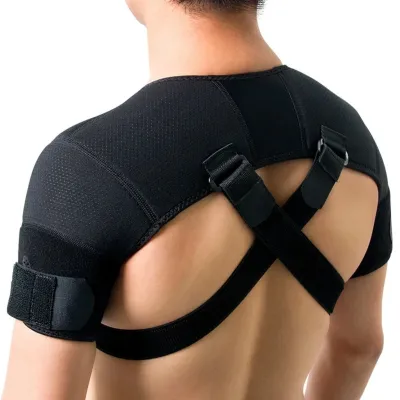
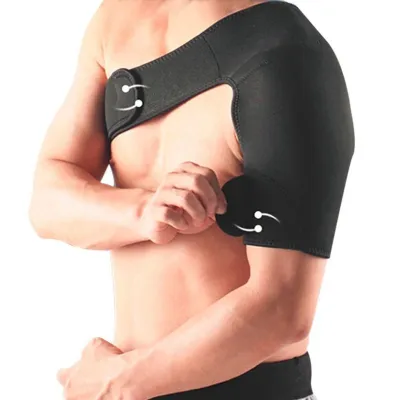
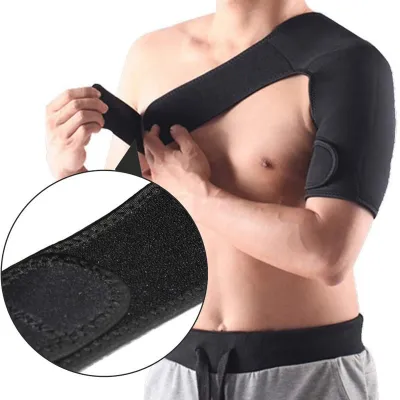
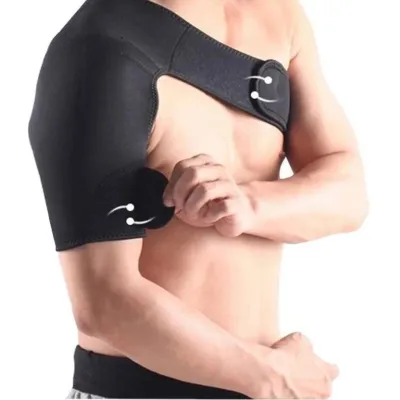
Prices are valid at publication and may change. Please refer to the product page for the latest price.
In contrast, weightlifting demands stability under heavy, axial loads rather than rapid, wide-ranging movements. When performing overhead presses, bench presses, or squats, the shoulder joint must act as a rigid, stable platform to transfer force safely. The primary risk here is not repetitive swinging, but rather joint compression, subluxation, or structural failure under extreme weight. A weightlifter requires a brace that compresses the joint tightly, keeping the humeral head securely in its socket and minimizing micro-movements that could lead to acute injury.
Before selecting a brace, it is essential to evaluate your personal physical condition and identify your specific pain triggers. Note whether your discomfort occurs during overhead reaching, under heavy load-bearing, or during passive rest. If you have a history of subluxations or AC joint sprains, your support needs will differ significantly from someone dealing with mild rotator cuff tendinitis. Understanding these personal baselines allows you to look for targeted features rather than relying on a generic, one-size-fits-all support.
Key Features to Look for in a Shoulder Brace Strap
When evaluating a shoulder brace strap, the level of compression and the adjustability of the fastening system are your primary considerations. High-quality braces utilize multi-strap systems that allow you to customize the tension across the chest, upper arm, and the shoulder cap itself. This adjustability is crucial because it lets you tighten the brace for high-impact moments and loosen it slightly during rest periods. Look for wide, medical-grade hook-and-loop fasteners that remain secure even when subjected to sudden, explosive movements.

Material selection is another critical factor, especially for athletes training in tropical environments. Standard neoprene is highly durable and provides excellent heat retention, which can help keep muscles warm, but it can quickly become uncomfortably hot and heavy in humid conditions. For sports in the Philippines, look for perforated neoprene, engineered mesh, or moisture-wicking synthetic blends. These materials allow sweat to evaporate more quickly, reducing the risk of skin maceration, fungal infections, and painful chafing where the straps rub against your underarms or chest.
Finally, you must weigh the trade-off between joint stabilization and range of motion. A highly restrictive, thick brace with rigid plastic or metal inserts provides high stability, which is excellent for recovery or heavy lifting, but it will make playing badminton or volleyball nearly impossible. Conversely, a lightweight, highly elastic sleeve offers excellent mobility and proprioceptive feedback (awareness of joint position) but provides minimal structural support against heavy external loads. Identifying where your sport falls on this spectrum is key to choosing the right design.
Matching the Brace to Your Specific Activity
For volleyball and badminton players, the priority must always be mobility and lightweight comfort. A dynamic, low-profile shoulder sleeve with an adjustable compression strap is often the most suitable choice. This design supports the rotator cuff by applying gentle upward pressure on the humerus without locking down the joint. It allows you to reach fully overhead for a smash or dive for a low dig without feeling restricted. Look for designs that feature a slim profile under the armpit to prevent painful friction during repetitive swinging motions.
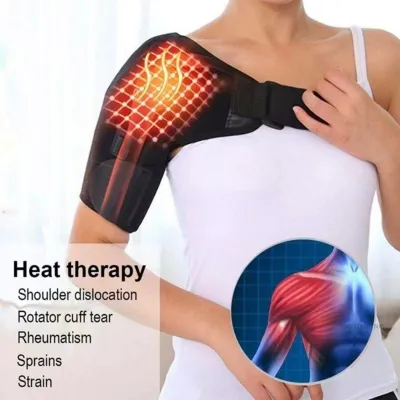
For weightlifting, powerlifting, or functional fitness training, the focus shifts toward heavy-duty compression and structural reinforcement. A thicker, more rigid shoulder brace strap with dual tension bands is ideal for these activities. These braces are designed to pull the shoulder joint backward and downward, promoting proper posture and preventing the shoulder from rolling forward during heavy bench presses or squats. Some lifting-focused braces also include a pocket for hot or cold packs, which can be useful for managing discomfort immediately before or after a training session.
If you participate in multiple sports—such as lifting weights during the week and playing recreational volleyball on the weekends—you may need to consider a highly adjustable hybrid brace or invest in two separate supports. Attempting to use a rigid lifting brace on the volleyball court can alter your biomechanics, potentially leading to compensatory injuries in your elbow or wrist. If you must use a single brace, prioritize one with removable or highly adjustable tension straps, allowing you to loosen the support for court sports and tighten it securely for your lifting sessions.
How to Ensure a Proper Fit and Safe Usage
An improperly fitted shoulder brace can do more harm than good, potentially restricting blood circulation or forcing your joint into an unnatural alignment. To find your correct size, use a flexible measuring tape to measure your chest circumference at the widest point, as well as the circumference of your upper bicep. Whether you are investing ₱500 or ₱2,500 in a brace, always compare these measurements directly to the manufacturer’s specific sizing chart, as sizing standards vary widely between brands. If your measurements fall between two sizes, it is generally safer to choose the larger size to ensure the straps are long enough to adjust comfortably.
Once you have the brace, perform a thorough safety check every time you put it on. The brace should feel snug and supportive, but it should never cause tingling, numbness, or coldness in your arm or fingers, which are clear signs of restricted blood flow or nerve compression. Check for skin redness or chafing after a short trial session. If you notice severe red marks or skin irritation, adjust the strap tension, wear a thin, moisture-wicking undershirt beneath the brace, or discontinue use if the material causes an allergic reaction.
It is vital to remember that a shoulder brace strap is a supportive tool, not a cure for structural joint damage or chronic instability. If you experience sharp, sudden pain, a feeling of the joint slipping out of place, or persistent swelling, stop your activity immediately and consult a physical therapist or sports medicine professional. Relying on a brace to mask pain while continuing to overload an injured joint can lead to severe, long-term damage. Use the brace as an aid to proper movement patterns and rehabilitation, never as a substitute for professional medical guidance and targeted strengthening exercises.
Frequently Asked Questions (FAQ)
Can I wear a shoulder brace strap during actual gameplay or lifting sessions?
Yes, many shoulder brace straps are specifically designed for active wear during sports and lifting, provided they are rated for movement by the manufacturer. When wearing a brace during gameplay, ensure it is made of lightweight, sweat-resistant materials and does not restrict your ability to perform essential movements safely. For lifting, verify that the brace does not interfere with your grip or your ability to dump a barbell safely in an emergency. Always perform a dry run of your sport’s movements at a lower intensity to ensure the brace remains secure and comfortable before engaging in full-effort play or heavy lifts.
How do I clean and maintain my shoulder brace to prevent skin issues?
To prevent the buildup of bacteria, sweat, and odor-causing microbes, you should clean your shoulder brace regularly according to the manufacturer’s care label. Most sports braces should be hand-washed in cold water using a mild, fragrance-free detergent, as harsh chemicals and fabric softeners can degrade the elastic fibers and weaken the hook-and-loop fasteners. Secure all straps before washing to prevent them from snagging on the fabric. Always air-dry the brace flat in a well-ventilated area away from direct sunlight and high heat sources, as using a clothes dryer can warp the synthetic materials and ruin the custom fit.
Community discussion
Share your experience or ask a question. Comments are reviewed before publication.