
Selecting the right shoulder supporter is a balancing act between your physical activity, the nature of your shoulder condition, and the level of joint stabilization required. A properly fitted brace provides compression, retains therapeutic warmth, and offers mechanical support to vulnerable tissues. However, because the shoulder is the most mobile joint in the human body, choosing the wrong type can either restrict necessary movement or fail to protect a healing injury. To make an informed decision, you must systematically evaluate your physical demands, verify product specifications, and prioritize professional medical guidance for any diagnosed injury.
Assess Your Shoulder Condition and Support Needs
Before browsing online marketplaces or local sports shops, you must identify the primary purpose of the supporter. Shoulder braces generally fall into three categories of support: mild, moderate, and rigid. Matching the brace’s structural design to your specific physical state prevents further joint strain and ensures you do not unnecessarily restrict your range of motion.
Mild compression sleeves are designed primarily for muscle fatigue, minor soreness, and warmth. These flexible supporters apply gentle, uniform pressure across the deltoid and rotator cuff area, which helps increase local blood circulation and enhances proprioception—your body’s awareness of joint positioning. They are ideal if you experience mild stiffness after a workout or want to keep the joint warm during rest periods.
Products mentioned in this guide
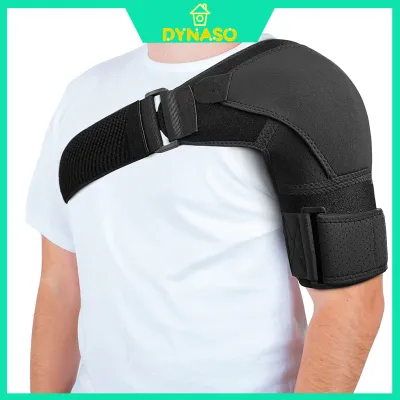
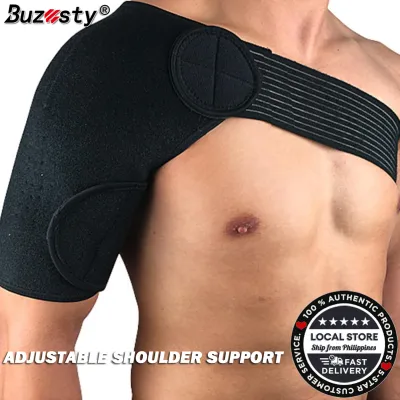
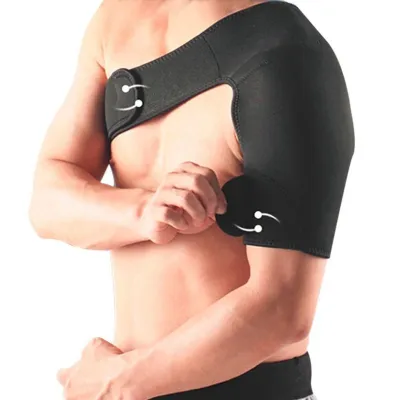
Prices are valid at publication and may change. Please refer to the product page for the latest price.
Moderate stabilization braces incorporate adjustable straps, chest bands, or pressure pads to limit specific ranges of motion. These are suitable for individuals recovering from minor sprains, chronic instability, or mild tendonitis. By restricting extreme outward or upward arm movements, these supporters help protect vulnerable ligaments while still allowing you to perform controlled daily activities or low-impact exercises.
Rigid restriction supporters, such as immobilizers or abduction slings, are engineered to severely limit or completely stop joint movement. These are typically reserved for post-surgical recovery, acute dislocations, or severe ligament tears. Because immobilizing a joint can lead to muscle stiffness and weakness, rigid braces should only be worn under the direct supervision and prescription of a healthcare professional.
It is critical to recognize that a shoulder supporter is not a cure for structural damage. If you experience sharp pain, swelling, a feeling of the joint slipping out of place, or suspect a rotator cuff tear, you must seek a professional medical diagnosis before purchasing a brace. Attempting to self-treat a severe injury with an over-the-counter supporter can delay proper healing and lead to long-term joint dysfunction.
Finally, clarify whether your primary goal is active injury prevention, recovery between training sessions, or structured rehabilitation. A preventative brace used during high-intensity sports requires different material properties and flexibility compared to a supportive brace worn during low-impact physical therapy exercises at home.
Match the Supporter Type to Your Activity
The physical demands of your sport or daily routine dictate the style of shoulder supporter you need. A brace that works for a weightlifter can severely hinder a swimmer or tennis player. To maintain performance and safety, you must match the supporter’s design to the specific movement patterns of your activity.

High-mobility sports, such as swimming, tennis, badminton, and volleyball, involve repetitive overhead motions and rapid arm rotation. For these activities, a low-profile, sleeve-style supporter is highly recommended. These designs use flexible, lightweight fabrics that conform closely to the body, minimizing the risk of underarm chafing and allowing your shoulder to move through its natural range of motion without resistance.
In contrast, heavy-load or contact sports like weightlifting, rugby, basketball, and martial arts subject the shoulder joint to sudden impacts and extreme forces. These activities require robust, adjustable strap systems that provide targeted compression and mechanical reinforcement. Look for supporters with cross-straps that anchor across the chest and opposite underarm, which help absorb external forces and keep the humeral head securely in the glenoid cavity.
Environmental conditions also play a major role in your comfort and skin health, particularly in hot and humid climates like the Philippines. High humidity and intense heat cause rapid sweating, which can trap moisture against your skin under a thick brace. To prevent skin maceration, heat rashes, and bacterial growth, prioritize supporters made from moisture-wicking, breathable mesh, or perforated neoprene.
Perforated neoprene is especially valuable because it retains the therapeutic heat necessary to keep muscles pliable while allowing excess sweat and hot air to escape. If you train in outdoor courts or non-air-conditioned gyms, choosing a highly breathable fabric ensures you can wear the supporter comfortably for the duration of your session without experiencing severe skin irritation.
Evaluate Key Features and Fit Specifications
A shoulder supporter can only function effectively if it fits your body precisely. Because shoulder anatomy varies widely between individuals, relying on generic small, medium, or large labels is highly risky. You must take accurate physical measurements and compare them directly to the manufacturer’s specific sizing chart before making a purchase.
To find your correct size, use a soft, flexible tape measure to record three critical dimensions: your chest circumference at the widest part, your shoulder width from joint to joint, and your bicep circumference at its largest point. Ensure the tape measure is snug but not pulling tightly against your skin. Keep these measurements handy, as sizing standards can vary significantly between different brands and product lines.
Next, evaluate the closure and adjustment mechanisms of the supporter. Most active braces utilize hook-and-loop fasteners, dual-strap systems, or integrated pulley systems to customize the compression level. If you live alone or frequently train without a partner, look for designs that allow for easy, one-handed application. Braces with front-facing adjustment straps or simple chest-wrap closures are much easier to put on and adjust independently than those requiring complex rear fastening.
Material quality and construction details are equally important for long-term comfort and safety. Check the product specifications for hypoallergenic fabrics if you have sensitive skin, and look for flatlock or seamless edges to prevent painful friction burns during repetitive movements. Additionally, high-quality supporters often feature internal silicone grip strips or textured linings along the bands to prevent the brace from slipping down your arm during vigorous exercise.
How to Test and Adjust Your Shoulder Supporter
Once you receive your shoulder supporter, you must carefully test its fit and functionality in a controlled environment before using it during a full workout or game. Proper adjustment ensures the brace provides the intended stabilization without causing secondary physical issues.
Begin by putting on the supporter and performing a series of gentle, sport-specific movement simulations. If you play basketball, mimic a shooting motion; if you lift weights, perform a slow, unweighted shoulder press. Observe how the brace behaves: it should remain securely in place against your shoulder and upper arm. If the sleeve rides up, bunches in the armpit, or slides down your bicep, the fit is incorrect, or the straps require readjustment.
While testing the brace, pay close attention to your neurological and vascular comfort. A supporter that is fastened too tightly can compress major nerves and blood vessels in the axillary region. Check your hand and fingers regularly for warning signs such as numbness, a tingling “pins and needles” sensation, cold skin, or a bluish tint in the fingernails. If you experience any of these symptoms, loosen the straps immediately to restore proper circulation.
To achieve a balanced fit, always follow the manufacturer’s recommended tightening sequence. Typically, this involves securing the arm sleeve first, followed by the chest band, and finally adjusting the tension straps that run over the shoulder joint. This systematic approach distributes pressure evenly across the entire support structure, preventing localized pressure points that can cause bruising or restrict blood flow.
Care, Maintenance, and When to Replace
Proper maintenance is essential to preserve the structural integrity, elasticity, and hygienic condition of your shoulder supporter. Because these accessories absorb significant amounts of sweat and body oils during physical activity, regular cleaning is necessary to prevent fabric degradation and unpleasant odors.
Always consult the care label on your specific supporter for exact washing instructions. In general, most high-quality sports braces should be hand-washed in cold water using a mild, pH-neutral detergent. Avoid using bleach, fabric softeners, or harsh chemical cleaners, as these substances can break down the elastic fibers and weaken the adhesive properties of hook-and-loop fasteners.
After washing, gently squeeze out excess water without wringing or twisting the fabric, which can warp the internal support panels. Lay the supporter flat or hang it to air-dry in a well-ventilated area away from direct sunlight and high heat sources. Never place a neoprene or elastic brace in a mechanical dryer, as the intense heat will melt the synthetic fibers, destroy the elasticity, and render the supporter useless.
Inspect your supporter regularly for signs of wear and tear that compromise its performance. Look for stretched-out neoprene that no longer provides compression, frayed stitching along critical seams, or weakened Velcro that slips under tension. If the brace can no longer maintain its position or fails to provide noticeable stabilization, it is time to replace it.
Remember that a shoulder supporter is a supplementary tool designed to assist your joint, not a permanent replacement for physical rehabilitation. To truly recover from an injury and prevent future issues, you must combine brace usage with targeted strengthening exercises, flexibility training, and professional medical guidance.
Frequently Asked Questions (FAQ)
Can I wear a shoulder supporter all day?
No, you should not wear a shoulder supporter all day unless specifically instructed to do so by a physician or physical therapist. Continuous, unprescribed wear can lead to muscle atrophy, as your shoulder muscles rely on the brace for support rather than working to stabilize the joint themselves. This reliance can result in long-term joint stiffness and muscle weakness. Additionally, prolonged wear traps moisture and heat against the skin, increasing the risk of skin irritation, rashes, and chafing. Limit your brace usage to active training sessions, periods of physical labor, or the specific hours recommended by your healthcare provider.
Should I wear a shoulder brace over or under my clothes?
For optimal performance, hygiene, and comfort, it is generally recommended to wear a shoulder supporter directly on your skin or over a very thin, tight-fitting, moisture-wicking shirt. Wearing the brace directly on the skin allows the compression panels and silicone grip strips to function as designed, preventing the supporter from slipping or shifting during movement. If you have highly sensitive skin or find the material irritating, a seamless, compression-style undershirt can provide a protective barrier. Avoid wearing the brace over loose, bulky, or heavy clothing, as the fabric folds can create localized pressure points, cause painful chafing, and significantly reduce the effectiveness of the compression.
Community discussion
Share your experience or ask a question. Comments are reviewed before publication.