
Selecting the ideal shoulder supporter for therapy depends entirely on matching the device’s structural design to your specific stage of recovery, mobility limits, and daily environment. A simple compression sleeve cannot stabilize a severely subluxated joint, while a rigid mechanical brace will unnecessarily restrict movement during late-stage rehabilitation or light athletic training. To find the right balance, you must evaluate whether your shoulder requires mild warmth and swelling control, moderate structural guidance, or complete immobilization. In tropical climates, where high humidity and heat can quickly lead to skin chafing and discomfort, choosing the correct material and design is just as critical as selecting the support level itself.
Understanding Your Shoulder Condition and Support Requirements
The shoulder is a complex ball-and-socket joint that relies heavily on surrounding muscles, tendons, and ligaments for stability rather than deep bony sockets. Because of this unique anatomy, any injury to the rotator cuff, labrum, or deltoid can severely compromise your ability to perform basic daily tasks. Before purchasing a supporter, you must identify the primary goal of your therapy: are you trying to limit movement to allow tissues to heal, or are you seeking to enhance blood flow and joint awareness during active movement?
In the early stages of an acute injury, such as a sudden strain or a subluxation, the primary therapeutic goal is protection and inflammation control. During this phase, movement must be restricted to prevent further micro-tears in the soft tissues. Conversely, chronic conditions like mild osteoarthritis or the late stages of frozen shoulder recovery benefit from gentle warmth and continuous movement to prevent joint stiffness. Understanding where your condition falls on this spectrum prevents you from buying a supporter that either over-restricts your joint or fails to provide adequate stability.
Products mentioned in this guide
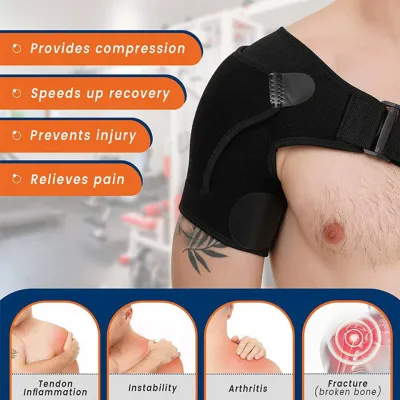
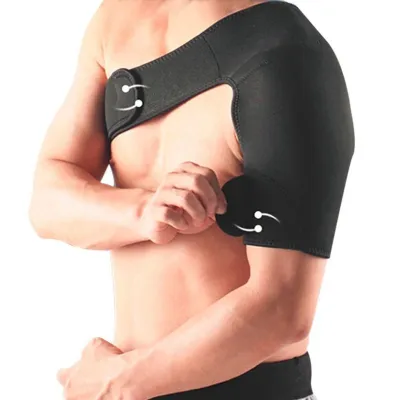
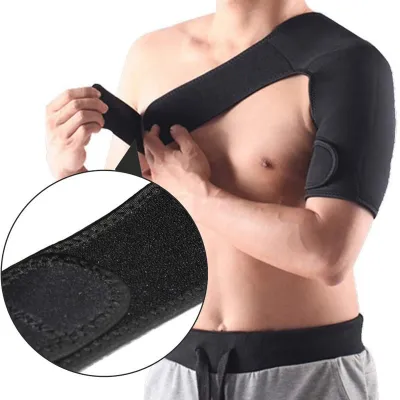
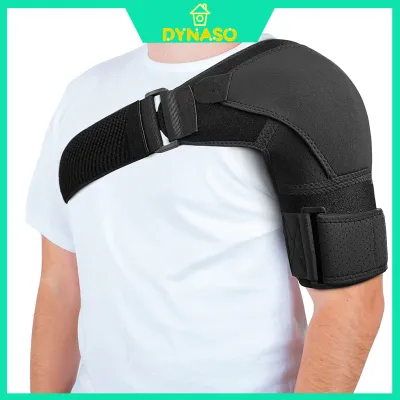
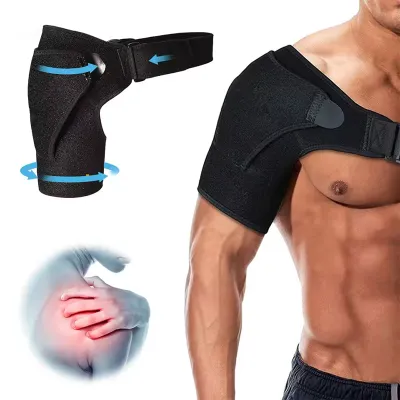
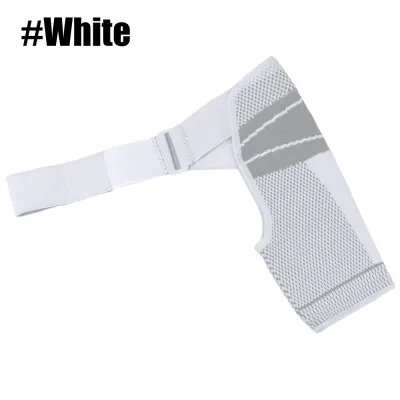
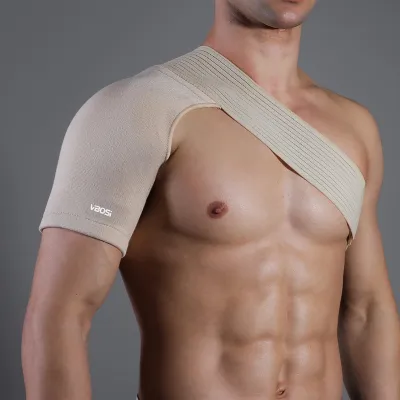
Prices are valid at publication and may change. Please refer to the product page for the latest price.
Living in a warm, humid environment adds another layer of complexity to this decision. High humidity levels increase sweat production, which can accumulate rapidly under thick, non-breathable materials. This trapped moisture not only causes skin irritation and heat rashes but can also cause the supporter to slip out of its optimal position. Therefore, your therapy plan must balance the physical support requirements of your joint with the environmental realities of your daily life.
Comparing Shoulder Supporter Types: Sleeves, Braces, and Wraps
To make an informed choice, you must understand the structural differences between the three primary categories of shoulder supporters available on the market. Each type serves a distinct therapeutic purpose and offers varying levels of restriction, compression, and thermal therapy.

Compression Sleeves
Compression sleeves are lightweight, elastic garments designed to fit snugly over the shoulder joint and upper arm. Typically constructed from nylon, spandex, or thin, perforated neoprene, these sleeves provide continuous, gentle pressure across the entire shoulder girdle. They do not contain rigid splints, metal stays, or complex strapping systems, making them the least restrictive type of shoulder support.
The primary therapeutic mechanism of a compression sleeve is proprioception, which is the body’s ability to sense joint position and movement. By stimulating sensory receptors in the skin, the sleeve helps you maintain better posture and movement patterns during physical activities. Additionally, the compression helps manage minor swelling and retains body heat, which can soothe dull, chronic aches.
These sleeves are highly suitable for individuals recovering from mild muscle strains, managing chronic low-grade arthritis, or seeking post-exercise recovery support. Because they are low-profile and highly flexible, they can easily be worn under regular clothing or sports jerseys during activities like badminton, tennis, or gym workouts. However, they are not designed to prevent joint dislocation or support a severely compromised rotator cuff.
Shoulder Braces and Stabilizers
Shoulder braces and stabilizers are heavy-duty, structured devices designed to mechanically limit specific ranges of motion. They feature a combination of wide chest bands, adjustable bicep cuffs, and tension straps that pull the shoulder backward or upward. Some advanced models include removable plastic stays or metal hinges to provide rigid structural reinforcement.
These devices are engineered to protect the shoulder joint from movements that could cause re-injury, such as overhead reaching or extreme outward rotation. By holding the humeral head securely within the shoulder socket, a stabilizer reduces the load on healing ligaments and tendons. This mechanical support is crucial during the sub-acute phase of recovery from major injuries or surgical procedures.
If you are recovering from a rotator cuff tear, a shoulder dislocation, or an acromioclavicular (AC) joint sprain, a structured stabilizer is often the most appropriate choice. However, these braces are bulky and can feel restrictive during daily tasks. They also require careful adjustment to ensure the straps do not pinch the sensitive nerves and blood vessels in your armpit, making proper sizing and fitment checks absolutely essential.
Shoulder Wraps and Therapy Supports
Shoulder wraps are open-design, highly adjustable supports that wrap around the shoulder and chest, securing with hook-and-loop fasteners. Unlike sleeves, which must be pulled up over the arm, wraps can be laid over the shoulder and fastened with one hand. Many therapy-specific wraps feature built-in mesh pockets designed to hold hot or cold gel packs directly over the joint.
The primary benefit of a therapy wrap is its ability to combine adjustable compression with targeted thermal therapy. Cold therapy is highly effective for reducing acute pain and swelling immediately after an injury or intense physical therapy session. Heat therapy, on the other hand, helps relax tight muscles, increase local blood circulation, and alleviate the joint stiffness associated with chronic conditions.
These wraps are ideal for home-based recovery routines and passive therapy sessions. Because they can be fully opened and adjusted, they are easy to put on even if you have severely limited mobility in your arm. However, due to their bulk and the weight of the gel packs, they are not intended to be worn during active sports or high-intensity daily work.
Matching Supporter Types to Common Therapy Goals
To help you narrow down your options, let us look at how these different supporter types align with specific therapeutic goals and common shoulder conditions.
If your goal is recovering from a rotator cuff strain, your support needs will change as you progress through therapy. In the initial weeks, a structured shoulder stabilizer is highly beneficial to prevent accidental overhead movements that could re-tear the healing tendon fibers. As your strength returns and you begin active physical therapy, you can transition to a lightweight compression sleeve. This transition allows you to regain your full range of motion while still benefiting from increased blood flow and proprioceptive feedback.
For those dealing with frozen shoulder (adhesive capsulitis), the primary therapeutic challenge is overcoming severe joint stiffness and pain during movement. A shoulder wrap with a built-in pocket for heat packs is highly effective during the warm-up phase of your daily stretching routine. Applying heat for 15 to 20 minutes before your exercises helps soften the tight joint capsule. After your stretches, wearing a flexible compression sleeve can help maintain that warmth and provide comfort as you go about your daily household chores.
If you are managing chronic shoulder instability or a history of subluxations, mechanical stabilization is your top priority. A high-support shoulder brace with dual-strap tensioning is recommended for any activity that puts your joint at risk, such as lifting heavy objects or participating in recreational sports. The straps should be adjusted to limit external rotation and abduction, which are the positions where the shoulder is most vulnerable to slipping out of place.
For post-exercise recovery and general muscle soreness, structural restriction is unnecessary and can even be counterproductive. Instead, a simple, highly breathable compression sleeve is the best tool. Wearing the sleeve for a few hours after a strenuous workout helps promote venous return, reduces muscle vibration, and accelerates the removal of metabolic waste products from the deltoid and rotator cuff muscles.
Key Features to Check Before Buying
When shopping for a shoulder supporter on local ecommerce platforms or in medical supply stores, you should evaluate several critical features to ensure the product is safe, comfortable, and effective for your specific needs.
First, prioritize material breathability and moisture management. Given the tropical climate, solid neoprene supports can quickly become unbearably hot and sweaty. Look for products that utilize perforated neoprene, moisture-wicking nylon blends, or integrated mesh ventilation panels. These materials allow sweat to evaporate, reducing the risk of skin breakdown and making it much easier to wear the supporter for the duration recommended by your therapist.
Second, assess the adjustability and strap configuration. A high-quality supporter should feature adjustable hook-and-loop straps at both the chest and the bicep. This multi-point adjustability allows you to customize the compression level and ensure the supporter matches your unique body shape. Avoid generic, non-adjustable sleeves unless you have verified that your measurements align perfectly with the manufacturer’s sizing chart.
Third, consider the ease of application, especially if you live alone or have limited mobility in your injured arm. Some complex stabilizers feature multiple straps that cross behind the back, which can be extremely difficult to fasten without assistance. If you have severe pain or a highly restricted range of motion, look for a wrap-around design that can be easily secured using only your non-injured hand.
Fourth, verify the sizing instructions carefully before making a purchase. Most manufacturers require you to measure your chest circumference at the widest point, as well as your upper bicep circumference. Do not rely on your standard t-shirt size, as medical supports require a precise, snug fit to function correctly. If your measurements fall between two sizes, consult the manufacturer’s guidelines; generally, a smaller size offers more compression, while a larger size offers better comfort and mobility.
Finally, consider the price and overall build quality. While basic compression sleeves may cost around ₱400, highly adjustable, medical-grade stabilizers can range from ₱1,500 to over ₱3,000. Verify that the stitching is durable, the hook-and-loop fasteners are strong, and the edges are bound to prevent fraying and skin irritation over weeks of continuous use.
When to Stop Using a Supporter and Seek Professional Care
While a shoulder supporter is a valuable tool for managing discomfort and assisting recovery, it must never be used as a substitute for professional medical evaluation, diagnosis, and physical therapy. Using a supporter incorrectly or for too long can delay proper healing and lead to secondary complications.
You must immediately stop using any shoulder supporter and consult a healthcare professional if you experience any of the following warning signs:
- Numbness, tingling, or a "pins and needles" sensation traveling down your arm, forearm, or fingers, which indicates nerve compression.
- Skin discoloration, coldness in your hand, or a weak pulse in your wrist, which suggests the supporter is restricting blood circulation.
- An increase in pain, swelling, or joint instability while wearing or after removing the supporter.
- Severe skin irritation, redness, blisters, or an allergic reaction to the materials.
Furthermore, you should avoid over-relying on restrictive braces for extended periods. If you wear a highly stabilizing brace constantly without performing targeted strengthening exercises, your shoulder muscles will begin to atrophy from disuse. This muscle weakness makes your joint even more unstable once the brace is removed, creating a cycle of dependency. Always aim to gradually reduce your reliance on the supporter as your joint strength and mobility improve under professional guidance.
Frequently Asked Questions (FAQ)
Can I wear a shoulder brace while sleeping?
Wearing a shoulder brace while sleeping is generally discouraged unless specifically instructed by an orthopedic specialist or surgeon. Sleeping in a restrictive brace can limit blood circulation, cause skin chafing as you shift positions, and lead to significant joint stiffness in the morning. If your medical provider does recommend wearing a support overnight, ensure it is adjusted more loosely than during the day to prevent nerve compression, and try to sleep on your back or the non-injured side to avoid putting direct pressure on the joint.
How tight should a shoulder compression sleeve be?
A shoulder compression sleeve should feel snug and supportive, similar to a firm hug, but it should never cause pain, restrict your breathing, or cut off circulation. If you notice cold fingers, tingling, numbness, or deep red indentations on your skin after removing the sleeve, it is too tight. You should choose a larger size or loosen the adjustable straps to ensure a safe fit that promotes blood flow rather than restricting it.
Do shoulder supporters weaken the muscles over time?
Yes, shoulder supporters can weaken your muscles if they are overused or relied upon as a permanent solution. Restrictive braces take over the stabilizing work of your rotator cuff and deltoid muscles, which can lead to muscle atrophy over time. To prevent this, use highly restrictive braces only during the acute phase of injury or during high-risk activities, and gradually transition to lighter compression sleeves and active strengthening exercises as your recovery progresses.
Community discussion
Share your experience or ask a question. Comments are reviewed before publication.