
Selecting the right shoulder supporter therapy requires a clear understanding of your physical condition and an accurate assessment of your body measurements. Because the shoulder is the most mobile joint in the human body, supporting it correctly involves balancing the need for stability with your desired level of movement. Choosing the wrong type of supporter can lead to prolonged recovery times, increased discomfort, or even further injury. By matching the device to your specific therapeutic goals and ensuring a precise fit, you can safely manage pain, protect healing tissues, and support your active lifestyle.
Whether you are recovering from a sudden sports injury, managing a chronic condition, or rehabilitating after surgery, the right supporter acts as an essential tool in your recovery toolkit. This guide walks you through evaluating your shoulder condition, comparing the primary types of supporters available, taking accurate measurements, and identifying key features designed for comfort and safety.
Assess Your Shoulder Condition and Support Goals
Before browsing online marketplaces or visiting a local medical supply store, you must evaluate the nature of your shoulder issue. Shoulder conditions generally fall into two main categories: acute injuries and chronic conditions. Acute injuries, such as a sudden dislocation, a collarbone fracture, or a severe muscle tear, typically happen during high-impact activities or falls. These injuries require immediate medical evaluation and often demand strict immobilization to prevent further tissue damage.
Products mentioned in this guide
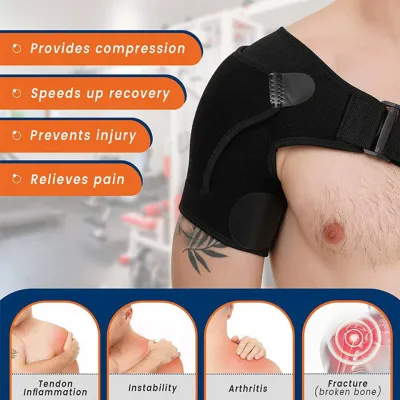
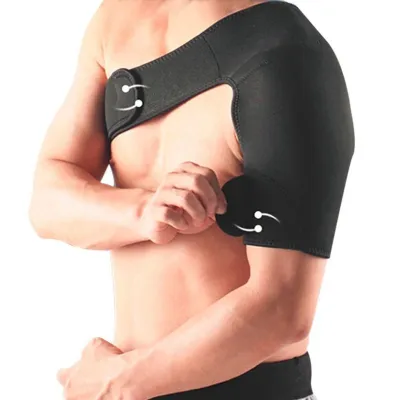
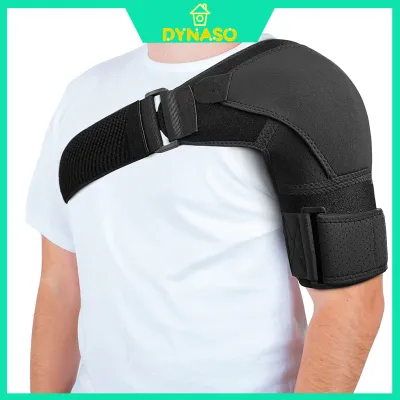
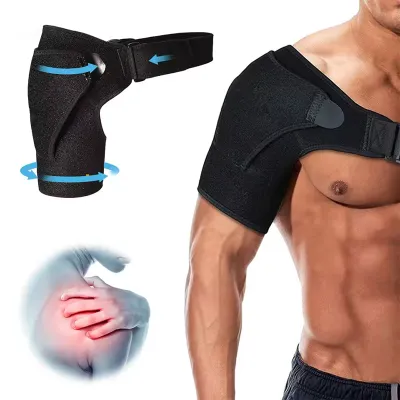
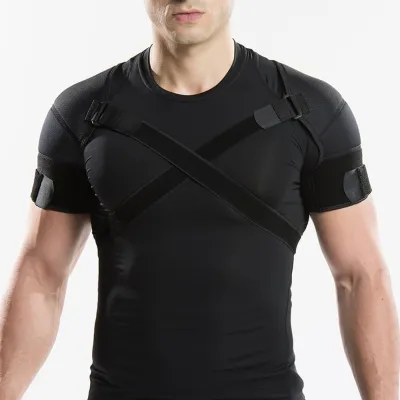
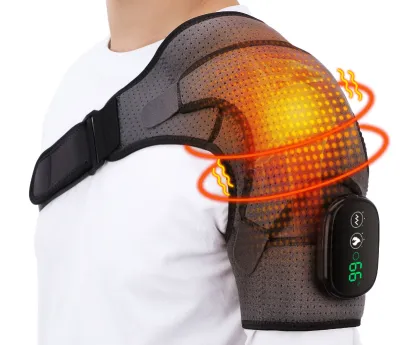
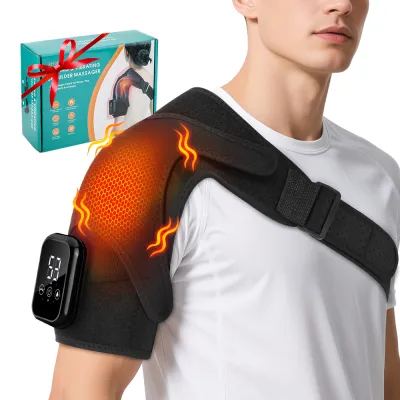
Prices are valid at publication and may change. Please refer to the product page for the latest price.
On the other hand, chronic or mild conditions develop gradually over time due to repetitive strain, poor posture, or age-related wear. Issues like rotator cuff tendinitis, bursitis, frozen shoulder, or general joint stiffness fall into this category. For these conditions, the primary therapeutic goals are usually compression, warmth, and gentle guidance rather than complete immobilization. Compression helps increase blood flow to the area, which can accelerate healing and reduce low-grade swelling, while warmth keeps the surrounding muscles pliable and less prone to spasms.
Identifying your primary therapeutic goal is the first step in narrowing down your options. Ask yourself whether you need to completely restrict your arm’s movement to protect a healing tendon, or if you simply need light compression to keep your joint warm and stable during physical activity. If you are recovering from a surgical procedure, your post-operative protocol will dictate exactly what kind of protection your shoulder requires.
It is crucial to emphasize that a proper medical diagnosis from a qualified healthcare professional is necessary before selecting any therapeutic device. Severe pain, a visible deformity, an inability to move your arm, or persistent numbness are clear indicators that you need professional medical attention. A shoulder supporter should only be used as an adjunct to a comprehensive treatment plan supervised by a doctor or physical therapist.
Match Supporter Types to Your Specific Injury
Once you have identified your therapeutic goals, you can match them to the appropriate category of shoulder supporter. Each type of device is designed to provide a specific level of restriction, compression, and support.

Shoulder slings and immobilizers are designed for severe acute injuries, dislocations, or post-surgical recovery. These devices work by holding your arm securely against your body, preventing any movement at the shoulder joint. By keeping the arm stationary, slings take the weight of the limb off the shoulder girdle, allowing torn ligaments, fractured bones, or repaired tendons to heal without stress. Because they highly restrict movement, they are not intended for active use or exercise.
Compression sleeves and wraps offer a much higher level of mobility and are ideal for mild sprains, muscle soreness, and chronic stiffness. Typically made of elastic fabrics or neoprene, these sleeves slip over your arm and shoulder to provide continuous, gentle pressure. This compression stimulates proprioception—your body’s awareness of joint position—which can improve stability and confidence during movement. Sleeves are excellent for active recovery, light workouts, or daily household chores, as they retain body heat to soothe aching muscles without restricting your range of motion.
Posture correctors and stabilizing braces focus on chronic pain management, clavicle support, and alignment. These devices often feature straps that wrap around both shoulders and the upper back to gently pull your shoulders into a neutral, aligned position. They are particularly useful for individuals who spend long hours sitting at a desk or those recovering from minor clavicle strains. By correcting rounded shoulders, these braces relieve pressure on the neck and upper back muscles, helping to alleviate tension headaches and chronic discomfort over time.
To help you visualize which option fits your situation, consider this summary of common condition categories and their corresponding supporter types:
| Condition Category | Recommended Supporter Type | Expected Mobility Level | Primary Therapeutic Goal |
|---|---|---|---|
| Severe Acute / Post-Op | Shoulder Sling / Immobilizer | Highly Restricted / None | Joint Protection & Healing |
| Chronic Pain / Mild Sprain | Compression Sleeve / Wrap | Moderate to Full | Warmth, Blood Flow & Support |
| Poor Alignment / Clavicle Strain | Posture Corrector / Stabilizing Brace | Controlled / Guided | Alignment & Postural Support |
Measure and Select the Correct Size for a Secure Fit
An improperly sized shoulder supporter is not only uncomfortable but can also be ineffective or even harmful. If a brace is too loose, it will slip out of place and fail to provide the necessary compression or stabilization. If it is too tight, it can restrict blood circulation, pinch nerves, and cause skin irritation. To avoid these issues, you must take accurate physical measurements before making a purchase.
Depending on the specific type of supporter you choose, you may need to measure different parts of your body. For most compression sleeves and stabilizing braces, the primary measurement required is your chest circumference. To measure this, wrap a flexible measuring tape around the fullest part of your chest, keeping the tape snug but not pulling it tight against your skin. Ensure the tape remains parallel to the floor all the way around your back.
Some manufacturers also require your bicep circumference or arm length. To measure your bicep, let your arm hang naturally at your side and wrap the tape around the widest part of your upper arm. If you do not have a flexible measuring tape, you can use a piece of non-elastic string, mark the meeting point, and lay the string flat against a standard ruler to find the measurement.
Always consult the specific manufacturer’s sizing chart for the product you are considering. Sizing standards vary significantly between brands; a medium size from one manufacturer might correspond to a large size from another. If your measurements fall between two sizes, consider the primary goal of your therapy. For a firmer, more supportive fit, the smaller size may be appropriate, provided it does not pinch. For daily wear and comfort, the larger size is often the safer choice.
Watch out for physical signs of a poor fit once you try on the supporter. If you experience tingling or numbness in your fingers, coldness in your hand, or deep red marks on your skin, the device is too tight and must be loosened or replaced with a larger size. Conversely, if the fabric bunches up or slides down your arm when you move, the supporter is too loose to provide any therapeutic benefit.
Evaluate Key Features and Materials Before Purchase
When choosing a shoulder supporter, looking closely at the product specifications ensures that the device will be comfortable and durable enough for your daily routine.
In the tropical and humid climate of the Philippines, material selection is incredibly important. Heavy, non-breathable fabrics can trap heat and sweat, leading to skin maceration, prickly heat, or bacterial growth. Look for moisture-wicking, skin-friendly fabrics such as perforated neoprene, lightweight nylon blends, or breathable mesh panels. These materials allow air to circulate, keeping your skin dry and comfortable even during warm afternoons or light physical activities.
Adjustability is another critical feature to evaluate. Look for supporters that feature secure fastening mechanisms like high-quality Velcro straps, D-rings, or elastic tension bands. These adjustable elements allow you to customize the level of compression and support as your recovery progresses. For instance, you may want a tighter fit during active movement and a looser, more relaxed fit while resting.
Consider the ease of use and whether you can put the supporter on independently. If you have a severe shoulder injury or limited mobility, reaching behind your back to thread a strap through a buckle can be incredibly painful or impossible without help. Look for front-closure designs, simple slip-on sleeves, or braces with easily accessible front straps that you can adjust with your non-injured hand.
Finally, check the manufacturer’s care instructions to ensure the supporter is easy to clean. Because these devices sit directly against your skin and absorb sweat, they require regular washing. Most high-quality supporters should be hand-washed in cool water with a mild detergent and air-dried. Avoid using fabric softeners or putting them in a clothes dryer, as high heat and harsh chemicals can degrade the elastic fibers and weaken the Velcro fasteners over time.
Recognize Warning Signs and When to Seek Medical Help
While a shoulder supporter is an excellent tool for managing discomfort and aiding recovery, it is vital to recognize its limits. A supporter is designed to assist your body’s natural healing process, not to replace professional medical care, physical therapy, or surgical intervention.
You must remain vigilant for critical warning signs that indicate your condition may be worsening or that the supporter is causing harm. If you experience worsening pain, persistent numbness, a pins-and-needles sensation, or if your hand or fingers feel cold and look pale or bluish, remove the device immediately. These symptoms suggest that the supporter is compressing major nerves or blood vessels, which requires urgent attention.
Never attempt to push through severe pain or use a supporter to mask symptoms so you can continue playing sports or performing heavy labor. If your shoulder pain does not improve after a few weeks of consistent use, or if you experience a sudden loss of joint stability, consult a healthcare provider or a physical therapist. They can provide a targeted rehabilitation plan to rebuild strength and mobility safely.
Frequently Asked Questions (FAQ)
Can I wear a shoulder compression sleeve while sleeping?
Generally, it is not recommended to wear a shoulder compression sleeve while sleeping unless specifically instructed to do so by your doctor. Continuous compression during sleep can restrict blood circulation, especially as your body shifts into positions that might pinch the sleeve. Additionally, you cannot consciously monitor your arm for warning signs like numbness or tingling while asleep. If you require overnight support, consult your healthcare provider for a suitable, non-constrictive alternative.
How tight should a shoulder brace feel?
A shoulder brace should feel snug, supportive, and secure, similar to a firm hug around your joint. It should never cause sharp pain, pinching, or restricted breathing. A practical way to check the tension is the one-finger rule: you should be able to slide one finger comfortably under the straps of the brace. If you cannot slide a finger underneath, or if the strap leaves deep, painful indentations on your skin, the brace is too tight and should be adjusted.
Community discussion
Share your experience or ask a question. Comments are reviewed before publication.