
To keep your treadmill running smoothly and protect its motor, you must use 100% pure silicone oil specifically formulated for fitness equipment. Never use general-purpose lubricants or products containing petroleum distillates, as they will degrade the belt. Always consult your treadmill’s user manual first to confirm the manufacturer’s exact specifications and recommended maintenance schedule before purchasing or applying any lubricant.
In tropical climates like the Philippines, high humidity and ambient temperatures can accelerate dust accumulation and friction on fitness equipment. Proper lubrication acts as a critical barrier, reducing heat buildup between the moving belt and the stationary deck. Choosing the correct lubricant is not just about keeping the machine quiet; it directly impacts the lifespan of the motor and the electronic control board.
Why Your Treadmill Belt Requires 100% Pure Silicone
Treadmill belts are typically constructed from composite materials, featuring a top layer of textured PVC or rubber and a bottom lining made of woven polyester, cotton, or nylon. These materials are engineered to withstand continuous friction and tension, but they are highly sensitive to chemical exposure. Pure silicone oil is chemically inert, meaning it does not react with or break down the synthetic polymers and rubber compounds used in your treadmill’s belt and deck.
Products mentioned in this guide
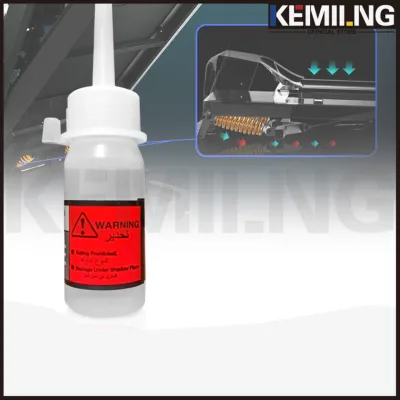
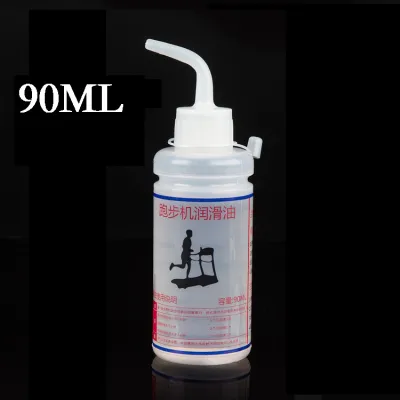
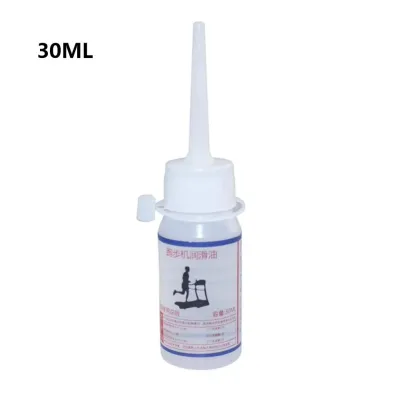
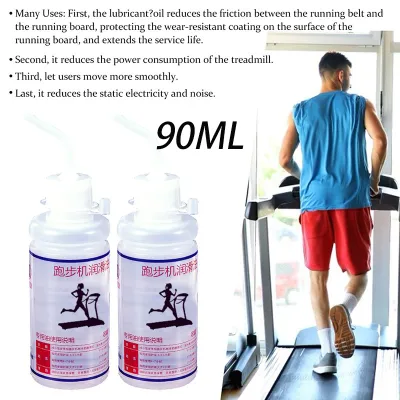
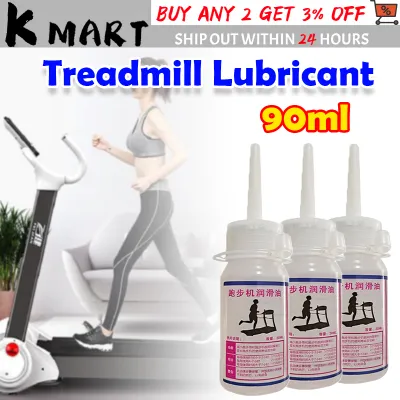
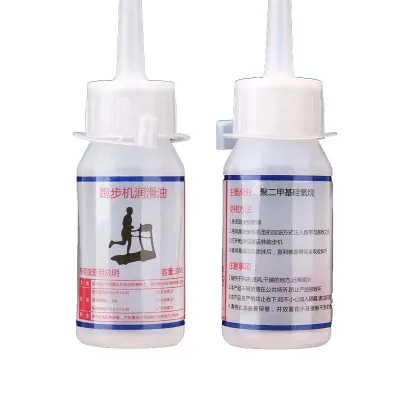
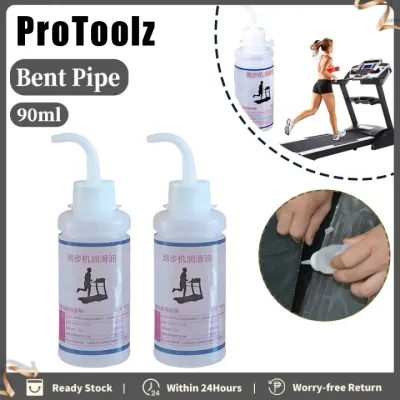
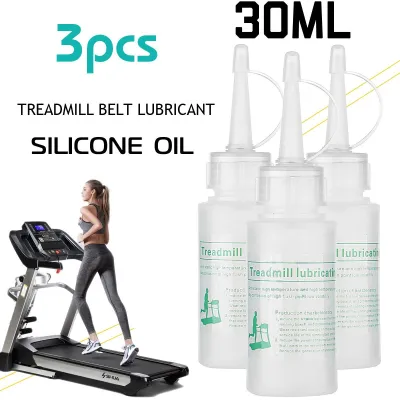
Prices are valid at publication and may change. Please refer to the product page for the latest price.
Using an incorrect lubricant, such as one containing petroleum distillates or harsh solvents, can cause immediate and irreversible damage. Petroleum-based products chemically attack PVC and rubber, leading to swelling, warping, and delamination of the belt layers. Once a belt begins to delaminate or stretch unevenly, it will slip during use, creating a serious safety hazard for the runner and rendering the machine unusable.
Furthermore, improper lubrication dramatically increases the friction coefficient between the belt and the deck. When friction rises, the treadmill motor must draw significantly more electrical current to maintain the set speed. This extra draw strains the motor, causes rapid overheating, and can easily burn out the sensitive electronic control board, resulting in costly repairs that are often not covered by the manufacturer’s warranty.
What to Check on the Label Before Buying Silicone Oil
When browsing an online marketplace or visiting a local fitness specialty store, reading the product label carefully is your primary defense against purchasing damaging formulas. Look for products that explicitly state “100% Silicone” or “Pure Silicone Fluid” on the front of the packaging. Be cautious of vague marketing terms like “silicone-based,” “silicone formula,” or “lubricating spray,” as these often indicate a diluted mixture containing harmful additives.

Turn the bottle over and thoroughly scan the ingredient list or safety data sheet if available. Ensure there is a complete absence of petroleum distillates, mineral oils, hydrocarbons, and PTFE (Teflon). While PTFE is an excellent lubricant for metal-on-metal applications, it is not suitable for the high-friction, flexible interface of a treadmill belt and deck, where it can build up unevenly and cause belt slippage.
Additionally, verify that the product label explicitly states compatibility with fitness equipment, treadmill belts, or rubber and PVC surfaces. Many general-purpose silicone sprays designed for automotive or industrial use contain chemical propellants or solvents to help the product flow from the nozzle. These hidden solvents can degrade your treadmill belt just as quickly as pure petroleum, so only select products formulated specifically for gym maintenance.
Spray vs. Liquid Applicator: Choosing the Right Form
Silicone lubricants for treadmills generally come in two primary packaging forms: aerosol sprays and liquid squeeze bottles. Each form has distinct physical characteristics that affect how easily you can apply the lubricant across the entire width of the deck. Choosing the right one depends on your treadmill’s design, the physical clearance under the belt, and your personal preference for maintenance tasks.
Aerosol sprays are popular because they deliver a fine, mist-like coverage that spreads quickly across a wide surface area. However, sprays can be difficult to control, especially in enclosed indoor spaces. The fine mist can easily drift, creating a slippery hazard on nearby floors or settling onto the treadmill’s electronic console and handrails. If you choose a spray, you must carefully mask off surrounding areas and use a nozzle extension tube to direct the lubricant precisely under the belt.
Liquid bottles equipped with long, flexible applicator wands or squeeze tubes offer much greater precision and control. These applicators allow you to reach deep under the center of the belt—where the feet make the most contact and friction is highest—without needing to loosen the belt tension. Liquid silicone flows exactly where you direct it, minimizing waste, preventing messy overspray, and keeping the surrounding workout area clean and safe.
Before purchasing, measure or observe the physical gap between your treadmill belt and the deck. If the belt is highly tensioned and difficult to lift more than a centimeter, a liquid bottle with a thin, semi-rigid extension tube is often the most practical choice. If your treadmill design allows you to easily lift the edges of the belt several inches, either a spray with a straw attachment or a standard squeeze bottle will work effectively.
How to Verify Compatibility and Apply the Oil Safely
Before performing any maintenance, always unplug the treadmill from the electrical outlet to prevent accidental startup. Review your user manual to confirm the manufacturer’s specific application instructions, recommended lubrication intervals, and any warranty conditions. Some modern treadmills feature self-lubricating decks or pre-waxed belts that do not require manual silicone application; applying oil to these models can actually ruin the deck surface.
Once you have confirmed that your treadmill requires lubrication, prepare the deck by cleaning the area under the belt. Use a clean, dry microfiber cloth or a long-reach duster to wipe away accumulated dust, lint, and dried lubricant residue from both the deck surface and the underside of the belt. Applying new silicone oil over a dirty surface will create an abrasive paste that accelerates wear on both components.
To apply the lubricant, gently lift one side of the belt and apply a thin stream or spray of silicone oil along the center of the deck, running from the front roller toward the back roller. Repeat this process on the opposite side of the belt, ensuring you do not apply too much product. A typical application requires only about 20 to 30 milliliters of fluid, though you should check your manual for the exact volume recommended for your specific model.
After applying the oil, carefully lower the belt and manually rotate it a few times to help distribute the liquid. Plug the treadmill back into the wall, stand on the side rails (not on the belt), and start the machine at a slow walking speed of about 2 to 3 kilometers per hour. Let it run empty for a few minutes to spread the silicone evenly across the entire deck surface. Walk slowly on the belt for another minute to complete the distribution; if you hear any unusual squeaking, feel the belt slipping, or notice the belt shifting off-center, stop the machine immediately and consult a professional technician.
Frequently Asked Questions (FAQ)
Can I Use WD-40 or General-Purpose Lubricants?
No, you must never use standard WD-40 or multi-purpose household lubricants on a treadmill. Standard WD-40 is a penetrating oil and solvent designed to break down rust and disperse water; it contains petroleum distillates that will rapidly dissolve the synthetic rubber and PVC compounds of your treadmill belt. Using these products will ruin the belt, strain the motor, and void your manufacturer’s warranty. Even multi-purpose silicone sprays from hardware stores often contain chemical propellants or thinners that are unsafe for continuous treadmill friction, so stick exclusively to 100% pure silicone fitness lubricants.
How Do I Know if My Treadmill Belt Needs Lubrication?
The most reliable way to determine if your treadmill needs lubrication is to perform a physical touch test. Unplug the machine, slide your hand under the center of the belt, and feel the top of the wooden deck. If the surface feels completely dry and dusty, it is time to apply silicone oil. Other observable signs of a dry deck include a noticeable increase in operating noise, a belt that feels warm to the touch after a short run, or a hesitant, stuttering movement when your foot strikes the belt. Always use the mileage or time intervals specified in your user manual as your primary maintenance schedule.
What Happens if I Apply Too Much Silicone Oil?
Applying too much silicone oil can cause the treadmill belt to slip during use, creating a sudden loss of traction that can lead to falls and injuries. Excess lubricant will also seep out from the sides of the belt, dripping onto your floor and creating a slick hazard around the machine. Furthermore, over-lubrication attracts airborne dust, pet hair, and lint, turning the excess oil into a thick, abrasive paste that increases friction and wears down the belt and deck over time. If you apply too much, immediately wipe down the edges of the belt and the exposed deck with a clean, dry cloth to absorb the excess.

Community discussion
Share your experience or ask a question. Comments are reviewed before publication.