
Maintaining a home treadmill in a tropical climate like the Philippines requires careful attention to the friction between the belt and the deck. High humidity and ambient dust can quickly degrade the performance of your fitness equipment if it is not properly lubricated. Choosing the correct silicone oil is the most critical step in preventing motor strain and belt wear.
Quick Answer: Core Criteria for Treadmill Silicone Oil
To keep your treadmill running smoothly, you must use a lubricant that is 100% pure silicone. This formulation contains no petroleum distillates, solvents, or propellants that can dissolve the synthetic rubber or PVC materials of your treadmill belt. Using the wrong oil can cause the belt to swell, warp, or lose its structural integrity.
The second essential criterion is matching the viscosity and application method recommended by your equipment manufacturer. Viscosity refers to the thickness of the fluid; some machines require a thin, highly fluid oil, while others need a thicker, high-viscosity gel. Applying an incorrect viscosity can lead to excessive drag on the motor or rapid runoff from the sides of the deck.
Products mentioned in this guide
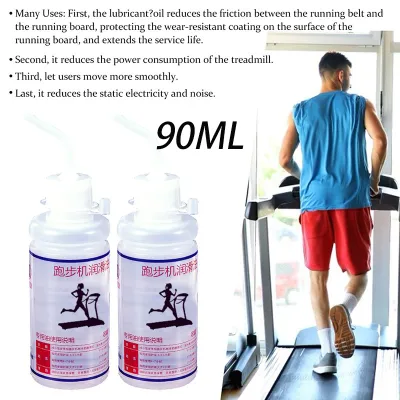
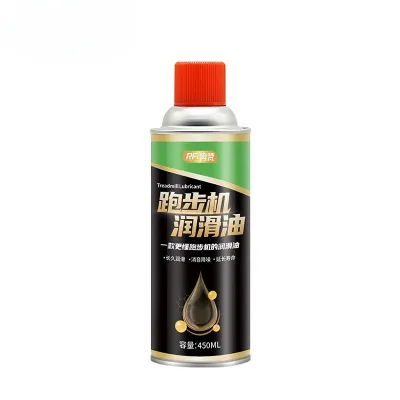
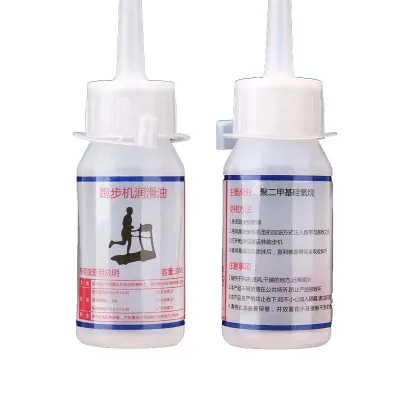
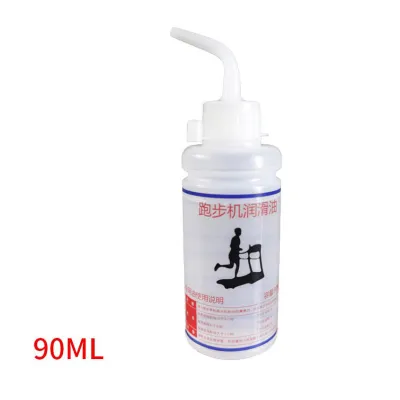
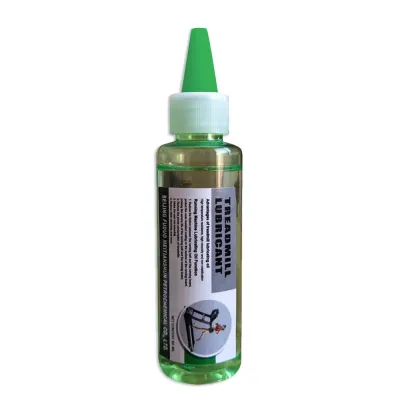
Prices are valid at publication and may change. Please refer to the product page for the latest price.
Watch out for warning signs of incompatible products before you apply them. If a lubricant label lists petroleum, mineral oil, distillates, or flammable solvents, it is entirely unsuitable for fitness equipment. Additionally, multi-purpose household sprays that claim to lubricate everything from door hinges to bicycle chains should never be used on a treadmill deck.
Step 1: Identify Your Treadmill’s Manufacturer Specifications
Before purchasing any silicone oil, your first task is to consult the documentation provided by your treadmill’s manufacturer. The user manual typically contains a dedicated maintenance section detailing the exact lubrication schedule, the preferred viscosity rating, and the approved application methods. Some brands even specify a particular part number or chemical composition that must be used to maintain the machine’s warranty.

Using an unauthorized lubricant can void your treadmill’s warranty, especially if the motor or control board fails due to excessive friction. Manufacturers can often detect when an incorrect chemical, such as a petroleum-based oil, has been applied because it leaves distinct residues or causes characteristic damage to the belt’s underside. Protecting your investment means adhering strictly to these guidelines.
If you have misplaced your physical manual, you can usually find a digital copy on the manufacturer’s official support website by searching for your specific model number. If the online documentation is vague or lacks detailed lubrication specifications, contact the manufacturer’s customer service department directly. Avoid relying on generic online forums, as different models within the same brand can have vastly different deck materials and lubrication requirements.
Step 2: Verify Formulation Purity and Ingredients
When shopping for treadmill lubricant on an online marketplace or at a local fitness specialty store, you must carefully read the ingredient label. Look for products that explicitly state 100% pure silicone oil or polydimethylsiloxane. Avoid any product that lists active ingredients under vague terms like lubricating agents or synthetic blends without providing a full chemical breakdown.
The primary reason to avoid household oils, automotive greases, and multi-purpose sprays is their chemical compatibility with synthetic polymers. Treadmill belts are typically constructed with a top layer of PVC or rubber and a bottom layer of woven polyester or nylon. Petroleum-based products chemically react with these materials, causing them to soften, stretch, and eventually delaminate from the backing fabric.
Do not let fitness-specific marketing claims override your inspection of the actual ingredients. A bottle labeled as a treadmill lubricant might still contain cheap additives or solvents designed to make the oil spray easier but which ultimately harm your machine. True silicone oil is odorless, clear, and chemically inert, meaning it will not react with the plastics, rubbers, or metals found in your treadmill’s deck assembly.
Step 3: Select the Best Application Format for Your Belt
Silicone oil is available in several packaging formats, each offering distinct advantages depending on your treadmill’s design and your personal maintenance preferences. The most common option is a liquid bottle equipped with an extended applicator wand. This flexible tube allows you to reach deep under the center of the belt without having to loosen the belt tension, ensuring even distribution across the entire deck.
Squeeze bottles without extended wands offer a controlled flow of oil but require you to loosen the treadmill belt to reach the center of the deck. While this method takes more effort, it allows you to inspect the underside of the belt more closely during the process. Squeeze bottles are highly reliable because they contain pure liquid oil without any pressurized gases or chemical propellants.
Aerosol sprays are another common format, but they come with notable risks that require careful handling. The propellants used to pressurize aerosol cans can sometimes contain solvents that are harmful to the belt material. Furthermore, the fine mist produced by an aerosol can easily drift onto the top surface of the belt, the side rails, or the sensitive electronic components inside the motor cover, creating slip hazards and potential electrical shorts.
Step 4: Inspect the Belt and Deck Before Application
Before you apply any silicone oil, perform a thorough visual and tactile inspection of your treadmill’s belt and deck. Unplug the machine from the wall outlet for safety. Slide your hand under the belt and feel the top surface of the wooden deck; it should feel smooth and clean. If you detect deep grooves, rough patches, or splintering wood, the deck may need to be flipped or replaced entirely, as lubrication cannot fix physical structural damage.
Next, examine the edges of the belt for fraying, cracking, or separation of the layers. A belt that is starting to fall apart must be replaced immediately to prevent it from snapping during use. Take this opportunity to clean the deck by wrapping a dry, lint-free microfiber cloth around a flat ruler or wand and sliding it under the belt to wipe away accumulated dust, sweat, and old lubricant residue. Applying new oil over dirt creates an abrasive paste that accelerates wear.
If you are using a new brand of silicone oil and are unsure of its compatibility, perform a small patch test. Apply a single drop of the oil to an inconspicuous area on the underside edge of the belt and wait a few hours. Check for any signs of swelling, stickiness, or discoloration. When you do apply the lubricant to the deck, start the treadmill at a very slow walking speed (without standing on it) to distribute the oil. If you observe the belt slipping, sliding sideways, or making loud squealing noises, stop the machine immediately and wipe away the excess oil.
Common Lubrication Mistakes That Damage Treadmills
One of the most frequent mistakes treadmill owners make is over-lubricating the deck. More oil does not equal better performance; in fact, excess silicone oil can seep off the sides of the deck and drip onto your floor, creating a dangerous slipping hazard. More critically, excess oil can migrate into the drive pulley and motor compartment, causing the drive belt to slip and potentially short-circuiting the control board.
Never apply silicone oil to the top walking surface of the belt. The top surface must remain dry and highly textured to provide adequate grip for your running shoes. If you accidentally spill oil on the top of the belt, clean it immediately with a mild degreasing soap and warm water, then dry it thoroughly before using the machine. Similarly, keep all lubricants away from the drive motor and its internal components.
It is also common to misdiagnose squeaking or grinding noises as a lack of lubrication. While friction between the belt and deck does cause noise, squeaks often originate from loose bolts, worn roller bearings, or a misaligned drive belt. Applying silicone oil to a machine that actually has a mechanical misalignment will not solve the noise and may mask a developing mechanical failure until it causes permanent damage.
Frequently Asked Questions (FAQ)
How often should I apply silicone oil to my treadmill belt?
The frequency of lubrication depends heavily on how often the treadmill is used and the environmental conditions of your home. Instead of relying on generic monthly schedules, refer to your manufacturer’s manual for specific mileage or hourly thresholds. In warm, humid environments like the Philippines, dust can stick to the deck more quickly, which may require more frequent inspections.
To check if your treadmill needs oil, perform the physical touch test. Unplug the machine, reach under the center of the belt, and feel the deck surface. If it feels dry to the touch, it is time to apply lubricant. If you feel a thin, slippery film of oil, the deck is still sufficiently lubricated and you should avoid adding more.
Be alert to the symptoms of over-lubrication and under-lubrication. Under-lubricated treadmills will exhibit increased static electricity, a hot smell from the motor, or a belt that hesitates slightly when your foot strikes the deck. Over-lubricated machines will suffer from a slipping belt, where the motor spins but the belt does not move smoothly under load.
Can I use generic silicone spray from a hardware store?
You should exercise extreme caution when considering generic silicone sprays from a hardware store. Many of these products are formulated for automotive or industrial metal-on-metal applications and contain petroleum distillates, solvents, or liquefied petroleum gas propellants. These chemical additives can quickly dissolve the adhesives holding your treadmill belt together or degrade the synthetic rubber.
If you must use a hardware store product, carefully read the safety data sheet or the product label to verify that the active ingredient is 100% pure silicone and that it contains no added solvents or petroleum carriers. Look for sprays that are explicitly labeled as safe for rubbers, plastics, and nylon fabrics.
If the product label is vague, does not disclose the full list of ingredients, or contains warnings about compatibility with plastics and rubbers, do not use it. Stop and consult your treadmill manufacturer or purchase a dedicated, fitness-grade silicone oil. Saving a small amount on a generic spray is not worth the risk of replacing an expensive treadmill motor or belt.
Community discussion
Share your experience or ask a question. Comments are reviewed before publication.