
Finding the right fitness equipment for a compact condominium requires balancing your personal fitness goals with the physical realities of limited square footage. To choose the ideal mini elliptical machine for a small condo, you must focus on three core decision pillars: measuring your available floor and vertical clearance, matching the machine’s stride length to your height, and prioritizing compact, quiet features that respect shared multi-story living spaces. By focusing on these practical specifications, you can establish an effective home workout routine without cluttering your living area or disturbing your neighbors.
Measuring Your Condo Space for a Mini Elliptical
Before browsing online marketplaces or visiting local fitness showrooms, you must establish the exact physical boundaries of your workout zone. Start by identifying a dedicated spot in your condo, keeping in mind that the machine will need to remain accessible without blocking pathways. Use a physical tape measure to record the maximum length and width of this designated floor footprint. When comparing these measurements against a machine’s product specifications, ensure the base dimensions fit comfortably within your marked area with room to spare.
Vertical clearance is another critical factor that condo dwellers often overlook. Unlike traditional treadmills, an elliptical moves your body along an upward and forward arc, temporarily increasing your height during the peak of each stride. To calculate your required vertical clearance, find the machine’s maximum pedal height in the manufacturer’s manual and add it to the height of the tallest user in your household. Compare this total figure against your condo’s ceiling height to ensure a safe buffer that prevents anyone from bumping their head during a vigorous workout.
Products mentioned in this guide
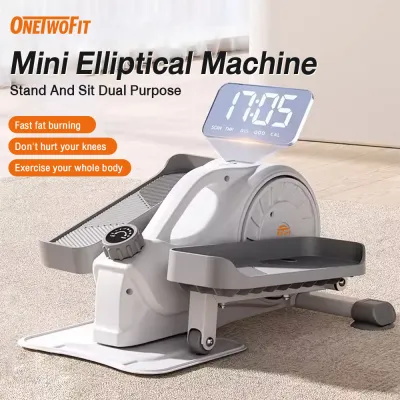
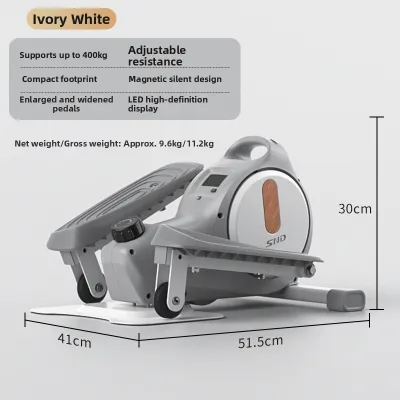
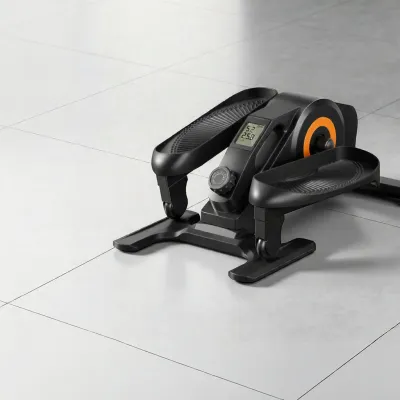
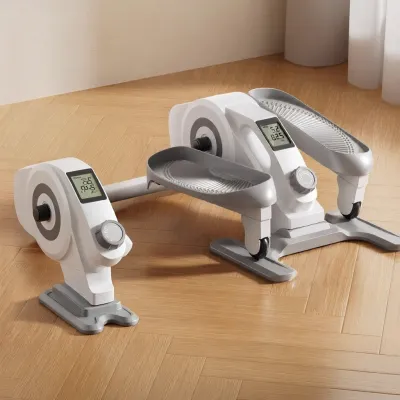
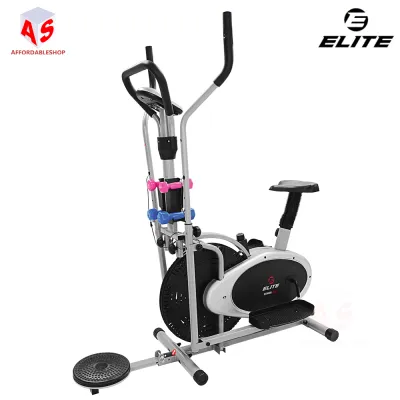
Prices are valid at publication and may change. Please refer to the product page for the latest price.
Finally, you must account for surrounding safety margins around the machine. A mini elliptical should never be crammed tightly between a wall and a sofa, as this limits your balance and increases the risk of injury if you lose your footing. Aim for a clear safety zone of at least half a meter on all sides of the equipment. This buffer zone ensures you can step on and off the machine safely, prevents the moving parts from scraping against your furniture, and keeps high-traffic walkways in your condo completely unobstructed.
Matching Stride Length and Pedal Height to Your Body
The comfort and effectiveness of your workout depend heavily on how well the machine’s mechanics align with your natural body movements. Stride length, which refers to the distance between the front of your forward foot and the back of your rear foot during a stride, is a key specification to verify. Because mini ellipticals are designed to be compact, they naturally feature shorter stride lengths than commercial gym models. You should check the manufacturer’s specifications to ensure the stride length accommodates your height and natural walking gait without making your movement feel choppy or restricted.

Pedal height and the overall stroke arc also play a massive role in usability, especially in units with standard or low ceilings. A lower pedal profile keeps your body closer to the ground throughout the entire elliptical motion, which is highly beneficial if you are working with limited overhead space. When reviewing product descriptions, look for models that emphasize a low-profile design or a flatter, more horizontal oval path rather than a steep, vertical climbing motion.
While searching for the right model, you will likely encounter units that offer adjustable stride mechanisms. These systems provide excellent versatility, allowing different family members to customize the motion to their liking, but they often come with structural trade-offs. Adjustable components typically require a larger, heavier base frame to support the moving parts, which can add unwanted bulk and weight to your condo floor. Weigh this versatility against your space constraints to decide if a simpler, fixed-stride model is more practical for your home.
Key Features to Look for in Compact Ellipticals
When space is at a premium, every feature on your fitness equipment must earn its place by delivering maximum utility. One of the most practical design elements to look for is a set of built-in transport wheels paired with an ergonomic lifting handle. In a small condo, you may not want your elliptical to sit in the middle of the living room permanently. Having integrated wheels allows you to easily roll the machine out of sight, perhaps under a bed or into a utility closet, once your workout session is complete.
The type of resistance system used by the machine is another critical feature that directly impacts your daily experience. Magnetic resistance systems are highly recommended for condo environments because they operate with minimal friction. By checking the product manual or specifications, you can verify if the model uses adjustable magnets to control difficulty. This system not only ensures a smooth, consistent stride but also keeps operational noise to an absolute minimum, allowing you to exercise at any hour without waking others.
Additionally, consider the complexity of the console and its connectivity options. While high-tech, oversized screens are popular, they often require a constant connection to a power outlet and add significant bulk to the machine’s frame. A minimalist, battery-operated LCD display that tracks basic metrics like time, distance, and stride count is often more than sufficient for a compact setup. Choosing a simpler console reduces the machine’s overall footprint, lowers power requirements, and minimizes the risk of electronic malfunctions over time.
Evaluating Noise, Weight, and Floor Protection
Living in a multi-story condominium means your floor is someone else’s ceiling, making noise and vibration control a top priority. To maintain good relations with your neighbors, carefully review the drive system and resistance type listed in the product specifications. Belt-driven magnetic systems are generally the quietest options available, as they avoid the metallic grinding sounds associated with chain drives. Ensuring your machine operates quietly allows you to focus on your fitness without worrying about creating a disturbance.
The physical weight of the machine is a double-edged sword that requires careful evaluation. A heavier mini elliptical offers superior stability, preventing the unit from rocking or sliding across the floor when you pick up your pace. However, you must check the machine’s net weight and maximum user weight capacity to ensure it is manageable to move and does not place excessive concentrated loads on your flooring. Look for a balanced model that is heavy enough to remain anchored during use but light enough to lift if needed.
To safeguard your condo’s flooring from scratches, sweat, and structural wear, always plan to place a protective equipment mat underneath your elliptical. In tropical climates like the Philippines, high humidity and perspiration can quickly damage laminate, vinyl, or hardwood floors if left unchecked. A high-density rubber or PVC mat serves multiple purposes: it catches sweat, prevents the machine’s hard plastic or metal feet from gouging the floor, and dampens the transmission of low-frequency vibrations through the concrete slab to the unit below.
Common Sizing and Setup Mistakes to Avoid
Setting up a home gym in a limited space is exciting, but rushing the process can lead to frustrating mistakes. One of the most common errors is failing to account for the highest point of the pedal stroke during the planning phase. If you only measure your height while standing flat on the floor, you may find yourself hitting the ceiling or light fixtures once you actually step onto the elevated pedals. Always calculate this peak height before making a purchase.
Another frequent oversight is ignoring the clearance required for mounting, dismounting, and full body movement. If your chosen mini elliptical features moving handlebars for an upper-body workout, you must ensure those handles have enough clearance to swing freely without hitting nearby walls or furniture. Furthermore, you need enough open space behind the machine to step off safely without tripping over cords or household items.
Lastly, avoid the temptation to place your elliptical on an uneven or highly cushioned surface, such as a thick shag rug. An unstable base causes the machine to slide, tilt, or squeak during use, which compromises your safety and accelerates wear on the internal joints. Always verify that the floor surface is completely level, and use the machine’s adjustable leveling feet, if available, to secure a rock-solid foundation before your first stride.
Frequently Asked Questions (FAQ)
Can I use a mini elliptical under my condo desk?
Yes, many mini ellipticals are specifically designed for under-desk use, but success depends entirely on precise measurements. You must measure the exact distance from the floor to the underside of your desk, and then compare this to the machine’s highest pedal point. Additionally, remember to factor in your seated thigh clearance; your knees will rise during the pedal stroke, so you need several inches of free space above your knees to prevent them from knocking against the bottom of the desk.
Do mini ellipticals require assembly or professional installation?
Most mini ellipticals are designed for straightforward home setup and do not require professional installation. They typically arrive partially assembled, requiring you to attach basic components like the pedals, base stabilizers, or console using the simple tools included in the box. Before you begin unboxing, review the manufacturer’s manual and clear a spacious, flat area on your floor to organize the parts safely without scratching your condo’s surfaces.
Community discussion
Share your experience or ask a question. Comments are reviewed before publication.