
Choosing the right electric treadmill for a small condominium unit requires balancing your fitness goals with the realities of limited floor space. In high-density urban areas, condo layouts demand smart spatial planning to keep your living area functional and clutter-free. Selecting a machine without careful planning can lead to a cramped living room, safety hazards, or noise complaints from neighbors living directly below you.
To make an informed decision, you must evaluate how the machine fits into your home during both active workouts and storage periods. This involves measuring your available space, understanding the relationship between the machine’s footprint and its running deck, comparing folding mechanisms, and verifying structural limits. By focusing on these key factors, you can establish a safe, convenient, and highly effective home gym setup.
Measure Your Condo Space and Clearance Requirements
Before browsing online marketplaces or visiting fitness showrooms, you must establish the exact physical boundaries of your workout area. Start by measuring the floor space where you plan to place the electric treadmill during use. Marking this area on your floor using painter’s tape can help you visualize how much room the machine will actually occupy in your daily life.
Products mentioned in this guide
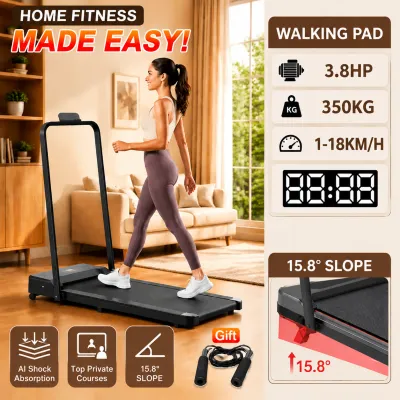
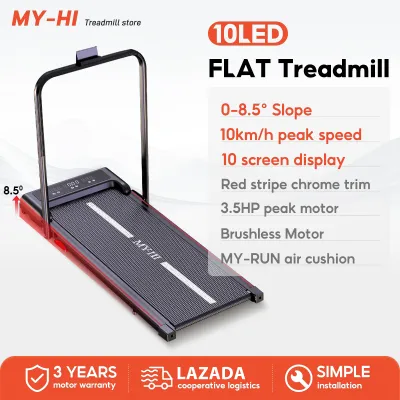
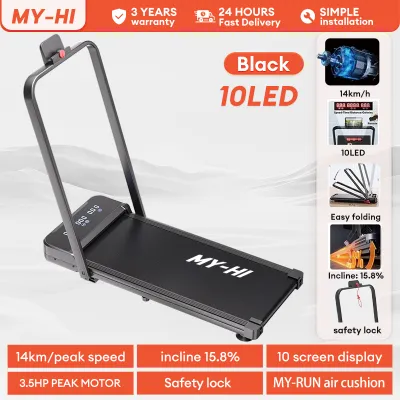
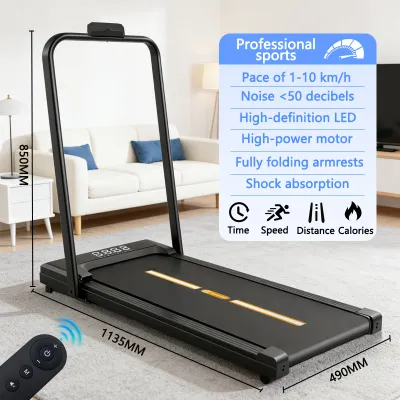
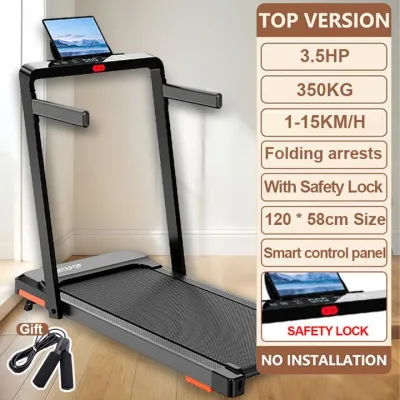
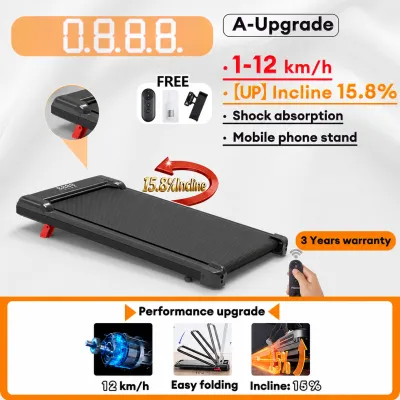
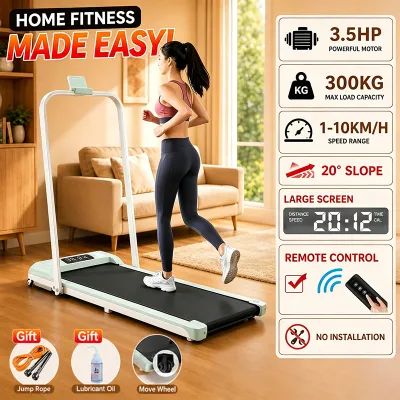
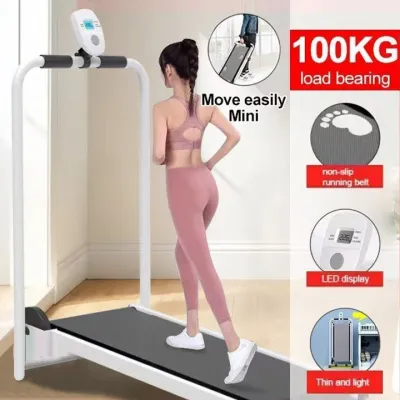
Prices are valid at publication and may change. Please refer to the product page for the latest price.
Safety clearances are critical when operating any fitness equipment. Manufacturers generally recommend leaving at least two meters of clear, unobstructed space behind the treadmill. This safety zone ensures that if you trip or fall, you will be thrown onto a clear floor rather than colliding with a wall, glass door, or furniture. Additionally, maintain at least half a meter of clearance on both sides of the machine to allow for safe mounting and dismounting.
Before starting any workout, always attach the safety key clip to your clothing. This simple check ensures the machine stops immediately if you lose your footing, preventing severe friction burns or impact injuries. Never operate the machine if the safety clip is damaged or missing.
Ceiling height is another frequently overlooked dimension, especially in modern condos with dropped ceilings or low clearances. When you run, your body naturally rises, and using an incline feature elevates the deck even further. To calculate your required headroom, add your own height to the treadmill’s deck height, and then add another fifteen to twenty centimeters to account for your vertical bounce and maximum incline settings.
Finally, plan the delivery route from the building entrance to your unit. Measure the height and width of your condo building’s elevator doors, the corridors, and your front door frame. Electric treadmills are shipped in large, heavy boxes that cannot easily bend around tight hallway corners. Verifying these entry points beforehand prevents the frustration of a failed delivery.
Balance the Machine Footprint With Running Surface Dimensions
When shopping for an electric treadmill, you must distinguish between the machine’s overall footprint and the actual size of the running belt. The total footprint includes the motor hood, side rails, console uprights, and folding joints, which can add thirty centimeters or more to the length and width of the usable running surface.

Your physical height, stride length, and intended workout intensity dictate the minimum belt dimensions you need. For walking, a shorter belt length is generally sufficient because your stride remains compact. However, if you plan to run or perform high-intensity interval training, your stride naturally lengthens, requiring a longer belt to prevent your feet from slipping off the back of the deck.
Belt width is equally important for safety and comfort. A narrow belt requires constant focus to keep your steps centered, which can be mentally exhausting during long workouts. A wider belt provides a more forgiving landing zone, allowing you to focus on your form rather than your foot placement. Taller users or those with wider gaits should prioritize wider decks to avoid stepping onto the stationary side rails.
Ultra-compact treadmills often compromise on deck size, motor housing, and shock absorption to achieve their small size. While these models are highly portable, they may feature thinner belts and less cushioning, leading to higher joint impact. If you require robust shock absorption to protect your knees, you will need to balance this need with a slightly larger, sturdier frame.
Compare Folding Mechanisms and Storage Configurations
Folding electric treadmills generally fall into three design categories, each offering distinct advantages for condo living. Standard hydraulic deck-folding models feature a deck that folds upward toward the console, assisted by a gas shock absorber. This design reduces the physical effort required to lift the heavy deck and ensures a controlled, hands-free descent when unfolding the machine.
Vertical folding models allow the entire machine, including the console, to stand completely upright against a wall. This configuration dramatically minimizes the floor space occupied by the treadmill when it is not in use. However, because the machine stands tall, you must ensure it is positioned away from high-traffic pathways where it could be accidentally knocked over.
Fold-flat designs allow the console uprights to fold down parallel to the running deck, creating a flat profile. This layout is ideal if you want to store the treadmill completely out of sight, such as under a bed or behind a sofa. Before choosing this option, measure the clearance height under your furniture to confirm the folded machine will slide underneath easily.
Regardless of the folding style, look for built-in safety features like automatic locking pins that secure the deck in its folded position. Transport wheels are also essential; they allow you to tilt and roll the machine across your condo floor without straining your back. Ensure the wheels are made of a non-marking material to protect your tiles or wooden flooring from scratches.
Verify Weight Capacity, Stability, and Condo Floor Limits
A treadmill must be structurally sound to handle the dynamic forces of your workouts. Always check the manufacturer’s maximum user weight capacity and choose a machine that offers a comfortable safety margin above your actual weight. Operating a treadmill close to its maximum capacity can strain the motor, accelerate belt wear, and cause the frame to flex excessively.
Frame stability directly impacts your safety and workout quality. Lightweight, budget-friendly treadmills may wobble, shake, or slide across smooth condo floors when you transition from a walk to a fast run. A heavier frame with a wider base provides a more stable foundation, though it will be more challenging to move during storage.
Living in a condominium means sharing walls and floors with neighbors, making noise and vibration management a priority. The impact of your feet hitting the treadmill deck creates low-frequency vibrations that travel easily through concrete structures. To minimize this disturbance, place a high-density rubber equipment mat underneath your treadmill to absorb vibrations and muffle the sound of the motor.
Before purchasing a particularly heavy or commercial-grade electric treadmill, check your condominium association’s guidelines regarding floor load limits and home gym equipment. While standard residential treadmills are well within safe structural limits, some buildings have specific rules regarding noise levels and the use of heavy machinery in individual units.
Frequently Asked Questions (FAQ)
Can I keep an electric treadmill permanently folded?
Keeping an electric treadmill folded for extended periods can lead to mechanical issues over time. The hydraulic pistons that assist with folding can lose their seal integrity if left compressed, and the running belt’s internal tension can become uneven. Additionally, the lubricant applied between the deck and the belt can pool or dry out unevenly when the machine is stored vertically.
To maintain the mechanical health of your treadmill, unfold it at least once a week and run it at a low speed for five to ten minutes. This practice redistributes the belt lubricant, keeps the motor components moving, and prevents the belt from developing a permanent crease or alignment issue.
Do folding treadmills have weaker motors than non-folding ones?
Folding treadmills do not inherently have weaker motors, but the physical constraints of compact frames often limit the size of the motor housing. Ultra-compact and fold-flat models typically feature smaller motors with lower continuous horsepower (CHP) ratings to maintain their slim profiles.
When evaluating motor specifications, focus on the CHP rating rather than the peak horsepower. For walking and light jogging, a motor rating between 1.5 and 2.0 CHP is generally sufficient. If you plan on regular, high-intensity running, look for a folding model that offers a motor rating of 2.5 CHP or higher to ensure long-term durability and prevent overheating.
Community discussion
Share your experience or ask a question. Comments are reviewed before publication.