
Selecting the right balance bike for your child is more than just picking a favorite color. To ensure a safe, comfortable, and confidence-building experience, you must match the bike’s physical dimensions to your child’s size and select a frame material suited to your local environment. A well-fitted bike allows your child to focus on mastering balance and steering without struggling against a heavy or awkward frame. By focusing on key measurements and material characteristics, you can find a durable companion for your child’s outdoor adventures.
Match Wheel Size and Seat Height to Your Child's Measurements
To find a bike that fits, never rely solely on age recommendations. Children grow at vastly different rates, making physical measurements the only reliable guide. The most critical measurement is your child’s inseam, which determines the necessary seat height. To measure this accurately, have your child stand flat-footed against a wall while wearing their typical riding shoes. Place a hardcover book between their legs, snug against their crotch to mimic a bike saddle, and measure the distance from the top of the book straight down to the floor.
Once you have the inseam measurement, compare it directly to the bike’s minimum seat height. For a successful start, the minimum seat height of the balance bike should be approximately 1 to 2.5 centimeters shorter than your child’s inseam. This gap ensures they can easily plant both feet flat on the ground while seated, giving them the stability needed to push off, stop, and balance. If the minimum seat height matches or exceeds their inseam, they will struggle to touch the ground, leading to frequent tips and a loss of confidence.
Products mentioned in this guide
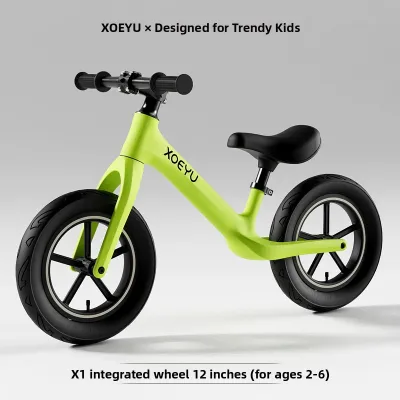
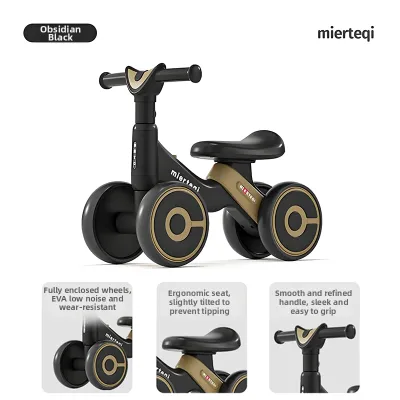
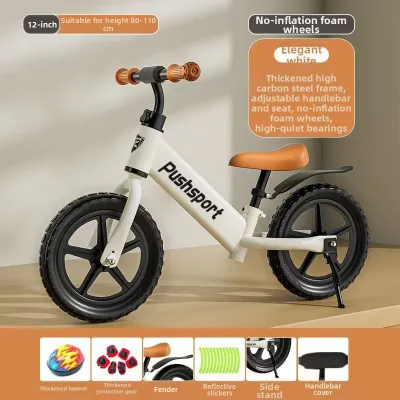
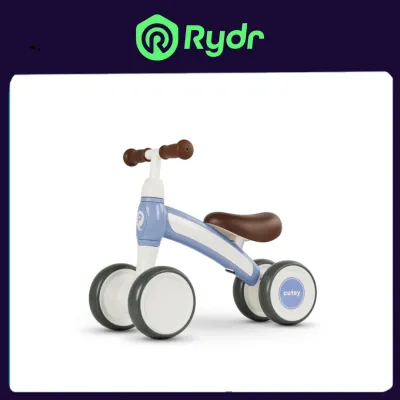
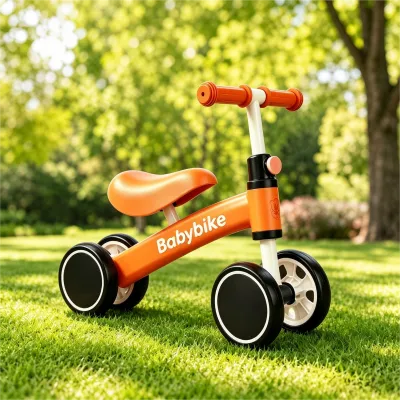
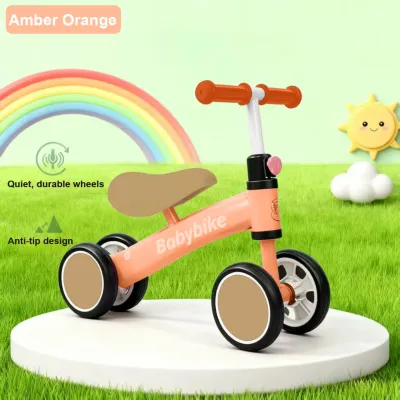
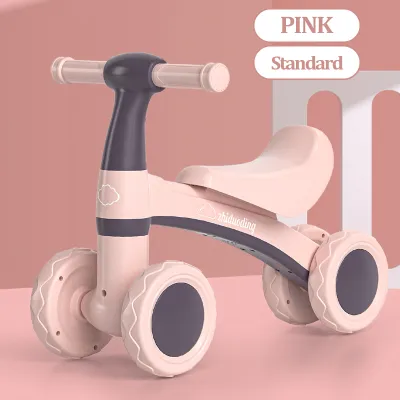
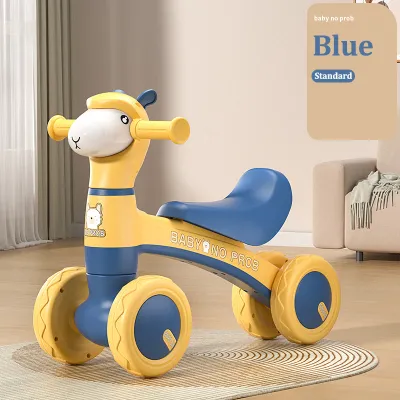
Prices are valid at publication and may change. Please refer to the product page for the latest price.
Wheel size is another helpful indicator, though it serves as a secondary check to seat height. Common wheel diameters include 10-inch, 12-inch, and 14-inch options. A 10-inch wheel is generally designed for the youngest riders, typically around 18 months to 2.5 years old. The 12-inch wheel is the industry standard, accommodating most children from 2 to 4 years of age. Taller beginners or older children around 3 to 5 years old usually benefit from a 14-inch wheel, which provides a smoother roll over uneven outdoor surfaces. Always verify the manufacturer’s specific sizing chart, as frame geometry can cause seat heights to vary even among bikes with the same wheel size.
Finally, check the seat’s adjustment range to ensure the bike can grow with your child. Look for models that offer a wide range between the minimum and maximum seat heights. A generous adjustment range means the bike can remain usable for several seasons, saving you from having to purchase a replacement too quickly.
Compare Frame Materials for Weight, Durability, and Maintenance
The material of the frame dictates how heavy the bike is, how well it withstands rough handling, and how much maintenance it requires. In tropical climates with high humidity and frequent rain, such as the Philippines, material choice directly impacts the bike’s lifespan.

Steel frames are highly traditional, offering exceptional durability and a classic look. They can withstand being dropped on concrete or tossed into the grass without structural damage. However, steel is heavy, which can make the bike difficult for a small child to maneuver. Additionally, steel is highly susceptible to rust when exposed to humid air, rain, or wet grass. If you choose a steel frame, you must commit to storing it indoors and regularly checking for paint chips where rust could form.
Aluminum frames offer an excellent balance of strength, weight, and weather resistance. Aluminum is significantly lighter than steel, making it much easier for a toddler to lift, turn, and control. It is also naturally resistant to rust, making it highly suitable for damp, tropical conditions. While aluminum bikes may require a slightly higher initial investment, their low-maintenance nature and ease of use often make them a practical choice for busy families.
Wooden frames provide a unique, eco-friendly aesthetic and are often lightweight. However, wood requires meticulous care. Exposure to moisture, puddles, and high humidity can cause wooden frames to warp, rot, or split over time. If you opt for wood, verify that the manufacturer has applied a marine-grade protective sealant, and always store the bike in a dry, indoor space. Regular inspections of the bolts and joints are necessary to ensure the frame remains structurally sound.
Composite or high-grade plastic frames are modern alternatives that offer complete rust-proofing and high impact resistance. These frames are lightweight and can survive being left out in the rain without any risk of corrosion or rot. However, because composite materials vary widely in quality, you must check the manufacturer’s specified weight limit to ensure the frame can safely support your child’s weight as they grow.
Regardless of the material, always calculate the bike-to-child weight ratio. As a general safety guideline, a balance bike should not weigh more than 30% of your child’s total body weight. For example, if your child weighs 15 kilograms, the bike should ideally weigh 4.5 kilograms or less. A bike that exceeds this ratio is difficult for a child to manage, leading to rapid fatigue and a higher likelihood of falls during turns.
Verify Essential Safety and Comfort Features
Beyond size and material, specific design details can significantly influence your child’s safety and comfort during their first riding experiences. One common feature to evaluate is the steering limiter. A steering limiter prevents the handlebars from spinning a full 360 degrees, which stops the front wheel from jackknifing during a sharp turn. This is highly beneficial for absolute beginners who are still developing steering control. However, some riders prefer bikes without limiters, arguing that in a hard fall, unlimited handlebars will fold flat against the ground rather than sticking up and potentially injuring the child’s midsection. Check if the bike features a removable or flexible limiter to suit your child’s skill level.
Handlebar protection is another simple yet vital safety feature. Look for bikes equipped with thick, protective rubber or foam pads over the center of the handlebars and stem. These pads cushion the impact if your child’s chest or chin suddenly strikes the handlebars during an abrupt stop. Additionally, ensure the handlebar grips have large, bulbous ends to prevent your child’s hands from slipping off the sides and to protect their knuckles if they brush past walls or trees.
Tire selection directly affects traction and comfort on different riding surfaces. EVA foam tires are puncture-proof, extremely lightweight, and require zero maintenance since they never lose air. However, they offer limited traction on wet concrete, smooth tiles, or loose gravel. If your child will primarily ride on neighborhood roads, dirt paths, or damp outdoor surfaces, pneumatic (air-filled) tires are highly recommended. Air-filled tires provide superior grip and shock absorption, cushioning your child’s joints from bumps and cracks in the pavement, though they do require occasional pumping and puncture repairs.
Handbrakes are an optional feature that depends heavily on your child’s age and physical development. Toddlers under three years old generally lack the hand span, coordination, and grip strength required to operate a handbrake safely; they will naturally rely on their feet to stop. For older children around three and a half to five years old, a rear handbrake is a valuable addition. It helps them practice stopping using their hands, which makes the eventual transition to a pedal bike much smoother and safer.
Test the Fit and Adjust for a Confident Ride
Once you have selected a bike, a physical test fit is essential to ensure everything is adjusted correctly before your child heads out. Start by having your child sit on the saddle with their hands on the handlebars. Observe their posture: their feet must rest completely flat on the ground, and there should be a slight bend in their knees, roughly 15 to 30 degrees. This bend allows them to push off with adequate power and run comfortably while straddling the bike. If they are reaching with their tiptoes, the seat is too high; if their knees are bent deeply or pointing outward, the seat is too low.
Next, check the handlebar height. The handlebars should be positioned at a height that allows your child to maintain a comfortable, upright posture with a slight forward lean. Their arms should be slightly bent at the elbows, allowing for quick steering adjustments. If the handlebars are too low, your child will hunch over, putting excessive strain on their wrists and neck. If they are too high, steering control becomes awkward and tiring.
When making these adjustments, always perform a safety check on the clamping mechanisms. Whether the bike uses a quick-release clamp or traditional binder bolts, ensure they are tightened securely so the seat and handlebars cannot twist or slide down during a ride. Check the manufacturer’s manual for torque recommendations if you are using bolts.
As your child rides, watch for behavioral signals of a poor fit. If they constantly stand up while riding instead of sitting on the saddle, or if they struggle to maintain a straight line, the bike may be too heavy or poorly adjusted. If their knees repeatedly strike the handlebars, the bike is likely too small, indicating it is time to raise the seat or transition to a larger model. Regular monthly checks are recommended, as children can grow quickly, and a minor adjustment can instantly restore their riding confidence.
Frequently Asked Questions (FAQ)
When should I transition my child from a balance bike to a pedal bike?
The transition to a pedal bike depends on physical and cognitive milestones rather than age alone. Look for clear signs of readiness, such as the ability to glide with both feet off the ground for several seconds, confident steering around obstacles, and the ability to stop smoothly using their feet or a handbrake. Most children develop these balancing skills between the ages of three and five. When they can glide effortlessly and express a desire to pedal, they are ready for a pedal bike, often bypassing the need for training wheels entirely.
Is a heavier balance bike better for stability?
No, a heavier balance bike does not provide better stability for a young child. In fact, excessive weight makes the bike much harder to balance, steer, and lift. A heavy bike can quickly fatigue a toddler, leading to frustration and a reluctance to ride. A lightweight bike allows your child to easily control the frame using their own body weight, making it simpler to self-correct when they begin to tip. For the best experience, prioritize a lightweight frame that your child can easily pick up off the ground without adult assistance.
Community discussion
Share your experience or ask a question. Comments are reviewed before publication.