
Choosing the right shin guards is one of the most critical decisions a football player can make before stepping onto the pitch. Whether you are playing a casual weekend match on an artificial turf pitch in Manila or competing in a highly physical regional league, your shins are constantly exposed to late tackles, stray boots, and hard-traveled balls. A properly fitted shin guard acts as a shield, absorbing high-velocity impacts and dispersing the force across a wider surface area to protect your tibia from painful bruising or severe fractures.
However, many players compromise their safety and comfort by wearing the wrong size or style. A guard that is too small leaves significant portions of the lower leg exposed to direct impact, increasing the risk of serious bone injuries. Conversely, an oversized guard will dig into your kneecap when you bend your legs or press down on your ankle joint, severely restricting your range of motion and causing painful chafing. Finding the perfect balance requires understanding your physical measurements, your specific playing style, and the unique demands of your position on the pitch.
Step 1: Measure Your Leg to Find the Correct Size
To find a shin guard that fits like a second skin, you must start with precise physical measurements rather than guessing based on your overall height. While height is a common baseline used by manufacturers, leg proportions vary wildly from player to player. A taller player with relatively short shins might find a height-based recommendation sits too high, while a shorter player with long shins might end up with inadequate coverage.
Products mentioned in this guide
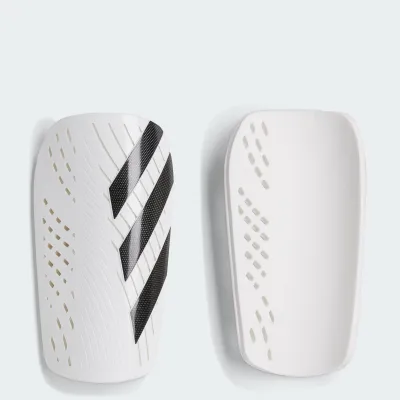
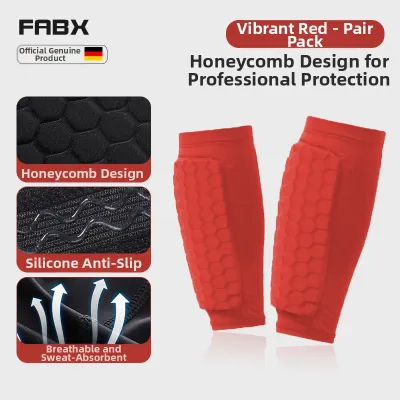
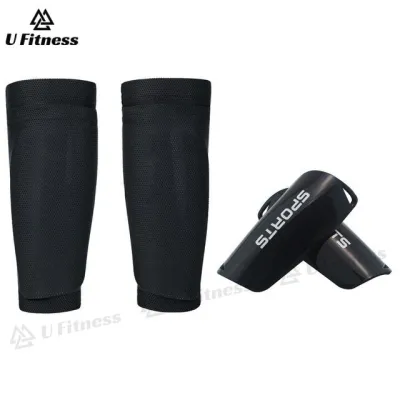
![[COD]1 Pair Sports Soccer Shin Guard Pad Sleeve Sock Leg Support Football Shin Plate Socks Soccer Athlete Anti-Slip Shin Guard Socks Solid Color Shin Protector Soccer Gear With Pocket Shields Legging Shinguards Sleeves](https://img.lazcdn.com/g/p/d511e1cf3af4080417cd30c44fff5b57.jpg_400x400q80.jpg_.webp)
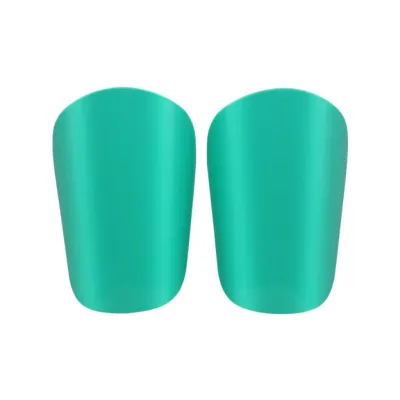
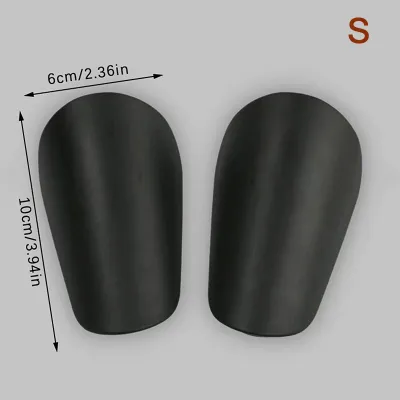
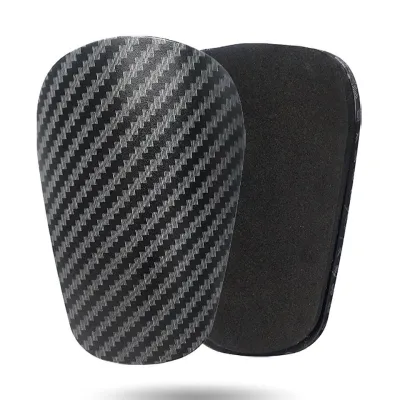
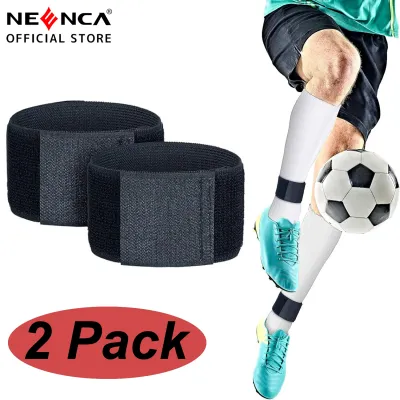
Prices are valid at publication and may change. Please refer to the product page for the latest price.
To get an accurate measurement, you will need a flexible fabric measuring tape. Sit on a chair with your feet flat on the floor and your knees bent at a 90-degree angle. Locate the bottom edge of your kneecap and measure approximately two finger-widths (about one inch) below that point. This gap ensures that when you bend your knees to sprint or slide, the top of the guard will not press into your patellar tendon.
From that upper starting point, run the measuring tape straight down the front of your shin bone to about one to two finger-widths above your ankle bone (the prominent lateral malleolus). This lower gap is essential because it allows your ankle to flex freely when passing, shooting, or pivoting without the bottom of the guard digging into the joint. Write down this measurement in both centimeters and inches.
Once you have your measurement, always cross-reference it with the specific sizing chart of the brand you plan to buy. Sizing is not standardized across the football industry; a medium guard from one manufacturer may have completely different dimensions than a medium from another. Some brands design their guards to be long and narrow, while others favor a shorter, wider profile.
If you have highly developed, muscular calves or wider shins, standard sizing charts might feel restrictive. In these cases, you may need to size up to ensure the curved shell wraps comfortably around the front and sides of your leg without pinching. Alternatively, look for brands that offer flexible shells or specific “wide” profiles designed to accommodate different lower-leg shapes.
Step 2: Select the Best Shin Guard Style for Your Needs
Football shin guards are generally categorized into three distinct styles: slip-in, ankle, and sleeve or strap-on. Each design offers a different trade-off between physical protection, weight, overall bulk, and freedom of movement. Selecting the right style depends on your personal comfort preferences and how much physical contact you expect to encounter during a match.

Slip-In Shin Guards
Slip-in shin guards represent the most minimalist and lightweight option available to modern football players. These guards consist of a simple protective shell, usually backed with a thin layer of impact-absorbing foam, with no attached straps, sleeves, or ankle wraps. You simply slide the shell directly under your football socks, relying on the tension of the sock to hold it against your shin.
The primary benefit of slip-in guards is the unparalleled freedom of movement they offer. Because there are no straps or stirrups wrapping around your joints, your ankles remain completely unrestricted, allowing for quick pivots, sharp turns, and a cleaner, more natural touch on the ball. Additionally, their low profile and lightweight construction reduce leg fatigue over a long 90-minute match, and they allow for better airflow, which is incredibly beneficial when playing in the hot, humid tropical climate of the Philippines.
These guards are highly favored by advanced players, seasoned professionals, and fast-paced attackers who prioritize speed, agility, and minimal weight over maximum coverage. However, because they lack built-in fastening mechanisms, they are prone to shifting or sliding during intense play if not secured properly with tape or tight socks. They also leave the ankle bones completely exposed to low-level tackles.
Ankle Shin Guards
On the opposite end of the spectrum, ankle shin guards offer the most comprehensive protection available. This style features a traditional hard shin shield that is permanently connected to a padded fabric stirrup. The stirrup slides under your foot like a stirrup sock, holding the guard securely in place, and features integrated padded discs that cover the prominent bones on both sides of your ankle.
The main advantage of ankle guards is their superior, multi-point protection. They safeguard not only the front of your tibia but also the highly vulnerable ankle joint from painful side-tackles, stray studs, and accidental clips. Because the stirrup anchors the guard under your foot, these guards are virtually impossible to slide down or shift out of position during a match, providing excellent peace of mind.
This high level of security makes ankle shin guards the ideal choice for beginners, youth players who are still developing their spatial awareness, and defenders who regularly engage in hard, physical challenges. They are also highly recommended for players returning from ankle injuries who require extra physical stabilization and psychological confidence on the pitch. The trade-off, however, is added bulk, increased weight, and a slight restriction in ankle mobility, which some experienced players find distracting.
Sleeve or Strap-On Shin Guards
Sleeve or strap-on shin guards serve as a highly popular middle ground, combining the lightweight feel of a slip-in with the secure fit of an ankle guard. This style typically features a separate compression sleeve made of breathable, elastic mesh fabric that you slide over your calf first, with a dedicated pocket designed to house the protective shell. Other variations utilize adjustable Velcro straps attached directly to the top and bottom of the guard.
The primary benefit of this design is that it locks the guard firmly against your shin without the added bulk or restriction of an under-foot ankle stirrup. The compression sleeve keeps the guard from shifting side-to-side or sliding down your leg, even during explosive sprints and sudden changes of direction. It provides a secure, streamlined fit that easily accommodates different calf shapes through adjustable tension.
This style is perfect for intermediate players, competitive amateur athletes, and midfielders who require a reliable, stay-in-place fit without sacrificing ankle mobility. The compression fabric also aids in localized blood circulation and helps wick away sweat, though players should ensure the sleeves are washed regularly to prevent odor build-up in warm playing conditions.
Step 3: Match Your Shin Guard to Your Playing Position
Your role on the football pitch dictates the types of physical contact you will face and the physical movements you perform most frequently. Matching your shin guards to your playing position ensures you have the exact level of protection you need without carrying unnecessary weight that could hinder your performance.
Forwards and Wingers Attacking players rely heavily on explosive acceleration, high-speed sprinting, and intricate dribbling to beat defenders in tight spaces. Forwards and wingers are also the frequent targets of desperate, high-speed tackles from behind or the side. To maintain their speed and close ball control, attackers should look for ultra-lightweight, low-profile slip-in guards. These minimalist shields protect the vital center of the shin bone while keeping the legs feeling light and unrestricted, allowing for maximum agility during quick changes of pace.
Midfielders Midfielders are the engine room of the team, covering the most distance over 90 minutes through constant jogging, sprinting, turning, and tackling. They operate in highly congested areas of the pitch, making them susceptible to a high volume of moderate physical contact from all angles. A balanced option is best suited for this position. Midfielders should opt for mid-weight slip-ins secured with high-quality compression sleeves or strap-on models. This setup provides robust protection against stray studs during 50-50 challenges while ensuring the guards remain securely locked in place throughout endless box-to-box runs.
Defenders and Goalkeepers Defenders are the physical shield of the team, frequently executing slide tackles, blocking powerful shots, and contesting aerial duels against aggressive attackers. Goalkeepers must regularly dive into crowded penalty boxes, putting their legs in close proximity to swinging boots. For these high-risk positions, maximum protection is paramount. Defenders and goalkeepers should choose thicker, highly robust shields with dense foam backing, or opt for full ankle guards. The extra coverage and impact absorption are vital for weathering heavy, direct impacts and protecting the lower leg from severe injury during physical battles.
Step 4: Test the Fit and Secure Your Shin Guards Properly
Once you have selected the correct style and size, it is essential to perform a thorough fit check and learn how to secure your guards properly before heading into a match. A shin guard can only protect you effectively if it remains in the correct anatomical position throughout the entire game.
First, check the physical coverage of the guard against your leg. When placed on your shin, the guard should sit centrally over your tibia, covering at least 50% to 60% of the distance between your ankle and knee. The top of the guard should rest comfortably below your kneecap without touching it when you bend your leg, and the bottom should clear your ankle joint completely.
Next, conduct a dynamic mobility test. Put on your football socks and boots, insert the guards, and perform a series of movements in a safe space. Do several deep squats, forward lunges, high knees, and short, sharp lateral cuts. The guards should not pinch your skin, dig into your joints, restrict your blood flow, or shift significantly from their starting position. If you feel any sharp pressure points or if the guard rotates around your leg, you may need a different shape or size.
To keep your guards perfectly secure during a match, you can utilize several practical methods. Specialized elastic compression sleeves are excellent for holding slip-in guards tight against the skin. Many players also use athletic tape or cohesive flexible bandages wrapped tightly around the outside of the sock, directly below and above the guard, to create a physical barrier that prevents sliding. If you use tape, check your local league regulations first, as some leagues require the color of the tape to match the color of your socks. Another popular modern option is pairing high-grip socks with sleeve-cut team socks, which naturally lock the guard in place.
Always pay attention to warning signs during play. If you experience any numbness, tingling in your toes, coldness in your feet, or deep red pressure marks after taking the guards off, the fit is too tight or the straps are overly compressed. Conversely, if you find yourself constantly reaching down to pull your guards up during a match, they are too loose or too small. Stop play immediately to adjust or resize your equipment to avoid leaving yourself vulnerable to injury.
Frequently Asked Questions (FAQ)
Can I wear shin guards without football socks?
No, you should not wear shin guards without proper football socks. Long football socks are structurally designed to hold the shin guards tightly against your leg, preventing them from shifting, sliding down, or twisting during rapid movements. Furthermore, official match regulations across almost all organized leagues require shin guards to be completely covered by socks for safety, uniformity, and to prevent the hard edges of the guards from scraping other players.
How often should I replace my shin guards?
You should replace your shin guards immediately if you notice any cracks, deep fractures, or severe warping in the outer protective shell, as these structural defects compromise their ability to disperse impact forces. Additionally, if the inner EVA foam backing becomes heavily compressed, dry-rotted, peeling, or loses its cushioning properties, the guards will no longer absorb shock effectively. As a general rule, inspect your guards at the start of every new season or after surviving an unusually heavy, direct impact.
Are carbon fiber shin guards worth the investment?
Carbon fiber shin guards offer an exceptional strength-to-weight ratio, providing professional-grade impact protection while being incredibly thin and lightweight. This makes them highly desirable for competitive players who want to minimize bulk and weight. However, they are a premium investment, often costing upwards of ₱3,000 to ₱6,000. For most casual, amateur, and youth players, standard high-density plastic or TPU guards backed with EVA foam offer excellent, reliable protection at a much more affordable price point of around ₱300 to ₱1,000.
Community discussion
Share your experience or ask a question. Comments are reviewed before publication.