
Assess Your Child's Water Safety Needs (Weight, Age, and Skill)
Choosing the right safety gear for your child requires looking beyond age or design. In the Philippines, the term “salbabida” is widely used to describe anything that floats—from inflatable toy rings used in backyard pools to professional-grade personal flotation devices (PFDs) worn on boats. For genuine safety in open water or deep swimming pools, a certified life vest is the only reliable option. To find the correct vest, you must first evaluate your child’s physical measurements and swimming abilities, rather than relying on age brackets.
A child’s current weight is the single most critical metric for determining the required buoyancy of a flotation device. Age-based sizing is highly inaccurate because children grow at wildly different rates. A vest that is too large will ride up over a child’s face, while a vest that is too small will not provide enough upward force to keep their head above water. Before purchasing any gear, weigh your child on an accurate scale to establish a baseline for your search.
Your child’s swimming proficiency dictates the level of physical support they need from a vest. Non-swimmers and toddlers have heavy heads relative to their body mass and lack the coordination to keep themselves upright in water; they require specialized vests designed to automatically rotate them face-up. Beginners who are learning to doggy-paddle benefit from vests that allow more arm movement but still offer substantial torso flotation. Confident young swimmers might only need lightweight, low-profile vests for water sports, where mobility is prioritized over maximum static flotation.
Products mentioned in this guide
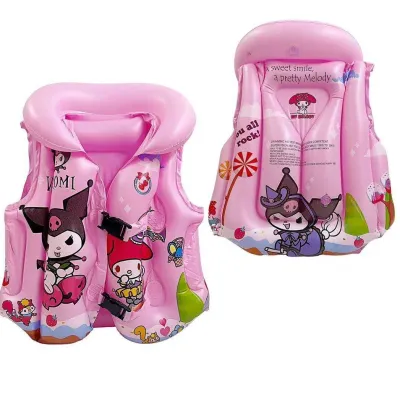
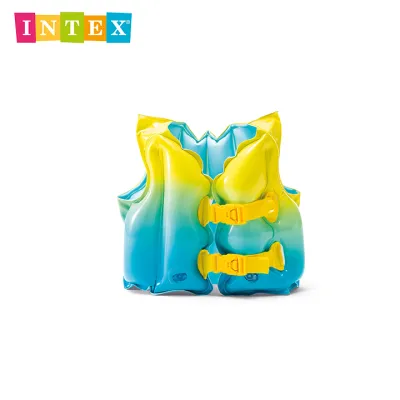
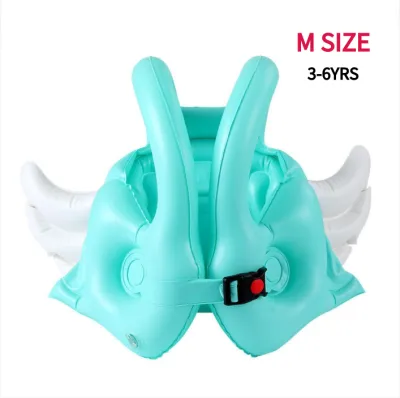
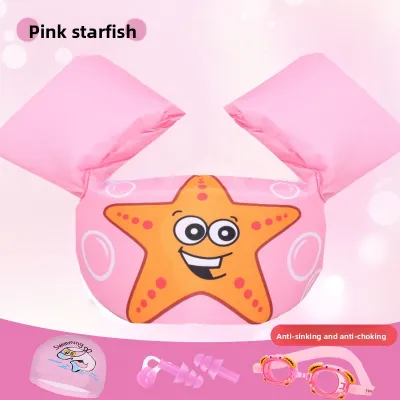
Prices are valid at publication and may change. Please refer to the product page for the latest price.
The specific water environment also changes your safety requirements. A calm resort pool in Laguna presents different risks than the tidal currents of a beach in Batangas or an open-water boat tour in El Nido. Rougher, open waters demand highly visible vests with maximum buoyancy and specialized collars, whereas calm, supervised pools allow for lighter swimming aids. Match the vest’s design to the most challenging conditions your child is likely to encounter.
No flotation device can ever replace active, close-proximity adult supervision. A life vest is a supportive safety tool designed to assist in an emergency, not a substitute for an adult’s watchful eye. Always remain within arm’s reach of non-swimmers and beginners, regardless of how highly rated or certified their life vest is.
Understanding Life Vest Types and Buoyancy Levels
Life vests are classified into distinct types based on their buoyancy, design, and intended use. In the Philippines, most high-quality, imported life vests carry certifications from international organizations such as the United States Coast Guard (USCG) or European Conformity (CE). Understanding these standards helps you select a vest that matches your child’s safety needs and the water conditions they will face.

Type II near-shore buoyant vests are highly recommended for infants and young children who are non-swimmers. These vests are specifically designed to turn an unconscious wearer from a face-down position to a face-up, slightly backward position in calm waters. They feature a distinct flotation collar behind the head that keeps the child’s airway clear of the water, making them the safest choice for general recreational use near the shore or in swimming pools.
Type III flotation aids are designed for conscious wearers in calm, inland waters where rescue is likely to be rapid. These vests are generally more comfortable and less bulky than Type II vests, offering excellent freedom of movement for paddling, kayaking, or swimming practice. However, Type III vests will not consistently turn an unconscious wearer face-up, meaning they are only suitable for older children who are already confident swimmers.
Sizing categories for children’s life vests are strictly defined by weight ranges rather than clothing sizes. Infant vests are designed for babies weighing up to 30 pounds (approximately 14 kilograms) and must include a supportive head collar and a crotch strap. Child vests cover the 30 to 50-pound range (approximately 14 to 23 kilograms), while Youth vests are rated for children weighing between 50 and 90 pounds (approximately 23 to 41 kilograms). Never purchase an adult-sized vest with the intention of tightening the straps to fit a child; the oversized armholes and misplaced buoyancy distribution will fail to keep a child safe.
Always inspect the printed manufacturer’s tag on the inside of the vest before buying. Look for official approval numbers from recognized maritime authorities. If a product lacks clear, printed safety certifications, weight limits, and manufacturer instructions, treat it as a recreational toy rather than a life-saving device. Before using any personal flotation device, always read the manufacturer’s label and care instructions. If instructions conflict with local safety guidelines, or if the device’s certification is unverified, stop use immediately and consult a certified maritime safety professional.
How to Select the Correct Size Using Weight and Chest Measurements
Finding the perfect fit requires combining your child’s weight with their physical chest measurements. Because body shapes vary, relying on weight alone can sometimes lead to a poor fit, especially if a child has a particularly broad or narrow chest. Taking accurate measurements ensures the vest will wrap snugly around their torso without restricting their breathing.
To measure your child’s chest circumference, have them stand naturally with their arms relaxed at their sides. Wrap a flexible, non-stretch measuring tape around the widest part of their chest, directly under the armpits. Keep the tape flat against their back and chest, ensuring it is snug but not constricting. Note the measurement in both inches and centimeters, as different manufacturers use different units on their sizing charts.
When reading a manufacturer’s size label, always prioritize the weight range first, followed by the chest measurement. If your child is near the upper limit of a size category—for example, weighing 48 pounds while the “Child” size limit is 50 pounds—you face a common sizing dilemma. In this scenario, do not automatically jump to a “Youth” size. A vest that is too large is highly dangerous because the child can slip out of it in the water. Instead, try on the smaller size first; if it fits securely and passes the physical fit tests, it is the safer choice until they fully outgrow the weight limit.
Sizing standards vary significantly between brands and product lines. A medium vest from one manufacturer may have different chest dimensions than a medium from another. Always consult the specific brand’s sizing chart for each individual model you consider, and avoid assuming that a size that fit your child last summer will still fit them today.
The Fit Test: Verifying Safety and Comfort Before Hitting the Water
Once you have selected a life vest based on weight and chest measurements, you must perform a physical fit test before the child enters the water. A vest that looks correct on a hanger may perform poorly once subjected to the upward forces of water buoyancy. This test ensures the vest remains securely in place during an emergency.
To conduct the physical fit test, put the vest on your child and fasten all zippers, buckles, and adjustable straps. The vest should feel snug, like a firm hug, but still allow your child to breathe comfortably. Have your child raise both arms straight above their head, then grab the shoulder straps of the vest and pull upward firmly. If the vest slides up past their chin, nose, or ears, it is too loose or too large. Tighten the straps and try again; if it still slides up, you must switch to a smaller size.
For infants and young children, a crotch strap is an absolute safety necessity. This strap runs between the child’s legs and prevents the vest from riding up over their head when they are in the water. Because water pushes the buoyant foam upward while gravity pulls the child’s body downward, a vest without a crotch strap can easily slip off a young child’s body. Ensure the crotch strap is adjusted snugly but comfortably to prevent chafing.
Check the functionality of all fasteners, including plastic buckles, zippers, and drawstrings. Zippers should glide smoothly without catching on the fabric, and buckles should snap shut with a clear, audible click. Inspect the stitching where the straps attach to the vest body; any loose threads or weak seams indicate that the vest may fail under tension.
Evaluate your child’s mobility and comfort while they wear the vest on dry land. Have them walk around, sit down, bend over, and swing their arms in a swimming motion. If the armholes are too tight or rub against their underarms, the combination of saltwater, sand, and tropical heat will quickly cause painful skin chafing. A child who is uncomfortable will constantly try to remove or loosen their vest, compromising their safety during your beach or pool outing.
Signs It Is Time to Replace or Upgrade the Life Vest
Life vests do not last indefinitely, and their materials degrade over time. In the tropical climate of the Philippines, intense sunlight, high humidity, and exposure to chlorine or saltwater accelerate the wear and tear on safety gear. Regularly inspecting your child’s vest helps you identify when it is no longer safe to use.
Inspect the physical condition of the vest before every swimming season. Look for faded fabric, which indicates UV damage that weakens the outer nylon shell. Check the foam flotation material inside by squeezing the vest; if the foam feels hard, brittle, compressed, or shifted out of place, its buoyancy is permanently compromised. Additionally, inspect the straps for fraying and check the plastic buckles for cracks or brittleness caused by sun exposure.
If the vest has been stored in a damp, unventilated area, check thoroughly for mold or mildew. Mold can degrade the fabric fibers and irritate your child’s skin. To maintain the vest’s integrity, hand-wash it using mild soap and fresh water after every use, then hang it to dry in a shaded, well-ventilated area away from direct sunlight. Never use harsh chemical cleaners or dry the vest in an automatic dryer, as extreme heat can damage the internal flotation foam.
Your child’s physical growth is the most common trigger for a vest replacement. Once your child exceeds the maximum weight limit printed on the vest’s safety label, you must replace it immediately, even if the vest is in pristine physical condition. Operating a vest beyond its rated weight capacity means it will not provide sufficient buoyancy to keep your child’s airway clear of the water.
As your child’s swimming skills improve and their water activities change, you may need to upgrade the type of vest they use. A child transitioning from basic pool play to active water sports like kayaking, snorkeling, or riding on a boat will benefit from moving from a bulky Type II vest to a more streamlined, high-mobility Type III vest. Always match the gear to both their current physical size and their evolving aquatic skills.
Frequently Asked Questions (FAQ)
Can my child use an inflatable life vest?
Inflatable life vests are generally not recommended for infants, toddlers, or weak swimmers. These devices require manual or automatic inflation mechanisms that can fail, and they do not provide immediate, inherent buoyancy the moment a child enters the water. Furthermore, inflatable vests require the wearer to remain calm and understand how to use the device, which is unrealistic for young children in an emergency. For children, always prioritize inherently buoyant vests filled with solid flotation foam.
Is a puddle jumper the same as an approved life vest?
While some puddle jumpers carry official safety certifications as Type III flotation devices, many models sold online are uncertified swim aids or pool toys. Certified puddle jumpers can help children learn to maintain a horizontal swimming position, but they do not offer the same level of safety as a Type II life vest, which is designed to turn a child face-up. Always read the product label carefully to verify its official certification status, and remember that swim aids are designed for supervised swim practice, not for open-water safety or boating.
Community discussion
Share your experience or ask a question. Comments are reviewed before publication.