
Selecting the right punching bag for your child is not just about finding an active toy to fill a corner of the room. It is a critical decision that directly impacts their physical safety, joint development, and long-term enjoyment of martial arts. Introducing combat sports at home can foster discipline, coordination, and physical fitness, but using mismatched equipment can quickly lead to injury or frustration.
To ensure a safe and effective training experience, a child’s punching bag must be carefully calibrated to their physical size, skeletal maturity, and striking power. As a general rule, a youth punching bag should weigh no more than 10% to 20% of your child’s body weight, and the physical height of the bag must align with their natural striking zone. Choosing the correct setup requires balancing these physical dimensions with the specific layout of your home and the training goals of your young athlete.
Quick Guide: Matching Bag Weight and Height to Your Child's Age
When selecting training equipment for young beginners, the standard adult selection rules do not apply. While adult heavy bags are typically chosen to represent roughly 50% of the user’s body weight, this ratio is far too high for children. A child’s skeletal system is still developing, meaning their growth plates, wrist bones, and connective tissues are highly vulnerable to repetitive high-impact forces. Overloading a young joint with excessive resistance can lead to chronic strain, wrist hyperextension, or microtrauma to the growth plates.
Products mentioned in this guide
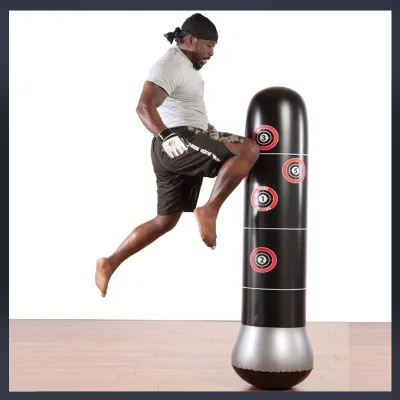
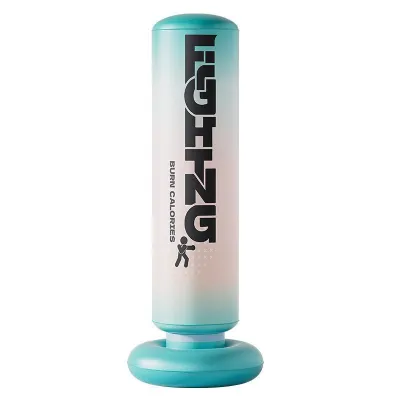
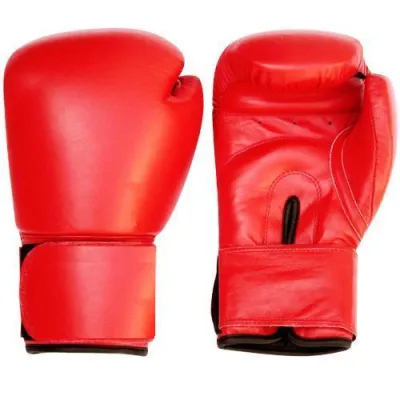
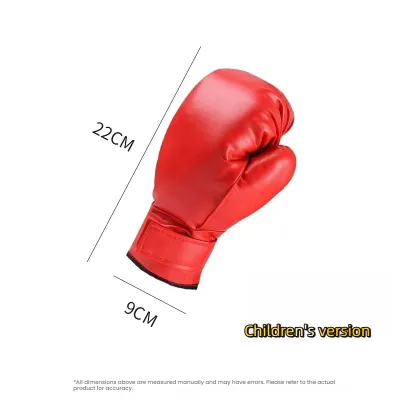
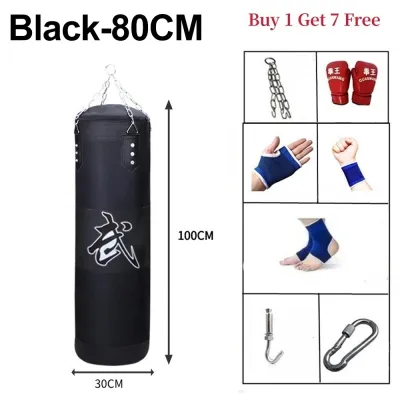
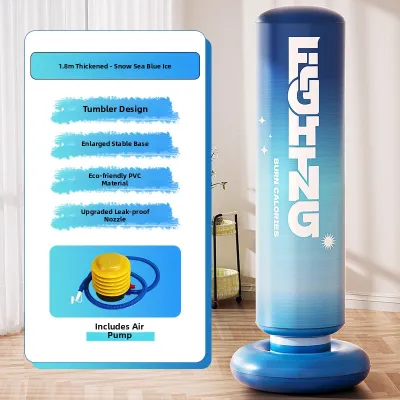
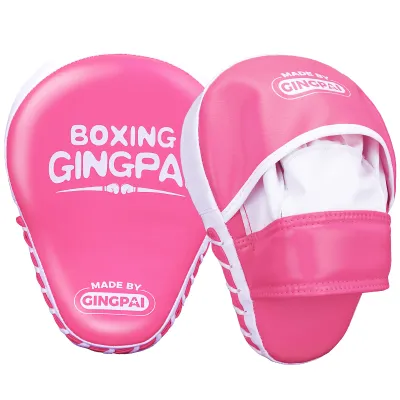
Prices are valid at publication and may change. Please refer to the product page for the latest price.
To protect these developing joints, youth training bags must offer a much lower resistance profile. For toddlers and preschoolers, the resistance should be virtually negligible, focusing entirely on movement and play. As children transition into middle childhood and pre-adolescence, the bag’s weight can gradually scale up, but it should always remain light enough to yield slightly upon impact, absorbing the shock rather than transferring it back into the child’s hand and wrist.
Striking height and reach are equally critical to maintaining proper boxing posture and body mechanics. The primary striking zone—the middle section of the bag—must align naturally with your child’s chest and head level. If the bag is hung too high, the child will be forced to punch upward, putting excessive strain on their deltoids and rotator cuffs while compromising their balance. Conversely, a bag that is too low forces the child to crouch or punch downward, which ruins their spinal alignment and teaches poor defensive habits.
To simplify your initial search, you can reference these general age-based guidelines while shopping:
- Toddlers and Preschoolers (Ages 3 to 5): Look for ultra-lightweight, air-filled inflatable bags or soft foam toy setups weighing under 3 kg. The focus here is purely on hand-eye coordination and active play.
- Early Elementary (Ages 6 to 9): Opt for lightweight freestanding or junior hanging bags weighing between 5 kg and 10 kg. These bags provide a realistic target while remaining soft enough to protect smaller hands.
- Pre-Teens (Ages 10 to 13): Junior heavy bags or adjustable freestanding bags weighing between 10 kg and 15 kg are appropriate. At this stage, children can begin learning structured boxing techniques with mild resistance.
Before finalizing any purchase, always verify the manufacturer’s recommended age, weight, and height limits printed on the product label or digital specification sheet. These guidelines are established based on structural safety tests and are essential for preventing equipment failure during active use.
Types of Punching Bags for Kids: Which Setup Fits Your Home?
Selecting the right style of punching bag depends heavily on your living arrangements, available floor space, and the structural design of your home. In the Philippines, residential spaces vary widely, from compact urban condominiums to spacious suburban homes, each presenting unique installation challenges. Understanding the practical trade-offs of each bag type will help you choose a system that fits your daily routine.

Freestanding Punching Bags
Freestanding punching bags feature a heavy plastic base filled with sand or water, supporting a vertical striking column that is often cushioned with high-density foam. Many high-quality youth models include a spring-loaded neck or an adjustable collar, allowing you to raise or lower the target as your child grows.
- Pros: These systems require absolutely no drilling, ceiling hooks, or permanent structural modifications. They are highly portable, allowing parents to roll the unit into a closet or corner when training is finished, making them excellent for shared living spaces.
- Cons: If the base is underfilled or if an older child strikes the bag with excessive force, the entire unit can tip over or slide across the floor. They also require a wider circular floor footprint than hanging bags to accommodate the bulky base.
- Best for: Families living in rented apartments, homes with tiled or hardwood floors where drilling is not permitted, and multi-use living rooms where space must be reclaimed after workouts.
Hanging Heavy Bags
Hanging heavy bags are smaller, lighter versions of the classic gym heavy bag. They are suspended from a ceiling mount, a wall-mounted bracket, or a dedicated steel heavy bag stand using chains or heavy-duty nylon straps.
- Pros: Suspended bags provide natural swing mechanics and realistic resistance, allowing the child to practice footwork, timing, and head movement as the bag moves. They are highly durable and offer the most authentic martial arts training experience.
- Cons: Installation requires finding a structural ceiling joist or concrete beam, which can be difficult in modern residential builds. Once installed, they occupy a permanent footprint and cannot be easily moved out of sight.
- Best for: Dedicated home gym spaces, covered garages, outdoor patios, or older children who are transitioning into serious, long-term martial arts or boxing training.
Inflatable and Bop Bags
Inflatable bags are air-filled vinyl cylinders with a small, weighted compartment at the bottom (usually filled with sand or water) that causes the bag to bounce back up when struck.
- Pros: These bags are exceptionally safe, highly affordable, and virtually risk-free for young knuckles. They are lightweight, easy to deflate for travel or storage, and require very little physical strength to move or set up.
- Cons: They offer zero realistic striking resistance, making them useless for teaching proper boxing mechanics, punch power, or wrist alignment. They are also prone to punctures along the seams over time.
- Best for: Toddlers and early elementary-aged children who need a fun, high-energy outlet to burn off extra energy and develop basic hand-eye coordination.
Essential Features to Evaluate Before Purchasing
When browsing online marketplaces or local sporting goods stores, it is easy to be overwhelmed by the variety of youth boxing gear available. To narrow down your options, focus on a practical checklist of material and structural attributes that ensure longevity and safety.
Adjustability: Children grow rapidly, and a punching bag that fits perfectly today may be obsolete within a year. Look for freestanding models that offer telescoping height adjustments, typically ranging from 90 cm to 130 cm. This feature ensures the bag can grow alongside your child, providing several years of continuous use.
Filling Requirements: Punching bags are sold either pre-filled or unfilled. Pre-filled bags are convenient and ready to use out of the box, but they incur significantly higher shipping fees due to their bulk and weight. Unfilled bags are highly cost-effective to ship, but they require you to source and manually pack the filling material. If you choose an unfilled bag, fill it with compressed clean fabric scraps or specialized foam sheets; never use raw sand, soil, or gravel for a child’s bag, as these materials settle at the bottom and create rock-hard impact zones that can easily fracture young wrists.
Outer Material Durability: The outer cover must withstand repetitive impacts and resist tearing. High-grade vinyl (PVC) and polyurethane (PU) leather are the most common synthetic options. In the humid tropical climate of the Philippines, material choice is particularly important. Cheap synthetic leathers are highly susceptible to hydrolysis, a process where humidity and sweat cause the material to peel, crack, and flake off. Canvas covers are exceptionally durable but can absorb sweat and ambient moisture, leading to mold and mildew growth if kept in unventilated spaces. For most tropical home setups, a thick, water-resistant PVC vinyl cover is the most practical choice, as it can be easily wiped down and sanitized after each session.
Included Accessories: Many youth punching bags are sold as bundles that include boxing gloves, hand wraps, or inflation pumps. If you are buying a bundle, verify that the included gloves are specifically sized for children’s hands. Standard adult gloves are too spacious, allowing a child’s hand to shift inside the glove and increasing the risk of wrist injury. Look for bundles that include 4 oz or 6 oz youth gloves with secure hook-and-loop wrist straps.
Safe Home Installation and Space Requirements
Proper installation is the foundation of home training safety. A poorly secured punching bag can damage your home’s structure, ruin your flooring, or fall and injure your child during a workout. Taking the time to calculate space requirements and secure your mounting points is essential.
Hanging Bag Safety
If you choose a hanging heavy bag, you must ensure the mounting point can support both the static weight of the bag and the dynamic forces generated during a workout. In the Philippines, many residential ceilings are made of concrete slabs, hollow blocks, or light metal framing rather than traditional wooden joists.
- Concrete Ceilings: If mounting directly into concrete, you must use high-quality metal expansion bolts (often called dynabolts) to secure a heavy-duty ceiling hook. Never attempt to hang a punching bag using standard plastic wall plugs or drywall anchors, as they will pull out immediately under dynamic load.
- Wooden Joists: If mounting to a wooden ceiling joist, use a stud finder to locate the exact center of the beam. Drill a pilot hole and use heavy-duty steel lag screws to secure the mount. Always use a commercial-grade swivel hook to allow the bag to rotate freely, which prevents the mounting screws from unscrewing themselves over time.
- Alternative Stands: If your ceiling structure cannot safely support a hanging bag, do not take the risk. Instead, invest in a dedicated, freestanding heavy bag stand that sits on the floor.
Freestanding Bag Stability
For freestanding bags, stability relies entirely on the base. While filling the base with water is the easiest and most convenient method, sand provides a much denser, heavier foundation that significantly reduces tipping and sliding.
If you live in a tropical climate and choose to fill the base with water, ensure the rubber gasket and fill cap are sealed perfectly tight. Standing water in a dark plastic base can become a breeding ground for mosquitoes if left unsealed, and evaporation can slowly reduce the base’s weight over time.
To protect your home’s flooring, always place interlocking EVA foam mats beneath the freestanding base. These mats serve three critical functions: they prevent the hard plastic base from scratching ceramic tiles or wooden laminates, they provide friction to stop the unit from sliding across the room, and they dampen the low-frequency vibrations and noise that travel through the floor to neighboring rooms.
Clearance Calculation
Before setting up any training area, calculate the necessary clearance zone. A hanging bag requires a 360-degree swing radius of at least 1.5 to 2 meters of completely clear space in all directions. A freestanding bag requires a minimum clearance of 1 meter around the entire unit. This buffer zone ensures that your child can move dynamically, practice footwork, and slip punches without risk of colliding with walls, sharp furniture corners, glass windows, or household electronics.
Safety Gear and Training Guidelines for Young Beginners
No matter how perfectly sized your punching bag is, it cannot replace proper training habits, joint protection, and adult supervision. Establishing clear safety rules from day one will prevent injuries and keep the activity fun and productive.
Hand and Wrist Protection
Never allow your child to strike a weighted or freestanding punching bag with bare hands or standard toy gloves. Even a lightweight junior bag can cause skin abrasions, knuckle bruising, and wrist sprains if struck repeatedly without protection.
Properly fitted youth boxing gloves (typically 4 oz for toddlers, 6 oz for young children, and 8 oz for pre-teens) are mandatory. The gloves should feature thick, multi-layered foam padding over the knuckles and a rigid hook-and-loop strap that wraps securely around the wrist to prevent bending. For children using weighted junior heavy bags, wrapping their hands with youth-sized hand wraps (1.5 to 2.5 meters in length) provides critical structural support to the small metacarpal bones and keeps the wrist aligned.
Supervision and Session Limits
An adult must always be present to supervise home training sessions. Children easily become overexcited and may begin throwing wild, uncontrolled punches with poor form, which is the primary cause of wrist hyperextension.
Keep training sessions short and engaging. Young children fatigue quickly, and as their muscles tire, their punching form deteriorates rapidly, dramatically increasing the risk of injury. Limit sessions to 10 to 15 minutes of structured play for younger children, and up to 30 minutes of focused training for older kids. Watch closely for signs of fatigue, such as drooping shoulders, lazy punches, or complaints of discomfort, and stop the session immediately if these occur.
Technique Over Power
Encourage your child to focus on speed, rhythm, and accuracy rather than raw power. Teach them that a punching bag is a tool for developing coordination and balance, not an object to be destroyed. Encourage light, snappy contact where the glove snaps back to protect their face immediately after striking.
Instruct your child to stop training immediately if they feel any pain or discomfort in their wrists, elbows, or shoulders. Equipment is designed to assist training, but it can never replace parental judgment and active monitoring of your child’s physical limits.
Frequently Asked Questions (FAQ)
Can a child use an adult punching bag?
No, children should not use adult punching bags. Adult bags are far too heavy, dense, and rigid for a child’s developing skeletal system. Striking a heavy adult bag transmits the massive impact shock directly back into the child’s small hand, wrist, and elbow joints, which can easily cause sprains, growth plate injuries, or chronic joint pain. Additionally, the physical height of an adult bag is rarely adjustable to a child’s height, forcing them to punch at awkward angles that ruin their posture and boxing mechanics.
Should I fill the freestanding bag base with sand or water?
Sand is generally the superior choice for stability, while water is better for convenience. Dry play sand is roughly 1.5 times denser than water, meaning a sand-filled base will be significantly heavier, reducing the likelihood of the bag tipping over or sliding across the floor during hard hits. However, sand is difficult to pour into the small fill hole and is very challenging to empty if you need to move the bag. Water is incredibly easy to fill and drain, but it allows the base to shift more easily and must be checked regularly for leaks or evaporation.
At what age can a child start punching bag training?
Children can begin playful striking exercises as early as age 3 using lightweight, air-filled inflatable bop bags, which focus entirely on active play and basic hand-eye coordination. Structured training on weighted junior heavy bags or freestanding foam bags should generally wait until age 6 or 7. At this stage, children have developed the physical coordination, attention span, and cognitive ability to understand basic safety rules, follow instructions, and maintain proper punching form under parental supervision.
Community discussion
Share your experience or ask a question. Comments are reviewed before publication.