
Selecting the right equipment for a youth training corner requires balancing physical safety with skill progression. When looking for a punching bag boxing for kids, the ideal size and weight are determined primarily by your child’s age, physical stature, and developmental stage. As a general rule, a child’s training bag should weigh no more than 10% to 15% of their body weight for toddlers, and up to 50% (half body weight) for active pre-teens and teens, with the height aligned to their chest and shoulders.
Choosing an incorrectly sized bag can lead to immediate joint strain or foster poor striking habits that are difficult to correct later. This guide provides a systematic, age-appropriate framework to help you choose the right equipment, set up a safe home training space, and protect your child’s physical development.
Why Proper Sizing Matters for Safety and Skill Development
Children’s bones, joints, and tendons are still developing, making them highly susceptible to repetitive strain injuries. When a child strikes a standard adult punching bag, they encounter resistance designed for a fully grown adult’s bone density and muscle mass. This excessive resistance can cause immediate wrist hyperextension, elbow strain, and shoulder misalignment. Over time, striking an overly heavy or dense bag forces a child to push their punches rather than snap them, which compromises their balance and ruins their natural striking mechanics.
Products mentioned in this guide
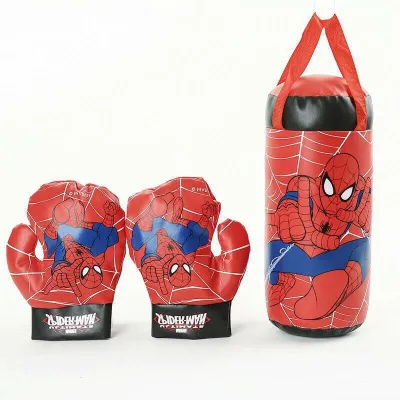
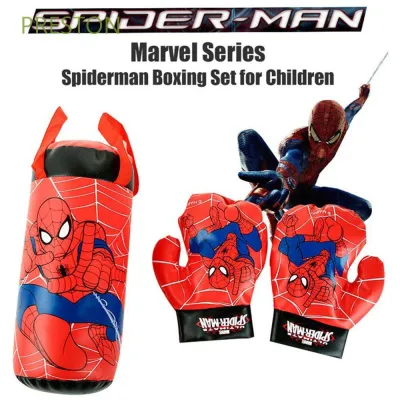
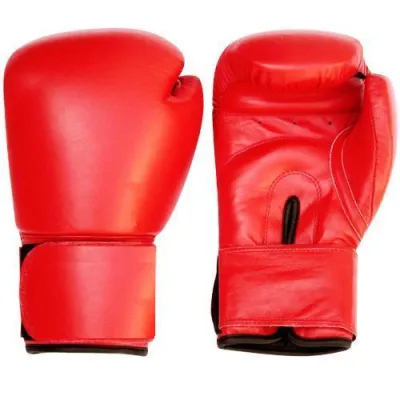
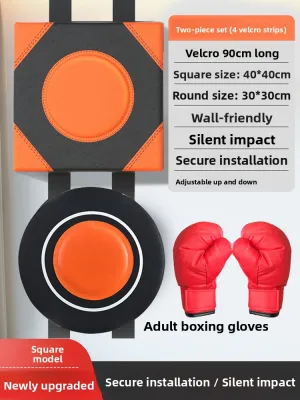
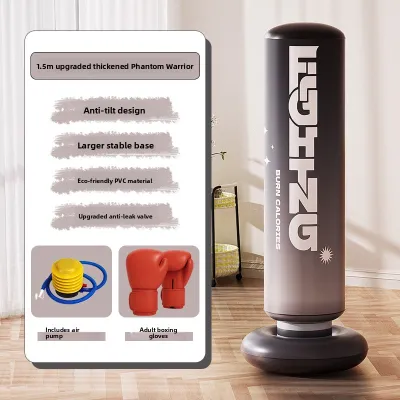
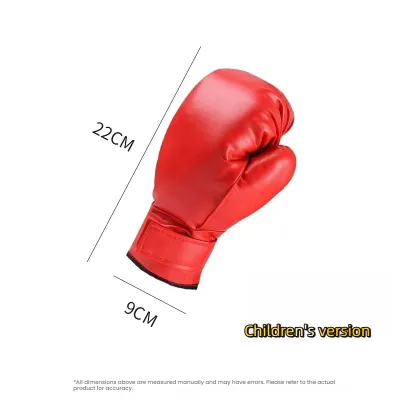
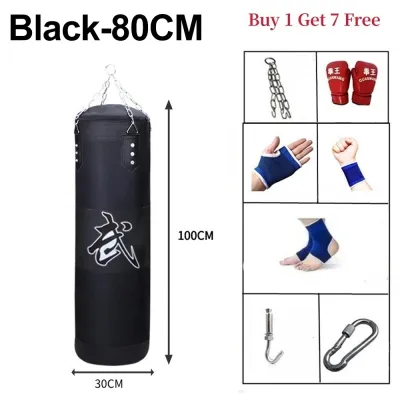
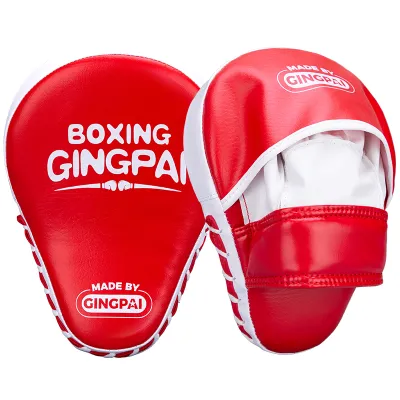
Prices are valid at publication and may change. Please refer to the product page for the latest price.
Conversely, a correctly sized bag supports both physical safety and skill progression. When the bag yields appropriately to a child’s strike, it allows them to develop proper hand-eye coordination, rhythm, and balance. They learn how to shift their weight, maintain their stance, and recover their guard without fear of pain or injury. This positive feedback loop is crucial for building sustained confidence and keeping young athletes engaged in their training. To make an informed decision, you must evaluate four core dimensions: your child’s age, height, body weight, and current skill level.
Punching Bag Weight and Height Guidelines by Age Group
Children grow at highly variable rates, meaning chronological age is only the starting point for your selection. You must always cross-reference age-based recommendations with your child’s actual height and weight, as well as the specific manufacturer guidelines. Below is a structured breakdown of the recommended bag specifications across three primary developmental stages.

Ages 3 to 5: Focus on Coordination and Fun
For toddlers and preschoolers, boxing training is not about power or technical precision; it is about developing basic motor skills, spatial awareness, and balance. At this stage, the punching bag must offer minimal resistance to ensure that even a wild, off-balance strike will not result in wrist or shoulder strain.
The ideal choice for this age group is an inflatable, air-filled bag or an ultra-lightweight plush model. The striking zone of the bag should align directly with the child’s chest and shoulders, usually requiring a total height of 30 to 36 inches (76 to 91 cm). Because these bags are filled with air rather than dense textiles, they pose virtually zero risk of impact injury. When purchasing, always check the manufacturer’s packaging for explicit age ratings and weight limits to ensure the materials are non-toxic and free of small parts that could present choking hazards.
Ages 6 to 9: Building Technique and Light Power
As children enter early elementary school, they develop the cognitive focus and physical coordination needed to learn basic martial arts techniques, such as the jab, cross, and basic footwork. Their muscles and joints are stronger, but they still require a highly forgiving striking surface.
To determine the maximum bag weight for this group, apply the “half-body-weight” rule of thumb. For example, if your child weighs 24 kilograms, the punching bag should weigh no more than 12 kilograms—and for absolute beginners, a bag weighing 5 to 8 kilograms (roughly ₱1,500 to ₱3,500) is highly recommended. This provides just enough resistance to give satisfying feedback without risking joint strain. Look for bags filled with soft, shredded textiles wrapped in durable canvas or synthetic leather. Before buying, measure your child’s reach and standing height to ensure the bag’s adjustable range or hanging height can accommodate their rapid growth spurts over the next twelve to eighteen months.
Ages 10 to 14: Transitioning to Standard Training
Pre-teens and young teens undergo rapid physical changes, often developing significant striking power before their skeletal structures are fully mature. At this stage, they require structured, realistic training equipment that can withstand heavier impacts while still prioritizing joint protection.
For active training, youth in this age bracket can transition to heavier, standard-shaped bags weighing between 15 and 25 kilograms, provided they train under active adult supervision and use proper hand protection. It is critical to inspect the bag’s filling density; avoid cheap, poorly packed bags that settle over time, leaving a rock-hard bottom section that can easily fracture a young wrist. Always cross-reference your child’s current weight and height with the manufacturer’s maximum load specifications. If your child is highly active in competitive martial arts, consult their coach to match the bag’s weight and resistance to their specific discipline.
Freestanding vs. Hanging vs. Inflatable: Which Type Fits Your Space?
Selecting the right style of punching bag depends heavily on your home’s layout, your installation capabilities, and the local climate. In the Philippines, high humidity and seasonal moisture can affect both the equipment’s materials and the structural integrity of your installation space.
Freestanding Bags are highly popular for home training due to their portability and height-adjustable poles. They do not require drilling into walls or ceilings, making them ideal for rental properties or homes with high ceilings. The base is typically filled with water or sand to keep it anchored. However, freestanding bags have a larger floor footprint and can tip over if struck with excessive force by an older, stronger child.
Hanging Bags offer the most realistic swing dynamics, allowing children to practice timing, footwork, and distance management. They are highly durable and take up zero floor space when suspended. However, they require permanent or semi-permanent mounting to a load-bearing ceiling joist or wall stud. In humid tropical environments, you must regularly inspect the mounting hardware, chains, and D-rings for rust or structural fatigue.
Inflatable/Soft-Strike Bags are the most economical, space-saving, and low-risk options. They can be easily deflated, stored away, or moved between indoor and outdoor play areas. While excellent for active play and light cardio, they lack the structural resistance and realistic feedback required for serious martial arts or boxing training.
| Feature | Freestanding Bags | Hanging Bags | Inflatable Bags |
|---|---|---|---|
| Setup Effort | Moderate (requires filling base) | High (requires structural drilling) | Low (requires air pump) |
| Space Footprint | Moderate (takes up floor space) | Low (clears floor when hung) | Moderate (easy to deflate/store) |
| Training Realism | Moderate (limited swing) | High (realistic pendulum movement) | Low (rebounds quickly, no resistance) |
| Durability | High | High (heavy-duty materials) | Low to Moderate (punctures possible) |
| Best For | Growing kids, rental homes | Serious training, spacious rooms | Toddlers, casual active play |
| Price Range | ₱3,000 – ₱8,000 | ₱2,500 – ₱6,000 | ₱800 – ₱2,000 |
Recommended Punching Bag Categories for Kids' Home Gyms
To help you navigate the market, focus on specific product categories and structural features rather than temporary brand promotions. Look for these key specifications to ensure long-term value and safety.
Adjustable Freestanding Bags for Growing Kids
An adjustable freestanding bag is the most versatile investment for a growing child or a multi-child household. Look for models that feature a heavy-duty telescopic central steel pole secured by robust locking pins or threaded collars. This allows you to adjust the height from approximately 35 inches up to 55 inches to match your child’s growth.
The striking target should consist of high-density, shock-absorbing foam wrapped in a sweat-resistant, easy-to-clean synthetic leather (such as PU or PVC). This material resists moisture buildup, which is essential in humid climates to prevent mold and unpleasant odors. Before finalizing your purchase, verify that the base has a wide, low-profile design to lower the center of gravity. Ensure the fill cap is threaded securely with a rubber gasket to prevent leaks, and check that the locking mechanism on the pole does not slip under repeated impacts.
Lightweight Hanging Bags for Technique Practice
For children committed to formal boxing, karate, or taekwondo training, a lightweight hanging bag is the standard choice. Look for youth-specific bags with a shorter profile—typically 24 to 30 inches (60 to 76 cm) in length—rather than standard adult bags which often exceed 40 inches and are far too heavy.
Ensure the bag comes equipped with heavy-duty, reinforced nylon straps or steel D-rings sewn securely into the top seams. If the bag uses steel chains, verify they include a smooth-spinning swivel hook to prevent the straps from twisting and binding during training. Keep in mind that these bags require a dedicated training zone with at least a 1.5-meter clear radius around the bag to accommodate its swing path without hitting furniture or walls.
Inflatable and Soft-Strike Bags for Beginners
If your primary goal is to encourage active, screen-free play or light cardiovascular exercise for younger children, an inflatable bag is an excellent entry-level option. Look for models constructed from thick, puncture-resistant PVC or vinyl (at least 0.3mm thickness) to withstand energetic play.
These bags typically feature a dual-compartment design: a bottom chamber that you fill with water or sand to act as an anchor, and an upper chamber inflated with air. Look for models with wide, leak-proof valves and quick-deflation features for easy storage. Note that these bags are highly vulnerable to sharp objects, rough concrete surfaces, and pet claws, so they should ideally be used on play mats or smooth indoor flooring.
Essential Safety Gear and Setup Checks for Home Training
Setting up a home training corner involves more than just buying a bag; you must establish a safe environment and ensure your child uses the correct protective gear. Equipment alone cannot replace proper training, physical limits, and active adult supervision.
Protective Gear Never allow your child to hit a structured canvas or synthetic leather punching bag with bare hands. Doing so can cause painful skin abrasions, knuckle bruising, and wrist sprains.
- Youth Boxing Gloves: Select properly fitted youth gloves, which are sized by weight in ounces (oz). For children aged 5 to 8, 6 oz or 8 oz gloves are standard; for older children and pre-teens, 10 oz gloves provide necessary knuckle padding.
- Hand Wraps: For children aged 10 and older who are striking with moderate force, use youth-sized hand wraps (typically 120 inches or shorter) to secure the wrist bones and thumb in proper alignment before putting on gloves.
Setup Verification Checklist Before allowing your child to strike the bag, perform these critical installation checks:
- Hanging Bags: Use a high-quality stud finder to locate a solid wood ceiling joist or wall stud. Secure the mounting bracket using heavy-duty lag bolts. Never mount a punching bag directly to drywall, plaster, or drop ceilings, as the repetitive vibrations will pull the hardware loose, causing the bag to fall.
- Freestanding Bases: Decide between filling the base with water or dry sand. While water is easier to fill and empty, sand is denser and provides a much more stable base for older children. In highly humid tropical regions, if you fill the base with water, keep it away from direct sunlight to prevent internal algae growth. Ensure the fill cap is tightly sealed to prevent moisture from seeping onto your floors.
- Clearance Zone: Clear a minimum of 1.5 to 2 meters of open space around the training bag. Remove all hard-edged furniture, toys, and obstacles that your child could trip over or strike during movement.
Supervision and Training Limits Always supervise your child’s training sessions to ensure they maintain proper form and do not overexert themselves. Teach them to warm up with light stretching and shadowboxing before hitting the bag. Instruct your child to stop training immediately if they experience pain in their wrists, elbows, or shoulders.
Frequently Asked Questions (FAQ)
Can my child use an adult punching bag if it is light enough?
No, children should not train on adult-proportioned punching bags, even if the bag is relatively light. Adult bags are significantly longer and wider, which forces a child to strike at awkward, unnatural angles. This misalignment can lead to poor posture, shoulder strain, and wrist hyperextension. Furthermore, the outer materials of adult bags are often too dense for a child’s developing hands, increasing the risk of impact injuries.
Should I fill the freestanding bag base with sand or water?
For toddlers and younger children using light freestanding bags, water is usually sufficient and makes the bag much easier to move or store. However, for older children (ages 8 and up) who strike with more force, dry sand is highly recommended. Sand is roughly 1.5 times denser than water, providing a lower center of gravity that prevents the base from sliding or tipping over during intense workouts.
How high should I hang a punching bag for my child?
As a general rule, the top of the punching bag’s main striking cylinder should align with your child’s eye level or slightly above. This placement ensures that the center of the bag—the primary target area—aligns naturally with their chest and shoulders, allowing them to practice straight punches (jabs and crosses) with proper horizontal wrist and elbow alignment.
Community discussion
Share your experience or ask a question. Comments are reviewed before publication.