
Choosing the correct dragon boat paddle bag requires matching your paddle’s physical dimensions with the bag’s internal capacity while considering your daily transport habits. A bag that is too small will strain the zippers and expose your paddle to damage, while an oversized bag allows the paddle to slide around, risking structural chips and cracks. For paddlers in the Philippines, where high humidity, intense tropical sun, and sudden downpours are common, selecting a bag with the correct fit and proper ventilation is essential to protect your investment.
To find the ideal fit, you must measure your paddle from the top of the grip to the tip of the blade, check the blade’s maximum width, and evaluate how many paddles you need to carry. This guide outlines the exact steps to measure your gear, understand manufacturer size categories, and choose a bag that offers both convenience and long-term protection.
Measure Your Dragon Boat Paddles Accurately
Before browsing online marketplaces or local sports shops, obtain precise measurements of your paddle. Do not rely on the labeled size, as custom cuts, grip installations, and brand-specific shapes alter the actual dimensions.
Products mentioned in this guide
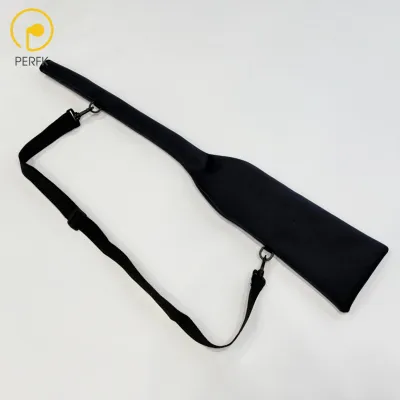
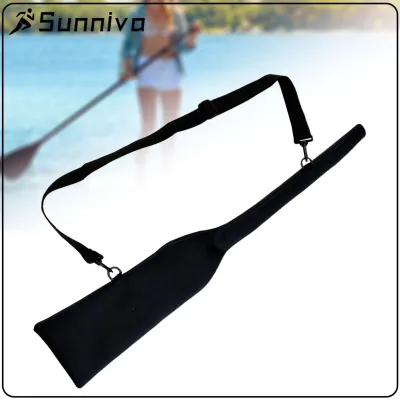
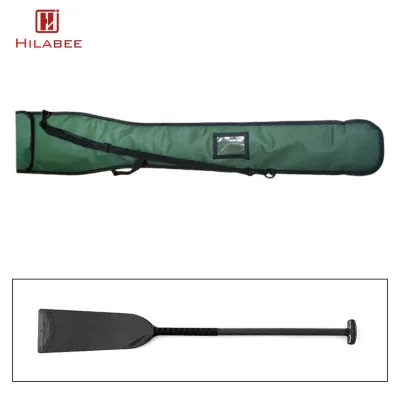
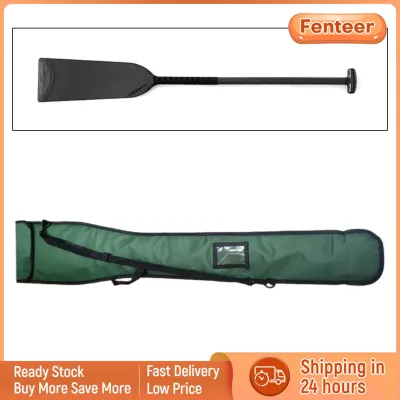
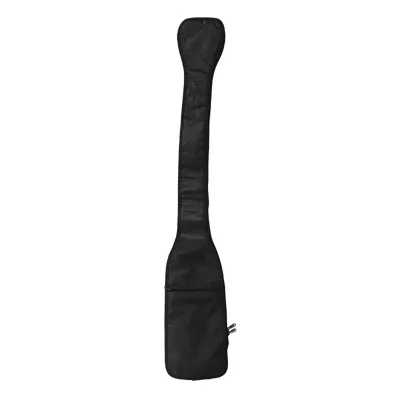
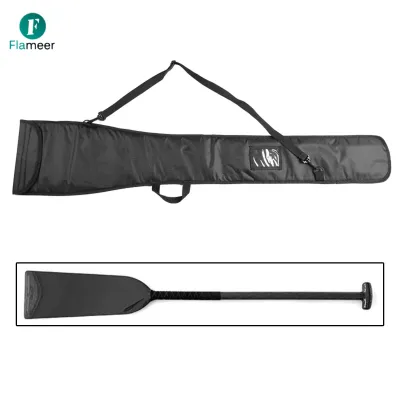
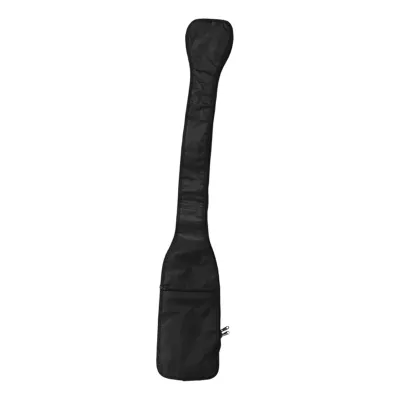
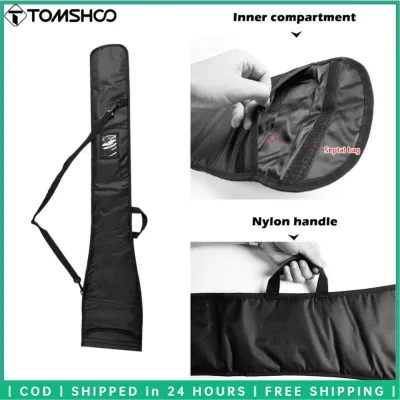
Prices are valid at publication and may change. Please refer to the product page for the latest price.
To measure the total length, lay your paddle flat on a level surface. Run a standard measuring tape from the highest point of the T-grip down to the very tip of the blade. Ensure the tape measure runs parallel to the shaft to avoid diagonal errors. If you use an adjustable paddle, measure it at its maximum extended length to ensure the bag can accommodate it when fully extended, or measure it at your preferred paddling length if you plan to collapse it for travel.
Next, measure the widest part of the blade. Dragon boat blades generally follow standard International Dragon Boat Federation (IDBF) specifications, but minor variations in edge thickness and blade curvature exist. Measure across the face of the blade at its widest point, which is typically near the tip or the middle section depending on whether it is a traditional rectangular shape or a teardrop design. Note this width in both centimeters and inches, as bag manufacturers use different units.
Finally, consider the shape and thickness of your grip. Ergonomic grips or custom grip wraps can add extra bulk to the top of the shaft. If your paddle has a thick wax buildup or heavy rubber grip tape, measure the circumference of the grip area to ensure it will slide easily into the narrower neck of a paddle sleeve.
Understand Paddle Bag Size Categories and Dimensions
Once you have your paddle’s exact measurements, you need to translate them into the dimensions of available paddle bags. Manufacturers list both external and internal dimensions, and confusing the two is a common cause of sizing errors.

Always prioritize internal compartment dimensions over external measurements. External dimensions include the outer fabric, heavy padding, carry handles, and external utility pockets, which can add up to two inches of non-usable space. If a bag lists an external length of 51 inches, the actual internal clearance might only be 49 inches, which will not fit a standard 50-inch paddle without forcing the zipper.
Standard dragon boat paddle bags generally fall into three size categories. Compact bags are designed for paddles up to 47 inches, standard bags accommodate paddles up to 51 inches, and extended or adjustable bags fit paddles up to 53 inches or feature roll-top closures that adapt to various lengths. If your paddle measures exactly 49 inches, choosing a standard bag rated for up to 51 inches provides the necessary clearance without excess fabric.
Look for bags that feature internal securing mechanisms. High-quality bags often include adjustable hook-and-loop straps or internal sleeves that hold the shaft in place. These features prevent shorter paddles from shifting inside a larger bag, reducing the risk of internal impact damage during transit.
Single vs. Multi-Paddle Capacity Planning
Deciding between a single-paddle sleeve and a multi-paddle bag depends on your training frequency, travel habits, and role on the team. Both styles serve distinct purposes, and many paddlers eventually use both depending on the venue.
A single-paddle sleeve is highly efficient for daily training sessions. It is lightweight, compact, and easy to carry while riding a motorcycle, commuting on public transit, or walking through crowded staging areas. These sleeves typically feature a simple shoulder strap and minimal extra pockets, making them ideal for paddlers who only need to transport their primary paddle.
A multi-paddle bag is designed to hold two to three paddles. This is highly beneficial for competitive paddlers who carry a backup paddle to races or steerers who use different paddle lengths depending on water conditions. Multi-paddle bags are also useful for families or teammates who travel together to regattas, allowing them to consolidate their gear into a single piece of luggage.
When choosing a multi-paddle bag, factor in the space needed for personal gear. Many larger bags include dedicated compartments for wet dry bags, personal flotation devices (PFDs), water bottles, and sun protection. However, keep in mind that fully loaded multi-paddle bags can become heavy and bulky, requiring robust carrying systems to distribute the weight evenly across your shoulders.
Evaluate Bag Features for Protection and Transport
A properly sized bag must also withstand the physical demands of travel and the environmental conditions of tropical paddling venues. Protection and transport features are just as important as dimensional fit.
Look for reinforced padding throughout the bag, with extra thickness around the blade and grip sections. The blade tip is the most vulnerable part of a dragon boat paddle, prone to chipping when the bag is set down on concrete docks or rocky shores. A bag with at least 5mm of foam padding provides a buffer against daily drops and bumps.
If you choose a multi-paddle bag, ensure it has internal dividers or individual sleeves for each paddle. Without dividers, carbon fiber shafts and blades will rub against each other during transport, leading to surface scratches and structural wear. Individual compartments keep each paddle isolated and secure.
Transport options should match your typical commute to the water. If you walk long distances from parking areas to the boat launch, backpack-style shoulder straps are highly beneficial as they keep your hands free to carry other gear. For shorter walks, a padded single shoulder strap or a heavy-duty grab handle is sufficient.
Additionally, prioritize ventilation features. Storing a wet paddle in a sealed, unventilated bag in hot, humid conditions creates an ideal environment for mold, mildew, and unpleasant odors. Bags with mesh panels or metal grommets allow airflow, helping to dry out residual moisture after a hard session on the water.
Common Sizing Mistakes to Avoid
Avoiding common purchasing errors will save you the hassle of returning a bag or, worse, damaging your expensive carbon fiber paddle.
First, never assume that a standard kayak or canoe paddle bag will fit a dragon boat paddle. Kayak paddles are typically much longer and split into two pieces, resulting in bags that are too narrow for the wide blade of a dragon boat paddle. Canoe bags may lack the specific pocket shape required to accommodate the distinct T-grip of a dragon boat paddle.
Second, avoid buying a bag that fits too tightly. While a snug fit prevents shifting, a bag that requires force to zip shut puts continuous pressure on the paddle’s blade edges and the bag’s seams. Over time, this tension can split the zipper teeth or cause the blade’s protective edge tape to peel.
Finally, do not overlook the impact of accessories. If you plan to use a separate blade cover inside your paddle bag for double protection, you must add extra width and thickness to your paddle measurements before selecting a bag size.
Frequently Asked Questions (FAQ)
Can I use a standard kayak paddle bag for my dragon boat paddle?
Standard kayak paddle bags are generally unsuitable for dragon boat paddles. Kayak paddles are much longer and have narrower blades, meaning their bags are shaped differently and will not accommodate the wide blade profile and fixed T-grip of a dragon boat paddle. Using the wrong bag type can scratch your gear or fail to close properly.
How much extra length should I add to my paddle measurement when buying a bag?
You should generally look for a bag that offers 1 to 2 inches (2.5 to 5 cm) of internal clearance beyond your paddle’s total length. This extra space allows you to slide the paddle in and out smoothly without scraping the grip or putting unnecessary tension on the zippers and seams.
Community discussion
Share your experience or ask a question. Comments are reviewed before publication.