
Finding the right treadmill machine electric for a condo or a compact home gym requires balancing your personal fitness goals with the physical realities of limited square footage. To fit comfortably in a typical urban apartment or high-rise unit, a compact or folding electric treadmill should generally have an operational footprint of no more than 150 to 170 centimeters in length and 70 to 80 centimeters in width. However, selecting the right machine involves much more than matching floor dimensions; you must also account for critical safety clearances, ceiling heights, weight capacities, and structural noise transmission.
Maximizing a small workout area means understanding how a machine behaves when in use versus when it is stored. Prioritizing space-saving features should never come at the expense of your safety or the mechanical integrity of the machine. By systematically measuring your space, understanding equipment specifications, and evaluating structural trade-offs, you can establish a high-performing home gym that respects both your floor plan and your neighbors.
Assessing Your Available Space and Clearance Needs
Before browsing online marketplaces or visiting a fitness equipment showroom, you must map out the physical journey of the machine and its final operational zone. The very first step is measuring the delivery pathway. A boxed treadmill is incredibly bulky and heavy; verify the dimensions of your building’s service elevator, narrow hallways, stairwells, and every doorway leading to your designated workout room. If the boxed unit cannot clear the elevator door or turn a tight corner in your hallway, assembly will become an immediate logistical headache.
Products mentioned in this guide
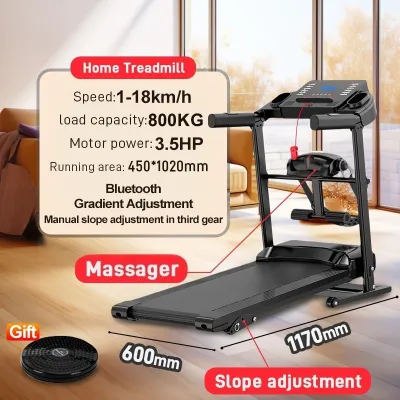
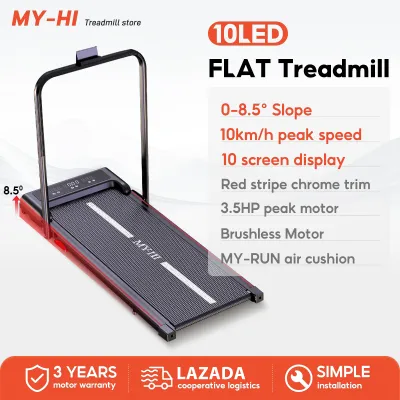
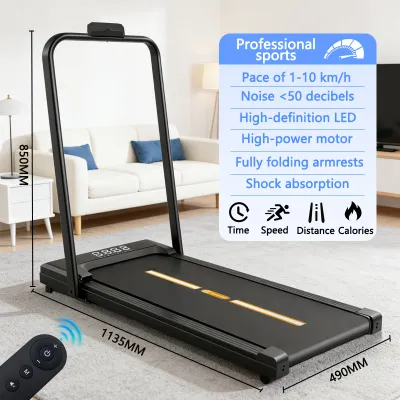
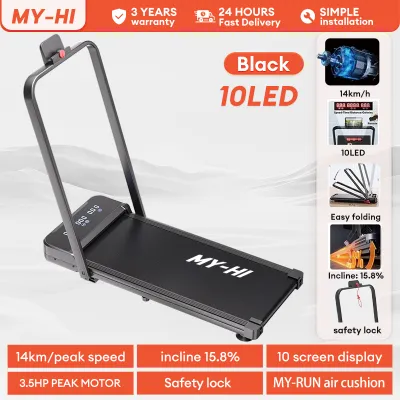
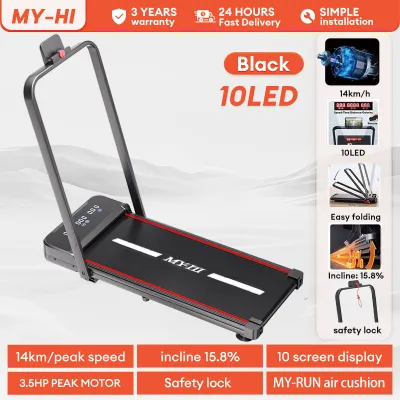
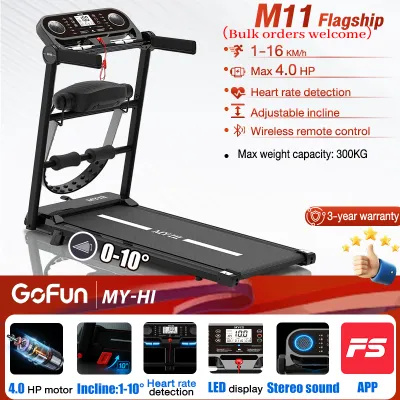
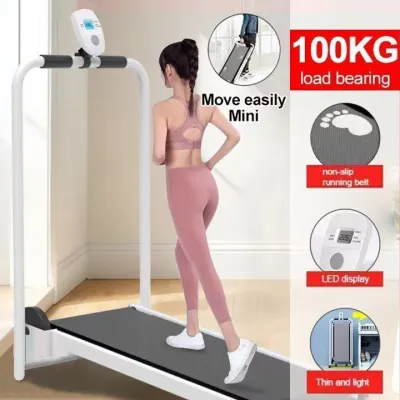
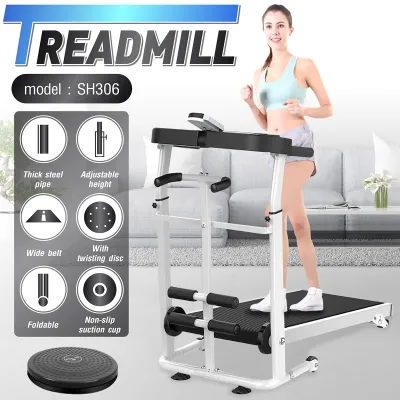
Prices are valid at publication and may change. Please refer to the product page for the latest price.
Once inside the room, you must calculate the operational clearance rather than just the static footprint of the machine. Safety standards and manufacturer guidelines emphasize leaving a generous open zone behind the running deck. This rear clearance—ideally at least 1.5 to 2 meters of completely unobstructed space—is critical to prevent severe friction burns or entrapment injuries if you slip or fall while the belt is moving at high speed. Additionally, maintain a minimum of 0.5 meters of clear space on both sides of the treadmill to allow for comfortable mounting, dismounting, and proper motor ventilation.
Always consult the manufacturer’s user manual for model-specific safety clearances, as these requirements can vary based on the machine’s maximum speed and deck design. Do not rely on generic rules of thumb when your physical safety is on the line. If a model requires more clearance than your room can safely provide, you must look for a smaller alternative or reconsider the layout of your room.
Ceiling height is another frequently overlooked factor, especially if you plan to use a treadmill with an incline feature. To determine your vertical clearance needs, add your own height to the height of the treadmill’s running deck from the floor (typically 15 to 25 centimeters). If the machine has an incline function, add the maximum elevation height of the deck, plus an additional 30 centimeters of safety clearance to prevent your head from coming dangerously close to the ceiling or light fixtures during a vigorous run.
Understanding Electric Treadmill Dimensions and Footprints
To make an informed decision, you must distinguish between a treadmill’s running surface and its overall physical footprint. The running surface, or belt size, refers strictly to the active area where your feet make contact. The overall footprint includes the motor hood, side rails, upright console supports, and the console itself. A treadmill with a running belt of 120 centimeters by 40 centimeters will actually require a floor footprint of at least 160 centimeters by 70 centimeters once the frame and motor housing are factored in.

The size of the motor and the design of the frame directly dictate the machine’s overall footprint. Treadmills built for high-speed running require larger, heavier continuous-duty motors, which in turn require larger protective housings at the front of the deck. Sturdier frames designed to handle high-impact forces naturally feature wider steel tubing and broader base stabilizers, expanding the overall space the machine occupies on your floor.
Your physical height and running style must guide your choice of belt dimensions. While a compact footprint is highly desirable in a condo, a running deck that is too short or too narrow can compromise your safety and natural running stride. Walking generally requires a belt length of at least 120 centimeters, whereas running requires a minimum length of 140 centimeters. If you are taller than 180 centimeters, running comfortably will require a belt length of 145 to 150 centimeters to prevent you from accidentally stepping off the rear of the deck.
Weight capacity is a vital indicator of structural durability that correlates closely with machine size. Smaller, ultra-lightweight treadmills often have lower maximum weight limits, sometimes capping out at 90 to 100 kilograms. Exceeding or even approaching these limits puts immense strain on the motor and deck, dramatically shortening the machine’s lifespan. Always verify the manufacturer’s rated weight capacity and select a machine that provides a comfortable buffer above your actual body weight.
Folding and Compact Treadmill Options for Limited Spaces
For multi-use rooms or studio condos, folding treadmills offer a practical way to reclaim floor space when you are not exercising. These machines generally fall into two categories: vertical deck folding models and flat-folding models. Vertical folding models use a hinge system to lift the running deck upward toward the console, reducing the horizontal footprint by roughly half. Flat-folding models allow the console and upright handrails to fold completely flat against the deck, enabling you to slide the unit under a bed or store it vertically against a wall or inside a closet.
Choosing a folding design introduces specific structural trade-offs that you must carefully evaluate. Non-folding, fixed-frame treadmills are inherently more rigid and stable because they lack moving joints and locking pins. Folding models may exhibit a slight amount of deck wobble or frame flex during high-intensity runs. Over time, the pivot joints of a folding mechanism can wear down, requiring regular inspection and tightening to maintain structural integrity and user safety.
Folding and unfolding a treadmill requires physical effort and adherence to safety precautions. Many mid-range and premium folding models feature hydraulic assist mechanisms, often called soft-drop systems. These gas-charged shocks support the weight of the deck as you lift it and allow it to lower itself slowly and safely to the floor when released. If a model lacks this assistance, ensure you have the physical strength to lift the deck safely, or plan to have a second person assist you to avoid back strain or accidental drops.
Before relying on a specific storage spot, measure the folded dimensions of the treadmill against your storage space, paying close attention to closet depth or the clearance height under your bed frame. Additionally, consider the concentrated weight of the machine when stored vertically. A treadmill resting on a small set of transport wheels or storage feet exerts highly concentrated pressure on your flooring, which can indent soft wood, crack delicate tiles, or tear vinyl planks if not properly supported.
Key Features to Balance Size, Performance, and Safety
When prioritizing a small physical footprint, you must be careful not to compromise on the core performance specifications that keep your workouts safe and effective. The motor’s continuous duty horsepower (CHP) is the most critical specification to verify. Do not confuse CHP with peak horsepower; peak horsepower only indicates the motor’s maximum short-term output, whereas CHP represents the power the motor can sustain safely over a long workout. For walking, a motor with 1.5 to 2.0 CHP is sufficient, but running requires at least 2.5 to 3.0 CHP to prevent motor overheating and premature burnout.
Shock absorption is another area where compact treadmills often compromise. Cheaper, ultra-slim models may feature thin running belts resting on rigid particleboard decks with minimal cushioning. Running on an un-cushioned deck transfers high-impact forces directly to your ankles, knees, and lower back, which is particularly punishing on the hard concrete subfloors common in modern condo developments. Look for compact models that explicitly feature elastomer deck dampeners or shock-absorbing pads to protect your joints.
Console design and safety controls should remain highly functional even on scaled-down machines. Ensure the console screen is positioned at an angle that allows you to read your metrics clearly without straining your neck. Most importantly, verify that the physical emergency stop button and safety clip are large, highly visible, and easy to reach. The safety clip must always be attached to your clothing during exercise so that if you stumble, the key pulls free and immediately halts the belt.
Finally, verify the electrical requirements of your chosen treadmill against your condo’s electrical infrastructure. High-powered electric treadmills draw significant amperage, especially under the load of a runner’s footstrikes. In the Philippines, where standard residential voltage is 220V, ensure the outlet you intend to use is properly grounded and not shared with other high-draw appliances like air conditioners or microwave ovens. Never use a standard household extension cord to power a treadmill; the resistance can cause voltage drops, overheat the cord, and pose a severe fire hazard.
Common Space-Measurement and Setup Mistakes to Avoid
Setting up a treadmill in a confined space often reveals unexpected structural and environmental challenges. One of the most common mistakes is ignoring the load limits of your flooring. While modern high-rise condos are engineered to support substantial loads, older buildings, wooden loft levels, or temporary platforms may have strict weight restrictions. Consult your building’s property management office (PMO) guidelines regarding heavy fitness equipment before finalizing your purchase.
Proper ventilation is essential for the longevity of your treadmill’s internal electronics. Placing the front of the treadmill too close to a wall, heavy drapes, or furniture blocks the intake vents of the motor housing. Without adequate airflow, the motor will rapidly overheat, leading to thermal shutdowns or permanent component damage. Maintain at least 30 centimeters of open space around the motor cover to ensure cool air can circulate freely.
Power cord management is another critical safety consideration in a small room. In a compact space, a trailing power cord stretching across a walkway is a major tripping hazard that can pull the machine over or injure someone walking past. Plan your treadmill placement close to a dedicated wall outlet, or use heavy-duty, rubberized cord protectors to secure the cable flat against the floor away from high-traffic zones.
Always place your treadmill on a high-density equipment mat. A thick, specialized rubber mat serves multiple critical functions in a condo setting: it protects your tiles, hardwood, or laminate flooring from scratches and sweat; it prevents the treadmill from slowly drifting across smooth floors due to operational vibrations; and it acts as an essential sound barrier, dampening the low-frequency noise that transfers through the floor to the unit below.
Frequently Asked Questions (FAQ)
Can I put an electric treadmill on a condo balcony?
No, you should not place an electric treadmill on an open or semi-enclosed condo balcony. The tropical climate in the Philippines exposes outdoor equipment to high humidity, salt air, blowing dust, and direct sunlight, all of which will rapidly degrade the electrical components, rust the steel frame, and dry out the running belt. Furthermore, moisture exposure can cause electrical shorts, posing a severe safety hazard and voiding the manufacturer’s warranty. Keep your treadmill indoors in a dry, climate-controlled room.
Will a treadmill in a condo cause noise complaints from neighbors?
Yes, treadmills can easily generate noise complaints if not properly managed. The noise comes from two sources: the hum of the electric motor and the physical impact of your feet hitting the deck, which creates low-frequency vibrations that travel directly through concrete floor slabs and shared walls. To minimize disturbance to your neighbors, always place a high-density, anti-vibration rubber mat beneath the machine, position the treadmill away from shared bedroom walls, and limit your workouts to reasonable daytime hours. Selecting a model with advanced shock absorption will also significantly reduce footstrike impact noise.
Community discussion
Share your experience or ask a question. Comments are reviewed before publication.