
To choose the right size gymnastics outfit for your child online, you must rely on precise body measurements—especially the torso girth—rather than standard clothing sizes or age labels. Because gymnastics apparel requires a snug, second-skin fit to ensure safety and performance, matching your child’s current measurements to the manufacturer’s specific size chart is the most reliable way to avoid returns and ensure comfort during training. Relying on everyday clothing sizes often leads to ill-fitting garments that can restrict movement or pose safety hazards on the equipment.
Why Gymnastics Outfits Fit Differently Than Everyday Clothes
Gymnastics apparel is engineered to perform under unique physical demands, which dictates a fit entirely different from casual t-shirts or athletic shorts. A proper gymnastics leotard must fit like a second skin, clinging closely to the body without any loose or sagging fabric. This tight fit is a fundamental safety requirement. Loose fabric can easily catch on training equipment such as the uneven bars, vaulting tables, or balance beams, potentially causing slips, falls, or sudden stops mid-routine.
Furthermore, a snug fit allows coaches to clearly observe your child’s body lines, posture, and muscle engagement during complex movements. If a garment is too baggy, a coach cannot accurately assess whether the spine is aligned, the hips are square, or the knees are locked, which are critical factors for both scoring and injury prevention.
Products mentioned in this guide
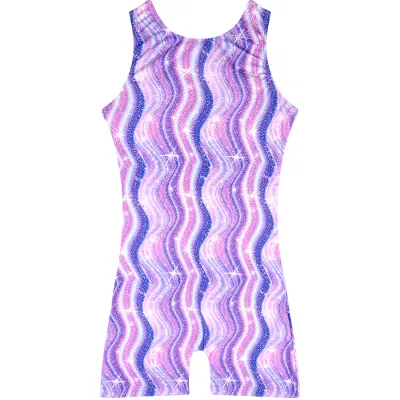
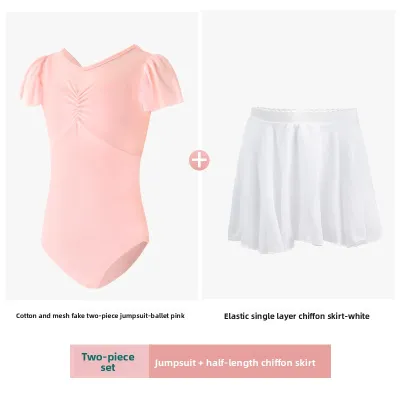
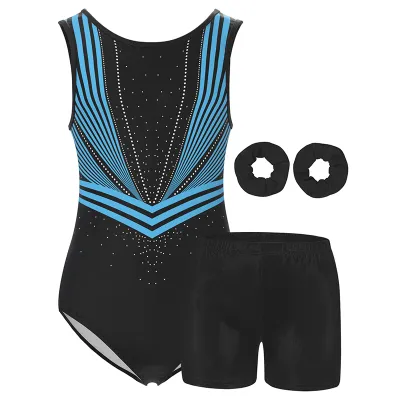
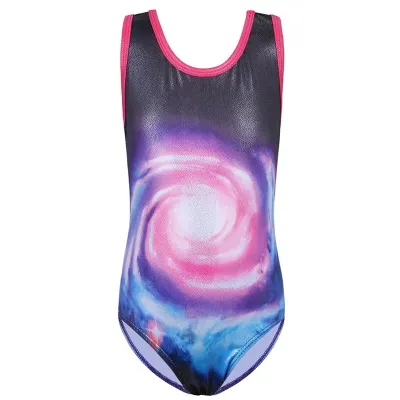
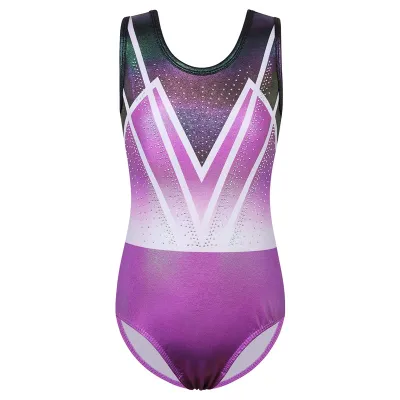
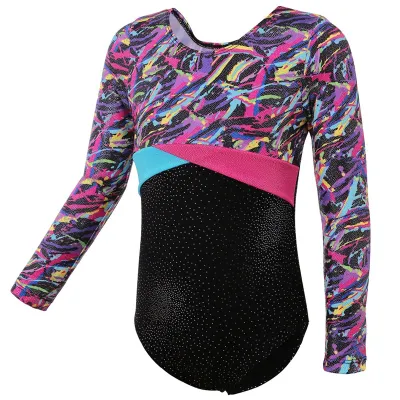
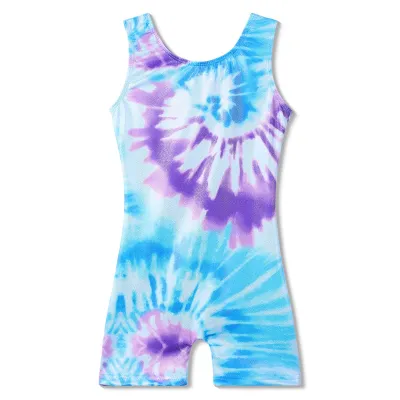
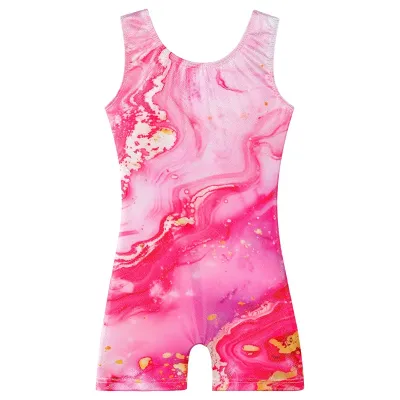
Prices are valid at publication and may change. Please refer to the product page for the latest price.
The materials used in these outfits also behave differently than standard cotton. High-stretch performance fabrics, such as nylon-spandex and polyester-elastane blends, are designed to compress the muscles slightly while offering four-way stretch. This compression helps the garment stay in place during flips and splits, but it also means the outfit will feel much tighter than everyday wear when first put on.
Finally, it is important to distinguish between competition leotards and daily practice wear. Competition garments require strict adherence to body lines and maximum compression to present a polished, aerodynamic profile to the judges. Practice wear, such as basic leotards, biketards, or gymnastics shorts, can be slightly more forgiving to allow for long hours of comfortable training, though they must still remain secure enough not to shift or ride up during movement.
How to Measure Your Child Accurately for Gymnastics Wear
Taking accurate measurements is the single most important step when purchasing gymnastics wear from online marketplaces. To begin, you will need a flexible, soft measuring tape. Avoid using metal construction tapes, as they cannot contour to the body and will produce inaccurate results. For the most precise measurements, have your child wear a form-fitting swimsuit or lightweight, snug underwear. Measuring over bulky everyday clothes like sweatpants or loose t-shirts will inflate the numbers and lead to an oversized purchase.

Have your child stand naturally with a relaxed posture, feet slightly apart, and breathing normally. Instruct them not to hold their breath, suck in their stomach, or puff out their chest, as these temporary adjustments will skew the measurements.
Start by measuring the chest around the fullest part, keeping the tape horizontal and running directly under the armpits and across the shoulder blades. Next, locate the natural waistline, which is typically the narrowest part of the torso, slightly above the belly button. If you are unsure where the natural waist is, have your child bend to one side; the crease that forms is the waistline.
Measure the hips by wrapping the tape around the widest part of the buttocks. Keep the tape parallel to the floor to ensure accuracy.
The most critical measurement for any one-piece gymnastics outfit is the torso length, often referred to as the girth. To measure girth, place the end of the tape measure at the center of the child’s shoulder. Run the tape down the front of the body, through the crotch, and back up the rear to meet the starting point at the same shoulder. This continuous loop determines how the outfit will stretch vertically. If you only rely on chest and waist measurements, you risk buying a leotard that is too short, which will pull painfully at the shoulders and crotch.
How to Read and Compare Online Size Charts
Once you have recorded your child’s measurements, you must learn to navigate the size charts provided by online sellers. One of the most common mistakes parents make is purchasing an outfit based on their child’s age or standard retail clothing size. An “Age 7-8” label on an online marketplace does not account for individual growth patterns, bone structure, or torso length. Gymnastics brands use highly specific, proprietary sizing systems that vary significantly from one manufacturer to another.
When browsing an e-commerce platform, locate the size chart, which is usually found in the product images or the detailed description section. Do not assume that a “Medium” in one brand matches a “Medium” in another. Always compare your child’s physical measurements directly to the specific columns on the chart.
Pay close attention to the fabric composition and fit notes provided by the seller. For example, leotards made with metallic, foiled, or heavily embellished fabrics typically have less stretch than plain nylon-spandex blends. If the product description notes that the fabric has limited stretch, you will need to align your measurements more conservatively with the upper end of the size range.
What to Do When Measurements Fall Between Sizes
It is incredibly common for a child’s measurements to span across two different sizes on a chart. For instance, their chest and waist might align with a size Small, while their torso girth falls into a size Medium. Deciding which direction to go requires analyzing how the outfit will be used and the specific properties of the fabric.
As a general rule, sizing up is the safest option for growing children, especially when purchasing daily practice wear. A slightly larger size allows room for natural growth spurts, ensuring the garment remains usable for a full training season. However, “sizing up” should only mean moving to the next immediate size on the chart, not buying an outfit that is multiple sizes too large.
Sizing down may be appropriate in specific scenarios. If you are purchasing a competition leotard where a highly compressive, wrinkle-free fit is mandatory, and the fabric is a highly elastic four-way stretch nylon, choosing the smaller size can prevent the fabric from sagging or bunching.
However, you must avoid buying excessively large outfits under the assumption that your child will “grow into them.” Loose fabric around the shoulders, underarms, or crotch poses a serious safety hazard. Sagging fabric can catch on equipment, distract the gymnast mid-routine, or cause chafing in warm, humid environments. If the outfit bunches up or slips off the shoulders during a simple handstand or cartwheel, it is too large and should not be worn for training.
Smart Online Shopping Strategies for Gymnastics Apparel
Shopping for activewear online requires a strategic approach to minimize the risk of purchasing the wrong size. Before adding an item to your cart, spend time reading customer reviews on the e-commerce platform. Look specifically for feedback regarding fit, fabric recovery, and durability. Other parents often share valuable insights, such as whether a particular brand runs small or if the leg openings tend to ride up during practice.
In tropical climates like the Philippines, gymnasiums can become warm and humid during training sessions. This makes fabric breathability and moisture-wicking properties essential. Look for reviews that mention how the fabric handles sweat and whether it retains its shape and elasticity after multiple washes. High-quality synthetic blends will recover their shape quickly, whereas lower-quality fabrics may stretch out permanently after a few uses.
Whether you are purchasing a budget-friendly practice leotard for around ₱400 or investing in a premium competition outfit for over ₱2,500, verifying the online store’s return and exchange policies before completing your purchase is essential. Because gymnastics outfits are intimate activewear, some sellers have strict hygiene rules regarding returns. Ensure that you can exchange the item if the fit is incorrect, provided the tags are intact and the garment has only been tried on over clean underwear.
Finally, plan your purchases well in advance of any major events, such as competitions, exams, or the start of a new training term. Ordering early gives you a comfortable buffer to receive the item, test the fit, and complete an exchange if necessary, avoiding the stress of last-minute adjustments.
Frequently Asked Questions (FAQ)
Should I size up if the gymnastics outfit contains cotton?
Yes, you should generally size up if the gymnastics outfit contains a high percentage of cotton. Unlike fully synthetic performance fabrics like nylon or polyester, cotton fibers naturally shrink when exposed to water and heat during washing. Check the product’s material composition label before purchasing. If the garment is a cotton-spandex blend, choosing one size larger than your child’s current measurements will help accommodate this natural shrinkage and prevent the outfit from becoming too tight or restrictive after the first wash.
How often should I remeasure my child for gymnastics wear?
You should remeasure your child before every new training season, prior to ordering any competition wear, or roughly every three to six months. Children experience rapid, unpredictable growth bursts that can quickly alter how activewear fits. An outfit that was perfectly comfortable a few months ago may now restrict their range of motion or cause painful chafing. Regular measurements ensure that your child always trains in gear that is safe, comfortable, and supportive of their athletic development.
Community discussion
Share your experience or ask a question. Comments are reviewed before publication.