
Finding the right push bike for kids is the first step toward a lifetime of cycling adventures. Unlike traditional bicycles with training wheels, a push bike—commonly known as a balance bike—has no pedals, chains, or gears. Children propel themselves by pushing off the ground, learning to balance, steer, and lean before they ever have to worry about pedaling. Because their feet are their only motor and brakes, the physical fit of the bike directly impacts how safely and confidently they can ride.
An ill-fitting bike can quickly turn an exciting outdoor activity into a frustrating experience. If the frame is too large, a toddler will struggle to reach the ground, leading to frequent tips and a loss of confidence. Conversely, a bike that is too small forces the child’s knees into a cramped bend, causing rapid fatigue. In the tropical climate of the Philippines, where kids ride in neighborhood parks and subdivision roads, a heavy or poorly sized bike will tire them out within minutes, often leading to the toy being abandoned in the garage.
When a push bike fits correctly, the transition to a pedal bike becomes incredibly smooth. A properly sized bike allows the rider to plant both feet flat on the ground, providing an instant sense of security. If they lose balance, they can easily catch themselves, preventing hard falls. This immediate control builds physical confidence, allowing young riders to focus on steering and balancing at their own pace.
Products mentioned in this guide
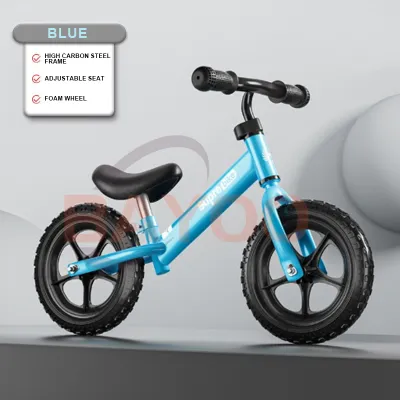
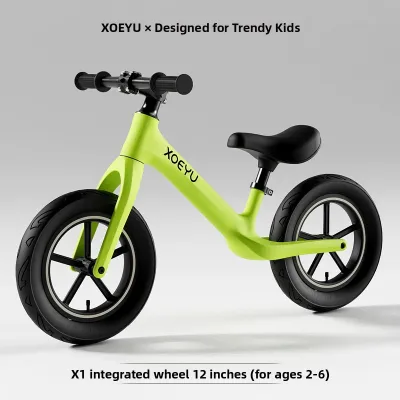
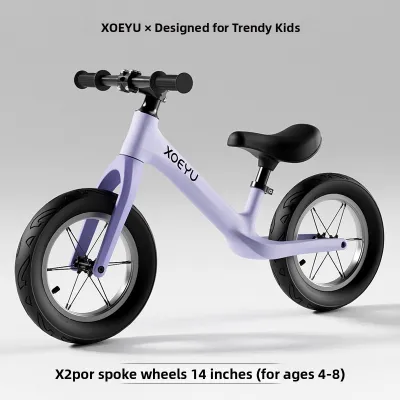
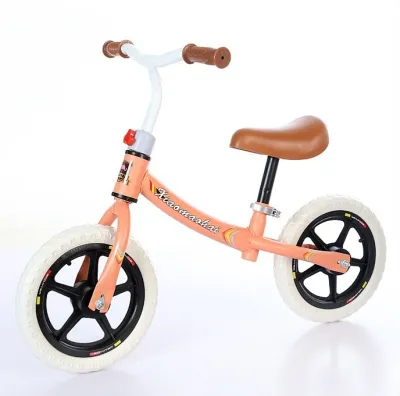
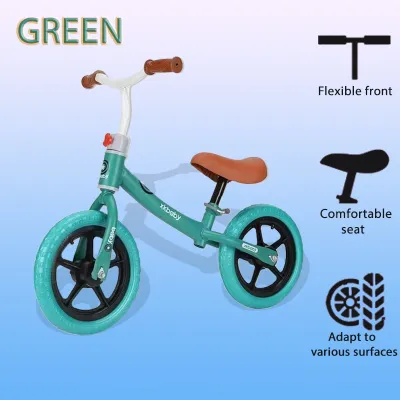
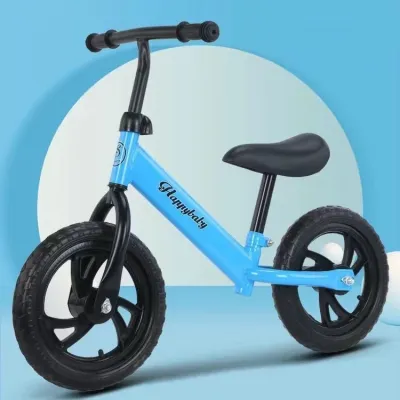
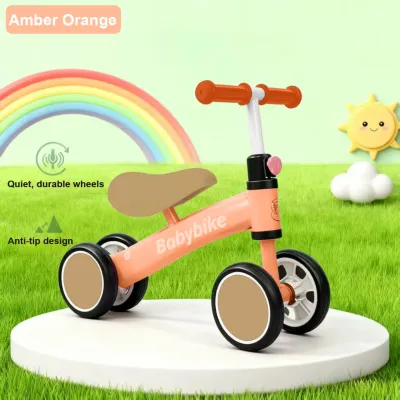
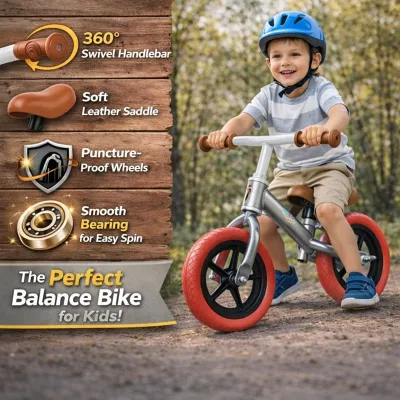
Prices are valid at publication and may change. Please refer to the product page for the latest price.
Key Specifications Decoded: Wheel Size, Seat Height, and Weight
When shopping for a push bike for kids, it is easy to get distracted by vibrant colors or accessories. However, the usability of a balance bike depends entirely on its physical dimensions and frame geometry. Understanding how to read manufacturer specification sheets will help you filter out unsuitable models immediately and focus on options that match your child’s current development.
Three primary specifications dictate how a bike fits: wheel diameter, minimum and maximum seat height, and overall frame weight. While packaging often highlights age ranges, these are merely broad estimates. Children grow at vastly different rates, meaning a tall two-year-old and a petite three-year-old might require completely different frame dimensions. Focusing on physical measurements ensures a safe, ergonomic setup from the very first ride.
Wheel Diameter: The Primary Sizing Metric
Wheel size is the standard industry metric used to categorize youth bicycles, serving as a helpful starting point. For push bikes, the most common wheel diameters are 10-inch, 12-inch, and 14-inch models. 10-inch wheels are typically engineered for toddlers starting around 18 months of age. The ubiquitous 12-inch wheel is the standard sweet spot for preschoolers aged two to four, offering a balanced mix of rolling efficiency and manageable frame proportions. 14-inch wheels are designed for older or taller children starting their cycling journey later, usually between four and six years old.
While these wheel sizes offer a general roadmap, they do not tell the whole story. Two different brands of 12-inch bikes can have completely different frame designs, resulting in vastly different seat heights and handlebar reaches. A sports-oriented model might have a low-slung frame to lower the center of gravity, while a cruiser-style bike might position the seat much higher off the ground. Always treat wheel diameter as a category label rather than a guarantee of fit, and cross-reference it with the manufacturer’s specific frame geometry.
Seat Height and Inseam: The True Fit Test
The single most critical measurement for a push bike is the minimum seat height, which must be paired with your child’s inseam. Because there are no pedals, the rider must be able to sit comfortably on the saddle while placing both feet completely flat on the ground. To achieve the correct riding posture, the bike’s minimum seat height should actually be about 1 to 1.5 inches (2.5 to 3.8 cm) shorter than your child’s inseam. This slight clearance ensures that their knees are slightly bent when seated, giving them the leverage needed to push off, run, and stop safely.
A common mistake is selecting a bike where the minimum seat height matches the child’s exact inseam. While they can stand over the bike, they will be forced to ride on their tiptoes once they sit on the saddle. Tiptoe riding severely limits pushing power, makes stopping highly unstable, and increases the likelihood of tipping over. Conversely, do not buy a bike based solely on its maximum seat height in hopes of getting “room to grow.” If the child cannot safely control the bike on day one, they will refuse to ride it.
Frame Weight and Geometry
A bike’s weight and geometry play a massive role in how easily a young child can maneuver it. As a general safety rule, a push bike should not weigh more than 30% of your child’s total body weight. For a toddler weighing 12 kilograms, the bike should ideally weigh no more than 3.6 kilograms. Heavy steel frames can be exhausting for small muscles to steer, push uphill, or lift after a fall. Lightweight materials like aluminum, magnesium alloy, or high-grade reinforced plastics are highly recommended, especially in humid climates where lighter bikes are easier to handle and less prone to rust when stored in outdoor carports.
Frame geometry also dictates stability. A bike with a longer wheelbase and a lower center of gravity provides a much more stable platform, reducing steering twitchiness. Look for frames where the footrests are integrated cleanly into the frame without protruding awkwardly, allowing kids to tuck their feet out of the way once they learn to glide. Avoid bikes with high bottom brackets or excessively high step-over heights, as these make mounting and dismounting difficult for young toddlers.
Step-by-Step Guide to Measuring Your Child for a Push Bike
To ensure you purchase the correct size online or at a local bike shop, you must take precise physical measurements of your child. Relying on clothing sizes or age charts is highly inaccurate. Follow these three steps to get the perfect fit:

- Step 1: Measure Total Standing Height. Have your child stand straight with their back against a flat wall, wearing the closed-toe shoes they will wear while riding. Place a flat book on top of their head, parallel to the floor, and mark the wall lightly. Measure the height from the floor to the mark to compare against manufacturer sizing charts.
- Step 2: Measure the Inseam (The Book Method). Keep your child standing against the wall in their riding shoes, with their feet slightly apart. Slide a hardcover book between their legs, spine up, until it mimics the pressure of sitting on a bike saddle. Ensure the book remains level, and measure from the top edge of the book spine straight down to the floor. This is your child's true riding inseam.
- Step 3: Compare with Manufacturer Specifications. Find the minimum seat height of the bike you are considering. Subtract 1 to 1.5 inches from your child's inseam; the resulting number should be equal to or slightly greater than the bike's minimum seat height. For example, if your child's inseam is 13 inches, look for a bike with a minimum seat height of 11.5 to 12 inches. Finally, verify that the bike's total weight is well under the 30% threshold of your child's body weight.
Common Sizing Mistakes to Avoid
When navigating the wide variety of options on online marketplaces or specialty sports stores, parents frequently fall into a few common traps:
- Buying a Bike to "Grow Into." While it is tempting to buy a larger bike to save money, this is counterproductive with push bikes. A child who cannot touch the ground with flat feet will feel insecure and terrified. They will not be able to stop the bike effectively, leading to crashes. Always buy a bike that fits them perfectly right now, utilizing adjustable seat posts to accommodate their growth.
- Relying Solely on Age Labels. Age labels on toy boxes are broad marketing suggestions, not precise fit guides. A child's physical proportions—specifically their leg-to-torso ratio—vary wildly. Two children of the exact same age can easily have a three-inch difference in inseam. Always prioritize your child's measured inseam over the age recommendations on the packaging.
- Ignoring the Bike's Weight and Materials. A heavy steel-frame bike might fit dimensionally but be too exhausting for a small child to maneuver or pick up after a fall. In the Philippines, where high humidity can accelerate rust on cheap steel components, opting for a lightweight aluminum or magnesium alloy frame is a smart investment. A lighter bike is safer, easier to steer, and much easier for you to carry home when your toddler gets tired.
Frequently Asked Questions (FAQ)
Can a 2-year-old ride a 12-inch push bike?
Yes, but it depends entirely on the child’s inseam and the bike’s frame design. While some taller two-year-olds can comfortably ride a standard 12-inch bike, many younger toddlers are better suited for a 10-inch model or a specialized 12-inch bike with a low-slung, step-through frame. Always measure your child’s inseam first rather than assuming a 12-inch wheel size will fit.
Should my child's feet be flat on the ground or on their tiptoes?
Your child’s feet must be completely flat on the ground with a slight bend in their knees when they are sitting on the saddle. Riding on tiptoes is highly unsafe because it reduces their balance, makes it difficult to push off with force, and severely compromises their ability to stop quickly, which can lead to tipping over.
How do I know if the push bike is too heavy for my child?
Use the 30% body weight rule as a baseline. For a practical test, watch your child interact with the bike: if they cannot easily pick it up off the ground by the handlebars after a fall, or if they struggle to steer it without their shoulders swaying heavily, the bike is too heavy for them to control safely.
Community discussion
Share your experience or ask a question. Comments are reviewed before publication.