
Selecting the correct putter head cover is a vital step in maintaining your golf equipment. The putter is often the most frequently used and highly personal club in your bag, making its protection a top priority. To choose the right putter head cover, you must match the cover’s internal dimensions and closure style directly to the physical shape of your putter head—whether it is a traditional blade, a rounded mid-mallet, or a complex, high-MOI oversized model. A mismatch in sizing leads to dropped covers on the fairway or accelerated wear on your club’s delicate milled face.
In tropical playing environments like the Philippines, where high humidity, sudden monsoon downpours, and salty coastal breezes are common, club protection requires extra diligence. Leaving a premium putter exposed to the elements or trapping moisture inside an ill-fitting cover can ruin finishes and cause rust. Understanding how to measure your club and evaluate cover designs ensures your putter remains in peak condition round after round.
Why the Right Putter Head Cover Fit Matters
The primary function of a putter head cover is to shield the club’s face, crown, and lower shaft from physical damage. When riding in a golf cart or walking the course, your clubs constantly jostle against one another. This movement, known as bag chatter, can easily nick, scratch, or dent the soft metals—such as mild carbon steel or soft aluminum inserts—typically used to manufacture high-end putters. A single deep scratch on the face of your putter can disrupt the face milling, potentially affecting the roll and accuracy of your putts.
Products mentioned in this guide
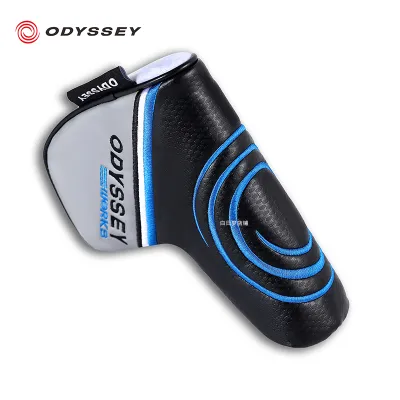
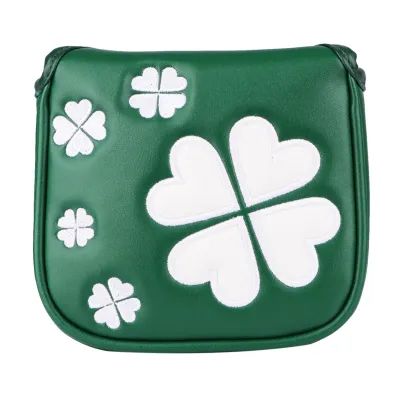

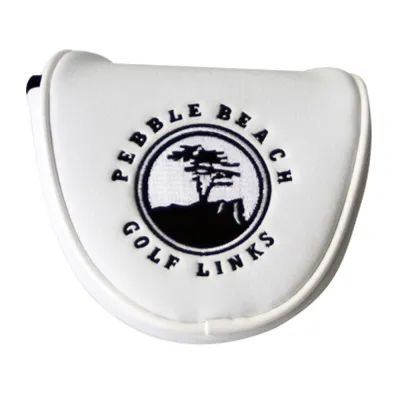
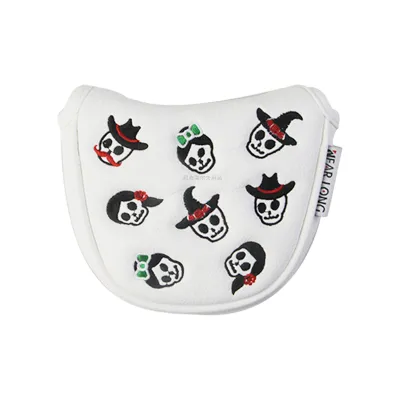
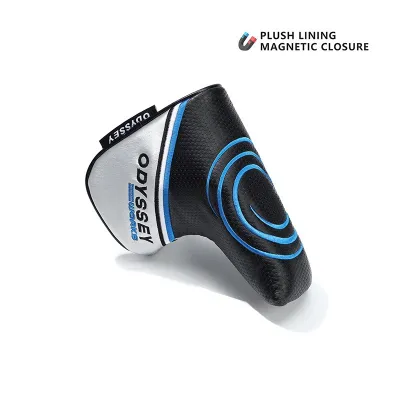
Prices are valid at publication and may change. Please refer to the product page for the latest price.
Using a cover that does not fit correctly introduces several operational risks. A cover that is too loose can easily slip off unnoticed during transit or while walking the fairways, leaving your club completely exposed to damage. Conversely, a cover that is too tight requires excessive force to slip on and off. This constant friction can wear down the club’s outer finish, strain the cover’s seams, and even put unnecessary stress on the hosel connection over time.
Fit is determined strictly by the physical dimensions and geometry of the putter head, rather than the brand name or general product category. Even within a single brand, a “standard mallet” cover designed for one model may not fit another due to differences in alignment wings, shaft entry points, or perimeter weighting. To secure reliable protection, you must treat head cover selection as a technical matching process based on physical measurements.
Identify Your Putter Head Shape and Dimensions
Before browsing for a new putter head cover, you must accurately measure and classify your club. Use a soft measuring tape or a standard ruler to record three essential dimensions: the length from the heel to the toe, the width from the face to the backmost edge, and the overall height of the face. Keep these measurements in centimeters or inches, as different manufacturers use different units in their sizing charts.

Blade Putters
Blade putters feature a classic, narrow, and elongated profile. They are typically characterized by a compact heel-to-toe design with a relatively shallow face-to-back depth. Because of this streamlined shape, blade putters require highly contoured, narrow covers that mirror their low-profile geometry.
Using an oversized or generic cover on a blade putter creates excess, loose material. This extra fabric can easily catch on adjacent clubs when you pull another club from your bag, often pulling the cover off entirely. A snug, form-fitting cover is essential for keeping a blade putter secure and minimizing bulk in your golf bag.
Mallet and Mid-Mallet Putters
Mallet and mid-mallet putters feature a wider, deeper footprint than traditional blades. They often come in rounded, semi-circular, or squared-off shapes designed to place more weight away from the face. This increased surface area requires a cover with a significantly larger internal volume and a wider opening.
When choosing a cover for a mallet, pay close attention to the shape of the back flange. Rounded mallets require a curved pocket, while square mallets need structured corners to prevent the material from stretching tightly over the edges. If the cover lacks sufficient internal depth, the closure mechanism will not align properly, leaving the back of the putter exposed.
Oversized and High-MOI Putters
Modern high-MOI (Moment of Inertia) putters feature extreme dimensions, often incorporating extended alignment wings, heavy perimeter weights, or complex geometric frames. These clubs are designed for maximum stability, but their large footprints make finding a matching cover a unique challenge.
Standard mallet covers will not fit these oversized designs. High-MOI putters require specialized jumbo or oversized covers that provide deep, wide cavities to fully enclose the rear alignment aids and wing structures. Attempting to force a standard cover onto a high-MOI putter can bend the alignment features or tear the cover’s lining.
Match Head Cover Sizes to Specific Putter Profiles
Once you have measured your putter and identified its shape, you can begin matching it to commercially available cover sizes. Do not rely solely on generic size labels, as sizing conventions vary significantly between accessory brands. Always compare your recorded measurements against the manufacturer’s specified internal dimensions.
Standard and Mid-Size Covers
Standard covers are almost exclusively designed for traditional blade putters. They typically accommodate head lengths of 11 to 13 centimeters and widths of 3 to 5 centimeters. Mid-size covers are built for larger, wider blades or compact mid-mallet designs, offering a bit more width across the center of the pocket.
- Verify Internal Dimensions: Always prioritize internal clearance over external measurements. A cover with thick fleece padding may look large on the outside but have a very tight interior.
- Check the Fit Guide: Look for manufacturer compatibility lists that name specific putter models to confirm a baseline fit.
- Account for Wear: Keep in mind that heavy leather or thick synthetic covers may require a brief break-in period before they slide on easily.
Oversized and Jumbo Covers
Oversized and jumbo covers are engineered specifically for large mallets and high-MOI putters. These covers feature deep internal pockets, often measuring 9 to 11 centimeters from front to back, to accommodate extended alignment wings and complex rear weight ports.
When selecting an oversized cover, verify that the internal depth is sufficient to protect the entire back of the club. If your putter features prominent alignment lines or adjustable weight screws on the sole, the cover must sit loosely enough that these components do not rub against the inner seams, which can cause premature wear on both the club and the cover.
Adjusting for Hosel Design and Shaft Length
The way the shaft connects to the putter head significantly influences how a cover fits. Putters feature a variety of hosel designs, including plumber’s necks, slant necks, single bends, and center-shafted configurations. Each design alters the angle at which the shaft exits the head, directly impacting the cover’s opening.
Center-shafted putters are particularly challenging because the shaft exits from the absolute middle of the clubhead rather than the heel. A standard heel-shafted cover will not close over a center-shafted putter. You must look for specialized center-shafted covers that feature a dedicated slot or split opening in the middle to accommodate the shaft’s entry point. For heel-shafted putters with long plumber’s necks, ensure the neck of the cover is long enough to protect the lower shaft without bending awkwardly or forcing the cover to sit crookedly.
Test the Fit and Verify On-Course Protection
After purchasing a new putter head cover, perform a series of practical tests to verify that it provides adequate protection and functions smoothly under real-world playing conditions. Always check your club manufacturer’s care instructions before testing, especially if your putter has a delicate copper, bronze, or raw carbon steel finish that is highly sensitive to moisture and abrasion.
First, perform the shake test. Place the cover on your putter and secure the closure. Hold the club by the grip, turn it upside down over a soft surface (like a couch or carpet), and gently shake it. If the cover slips off or exposes any part of the clubhead, the fit is too loose, or the closure mechanism is too weak. A proper cover should remain firmly in place during this test.
Next, conduct the insertion test. Slide the cover onto the putter head several times to evaluate the ease of entry. The cover should slide on smoothly without requiring you to twist, force, or stretch the material excessively. If you must struggle to pull the cover over the toe or heel, the cover is too small and may eventually scratch the club’s finish or blow out its own seams.
Finally, inspect the interior of the cover while it is on the club. Ensure that the putter face is fully enclosed and that no hard internal seams, exposed zippers, or plastic closure parts press directly against the milled face. If the cover fails any of these tests, or if you notice it leaving marks on your putter’s finish, stop using it immediately and exchange it for a model with a more compatible size or softer lining.
Select Materials and Closures for a Secure Fit
The materials and closure systems used in a putter head cover play a massive role in how well it fits, retains its shape, and protects your club over time. Selecting the right combination depends on your local playing conditions, personal preferences, and how you carry your clubs.
Synthetic leather (often labeled as polyurethane or PU leather) is highly popular because of its excellent water resistance and durability. In the hot, humid, and rainy climate of the Philippines, synthetic leather covers excel because they do not absorb moisture easily and can be quickly wiped dry after a sudden downpour. Knit or fabric covers offer a classic look and excellent flexibility, making them easy to fit over slightly irregular putter shapes, but they absorb water quickly and offer less impact protection. Hard-shell plastic or molded foam covers provide maximum impact defense but lack flexibility, meaning your measurements must be absolutely precise.
Closure mechanisms also affect the security and ease of use of your cover:
- Magnetic Closures: These are highly durable, quiet to operate on the green, and do not wear out over time. They provide a secure hold but add slight weight to the cover.
- Hook-and-Loop (Velcro) Closures: These offer excellent adjustability, allowing you to tighten or loosen the fit slightly. However, they can collect grass, sand, and dirt, which reduces their grip over time.
- Zipper Closures: These provide the most secure seal, completely enclosing the clubhead. However, they require careful handling to ensure the metal or plastic teeth do not scratch the club during insertion.
- Slip-On (Elastic) Closures: These rely on elastic bands to hold the cover in place. They are lightweight and simple but can lose their elasticity over time, especially when exposed to high heat.
To maintain your cover and preserve its fit, check the manufacturer’s care labels for specific cleaning instructions. For synthetic leather covers, a simple wipe-down with a damp cloth is usually sufficient. If you use a hook-and-loop closure, periodically clear out trapped grass, sand, and debris using a soft brush to ensure the fastener continues to hold securely.
Frequently Asked Questions (FAQ)
Can I use a mallet head cover on a mid-mallet putter?
Yes, you can physically fit a mid-mallet putter inside a standard mallet cover, but it is generally not recommended. Because the mallet cover has a larger internal volume, it will fit loosely over the smaller mid-mallet head. This excess space allows the club to shift around inside the cover, increasing the risk of the cover slipping off during play or while your bag is being transported. For optimal protection, always match the cover size directly to your specific putter profile.
Do long putters or belly putters require special head covers?
No, head cover sizing is based strictly on the dimensions and shape of the putter head itself, not the overall length of the shaft. Whether you use a standard 34-inch putter, a mid-length belly putter, or a long broomstick putter, you will select a cover based on whether the head is a blade, mallet, or oversized design. However, you should pay close attention to the shaft entry angle, as some long putters feature unique lie angles that may require a cover with a wider neck opening.
How do I clean and maintain my putter head cover?
To clean your putter head cover, first consult the manufacturer’s care instructions. For synthetic leather and vinyl covers, wipe the exterior with a damp cloth and mild soap, then allow it to air dry completely away from direct sunlight. Fabric or knit covers can often be hand-washed in cold water with a gentle detergent. Always ensure the inside of the cover is completely dry before putting it back on your club; trapping moisture inside a head cover can quickly lead to rust and corrosion on your putter head.
Community discussion
Share your experience or ask a question. Comments are reviewed before publication.