
To fit a side stepper into a compact condo workout corner in the Philippines, you generally need a dedicated floor area of at least 50 by 60 centimeters for the machine itself, plus an additional 30 to 50 centimeters of clearance on all sides for safe movement. Because urban condo units often feature tight, multi-functional layouts, choosing the right size involves balancing the physical base of the machine with your body’s dynamic range of motion during a workout. By focusing on both static and operational footprints, you can maintain an effective fitness routine without cluttering your daily living space.
Measuring Your Condo Workout Corner for a Side Stepper
Accurately mapping out your available space is the first step to ensuring your new fitness equipment integrates seamlessly into your home. Start by using a physical tape measure to determine the length and width of your designated workout corner. Do not rely on visual estimates, as even a discrepancy of a few centimeters can prevent your equipment from fitting comfortably alongside existing furniture.
When measuring, always account for architectural details such as baseboards, wall trim, and low-profile electrical outlets. A thick baseboard can prevent a side stepper from sitting flush against the wall, pushing the machine forward and reducing your available floor space. Measuring from the outermost edge of the trim rather than the wall itself provides a much more realistic starting point.
Products mentioned in this guide
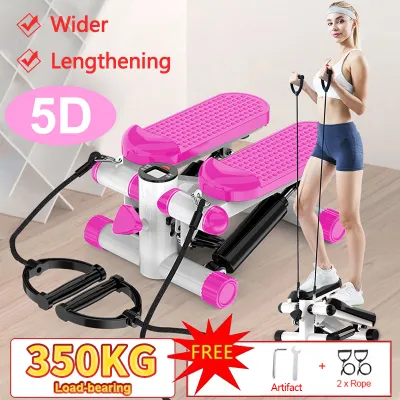
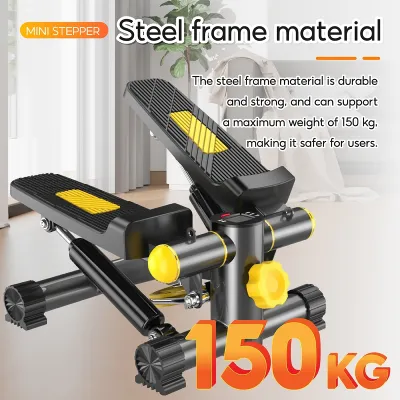
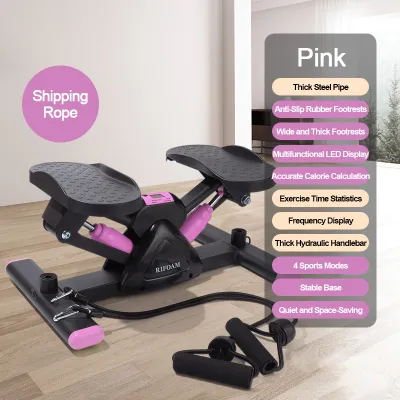
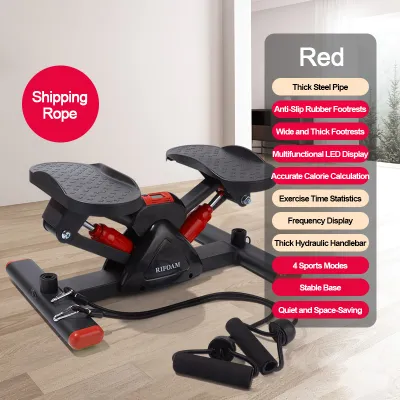
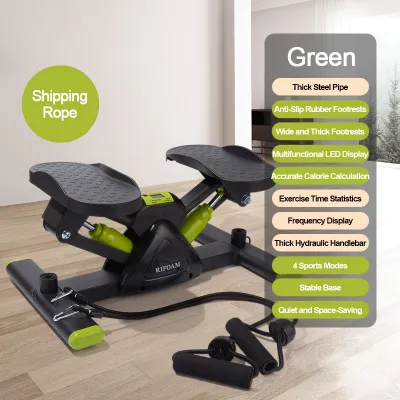
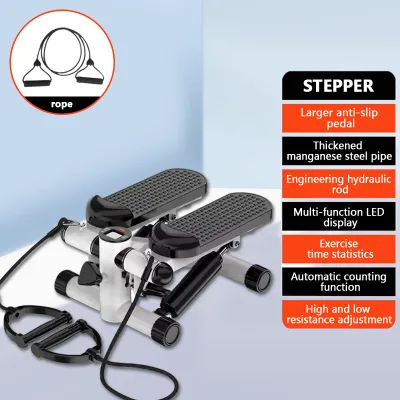
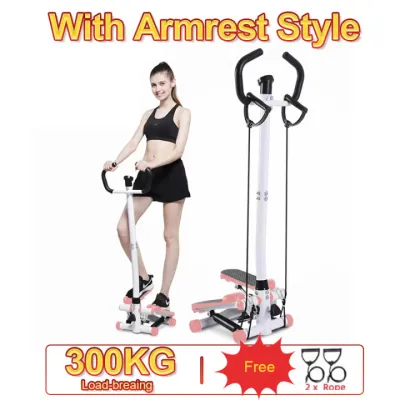
Prices are valid at publication and may change. Please refer to the product page for the latest price.
Next, calculate the dynamic clearance required for active exercise. When you use a side stepper, your body does not remain perfectly still; your hips sway, your elbows flare outward, and you need space to safely mount and dismount the machine. Plan for at least 50 centimeters of open space around the entire perimeter of the stepper to prevent your limbs from striking nearby walls or furniture during high-intensity sessions.
Ceiling height is another critical factor that is easily overlooked in modern condo designs. To verify your overhead clearance, add your personal height to the maximum pedal height of the stepper, then add an extra 15 centimeters to account for natural body bounce during exercise. Compare this total figure to your condo’s ceiling height, paying close attention to low-hanging light fixtures, ceiling fans, or dropped concrete beams.
Finally, evaluate the floor surface and the structural load capacity of your workout corner. Most high-rise residential units feature ceramic tiles, vinyl planks, or polished concrete floors. These surfaces require careful protection to prevent scratches and dents from the heavy metal frame of the stepper. Additionally, check your building’s guidelines regarding concentrated weight loads if you plan to store multiple pieces of fitness equipment in one concentrated area.
Decoding Side Stepper Dimensions and Footprints
Understanding the technical specifications on product labels is essential for selecting a machine that matches your measured space. The most important distinction to make is between the static base footprint and the operational footprint. The static footprint refers to the physical dimensions of the machine when it is turned off and stored, while the operational footprint includes the space required when the pedals are in motion.

Because side steppers feature a lateral, twisting motion rather than a simple vertical step, the pedals swing outward beyond the width of the metal frame. Check the manufacturer’s specifications for the maximum lateral swing range and pedal travel. This ensures that the moving parts of the machine will not scrape against walls or furniture when you are in the middle of a workout.
Handlebar configurations also play a major role in the overall size and storage potential of the machine. Fixed handlebars offer excellent stability for beginners but permanently increase the height and width of the unit. If you have limited space, look for models with adjustable or detachable handlebars that can be easily removed or folded down when the workout is complete.
Lastly, verify the machine’s lowest pedal height and step-up clearance. A lower step-up height makes it much easier to get on and off the machine safely, especially in tight corners where you cannot easily extend your arms for balance. Checking these vertical dimensions helps you maintain a safe, low-profile setup that does not feel cramped under standard residential ceilings.
Space-Saving Configurations and Storage Options
If your workout corner needs to transition back into a living room or home office after your exercise session, space-saving design features are incredibly valuable. Look for side steppers designed with foldable frames that allow the unit to stand vertically when not in use. Always verify the folded dimensions to ensure the machine can fit inside a standard utility closet or behind a bedroom door.
Detachable components offer another layer of flexibility for small-space living. Models that allow you to quickly unscrew the handlebars or remove the digital console screen can be stored under a bed or sofa with minimal effort. If you choose a model with removable parts, keep a small storage bin nearby to hold the assembly pins and adjustment tools so they do not get lost.
Built-in transport wheels are a must-have feature for any condo fitness enthusiast. Dragging heavy steel equipment across delicate laminate or vinyl flooring can leave permanent scuff marks and damage the subfloor. Smooth-rolling wheels allow you to glide the stepper from its storage spot to your active workout zone without straining your back or damaging your home.
You can also optimize your space by choosing multi-functional designs that eliminate the need for extra accessories. Some compact side steppers come equipped with integrated resistance bands or streamlined consoles that track your progress. This setup allows you to perform a full-body workout using a single piece of equipment, keeping your dedicated fitness corner clean and organized.
Safety, Stability, and Environmental Checks
Operating fitness equipment in a confined condo environment requires careful attention to safety and structural stability. Always check the manufacturer’s stated weight capacity on the product label before purchasing. Choosing a machine with a weight limit that comfortably exceeds your body weight ensures the internal hydraulic cylinders or magnetic resistance systems operate smoothly without premature wear.
The design of the machine’s base is critical for preventing accidents on smooth condo flooring. Look for a side stepper with a wide, flared base and heavy-duty, non-slip rubber feet. These features prevent the machine from sliding or rocking side-to-side when you apply force, keeping you stable even during fast-paced, lateral stepping routines.
Environmental factors such as ventilation and heat dissipation also affect the performance of your stepper. The hydraulic cylinders that generate resistance can become quite hot during extended use. Ensure your workout corner has adequate airflow and is positioned away from heavy drapes or sensitive furniture to allow this heat to dissipate safely without causing damage.
Additionally, consider the acoustic impact of your workouts on your neighbors. In shared residential buildings, vibrations from fitness equipment can easily travel through concrete floors and disturb residents living below you. Look for side steppers that feature built-in rubber shock absorbers or quiet hydraulic systems, and always read user reviews to verify the machine’s noise levels during active use.
Common Space-Matching Mistakes to Avoid
One of the most frequent errors buyers make is measuring only the static base of the stepper and assuming it will fit their space. During a workout, your body’s natural movement and the lateral swing of the pedals require significantly more room than the idle machine. Failing to account for this operational footprint can lead to restricted movement and an uncomfortable, ineffective workout.
Placing the stepper too close to walls or heavy furniture is another common mistake that can cause damage to your home. The moving pedals or your flaring elbows can easily scuff paint, scratch wooden surfaces, or tear wallpaper. Maintaining a strict buffer zone around your equipment protects both your property and your body from accidental impacts.
Neglecting floor protection is a costly oversight that can lead to permanent damage on delicate condo flooring. Even a stable machine can vibrate slightly during use, causing the metal frame to grind against tiles or vinyl. Investing in a high-density rubber equipment mat is an easy way to absorb these vibrations, reduce noise, and protect your floors from scratches and sweat.
Finally, avoid purchasing a model with wide, fixed handlebars without first checking your condo’s delivery routes. Large, bulky boxes or fully assembled machines with wide frames can be incredibly difficult to maneuver through narrow hallways, tight elevator doors, or standard entryways. Always verify the shipping dimensions to ensure a smooth delivery process from the lobby to your front door.
Frequently Asked Questions (FAQ)
Can I use a side stepper on a carpeted condo floor?
Yes, you can use a side stepper on carpet, but you must take specific precautions to ensure stability. Thick pile carpets can cause the machine to sink unevenly, which increases the risk of tipping during lateral movements. To prevent instability and protect your carpet from friction wear or mechanical grease, place a rigid, non-slip equipment mat directly under the stepper’s base.
Do I need to assemble a side stepper before bringing it into my room?
Most side steppers are shipped partially assembled in a compact box to ensure they can easily fit through standard doorways, hallways, and residential elevators. It is highly recommended to compare the manufacturer’s packaged shipping dimensions against your building’s elevator clearance before ordering to avoid any delivery complications.
How do I maintain a side stepper in a humid condo environment?
The tropical humidity common in the Philippines can accelerate rust and cause the moving parts of your stepper to become stiff over time. To protect your equipment, always wipe down the metal frame, pedals, and handlebars with a dry microfiber cloth after every workout to remove corrosive sweat. Periodically inspect the pivot joints and hydraulic cylinders, and apply a manufacturer-approved lubricant as recommended in your user manual to keep the mechanism running smoothly.
Community discussion
Share your experience or ask a question. Comments are reviewed before publication.