
When selecting a swim hand paddle for a child, the correct size is determined by a simple “fingertip to wrist” rule: the paddle must extend only slightly beyond the fingertips (about 1 to 1.5 centimeters) and must leave the wrist joint completely free to move. Choosing an oversized paddle is a common mistake that can lead to shoulder strain, wrist fatigue, and ruined stroke mechanics.
In the tropical climate of the Philippines, where swimming is a popular year-round sport in subdivision pools, school training programs, and sports complexes, finding the right gear is essential for both performance and safety. Swim hand paddles are active training tools designed to build upper-body strength and refine stroke technique. Because they increase water resistance, they are not toys or flotation aids; using them correctly requires physical readiness and a precise fit.
The Baseline Fit Rule for Kids' Swim Hand Paddles
To find the correct size, have your child place their hand flat on the center of the paddle. The top edge of the paddle should extend just slightly beyond their longest finger. If the plastic extends more than two centimeters past the fingertips, the paddle is too large and will create excessive drag that a young swimmer cannot safely manage.
Products mentioned in this guide
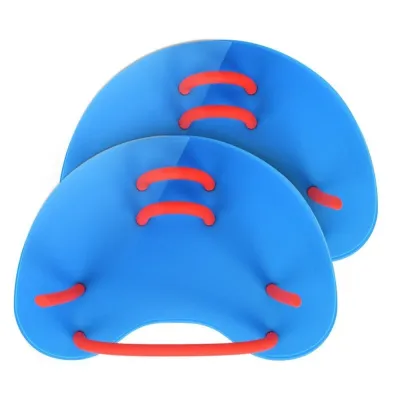
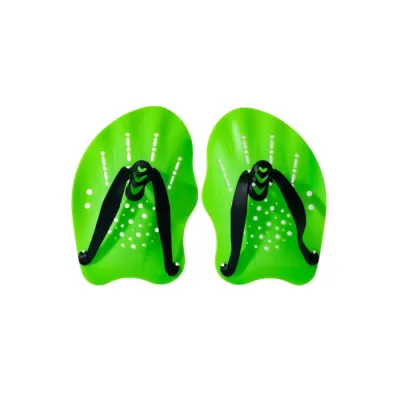
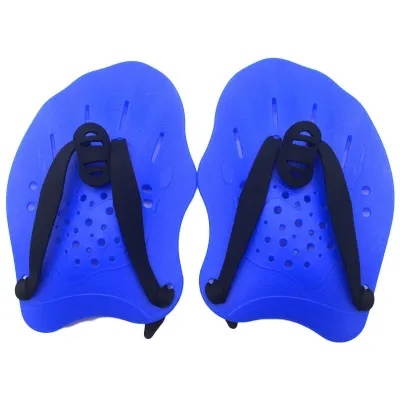
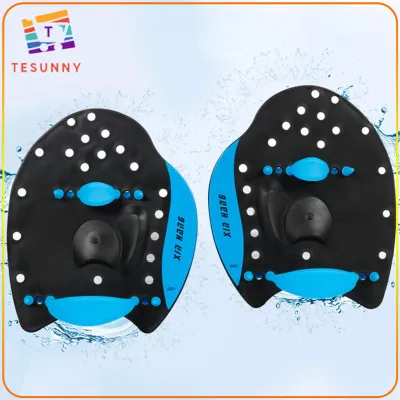
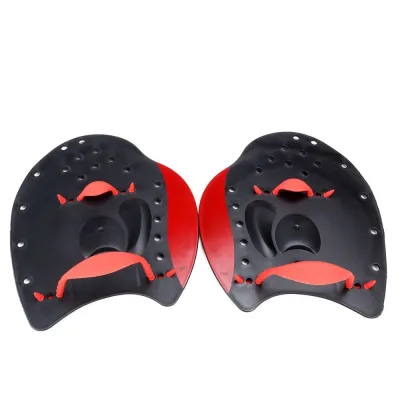
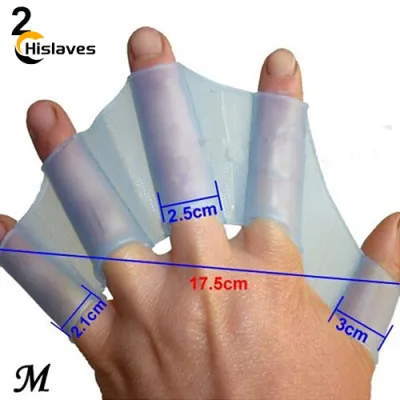
Prices are valid at publication and may change. Please refer to the product page for the latest price.
Equally important is the bottom edge of the paddle, which must never touch or cover the wrist joint. The wrist needs to bend naturally during the catch and recovery phases of the swimming stroke. If the paddle overlaps the wrist, it immobilizes the joint or forces the forearm to absorb the rotational torque of the water, which drastically increases the risk of tendonitis and shoulder injuries in developing joints.
A proper fit also ensures that the child’s fingers can rest comfortably on the surface or grip the top edge naturally. If the child has to claw their fingers or overextend their hand to keep the paddle from shifting, the fit is incorrect. The hand should remain relaxed, flat, and centered throughout the entire stroke cycle.
Decoding Size Specs: Surface Area and Proportions
Surface Area and Water Resistance
The primary function of a swim hand paddle is to increase the surface area of the hand, thereby catching more water and generating greater resistance. For young athletes, this resistance must be carefully managed. Parents should look specifically for “junior” or “youth” designated models, which are engineered with a surface area proportioned to a child’s smaller muscle groups and developing skeletal structure.

Using scaled-down adult paddles is highly discouraged. When the surface area is too large, the resistance load exceeds the child’s physical capacity, causing premature muscle fatigue. To compensate for the heavy water catch, the child will inevitably alter their natural stroke mechanics—such as dropping their elbows or shortening their pull—which reinforces bad habits and strains the shoulders.
Length vs. Width Proportions
The physical proportions of the paddle must match the unique geometry of a child’s hand. Children generally have wider palms relative to shorter fingers compared to adults. Consequently, a slightly wider, shorter paddle design often provides a more stable fit than a long, narrow contour.
A paddle with appropriate width prevents the child’s hand from sliding off the lateral edges during the high-drag catch phase of the stroke. By supporting the palm laterally, the paddle helps the young swimmer maintain a neutral wrist position. This stability prevents the hand from twisting outward or inward, protecting the wrist from rotational strain during the pull.
Strap Configurations: Balancing Stability and Quick Release
The straps on a swim hand paddle keep the device secured to the hand, and their configuration plays a major role in both safety and stroke feedback. Most junior paddles feature adjustable straps made of silicone or rubber tubing, arranged in either a single-strap or double-strap configuration.
Double-strap configurations typically feature one strap over the middle finger and another across the wrist. This setup offers maximum stability, keeping the paddle securely locked flat against the palm. For beginners and younger swimmers, this prevents the paddle from flapping or shifting during hand entry, allowing them to focus entirely on learning the path of their stroke.
Single-strap configurations, which usually secure only the middle finger, are excellent for intermediate and advanced junior swimmers. Without a wrist strap, the paddle will wobble or fall off if the swimmer’s hand enters the water at an incorrect angle. This provides immediate physical feedback, forcing the child to maintain a clean, efficient stroke. Additionally, single-strap setups are much easier for a child to slip off quickly if they feel overwhelmed or need to adjust their goggles.
When evaluating straps, parents should check for easy adjustability to accommodate growing hands. In the warm, humid climate of the Philippines, wet skin is highly susceptible to chafing. Ensure the strap material is soft, medical-grade silicone rather than rigid plastic, and inspect the straps regularly for signs of wear or cracking. Junior paddles in the local market generally range from ₱300 to ₱1,200, and investing in soft, durable straps is highly recommended.
Design Specs: Separating Useful Features from Marketing Jargon
The market for swim gear is filled with advanced-sounding design specifications, such as “hydrodynamic flow channels,” “skeletal frames,” and “ergonomic finger contours.” While these features look impressive, most of them are designed for elite competitive swimmers and offer very little practical benefit to a child learning basic stroke mechanics.
For most young swimmers, a solid, slightly contoured junior paddle is perfectly sufficient. The most critical factor remains basic fit and comfort rather than advanced hydrodynamics. Parents do not need to pay premium prices for complex water-channeling designs when a simple, well-fitting paddle will achieve the exact same training outcomes.
One design specification that is genuinely beneficial, however, is the inclusion of drainage holes or perforations. Perforated paddles allow a small amount of water to flow through the body of the paddle. This slightly reduces the overall drag resistance, making the paddle feel lighter and significantly easier for small arms to lift out of the water during the recovery phase, preventing shoulder fatigue.
Safety Boundaries and Usage Limits
Before introducing any swim hand paddle to your child’s routine, always check the applied product’s label and the manufacturer’s instructions for specific age, weight, or skill recommendations. If these instructions conflict with your local coach’s advice or the child’s current training plan, stop and consult a qualified swim professional. Remember that water sports equipment cannot replace proper training, physical conditioning, or adult judgment.
Parents and coaches must actively monitor young swimmers for physical signs of strain or incorrect use. Stop using the paddles immediately if you observe any of the following warning signs:
- The child complains of pain in their shoulders, elbows, or wrists.
- The child's elbows drop significantly during the underwater pull phase.
- The paddle slips, twists, or frequently falls off the hand.
- The child's breathing pattern becomes erratic, or they show signs of rapid, unusual fatigue.
- The child's stroke rate slows down drastically to compensate for the weight.
Swim hand paddles are strictly training tools designed to build strength and technique; they are not flotation devices or safety aids. They must only be used under direct adult supervision in a controlled pool environment. Never allow a child to use paddles in open water, such as the sea or rivers, where sudden currents or waves can catch the paddle and cause severe shoulder joint injuries.
Frequently Asked Questions (FAQ)
Can my child use adult swim hand paddles if the straps are tightened?
No, children should never use adult-sized swim hand paddles, even if the straps can be tightened to fit their hands. Adult paddles have a much larger surface area and length, creating leverage points and water resistance designed for mature muscle groups and bone structures. Using them poses a high risk of joint strain and injury to a child’s developing shoulders and wrists.
At what age or skill level should a child start using hand paddles?
Readiness is determined by stroke proficiency rather than a strict age limit. A child should only start using a swim hand paddle once they have established a consistent, technically sound freestyle stroke with proper body rotation. Introducing resistance gear too early can ruin their natural stroke mechanics. Always consult their swim coach before adding paddles to their training routine.
Community discussion
Share your experience or ask a question. Comments are reviewed before publication.