
Finding the right taekwando uniform for kids is a common challenge for parents introducing their children to martial arts. A uniform that is too tight restricts movement and prevents proper execution of kicks, while one that is too loose causes tripping and looks untidy during forms. To choose the correct size, you must measure your child’s current height and weight, then compare these figures directly to the specific brand’s size chart. Because martial arts sizing does not align with standard school uniforms or everyday playwear, taking active measurements is the only reliable way to ensure a comfortable, safe fit.
Selecting the perfect uniform, traditionally called a dobok, requires balancing immediate comfort with room for natural growth. In tropical climates like the Philippines, where high humidity and frequent washing are part of daily life, fabric choice also plays a major role in how a uniform fits over time. By understanding how to measure your child, evaluate fabric behavior, and test the fit before making any permanent alterations, you can save time and avoid the hassle of online returns.
Quick Guide to Sizing a Kids' Taekwondo Uniform
The core formula for sizing a child’s uniform relies on two primary metrics: total height and current weight. Unlike standard children’s clothing, which is categorized by age, martial arts apparel is designed around physical dimensions to accommodate the wide range of motion required in training. Before browsing online stores, always obtain these two measurements to use as your baseline.
Products mentioned in this guide
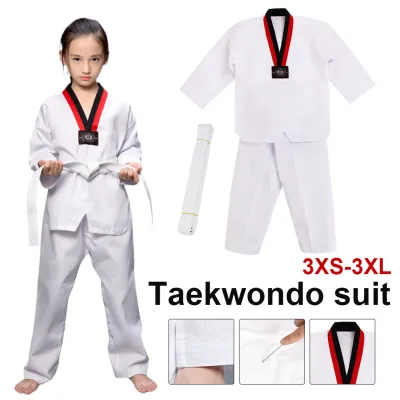
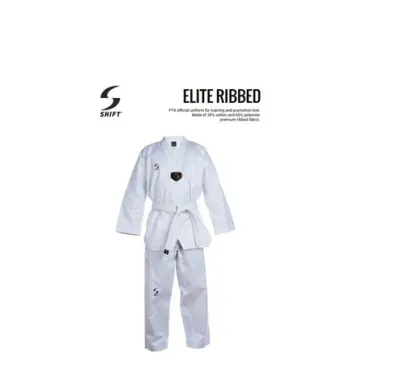
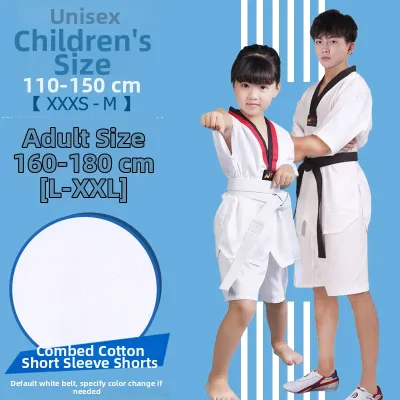
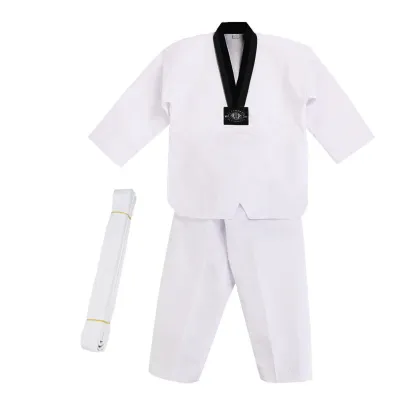
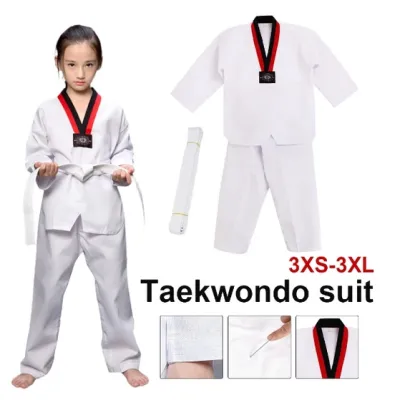
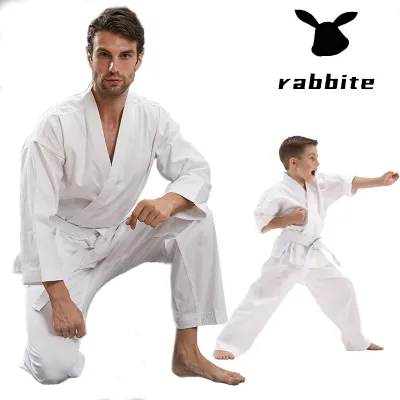
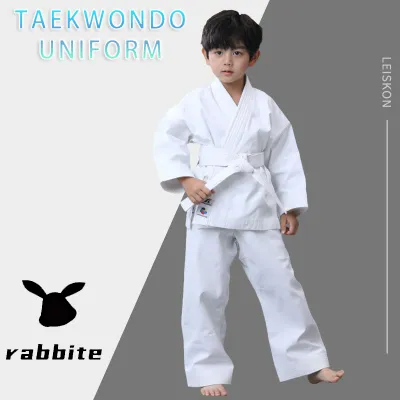
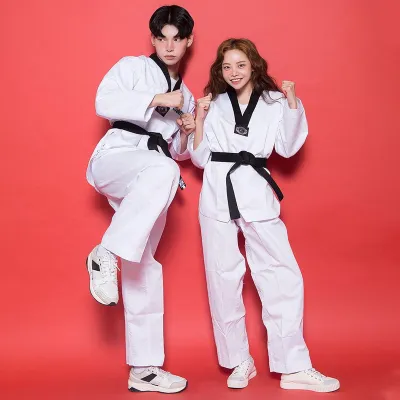
Prices are valid at publication and may change. Please refer to the product page for the latest price.
It is equally important to check with your local training hall, or dojang, before purchasing any gear. Many schools in the Philippines have strict rules regarding uniform colors, collar styles, and official patches. Some dojangs require students to wear uniforms bearing the school’s specific emblem, while others allow plain white uniforms for beginners. Verifying these rules beforehand prevents you from buying a high-quality uniform that your child cannot wear to class.
Finally, keep in mind that children grow rapidly, and certain fabrics shrink during laundering. While it is tempting to buy a uniform that is several sizes too large to extend its lifespan, doing so can compromise your child’s safety and performance. A balanced approach involves choosing a size that offers a slightly relaxed fit, allowing room for growth without creating a tripping hazard on the training mat.
How to Take Accurate Measurements for a Dobok
To gather the physical data needed for sizing charts, you will need a flexible measuring tape and a clear space against a flat wall. Have your child stand up straight with their feet together, shoulders relaxed, and eyes looking straight ahead. Taking measurements while your child is slouching or moving will lead to inaccurate results and an ill-fitting uniform.

Begin by measuring your child’s total height from the very top of their head down to the floor. This is the most critical measurement for most sizing systems. Next, record their current weight using a reliable scale. After securing these two primary figures, measure their arm length from the outer shoulder joint down to the wrist bone, followed by their inseam from the crotch down to the ankle bone. These secondary measurements help ensure the sleeves and pants will not be excessively long.
Always take these measurements while your child is wearing light clothing, such as a thin t-shirt and lightweight shorts. Measuring over bulky sweaters or heavy denim will distort the numbers, leading you to order a size that is too large. Never guess your child’s size based on their age or their current department store clothing size, as martial arts brands use entirely different cut patterns and proportions.
Standard Fit Guidelines for Training and Sparring
A properly fitted jacket should allow your child to punch, block, and twist their torso without feeling restricted. The sleeves of the jacket should ideally end just above the wrist bone when the arms are extended straight out. This length prevents the fabric from covering the hands, which can interfere with hand strikes and blocks. The hem of the jacket should fall comfortably below the hips, covering the seat, but it should not extend past the mid-thigh, as an excessively long jacket limits leg movement.
When the jacket is wrapped closed, the front panels must overlap sufficiently so that the uniform remains secure when the belt is tied. If the overlap is too narrow, the jacket will constantly pop open during active training, causing unnecessary distractions for your child. The collar should fit comfortably around the neck without chafing or pulling backward during dynamic movements.
For the pants, the waistband must sit securely on the waist or hips without slipping down during high kicks or jumping drills. The crotch area of the pants is specifically designed with a wide gusset to allow full splits and deep stances. The pant cuffs should hover just above the ankle bone. If the pants drag on the floor, your child is highly likely to slip or trip during footwork; if they sit too high on the calf, they will restrict leg extension and look improperly sized.
Balancing Fabric Shrinkage and Your Child's Growth
Before finalizing your purchase, check the fabric composition label on the uniform. Uniforms made of 100% cotton are highly breathable but are prone to significant shrinkage, sometimes losing up to a full size after the first few washes. In contrast, poly-cotton blends—typically a mix of 65% polyester and 35% cotton—are highly popular in the Philippines. These blends resist wrinkling, dry quickly in humid weather, and experience minimal shrinkage, making them incredibly practical for busy parents.
If you choose a 100% cotton uniform, it is generally wise to size up by one half-size or full size to accommodate the inevitable shrinkage. However, if you opt for a poly-cotton blend, you should buy the size that matches your child’s current measurements, as these synthetic fibers hold their shape exceptionally well. Sizing up a poly-cotton uniform too much will leave your child with excess, baggy fabric that does not shrink down to fit.
To manage shrinkage and keep the uniform looking bright white, always follow the manufacturer’s care instructions. Wash the uniform in cold water and avoid using harsh bleach, which can weaken the fabric fibers over time. In the humid Philippine climate, hanging the uniform to air dry in a well-ventilated indoor area or shaded outdoor spot is the best way to preserve the fabric. Avoid using a hot clothes dryer, as intense heat will cause rapid shrinkage in cotton and can warp the synthetic fibers in poly-cotton blends.
Navigating Brand Sizing Charts on Online Stores
When shopping on online marketplaces, you will encounter two primary sizing systems. The first is a numerical system, typically ranging from 000 to 5, where triple-zero represents the smallest toddler sizes and higher numbers represent adult sizes. The second is a height-based system measured in centimeters, ranging from 110 to 160 for children. A size 120, for example, is generally designed to fit a child who is between 115 and 125 centimeters tall.
Because sizing is not standardized across different brands, a size 0 in one brand may fit differently than a size 0 in another. Always locate the specific brand’s size chart on the product page and compare your child’s measurements to their unique grid. If your child’s height and weight point to two different sizes, it is usually safest to prioritize the height measurement, as pants and sleeves that are too short cannot be easily lengthened.
Take a moment to read through customer reviews on the ecommerce platform. Other parents often share valuable feedback regarding whether a specific brand runs large, small, or true to size. Look for comments from buyers whose children have similar height and weight profiles. Lastly, always verify the seller’s return and exchange policies before checking out, ensuring you can easily swap the uniform if the fit is not perfect upon arrival.
How to Test the Fit Before Washing or Altering
Once the uniform arrives, have your child try it on immediately before removing any tags, washing the garment, or writing their name on the collar. This is your window to verify the fit and initiate an exchange if necessary. Have your child put on both the pants and the jacket, and tie the belt securely around their waist to see how the uniform sits during active use.
Ask your child to perform a series of dynamic movement tests to evaluate the fit. Have them execute a deep forward stance, a high front snap kick, and a basic squat. Watch the waistband of the pants to ensure it does not slide down, and check if the fabric pulls tightly against their thighs or crotch. If your child complains of tightness or if you notice the seams straining during these movements, the uniform is too small.
Perform a quick visual check of the overall length. If the pant cuffs cover the heels or the sleeves cover the knuckles, the uniform is too large and poses a safety hazard. If the fit is slightly long but otherwise comfortable, you can consider temporary alterations, such as a simple running stitch to hem the cuffs. However, if the uniform is significantly oversized or restricts movement, keep the tags attached, pack it back into its original packaging, and contact the seller for an exchange.
Frequently Asked Questions (FAQ)
Should I buy a larger size so my child can grow into it?
While buying a larger size is a common way to save money on rapidly growing children, you must stay within safe boundaries. A uniform that is slightly loose is acceptable, but an excessively large uniform is a safety hazard. Excess fabric around the ankles can cause your child to trip during fast footwork, and long sleeves can get caught in an opponent’s gear during sparring.
If your child is right on the border between two sizes, sizing up to the next level is generally fine, especially if the uniform is made of cotton. However, if the uniform is so large that you have to roll the cuffs up multiple times, it is better to exchange it for the correct size. A proper fit ensures your child can focus entirely on learning their techniques rather than fighting with their clothing.
What is the difference between a training dobok and a competition uniform size?
Training uniforms are designed for daily practice and are usually made from durable, slightly heavier poly-cotton fabrics that can withstand constant washing and floor work. They are cut to offer a comfortable, relaxed fit that accommodates a wide range of body shapes. These uniforms are built to last through months of rigorous dojang sessions.
Competition uniforms, particularly those designed for sparring or forms competition, often feature specialized lightweight fabrics designed to wick away sweat quickly. These uniforms may have a more tailored, aerodynamic fit to prevent opponents from grabbing excess fabric and to allow maximum speed. Because competition governing bodies have strict rules regarding uniform dimensions, always consult your child’s coach before purchasing a dedicated competition uniform.
Community discussion
Share your experience or ask a question. Comments are reviewed before publication.