
Choosing the right skating butt pads—often called impact shorts or hip protectors—depends entirely on your specific skating discipline, how you typically fall, and your tolerance for heat and bulk. There is no single option that excels for every skater. Beginners learning basic strides on concrete pathways require different coverage than aggressive park skaters dropping into concrete bowls or roller derby athletes bracing for lateral impacts. By matching the pad’s structural design to your primary skating environment, you can protect your tailbone and hips without sacrificing the mobility needed to skate comfortably.
Quick Guide: Which Skating Butt Pad Type Suits You?
To find your ideal protective gear, you must first evaluate your skill level and typical fall direction. Beginners tend to lose their balance backward, landing directly on the coccyx (tailbone). Advanced skaters, particularly those practicing tricks or contact sports, are more likely to slide laterally or fall forward onto their hips and thighs. Use this quick breakdown to identify your starting point:
- Padded Shorts: Best for aggressive park skaters, roller derby players, and beginners who want maximum, multi-directional coverage. These cover the tailbone, hips, and thighs.
- Padded Underwear: Ideal for recreational skaters, commuters, and fitness skaters who want discreet protection under regular clothes without added bulk.
- External Slip-On Pads: Best for casual skaters, dance skaters, or those who want a highly breathable option that can be taken off instantly without changing clothes.
Before purchasing, observe your typical fall patterns during a session. If you find yourself consistently tipping backward, prioritize a design with a thick, dedicated tailbone shield. If you tend to wash out sideways when turning or carving, prioritize wide hip coverage that wraps around the greater trochanter.
Products mentioned in this guide
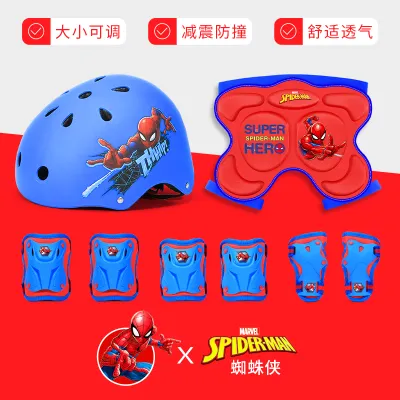
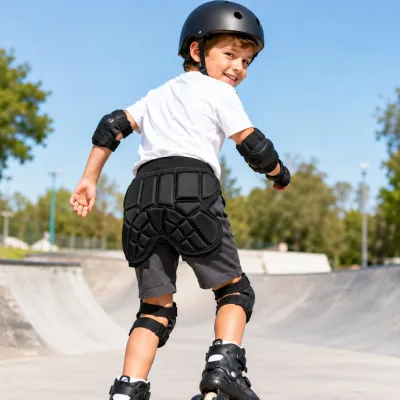
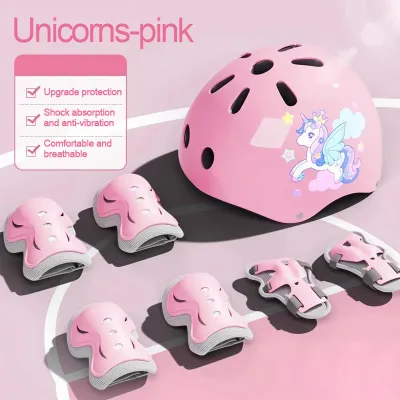
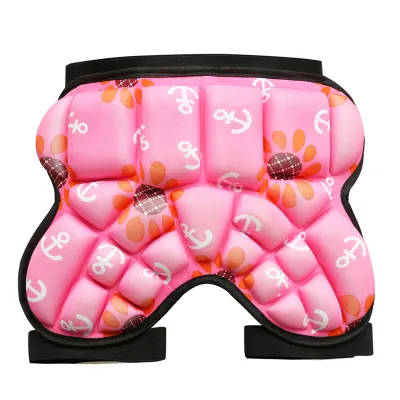
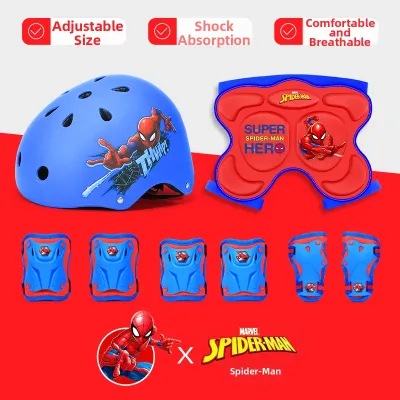
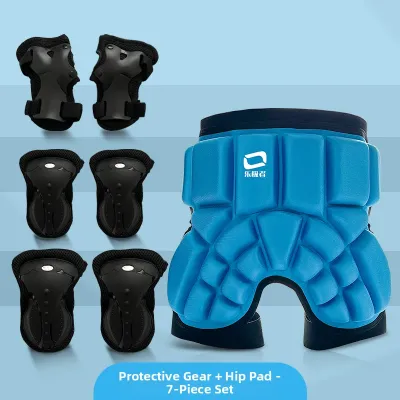
Prices are valid at publication and may change. Please refer to the product page for the latest price.
Comparing the Main Types of Skating Butt Pads
Protective lower-body gear generally falls into three structural categories: integrated padded shorts, low-profile padded underwear, and external slip-on pads. Each format balances coverage, mobility, and thermal comfort differently. Understanding these trade-offs is essential for selecting gear that you will actually wear on every session rather than leaving it in your gear bag.

Padded Shorts
Integrated padded shorts offer the most comprehensive protection available for a skater’s lower body. These garments typically feature a heavy-duty mesh or spandex chassis equipped with multiple protective inserts covering the tailbone, lateral hips, and the outer thighs. This multi-panel design is specifically engineered to handle high-velocity impacts from various angles, making them highly suitable for unpredictable environments like skateparks or crowded rinks.
To function effectively, padded shorts must fit snugly against your body. A compression fit is necessary to prevent the individual pads from shifting away from your bones during a slide or tumble. If the shorts are too loose, the tailbone pad can easily slide to the side upon impact, leaving your spine completely unprotected.
However, this high level of coverage comes with distinct trade-offs. Padded shorts are inherently bulkier than other options, which can restrict extreme ranges of motion if the padding is too stiff. Additionally, because they cover a large surface area of your lower body, they trap heat. In warm, humid tropical climates like the Philippines, wearing full padded shorts can lead to rapid overheating and heavy sweating, requiring you to wash the entire garment after every single use to prevent odor and fabric degradation.
Padded Underwear
Padded underwear offers a streamlined, low-profile alternative for skaters who prioritize aesthetics and minimal bulk. These garments are designed to be worn directly against the skin, functioning as a base layer beneath your standard skating pants, shorts, or skirts. By utilizing thinner, high-density foam or flexible gel inserts, padded underwear provides essential protection without altering your outward appearance or creating a bulky silhouette.
The primary limitation of padded underwear is its restricted coverage area. To maintain a slim profile, these garments usually focus strictly on the most critical impact zones: the tailbone and the immediate points of the hip bones. They rarely feature the extended thigh or side-glute padding found in full-sized padded shorts. This makes them less suitable for high-impact discipline skating where lateral slides are common.
When choosing padded underwear, pay close attention to the fabric’s moisture-wicking properties and seam construction. Because the garment sits directly against your skin, rough seams can cause painful chafing during long skating sessions. Look for flatlock stitching and highly breathable, synthetic fabrics that pull sweat away from your body to keep you cool and dry in warm weather.
External Slip-On Pads
External slip-on pads, sometimes designed as padded belts or strap-on cushions, offer unmatched convenience and targeted protection. Unlike shorts or underwear that require you to change your clothes to put them on, external pads can be slipped over your existing pants or shorts in seconds. They are typically secured using adjustable hook-and-loop straps or elastic bands, allowing you to put them on at the start of a session and remove them the moment you finish.
While highly convenient, external pads are prone to shifting. Because they sit on top of your clothing, the friction between the pad and your pants is often lower than the friction between the pad and the ground during a fall. During a high-impact slide, the force of the impact can cause the entire pad to slide out of position, potentially exposing your tailbone or hips to the hard ground.
These pads are best suited for casual, low-impact skating sessions, dance skating, or flat-ground practice where you are moving at moderate speeds. They are also highly valued by skaters who want to practice specific tricks that carry a high risk of falling on a very specific spot, allowing them to target that area without wearing a full, heavy protective garment.
Matching Protection to Your Skating Discipline
Your skating style dictates the types of falls you will experience, which in turn determines the level of protection you need. Aligning your gear with your specific discipline ensures you do not carry unnecessary weight while staying fully protected against common injuries.
Recreational and Fitness Skating: If you primarily skate on flat pathways, park loops, or indoor rinks for fitness, your falls are likely to occur from losing balance while rolling forward or backward. For these upright falls, a lightweight pair of padded underwear or slim shorts focusing on tailbone protection is usually sufficient. You do not need heavy thigh or side-hip padding, which can make continuous striding feel restrictive and uncomfortably warm.
Aggressive and Park Skating: Skating on ramps, rails, and concrete bowls introduces high-velocity, vertical falls and hard impacts against unforgiving surfaces. For this discipline, heavy-duty padded shorts are highly recommended. Look for designs that feature thick, dual-density foam or hard-shell plastic caps over the tailbone and hips. The padding must be durable enough to withstand repeated impacts against concrete and metal coping without bottoming out.
Roller Derby: Roller derby involves frequent lateral contact, whipping, and falling onto your sides or knees. Derby skaters require robust lateral hip protection to cushion impacts from other skaters and the track floor. The padding must be dense enough to absorb sudden, heavy impacts while complying with any safety guidelines set by your local league. Because derby is highly active, look for shorts that offer a secure compression fit to keep the hip pads perfectly aligned during intense physical contact.
Always cross-reference your primary skating environment with the manufacturer’s specifications. Look for labels that explicitly state the intended use, such as “designed for action sports” or “low-profile recreational use,” to ensure the impact resistance matches your environment.
Essential Features to Evaluate Before Buying
When shopping for skating butt pads, do not rely solely on product photos. You must carefully evaluate the technical specifications and design features to ensure the gear will perform when you fall.
Padding Material and Density: Examine the product description for the type of protective material used. Common options include Ethylene-Vinyl Acetate (EVA) foam, polyurethane foam, and reactive gel inserts. EVA foam is lightweight and offers excellent structural impact absorption, often layered in dual densities (a soft layer against the body and a firmer layer on the outside). Gel inserts are highly flexible and contour well to the body, providing excellent low-profile protection, but they can be heavier than foam. Avoid cheap, open-cell foam pads that compress completely under light finger pressure, as they will easily bottom out during a real fall.
Coverage Zones: Verify the exact footprint of the padding. Ensure the tailbone pad extends low enough to cover your coccyx completely without riding up when you bend your knees. For hip protection, the pad should cover the greater trochanter—the bony projection at the top of your thigh bone. Check the manufacturer’s product diagrams to confirm these zones are fully covered by the protective inserts.
Sizing and Compression: Accurate sizing is critical for safety. Measure your waist and hips according to the manufacturer’s specific sizing chart rather than relying on your standard pants size. The garment should feel snug and offer a firm compression fit. If it is too loose, the pads will shift during a fall; if it is too tight, it can restrict blood flow, cause chafing, and limit your hip mobility.
Breathability and Moisture Management: In warm and humid environments, heat buildup is a major concern. Look for chassis fabrics made from breathable mesh, nylon-spandex blends, or perforated fabrics. Moisture-wicking technology is essential to pull sweat away from your skin, keeping you cool and preventing the fabric from becoming heavy and waterlogged during long outdoor sessions.
How to Wear and Maintain Your Skating Butt Pads
Proper usage and care are vital to maintain the protective qualities and extend the lifespan of your skating butt pads. Incorrect layering or improper washing can quickly ruin high-tech foams and elastic fabrics.
Layering Strategies: For padded underwear and compression-style padded shorts, wear them directly over your athletic underwear and beneath your outer pants or shorts. This keeps the pads flush against your body, minimizing movement. If you wear them over loose pants, the friction between the layers can cause the pads to twist out of place. External slip-on pads, conversely, must be worn over your pants, ensuring the straps are pulled tight enough to prevent sliding without pinching your skin.
Washing Instructions: Always consult the care label on your specific garment. Most padded gear should be hand-washed in cold water using a mild detergent to protect the integrity of the foam and elastic fibers. If using a washing machine, select a delicate cycle, place the pads in a mesh laundry bag, and never use fabric softeners, which can clog moisture-wicking pores. Always air-dry your pads in a well-ventilated area away from direct sunlight; never put them in a clothes dryer, as high heat can warp, shrink, or melt the protective foam inserts.
Inspection and Replacement: Regularly inspect your pads for signs of wear and tear. Check for torn seams, stretched-out elastic bands, or degraded hook-and-loop straps. Most importantly, feel the foam inserts: if they feel permanently compressed, brittle, or have cracked into separate pieces inside their pockets, they can no longer distribute impact forces effectively. Replace your protective shorts immediately if you detect any of these signs of degradation.
Frequently Asked Questions (FAQ)
Do I need butt pads if I already wear knee and wrist guards?
Yes, because knee and wrist guards are designed to protect your extremities during forward falls, whereas butt pads protect your pelvis, hips, and lower spine during backward or lateral falls. When you slip backward, your center of gravity drops rapidly, directing the full force of the impact directly onto your tailbone. Wrist and knee guards cannot cushion this force, and attempting to break a backward fall with your wrists can lead to severe wrist or arm injuries. Padded shorts or underwear provide a dedicated cushion for your tailbone and hips, reducing the risk of deep bruising or fractures.
Can I use snowboard impact shorts for roller skating?
While you can use snowboard impact shorts for roller skating, they are often not ideal due to differences in climate and padding placement. Snowboard shorts are designed for cold environments and are typically made from thick, insulating fabrics that will cause you to overheat quickly when roller skating in warm weather. Additionally, snowboard padding is often optimized for landing on packed snow or ice, whereas roller skating pads are designed for harder, abrasive surfaces like concrete and asphalt, often requiring different padding densities or hard-shell reinforcements.
How tight should padded skating shorts fit?
Padded skating shorts should fit like a second skin—snug and highly supportive, but without pinching or restricting your circulation. You should feel a firm compression around your waist, hips, and thighs, which ensures the protective pads stay locked in their correct positions when you move or fall. If you can easily slide your hand under the pads or if they shift when you twist your hips, the shorts are too loose. Conversely, if the waistband digs painfully into your skin or limits your ability to squat fully, you need to size up.
Community discussion
Share your experience or ask a question. Comments are reviewed before publication.