
Selecting the right soccer shin guards for your child involves finding the perfect balance between impact protection, on-field comfort, and a secure fit. In the tropical climate of the Philippines, where young players often face intense heat, high humidity, and sudden downpours on the pitch, choosing gear that stays securely in place without causing skin irritation is essential. By understanding the different styles available, measuring your child’s legs accurately, and verifying key material specifications, you can ensure they remain safe and agile during every training session and match.
Understanding the Main Types of Kids' Soccer Shin Guards
Youth soccer shin guards generally fall into three primary categories, each designed to cater to different age groups, skill levels, and personal comfort preferences. Choosing the right style depends heavily on your child’s playing experience and how much physical support they require on the field during active play.
Slip-in guards are lightweight, low-profile shields that slide directly under the soccer socks. Because they lack built-in straps, they offer maximum freedom of movement and are highly favored by older, more experienced youth players who find bulky gear distracting. However, because they do not have integrated fasteners, they require snug socks, compression sleeves, or athletic tape to stay in place during fast-paced matches. On hot, humid days, this minimalist design allows for better airflow around the lower leg, reducing sweat buildup.
Products mentioned in this guide
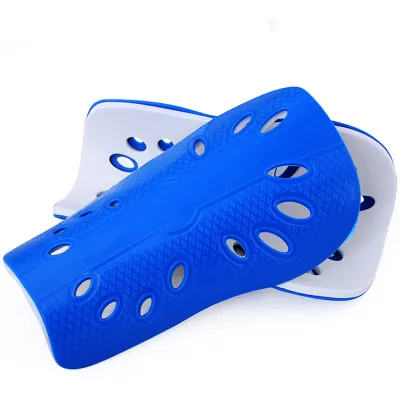
![[LIXIAOJU] 1 Pair Football Shin Pads Plastic Soccer Guards Leg Protector For Kids Adult Protective Gear Breathable Shin Guard](https://img.lazcdn.com/g/p/f52c3623ee73e7c1da37f4adeeff4230.jpg_400x400q80.jpg_.webp)
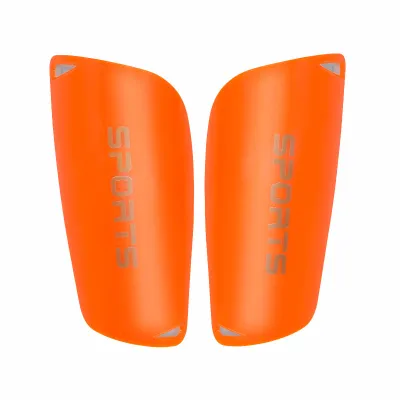
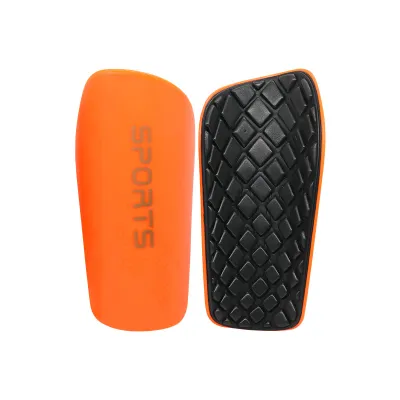
Prices are valid at publication and may change. Please refer to the product page for the latest price.
Ankle guards feature an integrated protective design with padded cups that cover the ankle bones, along with a stirrup strap that loops under the foot. This style provides comprehensive lower-leg protection, making it the preferred choice for younger children, beginners, and players in defensive positions where physical contact is more frequent. The added structure helps keep the guard centered on the shin, preventing it from shifting during running or kicking. While highly protective, the extra material can feel slightly heavier and warmer, which is an important consideration during midday matches in tropical weather.
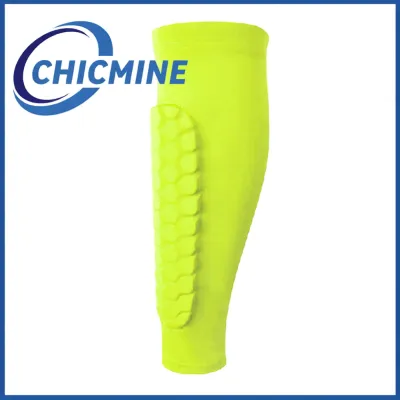
Shin guard sleeves represent a modern hybrid option, consisting of a breathable compression sleeve with a dedicated pocket to hold a slip-in guard. This system keeps the protective shell firmly pressed against the shin without the need for restrictive straps or adhesive tape. It is an excellent choice for active players who want a secure, slip-free fit while maintaining excellent ventilation. The sleeves can easily be tossed into the washing machine after a muddy rainy-season match, making them highly practical for local maintenance.
How to Measure and Fit Shin Guards Properly
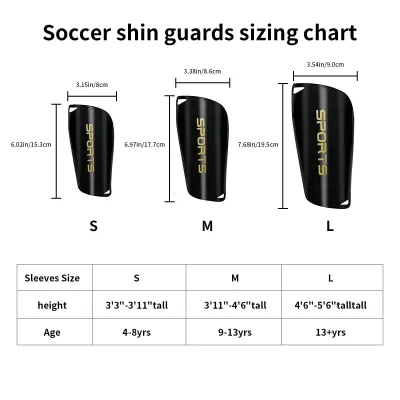
An ill-fitting shin guard can slide out of position, leaving vulnerable areas exposed, or restrict your child’s natural running stride. To find the correct size, you must measure their leg physically rather than relying solely on generalized age recommendations, which often fail to account for individual growth spurts and varying body proportions.

Start by having your child sit down with their feet flat on the floor and their knees bent at a ninety-degree angle. Use a flexible measuring tape to measure the front of the shin bone, starting from about two inches below the center of the knee joint down to approximately one inch above the ankle bone. This measurement represents the maximum length the shin guard shell should cover to prevent interference with joint movement.
Once you have this measurement, cross-reference it directly with the specific size chart provided by the manufacturer of the guard you are considering. Different brands utilize distinct sizing curves, meaning a “Medium” in one brand might correspond to a “Small” or “Large” in another. Avoid buying a larger size with the expectation that your child will “grow into” the gear, as oversized guards will inevitably bite into the ankle or press against the kneecap, causing discomfort and distraction.
To verify the physical fit, have your child wear the guards inside their regular soccer socks and athletic shoes. Ensure the guard covers at least two-thirds of the shin length and sits comfortably centered. Your child should be able to flex their ankles fully, bend their knees to a deep squat, and run comfortably without the top or bottom edges of the guard digging into their skin. If the guard shifts significantly when they kick or run, it is either too large or needs a more secure fastening method.
Essential Safety and Comfort Features to Evaluate
When comparing different models, parents should carefully inspect the structural components of the shin guards to ensure they offer reliable impact dispersion and long-term durability. The outer shell is your child’s primary line of defense against stray kicks and hard tackles. Look for shells made from high-impact materials like molded polypropylene or reinforced fiberglass, which are engineered to distribute localized forces across a wider surface area while remaining lightweight.
The inner padding is equally critical, as it absorbs the residual shock of an impact and rests directly against your child’s skin. Ethylene-vinyl acetate (EVA) foam is the industry standard for youth guards, valued for its lightweight cushioning and resistance to water absorption. In a humid climate, look for EVA padding that features molded ventilation channels or perforated patterns, which help channel sweat away from the skin and reduce the risk of heat rash or skin chafing during long training sessions.
Strap and closure systems must be evaluated for both stability and skin comfort. Adjustable Velcro straps and elastic bands should be wide enough to distribute pressure evenly around the calf muscle without restricting blood circulation. Inspect the stitching where the straps attach to the shell; weak seams can easily fray or snap under the tension of regular stretching and running. If your child has sensitive skin, look for straps lined with soft fabric to prevent friction burns.
Finally, verify the safety credentials of the product by looking for recognized compliance markings printed on the packaging or the guard itself. Look for standards such as the CE mark or NOCSAE certification labels. These markings indicate that the guard design has undergone standardized impact testing, providing peace of mind that the gear meets established safety benchmarks. Avoid unbranded products that lack these basic quality indicators, as they may use brittle plastics that crack easily under impact.
Buying and Verifying Shin Guards in the Philippines
Sourcing reliable youth soccer gear in the Philippines requires a careful approach to ensure you are purchasing genuine, high-quality products. While local sporting goods stores and official brand outlets in major metropolitan areas allow you to inspect the physical items firsthand, online marketplaces offer a wider selection of sizes and styles. When shopping online, prioritize official brand stores or highly rated local distributors to avoid counterfeit products that may use substandard plastics.
If you are purchasing online, carefully review the seller’s product photos and customer reviews. Look for close-up images of the stitching, the texture of the inner foam, and the clarity of the printed safety labels. Avoid listings that use generic stock photos or lack detailed descriptions of the materials used. Reading feedback from other local parents can provide valuable insights into how the guards hold up under local playing conditions.
Prices for quality youth shin guards typically range from around ₱300 for basic entry-level models to ₱1,500 or more for advanced sleeve systems from major athletic brands. When comparing prices, factor in the seller’s return and exchange policies. Because precise fit is critical for safety, choose sellers that offer straightforward size exchanges in case the guards do not fit your child’s leg shape perfectly upon arrival.
Maintenance and Replacement Signals
Proper maintenance is essential to keep your child’s shin guards hygienic and structurally sound, especially when playing in hot, humid conditions that encourage bacterial growth and odor. After every practice or match, wipe down the hard outer shell with a damp cloth and mild soap. For guards with removable sleeves or fabric straps, hand wash them in cold water with a gentle detergent and allow them to air dry completely in a well-ventilated area away from direct sunlight, which can degrade plastic shells over time.
Regularly inspect the physical condition of the guards to identify signs of wear that compromise their protective capabilities. Look closely for hairline cracks in the outer plastic shell, as these structural failures will prevent the guard from dispersing impacts safely. Check the inner EVA foam to see if it has become permanently compressed, brittle, or detached from the shell, and replace the guards immediately if the padding no longer cushions blows effectively.
Lastly, keep a close eye on your child’s physical growth. A set of shin guards that fit perfectly at the start of a league season may become dangerously small after a mid-year growth spurt. If the guard no longer covers at least two-thirds of the shin bone, or if the straps begin to leave deep, red indentations on your child’s calves, it is time to measure their legs again and upgrade to a larger size to maintain proper anatomical coverage.
Frequently Asked Questions (FAQ)
Do kids need to wear shin guards for casual practice or just official matches?
Yes, children should wear shin guards during every soccer activity, including casual backyard play, team practices, and official matches. Informal scrimmages and training drills often involve unpredictable movements and accidental contact, making lower-leg injuries just as likely to occur during practice as they are in a competitive game. Establishing a habit of wearing protective gear during every session also helps children get accustomed to the feel of the guards, ensuring they play with confidence.
Can my child use adult shin guards if they are tall for their age?
It is generally not recommended to use adult shin guards for children, even if they are tall. Adult guards are anatomically contoured for fully developed leg muscles and bone structures, meaning the curvature of the shell will not align properly with a child’s flatter, narrower shin bone. This mismatch can create large gaps between the guard and the leg, reducing impact absorption and potentially causing the guard to shift or dig into the ankle joint during play.
How tight should the straps be around the calf?
The straps should be snug enough to hold the shin guard firmly in place without sliding down when your child runs, but not so tight that they pinch the skin or restrict blood flow. A good rule of thumb is to ensure you can comfortably slide one finger under the strap. If your child experiences numbness, tingling, or visible red marks that persist after removing the gear, the straps are too tight and need to be loosened or replaced with a larger size.
Community discussion
Share your experience or ask a question. Comments are reviewed before publication.