
Finding the right Speedo goggle model requires matching the frame’s physical profile to your specific swimming environment and facial structure. There is no single universal goggle that excels in every scenario, as different activities demand distinct design features. For daily lap and fitness swimming in local pools, a mid-sized, cushioned frame balances comfort and seal reliability. For open-water swimming or triathlons in natural bodies of water, a wide-vision mask or larger frame with polarized lenses helps navigate glare and changing currents. For competitive racing, a low-profile, hydrodynamic design minimizes drag during high-speed starts and flip turns.
Each of these activities places unique physical demands on your gear. Lap swimming requires a durable, comfortable seal that can withstand long, repetitive sessions without causing eye fatigue or leaving deep pressure marks. Open-water swimming demands excellent peripheral vision to spot buoys and navigate outdoor elements like waves, wind, and bright sunlight. Competitive racing requires a secure, low-profile fit that remains locked in place during explosive dives and rapid turns.
To make an informed decision, you must evaluate four primary design factors: hydrodynamics, field of vision, seal comfort, and lens technology. Hydrodynamics determine how smoothly water flows over the frame, which is critical for speed. Field of vision affects how much of your surroundings you can see without turning your head. Seal comfort prevents painful pressure marks during long workouts, while lens technology ensures clear visibility under specific lighting conditions. Ultimately, the right choice depends on matching these structural elements to your personal facial anatomy and primary swimming style.
Products mentioned in this guide
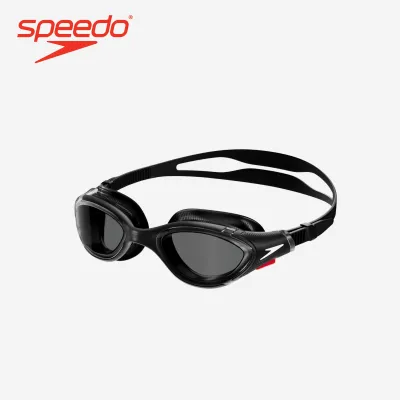
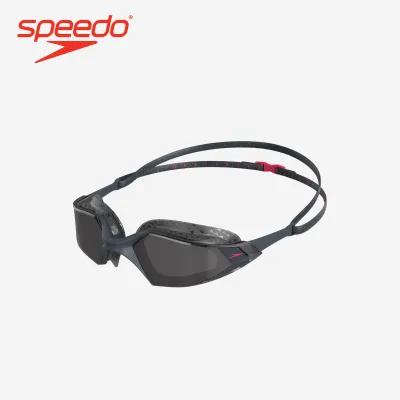
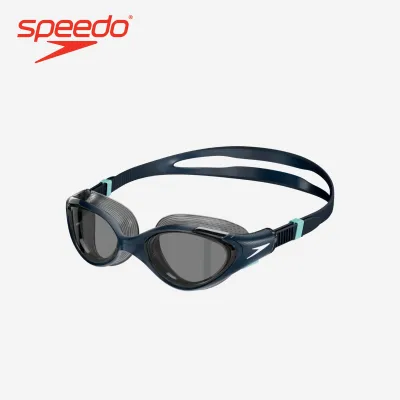
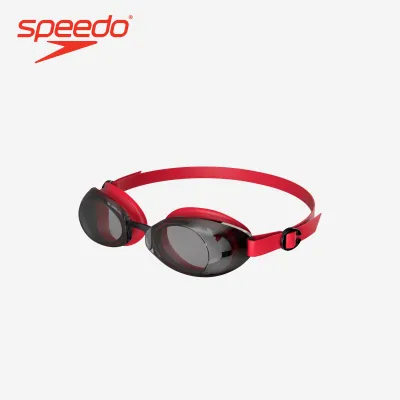
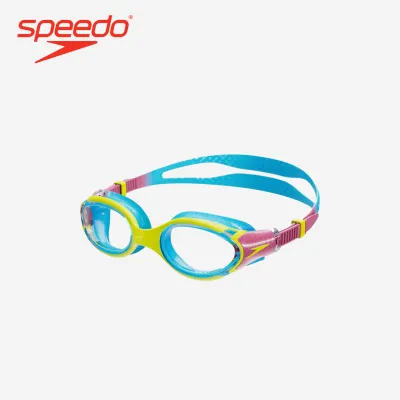
Prices are valid at publication and may change. Please refer to the product page for the latest price.
Comparing Speedo Goggle Profiles by Swimming Style
To narrow down your options, use a conditional decision framework based on your primary swimming activity. If your main goal is competitive racing or high-intensity training, a low-profile or Swedish-style goggle is highly suitable. If you focus on fitness laps in a standard pool, a mid-sized fitness goggle offers the best balance of comfort and security. For those swimming in open ocean waters or lakes, a wide-vision or mask-style goggle provides the necessary visibility and protection.
The socket fit design is the most critical structural difference among these profiles. Low-profile racing goggles sit directly inside the eye socket, minimizing water resistance. While this design is highly hydrodynamic, it can feel firm or restrictive during extended wear. Mid-size fitness goggles sit on the outer edge of the eye socket, utilizing soft silicone gaskets to distribute pressure evenly. This design is ideal for recreational swimmers who prioritize comfort over absolute speed. Wide-vision open-water goggles feature larger frames that sit completely outside the orbital bone, resembling a hybrid between traditional goggles and a diving mask. This larger footprint distributes suction over a wider surface area, reducing localized pressure and preventing eye fatigue during long swims.
Your facial structure plays a major role in how these socket designs perform. Swimmers with deep-set eyes or narrow nose bridges may find that low-profile models require precise adjustment to prevent leaks. Conversely, those with wider facial profiles often benefit from the flexible, adaptive frames found in mid-size and wide-vision models.
Strap configurations also vary significantly across these profiles to serve different stability needs. Competitive models often feature a dual-strap system or a split strap that secures high on the back of the head and low near the base of the skull. This dual-tension setup prevents the goggles from shifting or slipping off during high-impact dives and rapid flip turns. Fitness and open-water models typically use a single, wider split strap with easy-adjust side clips. This configuration is designed for quick adjustments and long-term comfort, as it distributes tension across a broader area of the head without requiring extreme tightness.
When browsing different models, always check the manufacturer’s intended use specifications on the packaging or official online listings. Avoid relying solely on generic marketing terms like “all-purpose” or “professional,” as these do not guarantee a proper fit for your specific face shape or swimming style.
Evaluating Lens Options for Your Environment
Selecting the right lens tint and coating is essential for maintaining clear visibility and protecting your eyes in different swimming environments. Lenses are engineered to manage light transmission, glare, and UV exposure, meaning a lens that works perfectly in an indoor pool might perform poorly under the bright tropical sun.

Clear lenses are the standard choice for indoor pools, low-light conditions, or evening swim sessions. They allow maximum light transmission, providing a natural view of the pool lanes without altering colors or reducing brightness. Mirrored lenses feature a reflective outer coating that significantly reduces brightness and glare. These are highly effective for outdoor pools where the sun reflects intensely off the water’s surface, helping to prevent eye strain during daytime workouts.
Polarized lenses go a step further by filtering out horizontal light waves, which are the primary cause of blinding glare on open water. This makes them the preferred option for triathletes and open-water swimmers who need to spot navigation buoys against the sun’s reflection. Tinted or colored lenses, such as blue, smoke, or pink, offer a middle ground by reducing overall brightness while enhancing contrast in specific lighting conditions. For example, blue lenses are versatile options that perform well in both indoor and outdoor settings by neutralizing yellow light.
To ensure your safety and comfort, always verify the UV protection ratings and anti-fog treatment specifications directly on the product label or official store descriptions. High-quality goggles should offer reliable UV protection to shield your eyes from harmful solar radiation during outdoor swims.
When planning your purchase, check the current retail prices in ₱ on official brand channels or authorized sports retailers in the Philippines. Specialized lens technologies, such as polarization or advanced anti-fog coatings, often affect the final cost of the goggles. While basic clear or tinted models are generally more budget-friendly, investing in specialized lenses is often necessary if you regularly swim in challenging outdoor environments. Compare prices across authorized local dealers to find a model that fits both your budget and your environmental needs.
Verifying Fit and Finalizing Your Selection
Once you have identified the right profile and lens type, the final step is to verify the physical fit before committing to a purchase. A goggle can only perform effectively if it creates a watertight seal that matches your unique facial contours.
To test the seal without using the strap, perform the standard “suction test.” Gently press the goggle cups against your eyes without looping the strap over your head. If the goggles stick to your face for a few seconds before releasing, the gaskets are creating a proper seal. If the goggles fall off immediately without any suction, the frame shape or nose bridge width is likely incompatible with your facial structure. In this case, air is escaping through gaps, which will inevitably lead to water leaking during your swim.
Next, evaluate the nose bridge adjustability and strap tension mechanisms of the chosen model. Many competitive and fitness goggles come with interchangeable nose pieces of varying widths, allowing you to customize the distance between the eye cups. Other models feature a flexible, self-adjusting nose bridge that stretches to fit your face automatically. Ensure that the strap adjustment clips are easy to operate and lock securely in place without slipping under tension.
Be aware of common failure conditions that indicate a poor fit during actual use. If you have to tighten the straps excessively to prevent leaks, the goggles are likely the wrong size or profile, which can cause painful pressure on your eye sockets and headaches. If the goggles consistently leak during flip turns or when you push off the wall, the frame profile may be too high for your swimming speed, or the strap tension may be unevenly distributed.
To finalize your selection, follow these actionable rules: prioritize a tight, low-profile hydrodynamic fit if you are training for speed and racing, but choose cushioned comfort if you swim for fitness or long distances. If standard adjustments fail to create a comfortable, leak-free seal, stop and consult the manufacturer’s sizing guide to explore alternative sizes or frame shapes.
Frequently Asked Questions (FAQ)
How do I prevent my swimming goggles from fogging up?
To preserve the factory anti-fog coating on your goggles, it is crucial to never wipe or touch the inside of the lenses with your fingers, towels, or cloths. Rubbing the inner lens can easily scratch or completely strip away the delicate chemical treatment.
Instead, simply rinse your goggles with cool, clean pool water before you start swimming to equalize the temperature. After your swim, rinse them thoroughly with fresh tap water to remove chlorine or salt, and allow them to air-dry completely in a shaded area before storing them. If the original anti-fog coating begins to degrade over time, check the manufacturer’s care instructions for safely applying a compatible anti-fog spray or solution to restore visibility.
When should I replace my swimming goggles?
You should replace your swimming goggles when you notice clear physical indicators of wear, such as cracked or brittle silicone straps, stretched-out headbands, or degraded eye seals that no longer hold suction. Persistent leaking that cannot be resolved by adjusting the strap tension or changing the nose bridge is a primary sign that the silicone gaskets have lost their flexibility. Additionally, if the lenses become heavily scratched to the point where they impair your underwater vision or compromise the integrity of the UV protection, it is time to invest in a new pair.
Community discussion
Share your experience or ask a question. Comments are reviewed before publication.