
Selecting the right Speedo swimming cap depends on matching the cap’s material and design to your specific water activity, hair volume, and comfort preferences. Whether you are swimming leisurely laps in a local resort pool, undergoing intense daily training sessions, or preparing for a competitive swim meet, your choice of headwear directly impacts your performance and comfort. In warm, tropical climates like the Philippines, where high humidity and intense sun exposure affect both pool water chemistry and your physical comfort, selecting a cap that balances heat dissipation with a secure fit is essential. By understanding how different materials behave in the water, you can make an informed decision that protects your hair, keeps your goggles secure, and helps you achieve your personal swimming goals.
Compare Speedo Cap Materials and Core Designs
Speedo offers several distinct material categories, each engineered to perform differently under various pool conditions. Silicone caps are among the most common options found in local pools and sports shops. These caps are highly valued for their durability, resistance to chlorine degradation, and standard compression fit. Silicone is a relatively thick, elastic material that retains its shape well over time, providing a secure grip on the head that keeps goggles firmly in place. While they offer a high level of water resistance, they do not make a completely waterproof seal, meaning some water will still reach your hair during active swimming.
For swimmers who prioritize comfort over water resistance, fabric and Lycra caps present an alternative option. These caps are constructed from soft, stretchable textiles that do not pull or snag the hair, making them exceptionally easy to put on and take off. Because fabric is porous, water flows freely through the material, which provides excellent breathability and heat dissipation in warm outdoor pools. However, they offer minimal protection against chlorine and do not provide the tight, hydrodynamic compression required for high-speed swimming.
Products mentioned in this guide
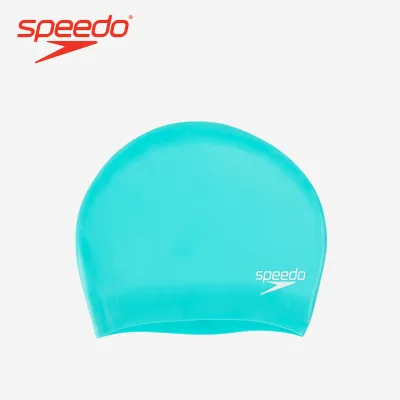
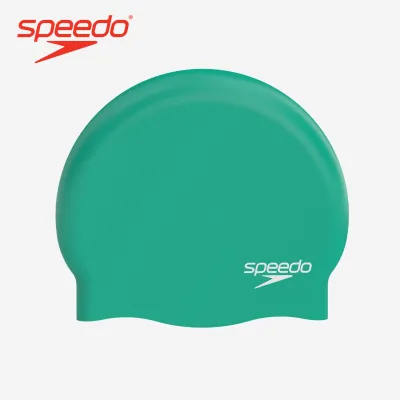
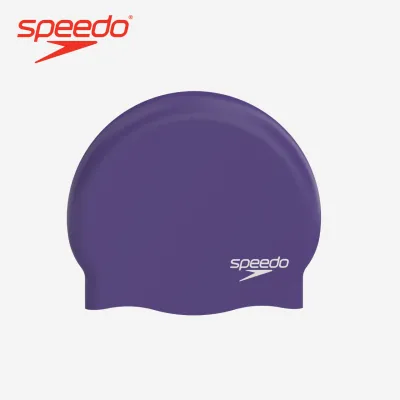
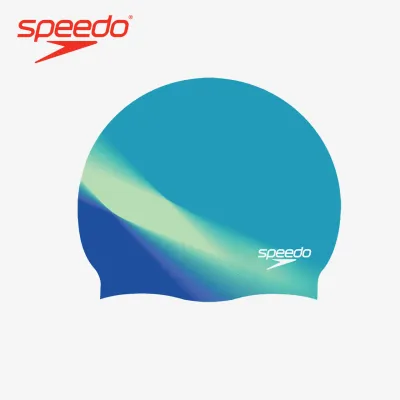
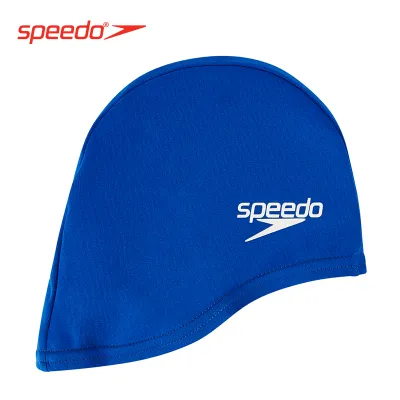
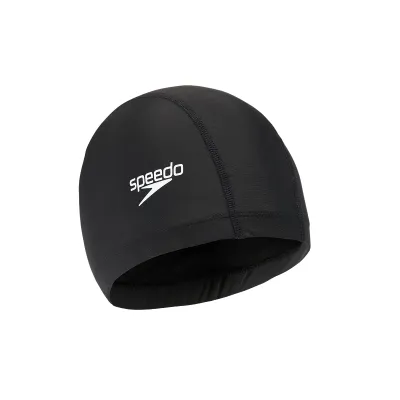
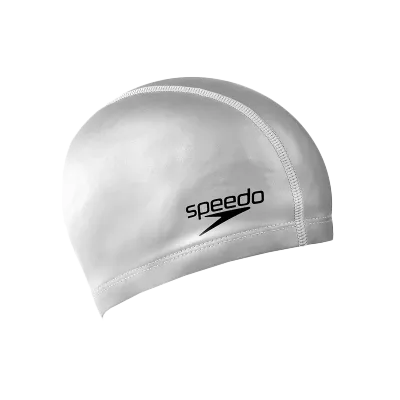
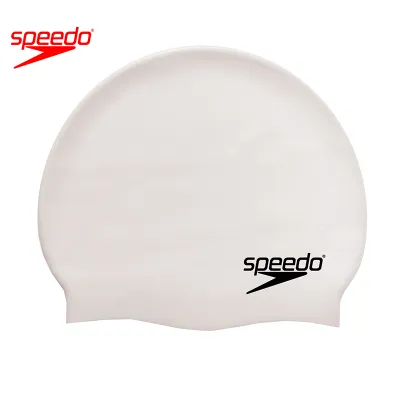
Prices are valid at publication and may change. Please refer to the product page for the latest price.
Competition-style caps represent the high-performance end of the spectrum, utilizing advanced molded silicone or multi-density materials. These caps are designed with a 3D molded shape to eliminate wrinkles and create a smooth, hydrodynamic surface that minimizes drag in the water. They feature a much tighter compression fit than standard silicone caps, which helps streamline the head and secure long hair tightly against the skull. When selecting a high-performance cap, always check the manufacturer’s product label and specifications to verify the exact material composition and ensure it aligns with your intended use.
Match the Cap Type to Your Specific Swim Routine
To get the most out of your time in the water, it is helpful to align your cap selection with the intensity and frequency of your swimming routine. For recreational and fitness swimming, where the primary goals are relaxation, light exercise, and basic hair management, comfort should be your main priority. A soft Lycra or a lightweight silicone cap is often ideal for these longer, low-intensity sessions. These options keep hair out of your face and eyes without exerting excessive pressure on your temples, allowing you to enjoy your swim without distraction.

If your routine involves regular training and lap swimming multiple times a week, you need a cap that balances durability with a secure fit. Standard silicone caps are the workhorses of daily training because they withstand repeated exposure to chlorinated water without losing elasticity. They provide moderate water resistance, helping to shield your hair from excessive chlorine absorption while remaining comfortable enough for hour-long workouts. Swimmers who train in outdoor pools under the tropical sun often prefer silicone caps for their physical durability against UV rays, though they may switch to fabric caps if heat buildup becomes uncomfortable.
For competitive racing and time trials, every fraction of a second matters, making hydrodynamic design and tight compression the primary focus. Racing caps are engineered to fit tightly over the head, smoothing out any natural bumps or hair bulk to optimize your profile in the water. Before purchasing a cap for official swim meets, it is crucial to verify race-day regulation compliance by checking the product label, as some competitive organizations have strict guidelines regarding logo sizes and material specifications. Ultimately, you should adjust your selections based on your individual comfort thresholds and how often you visit the pool.
Ensure the Right Fit and Comfort for Your Hair Type
Finding a swimming cap that fits correctly is essential for preventing slipping, water pooling, and physical discomfort during your swim. Before making a purchase at a local sporting goods store or an online marketplace, take the time to measure your head circumference. You can cross-reference this measurement with the brand’s official sizing chart to identify whether you need a small, medium, or large option. A cap that is too small will pinch your ears and forehead, while one that is too large will slide off as soon as you push off the pool wall.
The physical construction of the cap also plays a major role in overall comfort. Evaluate the cap’s stretch capacity, seam construction, and the design of the edge bands to ensure they suit your head shape and skin sensitivity. Seamless silicone caps are excellent for sensitive skin because they eliminate the friction points that can cause chafing along the hairline. If you experience pressure headaches from tight headwear, look for caps with softer, more pliable edge bands that distribute pressure more evenly across your forehead and temples.
Managing long, thick, or braided hair requires specific design considerations to avoid fit issues. Standard caps often slide upward when stuffed with high-volume hair, leading to water pooling inside the cap and eventual slippage. To address this, look for specialized long-hair designs that feature extra space at the back of the cap to accommodate buns or braids without stretching the front too tightly. Some swimmers also utilize a double-capping technique, placing a fabric cap underneath a silicone cap to keep hair securely in place. If you experience severe tightness, headaches, or excessive water pooling, these are clear physical signs of a poor fit, indicating you should try a different size or style.
Maintain Your Cap to Extend Its Lifespan
Proper maintenance is the simplest way to extend the lifespan of your swimming cap and protect your investment, which typically ranges from ₱400 to ₱1,500 depending on the material and design. After every pool session, make it a habit to rinse your cap thoroughly with fresh, cool water. This simple step removes residual chlorine, salt, sunscreen, and other pool chemicals that can slowly degrade silicone or rot fabric fibers over time. Avoid using hot water, as high temperatures can warp the material and compromise its elasticity.
Once rinsed, air-dry your cap flat on a clean towel away from direct sunlight. Leaving a wet cap in a hot gear bag or exposing it to intense tropical sunlight can cause silicone to become sticky, brittle, or prone to melting. To prevent punctures and tears, store your dry cap in a dedicated protective case or a soft compartment in your swim bag, keeping it far away from sharp objects like hairpins, locker keys, or goggle clips.
Always read and follow the specific care labels provided by the manufacturer for washing, conditioning, or powdering instructions unique to your cap’s material. For instance, some swimmers apply a light dusting of talcum powder inside dry silicone caps to prevent the sides from sticking together during storage. Finally, learn to identify visual wear and tear signals that indicate it is time for a replacement. Thinning material, micro-tears along the edges, or a noticeable loss of elasticity are all signs that your cap is nearing the end of its functional life and should be replaced before it tears mid-swim.
Frequently Asked Questions (FAQ)
Can I use a fabric Speedo cap to keep my hair completely dry?
No, fabric Speedo caps are not designed to keep your hair dry. Because materials like Lycra and nylon are highly porous, water passes directly through the fabric as soon as you submerge your head. The primary purposes of a fabric cap are to keep hair securely out of your face, reduce drag slightly, and offer a comfortable fit that does not pull on your hair. If your main goal is to minimize water contact and protect your hair from chlorine, a silicone cap is a much more effective choice, though no swimming cap is completely waterproof.
Are competition-style Speedo caps suitable for everyday training?
While you can wear competition-style Speedo caps for everyday training, they are generally not ideal for long practice sessions. These caps are engineered with high-compression materials to maximize hydrodynamics and reduce drag, which results in a very tight, snug fit. Wearing this level of compression for extended training sessions can lead to discomfort, pressure headaches, and restricted blood flow around the forehead. For daily practice, most swimmers prefer standard silicone or fitness caps, saving their specialized racing caps for time trials and swim meets.
How do I prevent my Speedo silicone cap from tearing?
To prevent your Speedo silicone cap from tearing, pay close attention to how you put it on and handle it. Silicone is highly durable under tension but vulnerable to punctures from sharp objects. Before putting on your cap, ensure your fingernails are trimmed and smooth, and remove any sharp hairpins, clips, or jewelry. To wear the cap, place your hands inside, dome your fingers to avoid using your nails, stretch the material outward, and gently pull it over your head from front to back.
Community discussion
Share your experience or ask a question. Comments are reviewed before publication.